





 Portuguese
  English
  Spanish
  4 min of reading
  0 comments


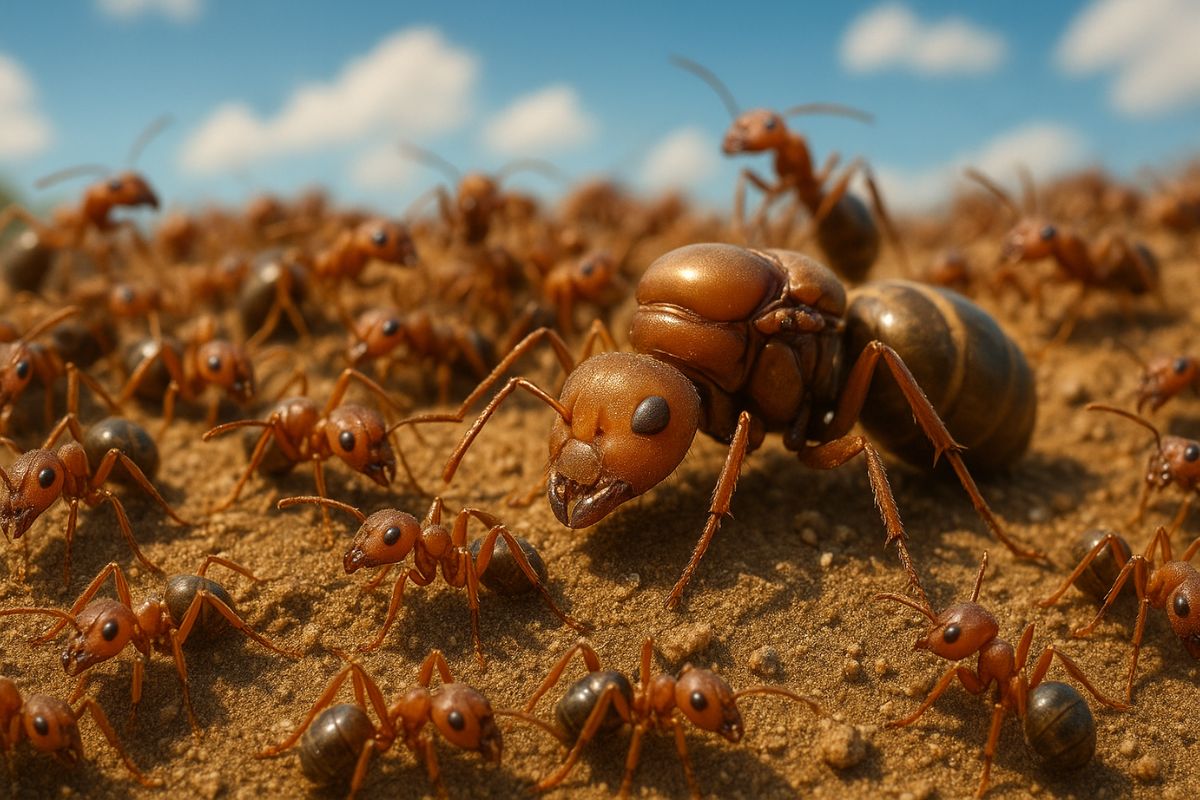
Ants Don’t Sleep Like Humans: They Share Rest in Hundreds of Naps of About One Minute, Keep the Colony Operating 24 Hours, and Reserve the Queen a Deeper Sleep, Strategy That Maximizes Vigilance, Energy Efficiency, and Survival
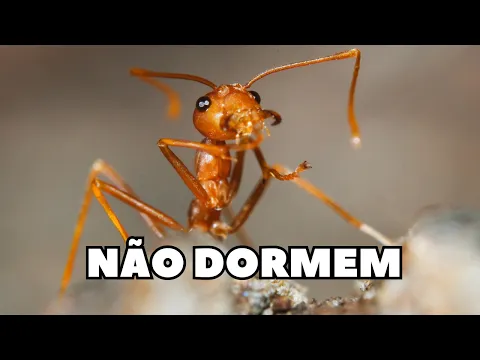
When we hear that ants don’t sleep, what is behind it is not insomnia, but a unique architecture of rest. Instead of a continuous block of sleep, workers alternate microsleeps of approximately one minute, totaling four to five hours of distributed rest throughout the 24-hour cycle. This polyphasic pattern allows the ant colony to never “turn off”, keeping critical tasks ongoing without collapsing the social system.
The queen, in turn, adopts an opposite logic. While workers alternate activity and short naps, the queen takes fewer breaks, but longer and deeper ones, behavior associated with her longevity and the reproductive stability of the nest. Together, these distinct regimes explain why ants don’t sleep in a human way and yet perform at a high level.
Polyphasic Naps: Why the Rest of the Workers Is Fragmented
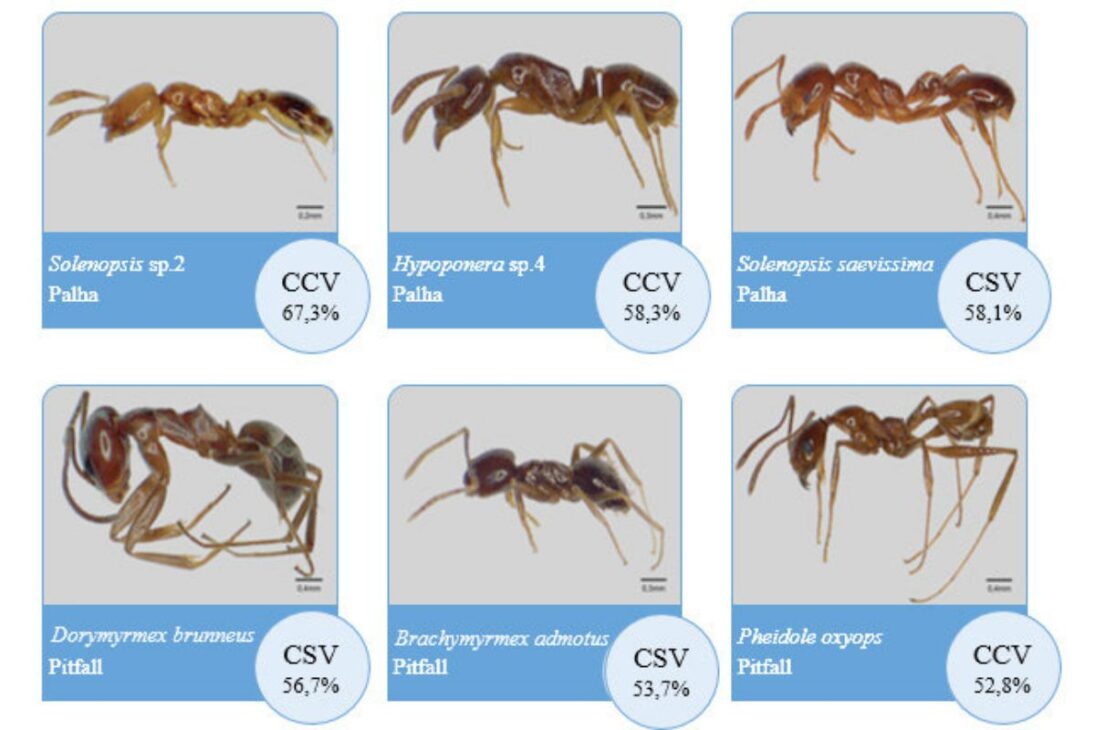
A worker’s job occurs in intense cycles of foraging, caring for offspring, cleaning, and defense. To sustain this routine without a “zero shift”, rest is broken into hundreds of microsleeps of about 1 minute, sufficient to recover energy and maintain high responsiveness to stimuli. During these interludes, metabolic activity drops and the body remains still, but vigilance persists.
-
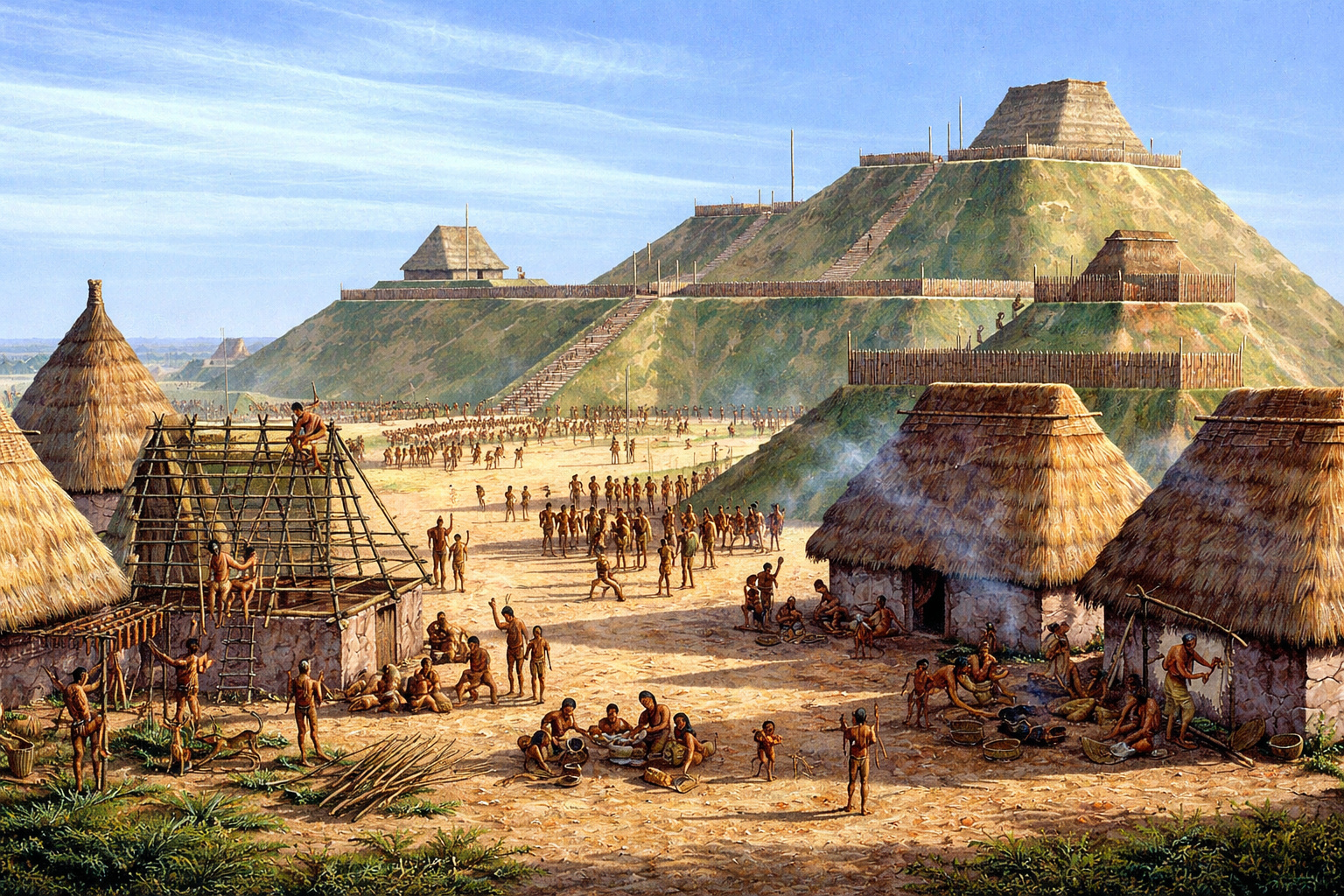
With over 14 million baskets of earth moved, an ancient North American metropolis built a monumental pyramid of 30 meters and established a city with 20,000 inhabitants nearly a thousand years ago.
-
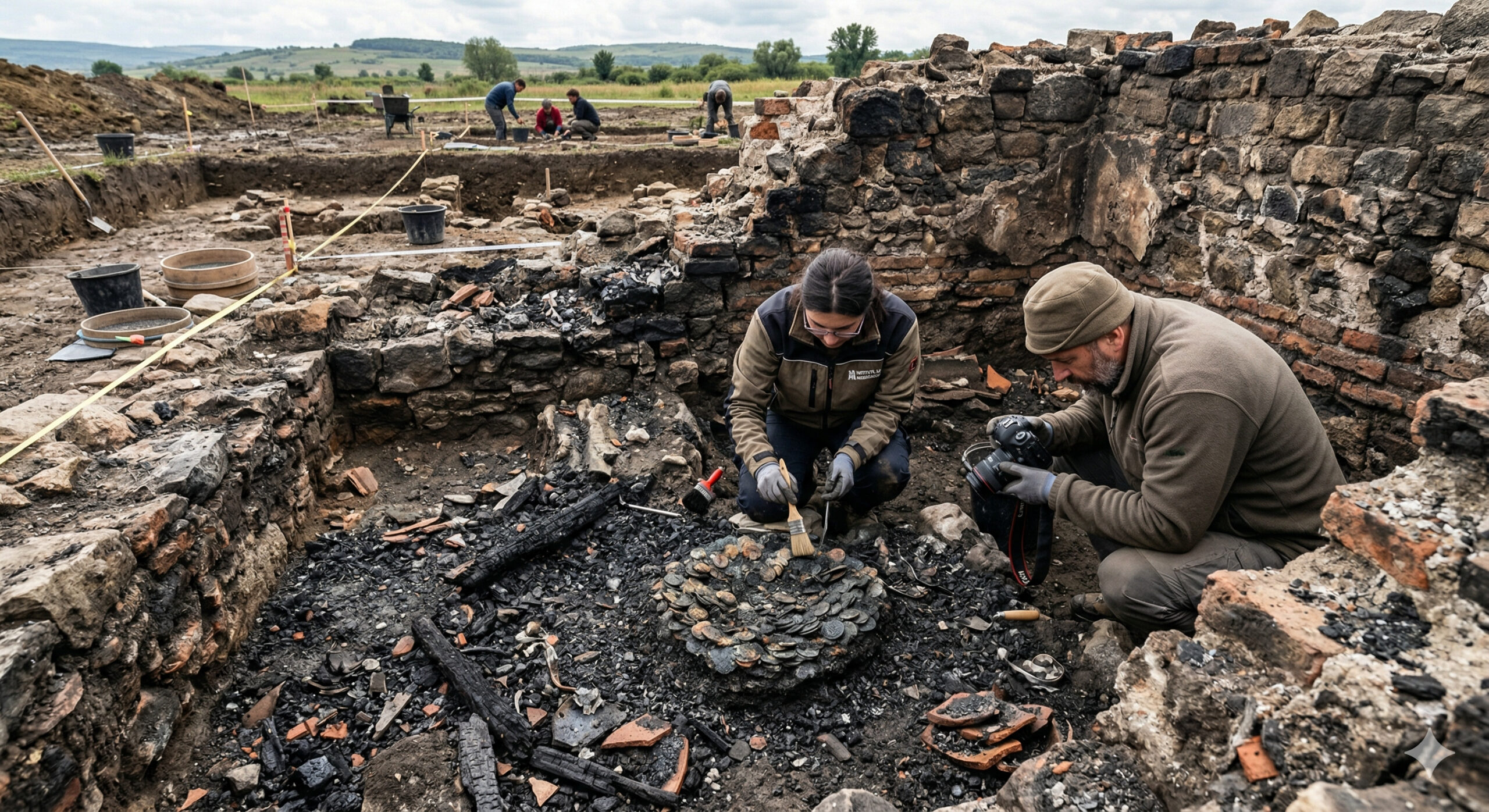
A 1,900-year-old treasure emerges from a Roman house destroyed by fire and sealed since antiquity in Romania, with coins and metals fused among the ashes.
-
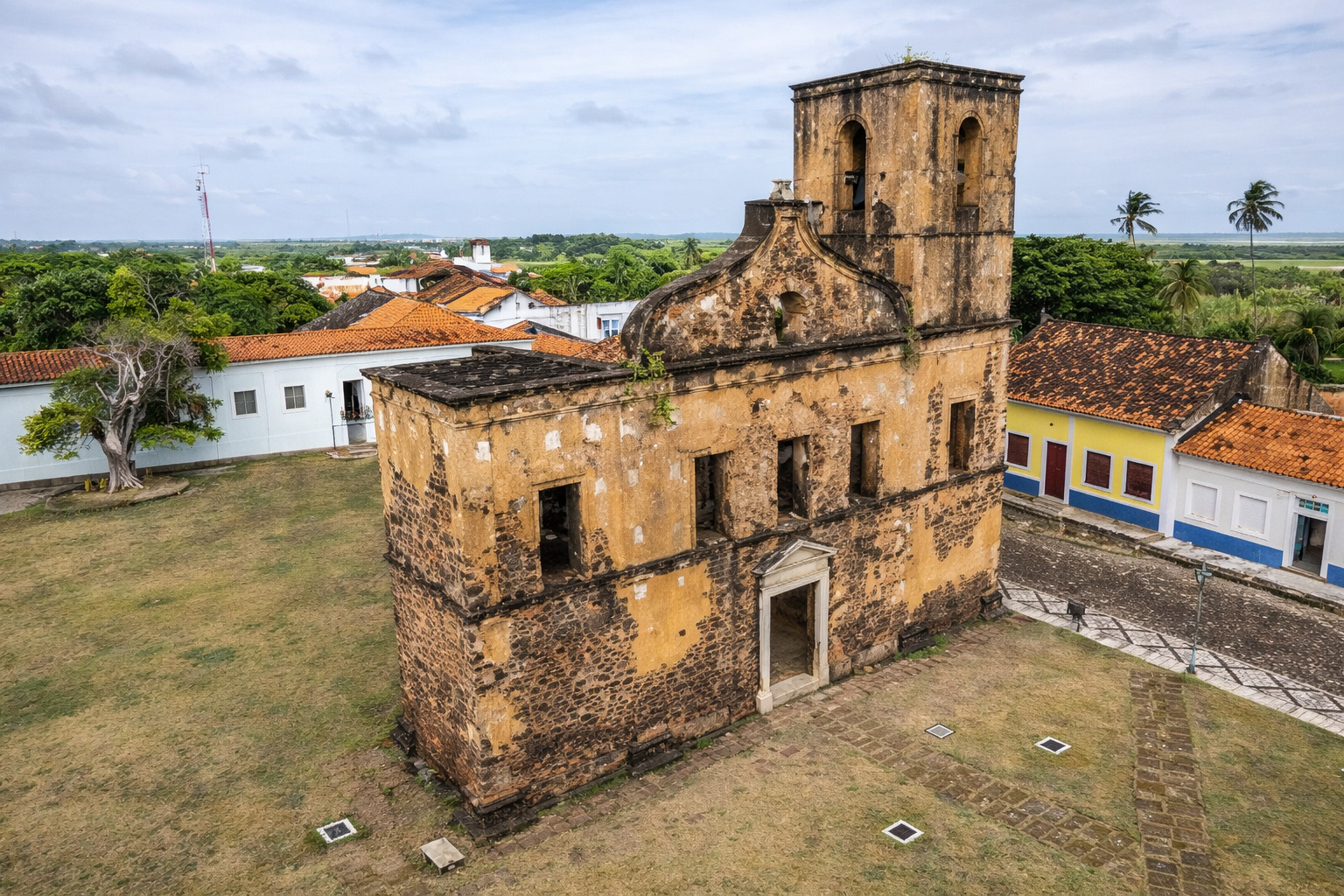
The Brazilian colonial city that stopped in time and shares territory with a rocket launch base.
-
79-year-old woman challenges limits, visits 193 countries in the world after 56 years of planning and reveals the behind-the-scenes of a global journey that few have managed to accomplish.


This arrangement totals four to five hours of daily rest, distributed in peaks and valleys. There is no “universal right time”: the colony’s clock is the task itself, guided by environmental needs, pheromone flow, and nest demand. This is how “ants don’t sleep,” in the human sense, without forgoing physiological rest.
Colony in 24/7 Mode: Shifts, Productivity, and Alertness
By staggering naps in waves, there is always an active contingent and another resting, ensuring operational continuity. The colony maintains watch posts, foraging routes, and assistance to larvae without interruption, diluting risks from predators and food loss. This shifting prevents bottlenecks and keeps the “heart” of the ant colony beating day and night.
In addition to productivity, the model reinforces resilience: if one group is interrupted by threat or environmental change, another takes over. This is the logistics of rest transformed into a competitive advantage for a complex social organism.
Queen: Deeper Sleep, Longer Breaks, and Extended Lifespan
The queen lives much longer than workers (potentially reaching decades) and carries the central reproductive function. Therefore, her rest episodes are longer and deeper, reducing interference in the hormonal axis and ensuring regularity in egg-laying. While workers optimize responsiveness, the queen optimizes stability.
This “dual regime” of social sleep minimizes energy conflicts within the nest. The queen conserves resources for reproduction, and the workers for maintenance and defense, forming a division of labor that makes the entire system last longer.
Signals, Triggers, and Coordination: How the Nest Organizes Sleep
The coordination of these patterns depends on pheromones, antennal touches, and environmental reading. When the food supply drops or the temperature changes, the flow of tasks and naps reprograms almost in real time. This plasticity is the glue that allows the colony to operate without a “final whistle” for the end of the shift.
Another pillar is the distribution of roles. Workers more engaged in caregiving and cleaning tend to nap near the nursery, while foragers interleave rest along their routes. The result is a dynamic mosaic in which ants don’t sleep in block, but rest as needed, in the right place, at the right time.
Energy, Risk, and Evolution: Why This Model Won

Polyphasic rest reduces windows of vulnerability: there is no collective “night” in which everything stops. Predators always find resistance, and resource harvesting does not depend on daylight. In energy terms, frequent microsleeps prevent deep performance drops, keeping workers ready to respond to threats and opportunities.
Evolutionarily, it was this time engineering that solidified the success of ants in nearly all biomes. By proving that one can rest without stopping, they show that “ants don’t sleep” is less a myth and more an invitation to understand the collective intelligence of a superorganism.
What This Teaches Us About Biological Rhythms and Staggered Work
Instead of seeking a “universal schedule,” the ant colony aligns sleep and task. Demand-based work, granular rest, and efficient communication form a triangle that sustains the performance of the group. For behavioral science and distributed systems, the case of ants is a living laboratory on how to reconcile continuous alertness and physiological recovery.
For the curious reader, here’s a thought: what if the secret is not to sleep more, but to sleep better, at the right moment, for the right time? In ants, the clock is collective, but the nap is individual, and the sum of the parts keeps the whole standing.
“Ants don’t sleep” like us because they don’t need a single block of sleep. They share rest in microsleeps, keep the colony active 24 hours, and reserve the queen a deep sleep, a combination that maximizes the efficiency and survival of the nest.
For those observing nature, science, or even team management: what stands out to you the most about this model — the 1-minute naps, the colony active 24/7, or the queen’s deep sleep? Have you seen similar behaviors in other insects, bees, or termites? Share in the comments how this strategy would change your view on organization, shifts, and productivity in the real world.







-

-

-

-

-

10 pessoas reagiram a isso.