





 Portuguese
  English
  Spanish
 4 min of reading
  0 comments


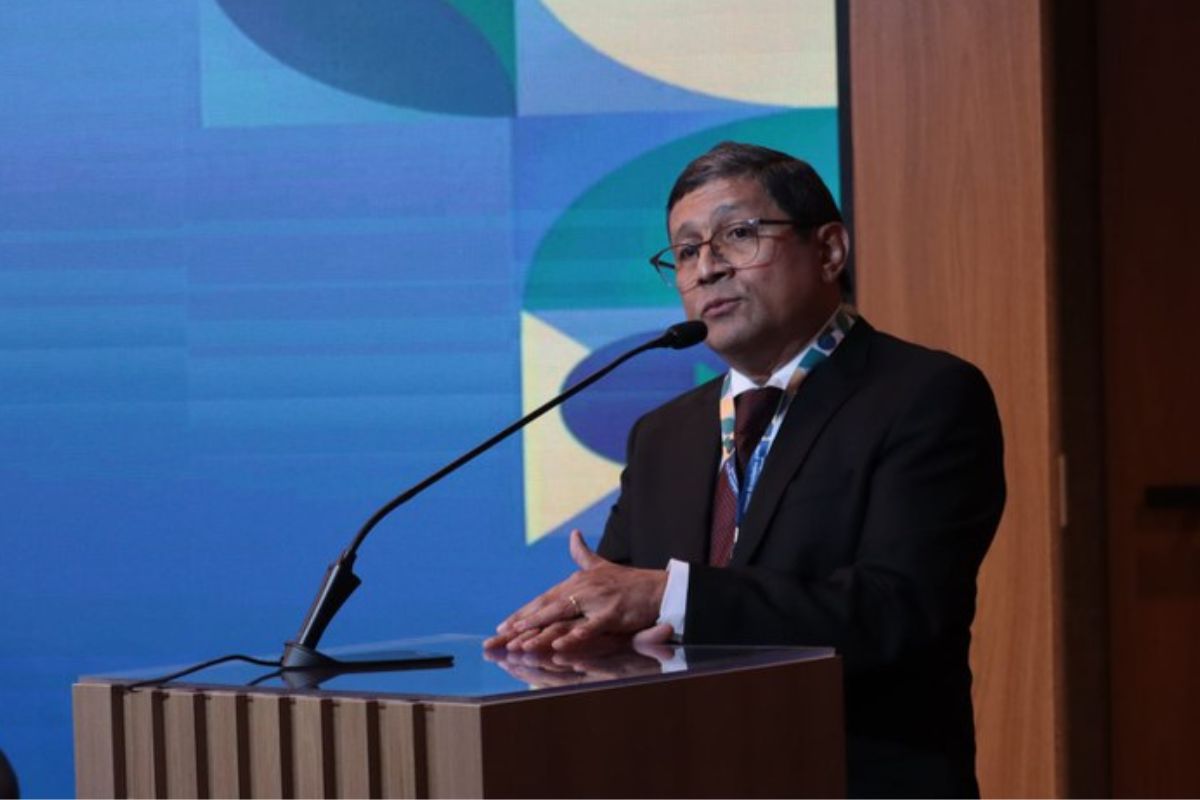
The Brazilian Forum for Responsible Gold Promotes Sustainable Mining, Gold Traceability, Mercury Combat, Productive Inclusion, and Transparent Governance, Uniting Government, Productive Sector, and International Organizations
The Brazilian Forum for Responsible Gold arrives as an important milestone for Brazil, which now takes a prominent role in building clean gold supply chains, according to a report published.
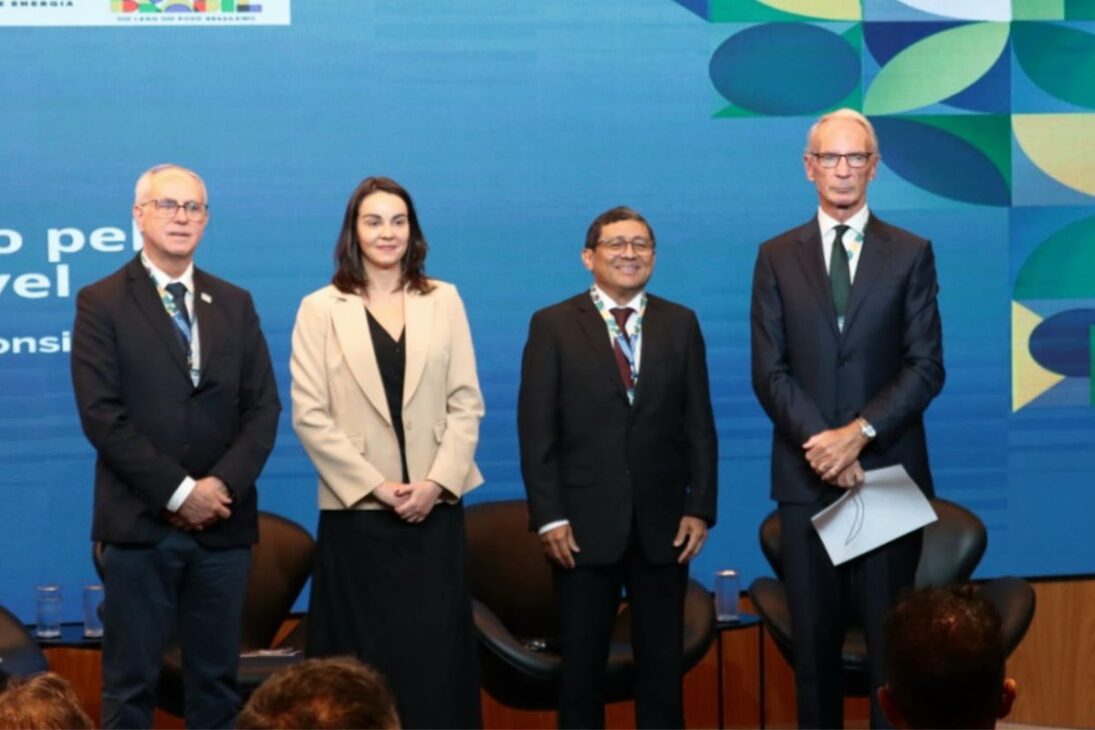
The meeting, held on September 23 at the Ministry of Mines and Energy, brought together public institutions, the productive sector, and international partners with a clear mission: to transform the way gold is extracted, traded, and monitored.
Focusing on legality, transparency, and social protection, the plan includes traceability from the origin, goals for reducing mercury use, and measures to tackle illicit flows that undermine the activity.
-
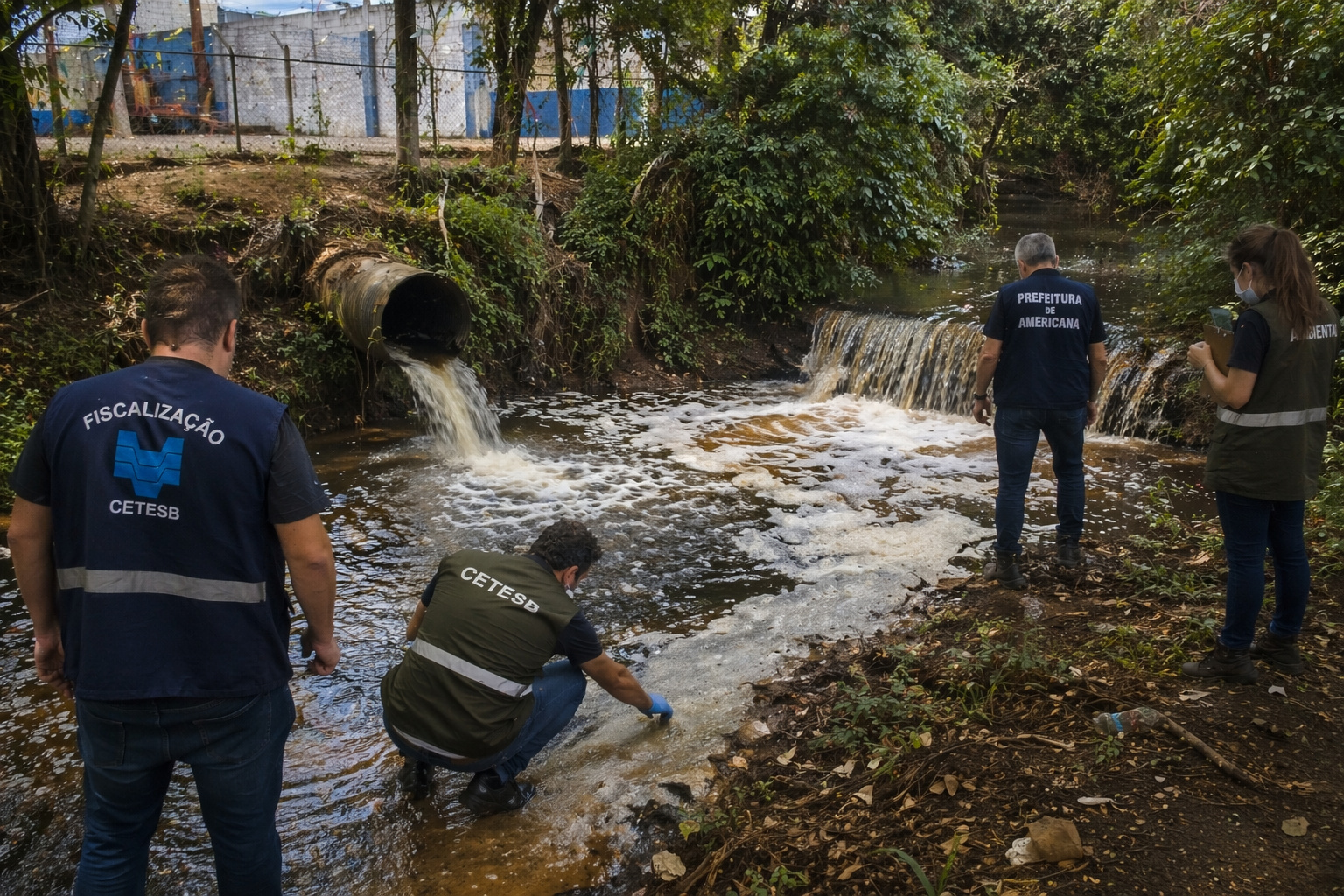
A fine of R$ 115 thousand puts Goodyear at the center of an environmental case in Americana after oil and grease appeared in a stream and the company was forced to act quickly.
-
A machine capable of removing up to 12,000 cubic meters of earth per hour helps to feed part of the European energy matrix, and this mining colossus almost never appears when discussing the real cost of electricity.

-
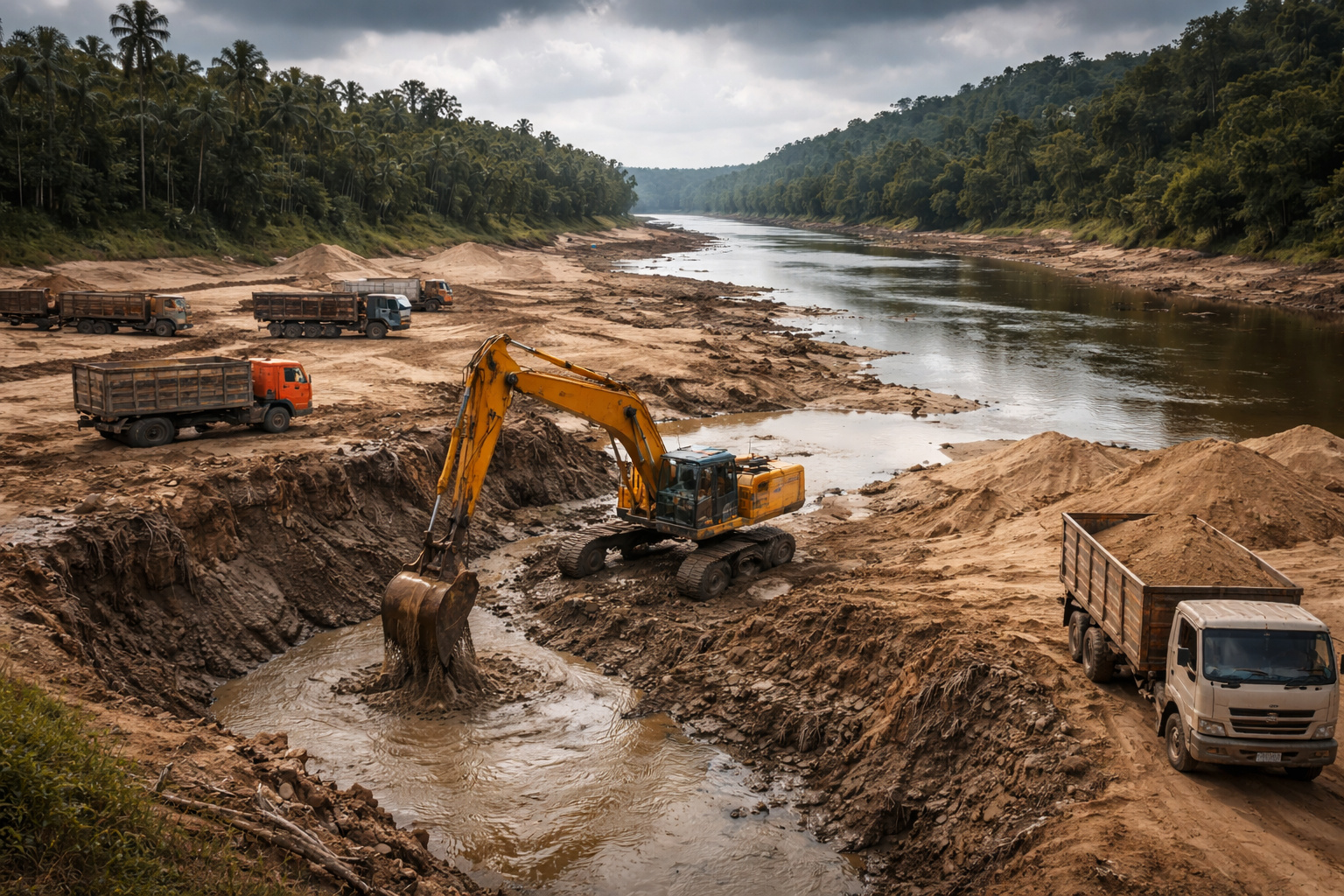
In Kerala, India, known as “the land of God,” dredging machines are extracting sand from rivers 40 times faster than nature can replenish it, riverbeds have already dropped nearly 2 meters, rivers have begun to dry up, and scientists who investigated the floods of 2018 discovered that decades of uncontrolled mining have weakened the rivers to the point where they can no longer contain the water.
-
Revolution in the Northeast: Ceará accelerates investments in environmental technology and inaugurates an innovative plant that uses waste to promote sustainable sanitation.

The coordination of the National Mining Agency (ANM) ensures that the actions are aligned with good international practices, in cooperation with the World Gold Council, the OECD, and the Intergovernmental Forum on Mining, Minerals, Metals and Sustainable Development.
The initiative also addresses serious situations, such as the Yanomami humanitarian crisis in 2023, and seeks to protect communities, improve public health, and consolidate productive chains that are reliable and auditable.
With new technologies, financial support, and training, Brazil creates conditions for small producers to access high-value markets, while also strengthening security and reducing environmental damage.
Sustainable Mining with a Focus on Productive Inclusion
The Brazilian Forum for Responsible Gold is born with the aim of bringing small producers closer to a formal and secure activity, offering conditions for cooperatives and workers to access credit, technical assistance, and differentiated markets.
This productive inclusion is essential, as informality impacts not only revenue collection but also pressures sensitive biomes and opens space for illicit activities.
The plan provides financing lines compatible with the reality of small-scale operations, as well as prototypes of plants that eliminate mercury use and ensure greater efficiency in gold processing.
This strategy enables producers to have more job security, increase mineral recovery, and improve their income sustainably.
The collaboration between ANM, Ministry of Mines and Energy, Ministry of the Environment, Central Bank, Federal Police, universities, and sector entities creates a robust governance environment, with integration of systems and data to monitor the entire production process.
Gold Traceability and International Trust
Another central point of the Brazilian Forum for Responsible Gold is the implementation of a traceability system that follows gold from the origin to export.
Each batch will be identified with a unique code, linked to digital records that allow tracking stages such as extraction, transport, storage, refining, and marketing.
This traceability meets international due diligence requirements and adheres to recommendations from the Minamata Convention, which deals with mercury control, as well as anti-money laundering practices.
With independent audits and public reports, foreign buyers will have more confidence in Brazilian gold, opening up markets that pay premiums for social and environmental responsibility.
Pilot traceability projects are expected to be tested in the next 12 months in formalized operations, with the expectation of creating public indicators of legality, socio-environmental performance, and financial integrity.
This strengthens Brazil’s reputation on the global stage and adds value to national production.
Combating Mercury and Socio-Environmental Protection
The replacement of mercury is a priority within the Brazilian Forum for Responsible Gold. The contamination of this metal impacts not only workers, but also rivers and riverside communities, affecting health and food security.
Therefore, the agenda includes clean beneficiation technologies, targeted technical assistance, and training for small miners and cooperatives.
This technical package reduces occupational exposure and prevents waste from reaching fragile ecosystems.
Moreover, it ensures greater metallurgical efficiency, as mercury-free processes increase gold recovery and enhance the profitability of formalized operations.
The alignment with the Minamata Convention demonstrates Brazil’s commitment to international sustainability goals.
The adoption of these practices places the country in a leadership position, increasing market confidence and strengthening the sector’s image of responsibility.
Transparent Governance and System Integration
Governance is another pillar of the Brazilian Forum for Responsible Gold. The initiative proposes the integration of public and private data, creating a control mesh that connects mineral oversight, financial monitoring, police intelligence, and strategic points of trade and export.
The system will allow the identification of irregularities such as anomalous production peaks, suspicious logistical routes, and successive resales in a short time frame.
By cross-referencing this information, it will be possible to close gaps that favor illicit flows, ensuring greater legal security for all involved.
Furthermore, periodic reports and independent audits reinforce transparency and strengthen the trust of investors and international buyers. With clear and verifiable indicators, the sector gains more stability and competitiveness.
The Brazilian Forum for Responsible Gold represents a step forward in how the country deals with gold mining.
By uniting productive inclusion, sustainable mining, gold traceability, mercury combat, and transparent governance, Brazil positions itself as an international reference in clean supply chains, offering opportunities for local communities, environmental protection, and security in global trade.







-

2 pessoas reagiram a isso.