





 Portuguese
  English
  Spanish
  5 min of reading
  2 comments


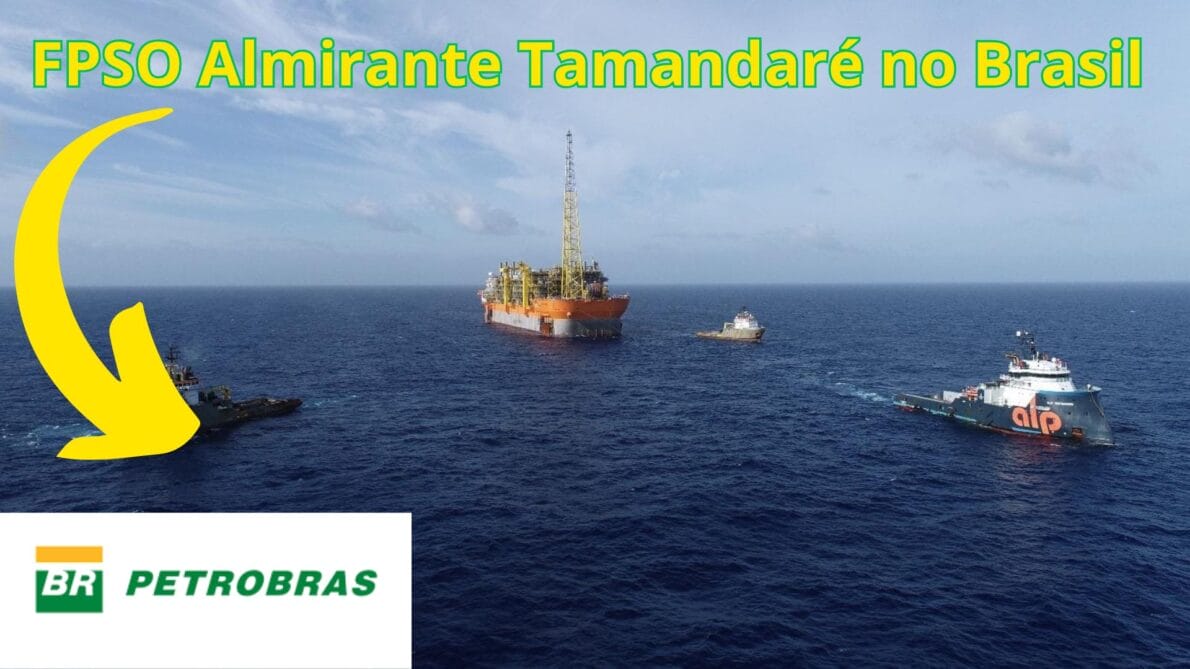

Almirante Tamandaré Boosts Oil Production in Brazil and Strengthens Pre-Salt
The FPSO Almirante Tamandaré, with a production capacity of 225,000 barrels of oil per day (bpd) and 12 million cubic meters of gas, represents a milestone in Brazilian exploration. Filled with cutting-edge technologies for decarbonization and energy efficiency, the unit arrived in Brazil to operate in the Búzios Field, in the Santos Basin, on the coast of Rio de Janeiro.
FPSO Almirante Tamandaré: The Largest Reinforcement for Oil Production in the Pre-Salt
The Almirante Tamandaré platform is the latest addition to Brazil’s offshore infrastructure portfolio. It is a floating production unit (FPSO), whose high capacity highlights the country’s advancement in pre-salt exploration, consolidating it as one of the leading global players in the oil and gas sector. This FPSO came directly from China, where it was manufactured by the CMHI shipyard, and is the first unit with this capacity in the Búzios Field, one of the most promising oil and gas reservoirs in Brazil.
With its arrival in the country, the Almirante Tamandaré will join five other platforms already operating in the area: FPSOs P-74, P-75, P-76, P-77, and Almirante Barroso, strengthening the potential of Brazil’s pre-salt.
-
A major turn in the Justice system suspends tax increases and directly impacts oil and gas companies in Brazil by affecting costs, contracts, and financial planning, leaving uncertain what could happen to the sector if these costs had increased.

-
Brava Energia begins drilling in Papa-Terra and Atlanta and could change the game by reducing costs in oil while increasing production and strengthening competitiveness in the offshore market.

-
Petrobras surprises the world again by announcing a new discovery in the pre-salt with excellent quality oil.

-
Offshore industrial demand in Macaé skyrockets with the recovery of oil and gas and could grow by up to 396% by 2026 in the Campos Basin.
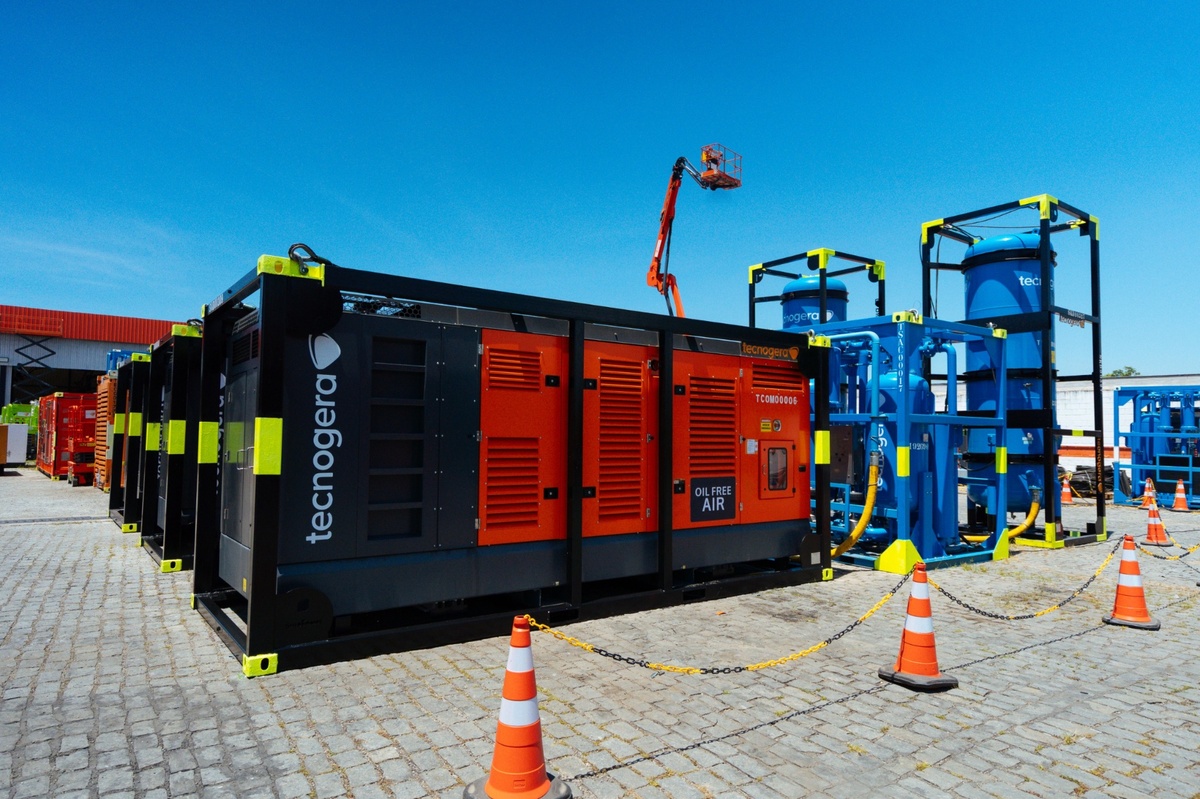

Key Features of the FPSO Almirante Tamandaré:
- Production Capacity: Up to 225,000 barrels of oil per day (bpd).
- Natural Gas Processing: Up to 12 million cubic meters daily.
- Sustainable Technologies: Emission control equipment and heat recovery systems.
- Origin: Manufactured at the CMHI shipyard in China and transported to Brazil.
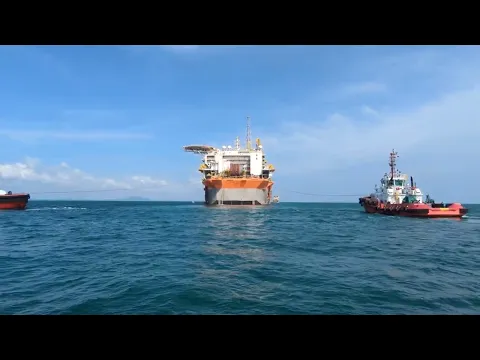

Búzios and Strategic Importance in the Pre-Salt of the Santos Basin
The Búzios Field, where the Almirante Tamandaré platform will be installed, is the largest pre-salt field in production in Brazil and one of the largest in the world in exploration potential. Located in the Santos Basin, near the coast of Rio de Janeiro, this field has estimated reserves in billions of barrels of oil equivalent. Exploration in the Búzios Field not only benefits the local and national economy but also strengthens Brazil as one of the largest oil producers in the world.
With the increase in production capacity thanks to units like the FPSO Almirante Tamandaré, Brazil can approach new global markets and strengthen its position in the energy sector. For Petrobras, the main operator in the field, this platform means more efficiency, continuous large-scale production, and return on investment.
How the Technology of FPSO Almirante Tamandaré Reduces Environmental Impacts
In addition to its high production capacity, the FPSO Almirante Tamandaré incorporates technologies aimed at sustainability and reducing greenhouse gas emissions, aligning with global trends in energy production with lower environmental impact. These technologies include:
- Closed Flare System: Unlike conventional platforms, the Almirante Tamandaré has a gas flaring system called “closed flare,” which prevents the release of large volumes of unused natural gas into the atmosphere. This drastically reduces CO₂ emissions, contributing to the industry’s decarbonization efforts.
- Heat Recovery: Another innovation is the heat recovery system, which uses the heat generated by operations to power equipment, reducing the need for additional energy and improving the platform’s energy efficiency.
- Advanced Processing Technologies: The FPSO also features modern systems for water and gas treatment, allowing for a more efficient use of the natural resources extracted.
These elements reinforce Petrobras’ and other operators’ commitment to seeking more sustainable production methods, a growing priority in the face of climate change and the demands of investors and regulators.
Importance of the FPSO for Petrobras’ Expansion and Brazilian Oil Production
The installation of the FPSO Almirante Tamandaré is also part of a broad strategy by Petrobras to expand its oil and gas production capacity, especially in high-productivity areas like the pre-salt. This platform, by joining five other already installed units, will expand the total production of the Búzios Field, increasing Brazil’s competitiveness in the international energy market.
Petrobras has invested in FPSO technology for its versatility and ability to operate in deep waters, where the pre-salt fields are located. With the Almirante Tamandaré, Brazil not only boosts its production capacity but also integrates new sustainable operational practices, aligned with the company’s greenhouse gas reduction goals.
Advancements in FPSOs: Trends and Future Investments in Brazil
The FPSO Almirante Tamandaré is part of a global movement towards the use of floating platforms for operations in ultra-deep and hard-to-access waters. Petrobras has invested billions in FPSO technology, and this venture has proven effective in fields like Búzios. FPSO platforms have been favored by operators worldwide due to their advantages in flexibility, lower installation costs in deep waters, and greater storage capacity.
In Brazil, where pre-salt oil reserves have attracted the attention of major investors, FPSO platforms are playing a crucial role. The expectation is that new platforms will be launched in the coming years to meet the increasing demand. Petrobras already has plans for the construction and installation of new FPSO units, which will further strengthen the national oil and gas sector.
What to Expect for the Future of the Oil and Gas Sector in Brazil
The development of pre-salt infrastructure, including platforms like the Almirante Tamandaré, indicates a promising future for the oil and gas sector in Brazil. This growth is expected to generate jobs, regional development, and revenues that can be reinvested in strategic areas of the economy. Furthermore, advancements in sustainable technologies for oil and natural gas exploration and production make Brazil an example of responsible development in the energy industry.
In addition to the Búzios Field, the pre-salt has other fields with significant potential awaiting new technologies for more efficient and safe exploration. With the continuous advancement of offshore technologies, the country will be better positioned to lead the sustainable energy market, exporting not only oil but also innovative energy production practices.
The arrival of the FPSO Almirante Tamandaré marks a new phase for the Brazilian offshore industry, particularly in the context of the pre-salt in the Santos Basin. With an impressive capacity of 225,000 barrels of oil per day and cutting-edge sustainable technologies, this platform represents a significant advancement for Petrobras and the oil and gas sector in Brazil. It boosts national production capacity, stimulates the economy, and helps to consolidate Brazil as a relevant player in the global energy market.
Investments in FPSO platforms, such as the Almirante Tamandaré, demonstrate that the country is not only seeking greater productivity but also sustainability and technological innovation. With more units planned for the coming years, Brazil will continue to lead the exploration of the pre-salt, playing a prominent role in global energy production.









Falou um monte e não disse nada.
Veio diretamente da China. Engenheiro brasileiro só serve para dirigir Uber. Triste pais.