





 Portuguese
  English
  Spanish
  3 min of reading


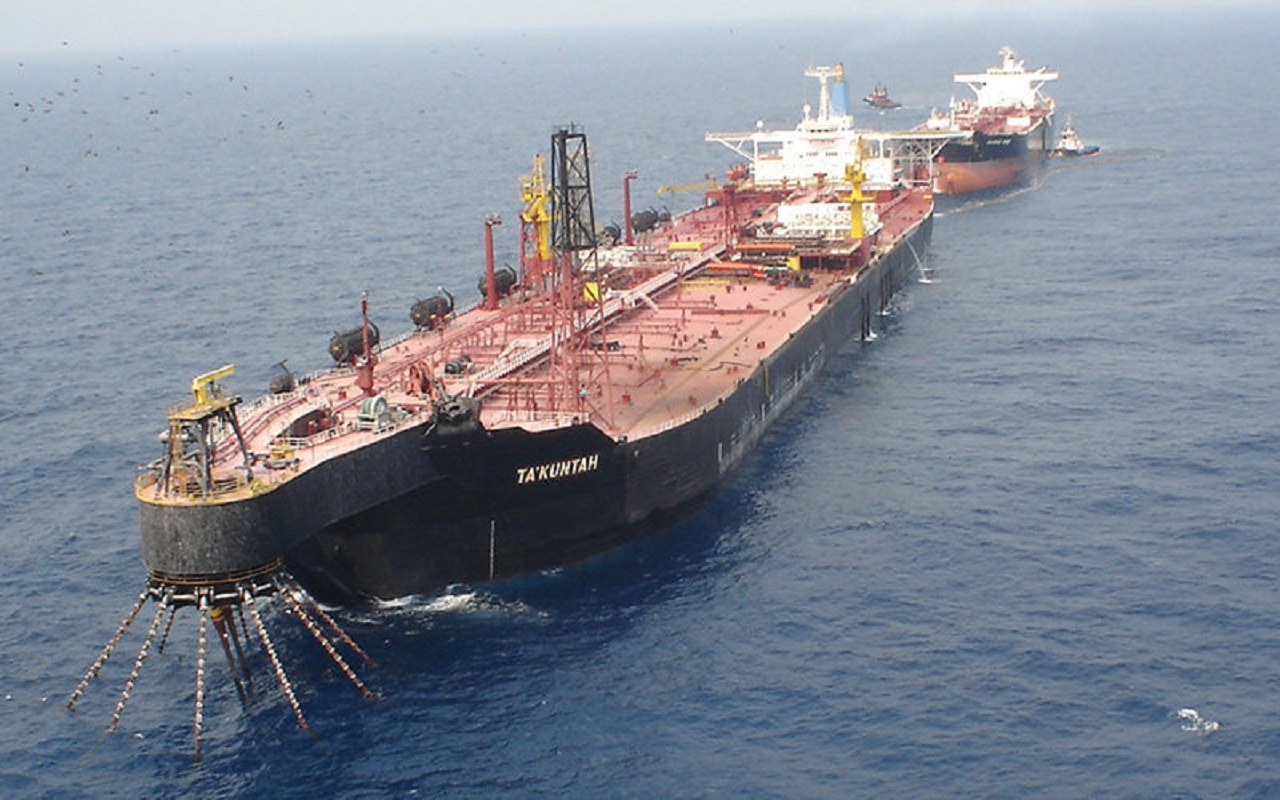
The Modec FPSO MIAMTE MV34 Achieved Its First Oil Production in the Gulf of Mexico. The Unit Can Handle 90 Thousand Barrels of Oil Per Day and Features Innovative Technology from the Offshore Industry
Modec announced on Thursday (10) that its vessel operating in the Offshore Area I block in the Gulf of Mexico, the FPSO MIAMTE MV34, achieved its first oil production last month. This is the company’s first project for the energy integrated subsidiary of Eni, Eni Mexico. Modec was selected in 2018 by the subsidiary to provide, charter, and operate the FPSO in the Offshore Area 1 block, operated by the company.
Related Articles
- FPSO Cidade de Anchieta Has Been Halted Since January 22 After Two Holes Were Identified in the Platform Hull, Causing Oil Leakage on the Coast of Espírito Santo
- Multinational Modec Is Hiring for Onshore and Offshore Positions; Mechanical Technicians, Engineers, Assistants, Firefighters, and Supervisors Are Needed
- MODEC Calls for Candidates Without Experience in Engineering, Law, Technology, and More for Internship Positions in Rio de Janeiro, Santos, and Macaé
- Enauta Invests US$ 1.2 Billion and Hires Yinson to Adapt FPSO OSX-2, Platform of the Definitive System of the Atlanta Field
- FPSO Cidade de Itajaí Completes Nine Years of Operation and Reaches 1 Million m³ of Oil Produced in the Santos Basin Since Chartering Contracts with the Australian Karoon
Modec FPSO Is Capable of Moving 90 Thousand Barrels of Oil Daily
The contract between the companies will last for 15 years, with an option for extension each year, potentially reaching up to 20 years. The FPSO in the Gulf of Mexico is anchored in water depths greater than 30 meters and is located about 10 km from the Mexican coast.
The Modec FPSO has the capacity to move 90 thousand barrels of oil daily, inject 120 thousand barrels of water per day, handle 75 million cubic feet of gas daily, and also has a storage capacity of 700 thousand barrels of oil. The company’s vessel is unprecedented in the industry as it features a disconnectable tower mooring system.
-
Lula reveals a masterstroke by Petrobras to undo a deal made by Bolsonaro, which involves the return of an important refinery that currently produces less than half of what was expected and makes Brazil dependent on international diesel.
-
A study confirms that the natural gas sector will reduce greenhouse gas emissions in Brazil by 0.5% and accelerate the energy transition by 2026.

-
Petrobras implements a severe adjustment and confirms a 55% increase in the price of aviation kerosene with a proposal for installment payments for the companies.

-
The rise in oil prices could ensure an extra revenue of R$ 100 billion for the Federal Government, indicates a recent economic study.


Learn More About the Technology on the Modec FPSO
Modec’s oil and gas vessel features the cutting-edge DTYMS system, designed to allow it to moor in shallow waters, as well as permit the company’s vessel to disconnect from mooring and leave the area to avoid hurricanes and winter storms, which are very common in the Gulf of Mexico.
The system was developed by SOFEC, a company within the Modec group. The mooring jacket was produced in Altamira. The oil FPSO is the second maintenance and operations project for the company in Mexico. According to Soichi Ide, President and CEO of MODEC Offshore Production Systems, the company is pleased to support its client in the Gulf of Mexico.
Modec also emphasizes that the vessel is the first to arrive in the area this year and the company takes pride in this achievement. The successful delivery of the project paves the way for new endeavors in the Gulf of Mexico. It was possible to overcome the challenges imposed by the pandemic and others due to the support of its clients, contractors, partners, vendors, suppliers, and the team that worked on the project, among others.
About MODEC
Founded in the late 1960s, MODEC is a general contractor specializing in supply, engineering, construction, and installation of production systems such as FPSOs, FSOs, TLPS, MOPUs, among other technologies that meet the demands of oil and gas production.
The company is headquartered in Tokyo, Japan, and its main offices are in Tokyo, Singapore, and Houston. The company also has regional offices located in Angola, China, Australia, Brazil, Ivory Coast, Mexico, Ghana, and Vietnam, and has 2,500 employees spread across 25 countries.









Seja o primeiro a reagir!