





 Portuguese
  English
  Spanish
  3 min of reading
  0 comments


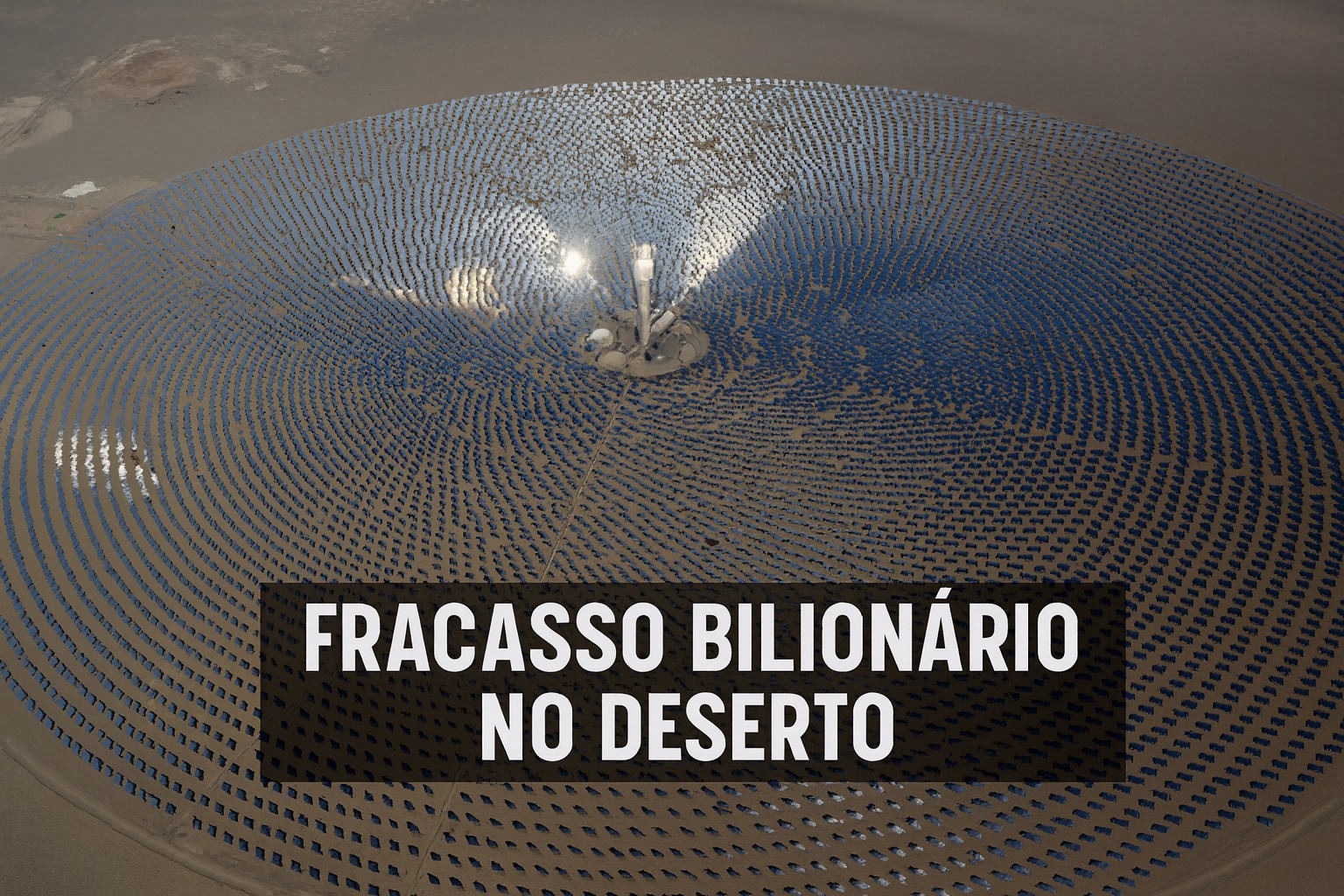
Crescent Dunes Was Born With A Billion-Dollar Promise To Transform Renewable Energy In The United States, But Faced Technical Failures, High Costs, And Lost Ground To Photovoltaics
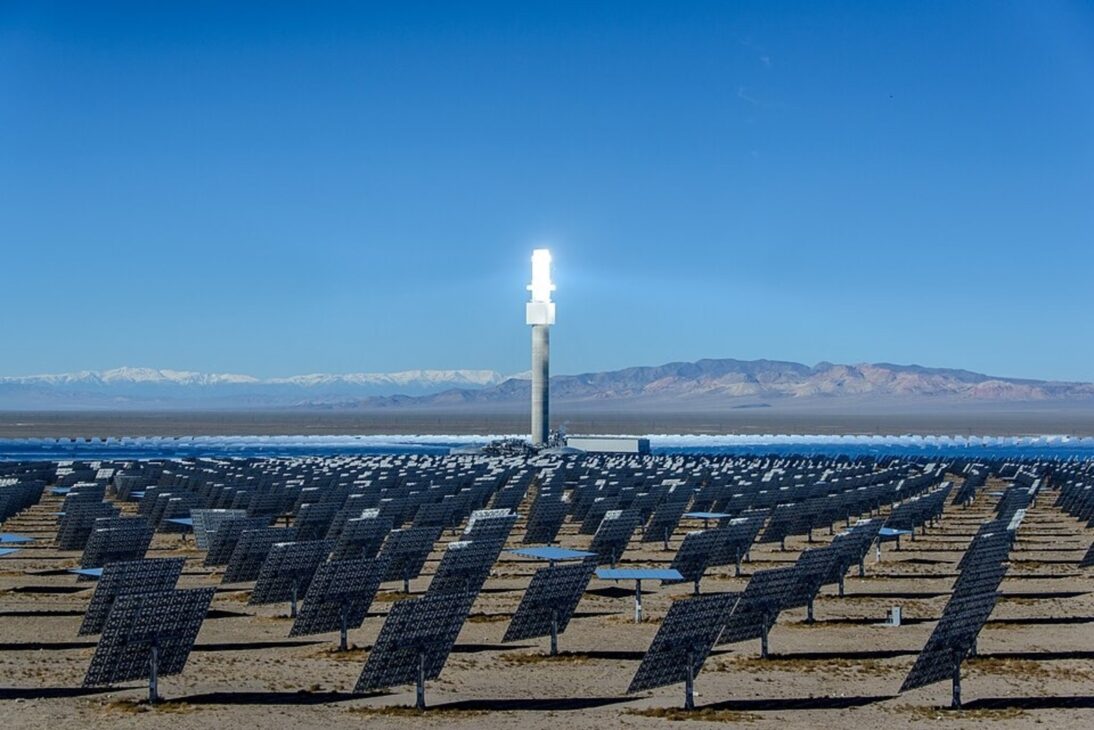
Ten years ago, Crescent Dunes emerged as a promise to transform the renewable energy landscape in the United States. Located in the Nevada desert, the plant drew attention for its bold structure: 10,347 mirrors reflecting light to a 200-meter tall central tower. With this, it aimed to provide clean energy to more than 100,000 people, becoming a global reference.
This was not an ordinary project. Crescent Dunes was the second plant in the world to use molten salt storage, following the Spanish model of Gemasolar.
The total investment reached around 1 billion dollars, a figure that reinforced the high expectations placed on the initiative.
-
The Brazilian state accelerates industrial competitiveness with a focus on the extraction of strategic minerals to boost the energy transition in Goiás.
-
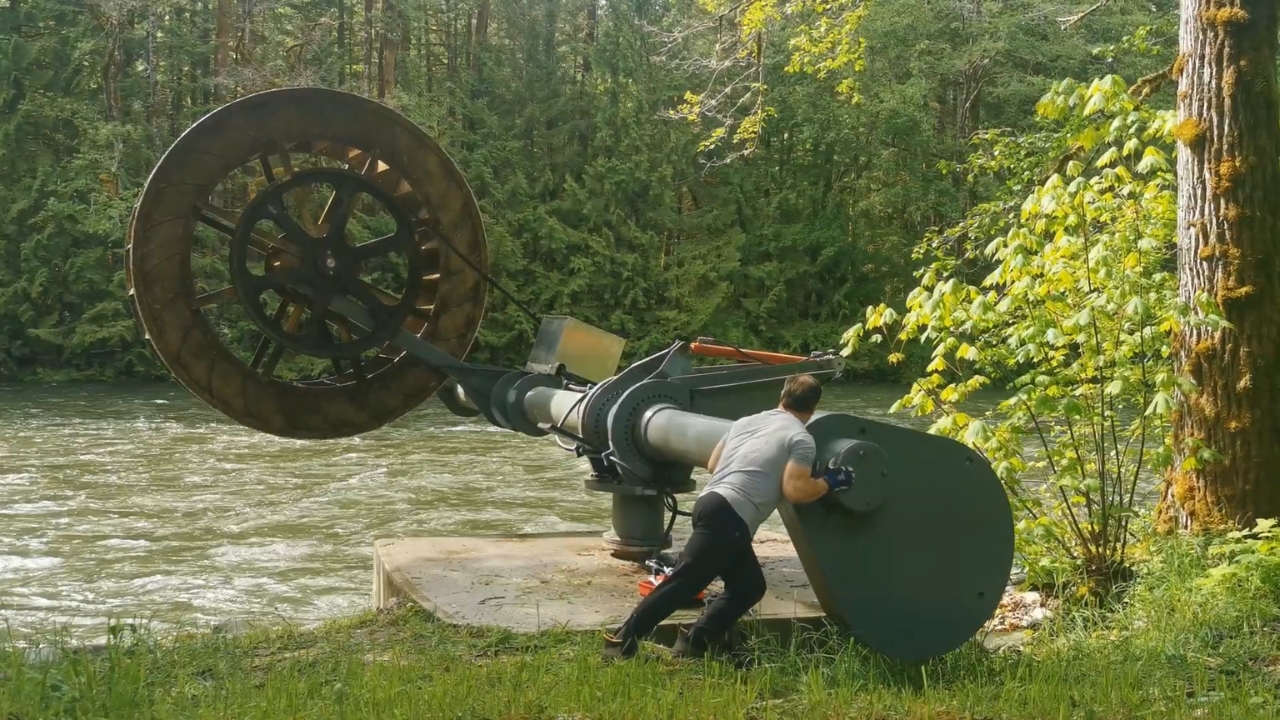
A Canadian retiree creates a hydroelectric system on a real river, generating energy continuously throughout the day and demonstrating how the power of water can supply a house with stability even in a simple structure.
-
Petrobras reaffirms its commitment to the market and ensures that it will carry out the energy transition safely to maintain national sovereignty.

-
Researchers discover a possible hydrogen deposit of up to 46 million tons beneath an ancient coal basin, and the volume could exceed half of the entire global production.


A Million-Dollar Investment
The project was led by the California-based SolarReserve, which managed to attract large investors. Among them were Warren Buffet and Citigroup. In addition, the plant benefitted from loans backed by the U.S. government.
To consolidate its operation, SolarReserve signed a contract with NV Energy. The goal was to deliver 500,000 MWh annually for 25 years.
Therefore, there was an expectation of stable, long-term supply, which was crucial for consolidating the renewable energy sector.
However, the numbers remained on paper. High maintenance costs and salaries prevented the operation from achieving economic viability.
Moreover, the energy generated was not cheap, which reduced competitiveness against other sources.
Disputes And Bankruptcy
In 2019, NV Energy filed a lawsuit against SolarReserve for breach of contract. The investors, also dissatisfied, sued the company for mismanagement.
The situation worsened rapidly. The following year, Crescent Dunes was declared bankrupt and was ultimately expropriated by the government.
Among the accusations, Bill Gould, co-founder of SolarReserve, blamed the Spanish company ACS Cobra. According to him, the company designed a defective storage tank, compromising the plant’s efficiency.
In addition, the technology itself faced evident limitations.
The Obsolescence Of CSP
When Crescent Dunes was inaugurated in 2015, concentrated solar power (CSP) was already losing relevance.
Unlike photovoltaics, which converts light directly into electricity, CSP uses mirrors to concentrate heat in molten salts.
In practice, this solution presented very high costs. For instance, each MWh of CSP cost around 135 dollars. Meanwhile, photovoltaic energy, increasingly accessible, could be acquired for less than 30 dollars per MWh.
Therefore, the Crescent Dunes model became less attractive. Although it offered flexibility in thermal storage, it could not compete on price.
An Uncertain Future
In 2021, ACS took over management and reopened the plant. A new contract with NV Energy was also signed.
Despite this, results remain modest. In 2022, production was only 80,236 MWh, far from the initial target of half a million MWh annually.
Today, Crescent Dunes is viewed more as a warning. The history of the plant shows how billion-dollar promises can turn into resounding failures when technology does not keep pace with the evolution of the sector.
With information from Xataka.








-

Uma pessoa reagiu a isso.