





 Portuguese
  English
  Spanish
  4 min of reading
  0 comments


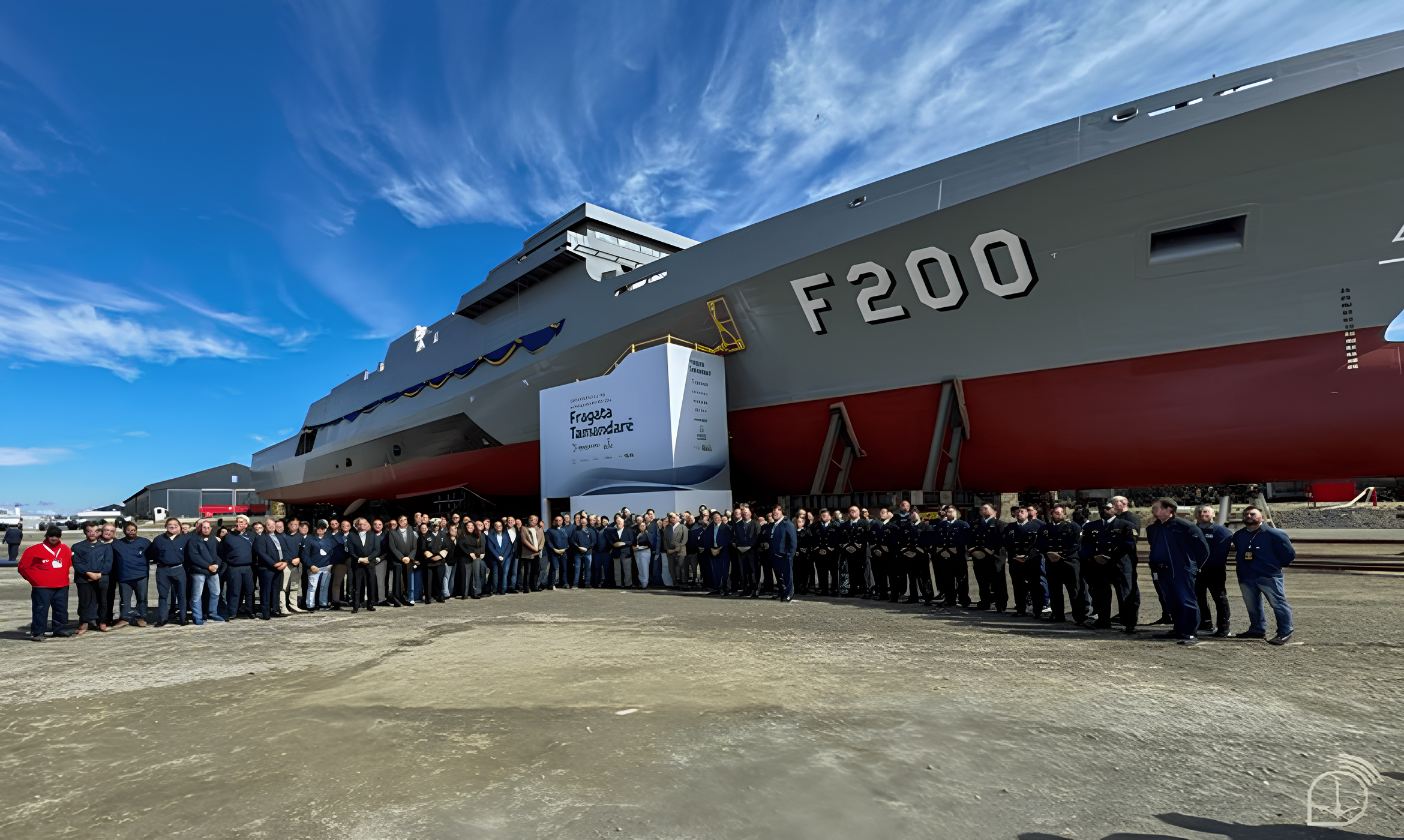
Tamandaré Frigate Is The Most Modern Ship Of The Brazilian Navy, With Anti-Submarine Sensors, Stealth And Digital Command. Brazil Strengthens Coastal Defense And Enters A New Naval Era With Delivery Scheduled For 2025.
The Brazilian Navy is about to inaugurate a new chapter in the history of national defense with the arrival of the Tamandaré Frigate — a modern military ship designed to patrol the South Atlantic with high technology on board, submarine detection capability, and preparedness to face aerial, naval threats, and environmental crimes. Scheduled for delivery in December 2025, the vessel is the most advanced ever built in the country and represents a strategic milestone in the evolution of the Brazilian naval force.
The Tamandaré Frigate project is more than a response to the increasing demands for security in the Brazilian jurisdictional waters: it symbolizes the capacity of the national industry to develop complex defense systems, while strengthening sovereignty and coastal control in one of the largest coastlines in the world.
Brazilian Navy Advances In Coastal Defense With State-Of-The-Art Military Ship
With 4,500 tons, sophisticated sensors, and significant firepower, the Tamandaré Frigate is the first of four ships ordered by the Navy and built at the shipyard in Itajaí (SC), by the Specific Purpose Society Águas Azuis — a strategic partnership between the German Thyssenkrupp Marine Systems (TKMS), Embraer Defense and Security, and Atech.
-
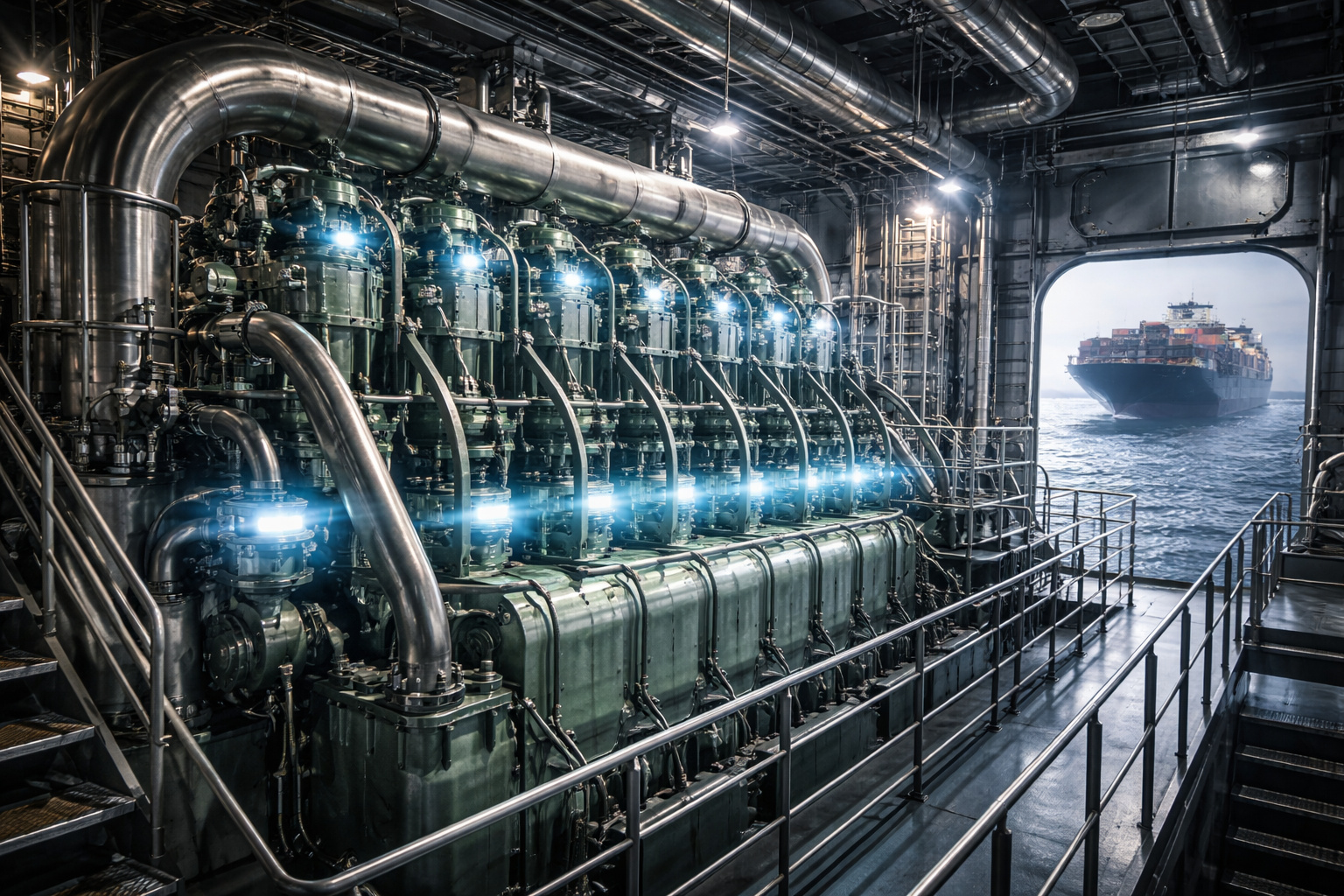
Europe is trying to create an ammonia-powered marine engine without auxiliary fuel, which could unlock the race for giant emission-free ships. The technology aims to eliminate one of the biggest obstacles to clean maritime propulsion.
-
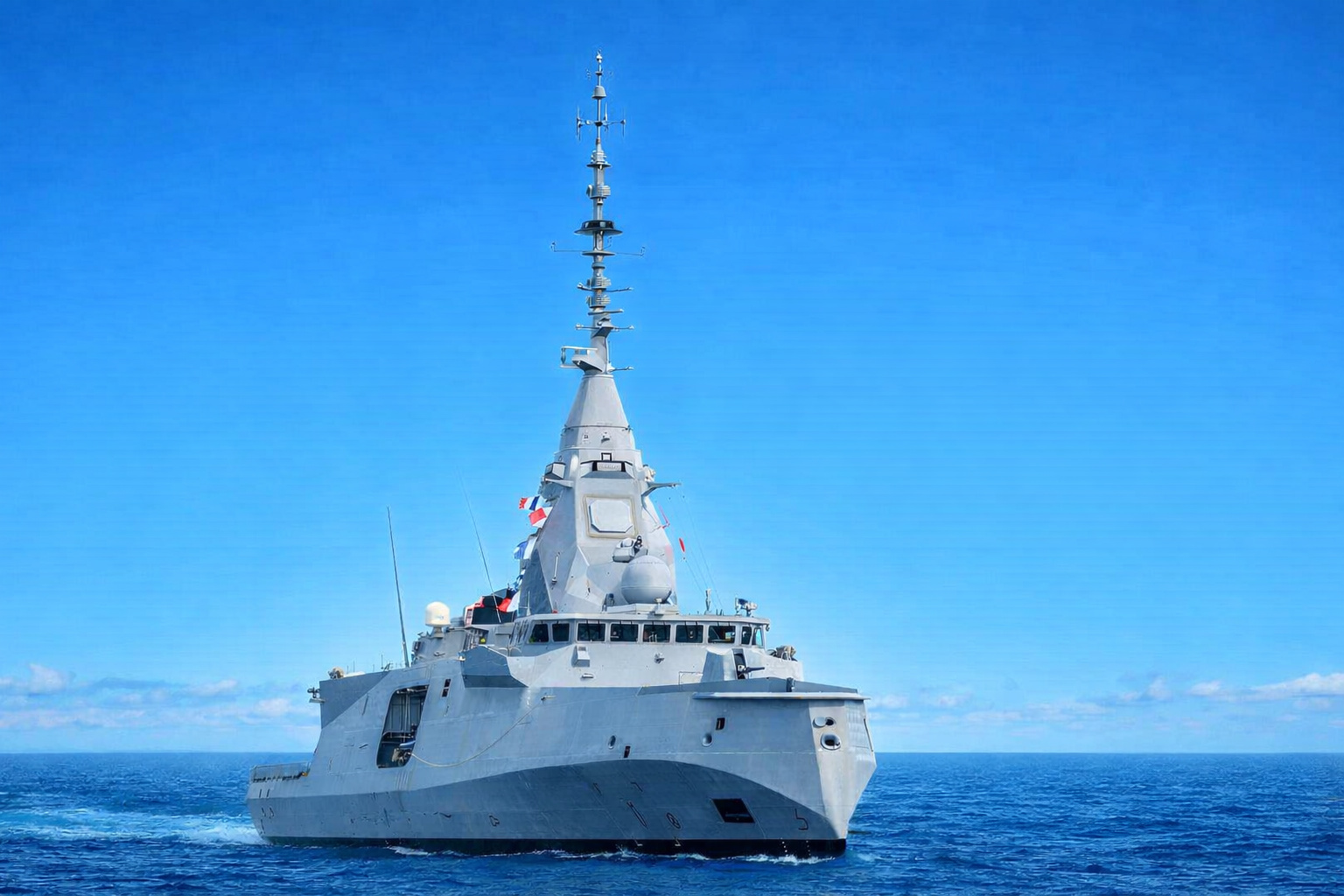
A 4,500-ton frigate with just over 100 crew members, state-of-the-art radar, and cruise missiles is being touted as the new standard of naval warfare in the 21st century.
-
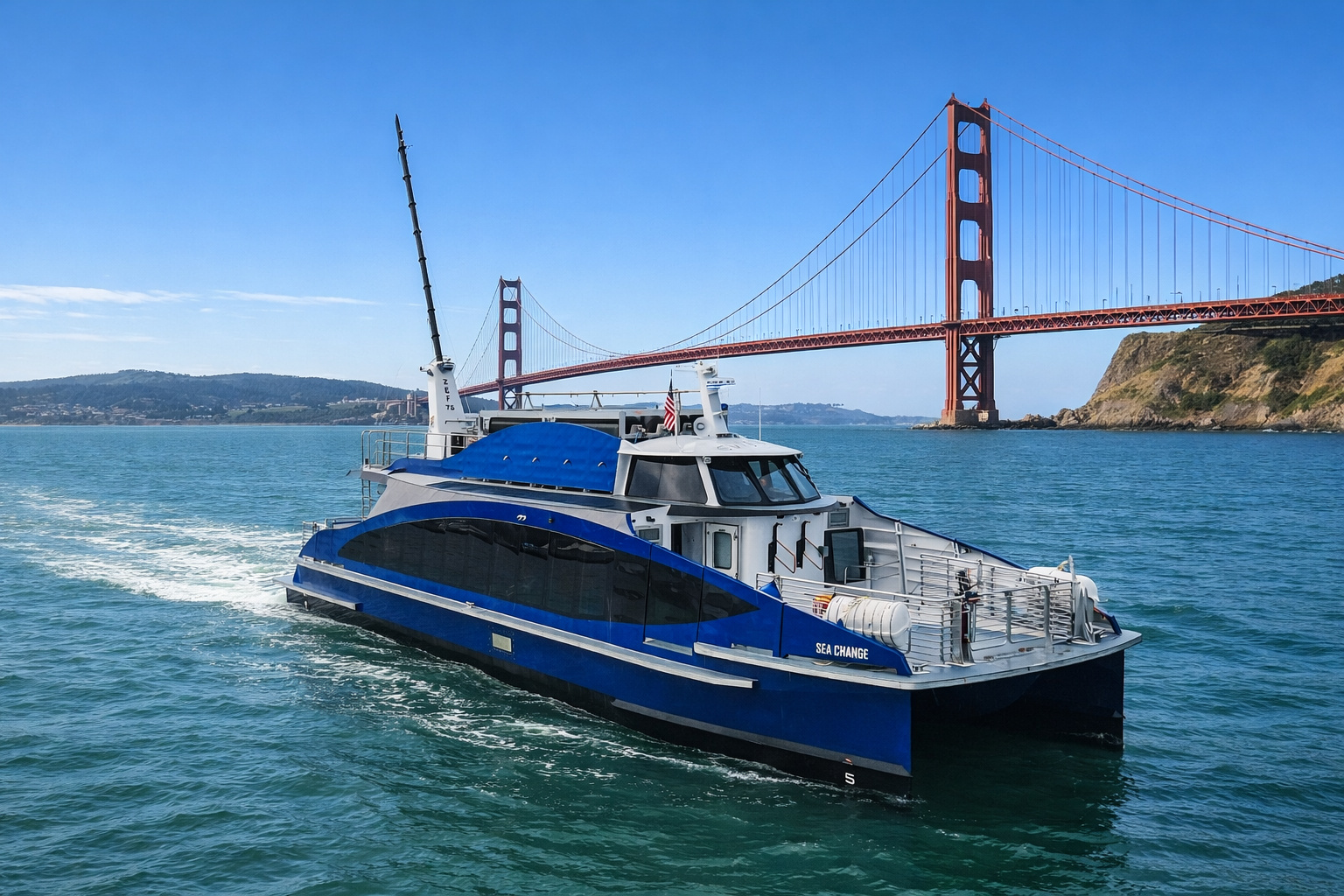
The first commercial hydrogen-powered ferry enters operation in the U.S., eliminates the use of diesel, uses fuel cells to generate clean energy on board, and transforms San Francisco Bay into a landmark of the new era of emission-free navigation.
-
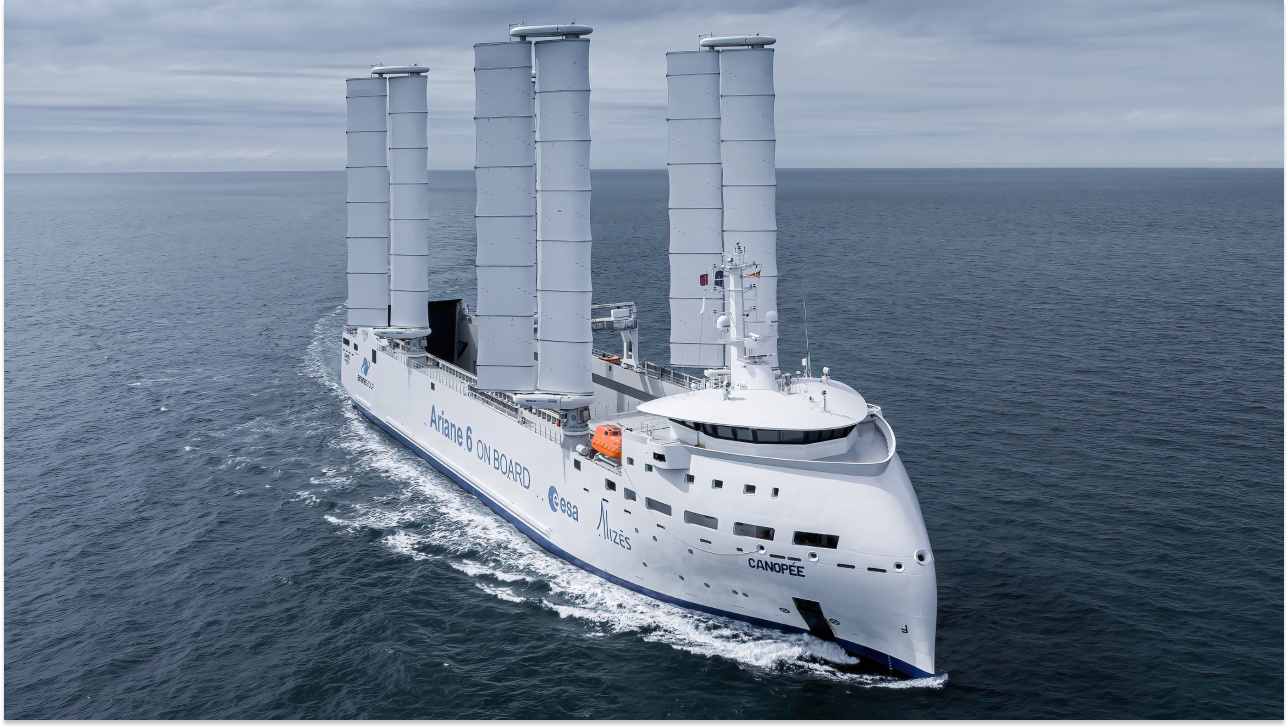
With a length of 121 meters and four rigid sails of 36 meters that automatically rotate to capture the wind, Canopée is the world’s first hybrid industrial cargo ship powered by wind, used to transport rockets and reduce fuel consumption by up to 30% on transoceanic routes.
Designed to operate in multiple scenarios, the frigate is prepared to combat submarines, surface vessels, missiles, and aircraft, in addition to performing actions against piracy, illegal fishing, and environmental crimes.
Its range of capabilities also includes maritime traffic monitoring, pollution control, and support in emergency situations.
Cutting-Edge Naval Technology: Sensors, Stealth And “Digital Twin”
The Tamandaré Frigate incorporates cutting-edge technologies developed with a focus on operational efficiency, stealth, and real-time monitoring. One of the project’s differentiators is the exhaust system at the waterline — unlike traditional chimneys — which significantly reduces the ship’s thermal and visual signature, making it harder for enemy radars to detect.
Moreover, each physical ship has a “digital twin”: a virtual replica based on sensor data and systems engineering that allows for simulations, diagnostics, and predictive maintenance. This innovation aligns the Navy with the most advanced armed forces in the world, which already use “digital twins” in submarines and fifth-generation fighters.
Another highlight is the centralized command and control system, developed with Brazilian technology, which acts as the ship’s “brain,” coordinating all propulsion, radar, weapons, and communications systems. The integration between hardware and software ensures quick and accurate responses in real or simulated combat scenarios.
Tamandaré Frigate Strengthens Maritime Combat In Times Of New Threats
The strategic importance of the project goes beyond reinforcing the fleet. With the advancement of transnational criminal networks, drug trafficking, and illegal exploitation of natural resources on the Brazilian coast, the presence of ships like the Tamandaré is essential to consolidate sovereignty in sensitive regions such as the Amazon River mouth, pre-salt areas, and environmental protection areas.
Capable of operating helicopters, drones, and medium and long-range weapons, the frigate offers flexibility in patrols and interception missions. Its submarine detection capability, combined with cutting-edge acoustic sensors and sonars, also strengthens the deterrence of non-visible threats — such as hostile submarines or stealthy vessels.
Brazil Invests In Training Highly Specialized Crew Members
To operate a ship of such complexity, the Navy began in 2024 the training of specific crews for the Tamandaré class. The training includes simulations with the command system, automated maneuvers, sensor reading, and coordination of missiles and armaments.
The first class, with 20 military personnel, is already in the qualification phase, and by the end of 2025, another 136 crew members will also be prepared to join the vessel. The goal is to ensure efficient operation from the first day of active service, as well as to form an operational elite capable of disseminating knowledge to the three other frigates that will be delivered by 2029.
National Naval Technology Boosts Industry And Creates Jobs
Beyond the strategic impact, the Tamandaré Class Frigates Program also stimulates the economy. The construction of the ships generates about 2,000 direct jobs and thousands more indirectly, fostering the national shipbuilding industry and the productive chain linked to defense technology.
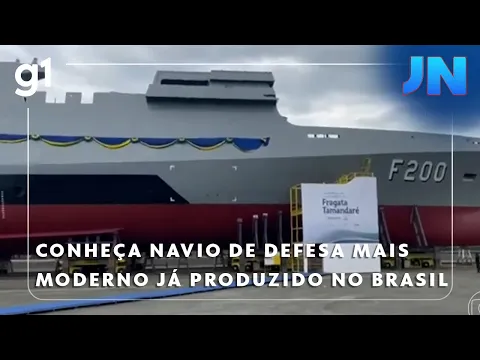

According to the CEO of SPE Águas Azuis, Fernando Queiroz, the project is “comparable to assembling a large onion”: each section is integrated from blocks that receive engines, hulls, armaments, and electronics in simultaneous stages. This method allows for greater precision and efficiency, with logistical gains for future maintenance and upgrades.
The program also paves the way for national mastery of critical technologies, with knowledge transfer from TKMS to the Navy and partner companies. This mastery will be essential to ensure technical independence in future fleet expansions and modernizations.
Brazil Designs Presence In The South Atlantic With New Class Of Ships
With the commissioning of the Tamandaré Frigate, Brazil will take a qualitative leap in its naval projection capability.
This means not only protecting jurisdictional waters but also participating in international peace missions, maritime security, and regional cooperation — especially in the South Atlantic, where the country plays a strategic leadership role.
The Tamandaré class will gradually replace the Niterói class frigates, which have been in operation since the 1970s. The new model offers greater combat capability, more modern sensors, optimized fuel consumption, and embedded systems based on modular architecture, allowing for future upgrades without major renovations.







-

Uma pessoa reagiu a isso.