





 Portuguese
  English
  Spanish
  5 min of reading
  0 comments


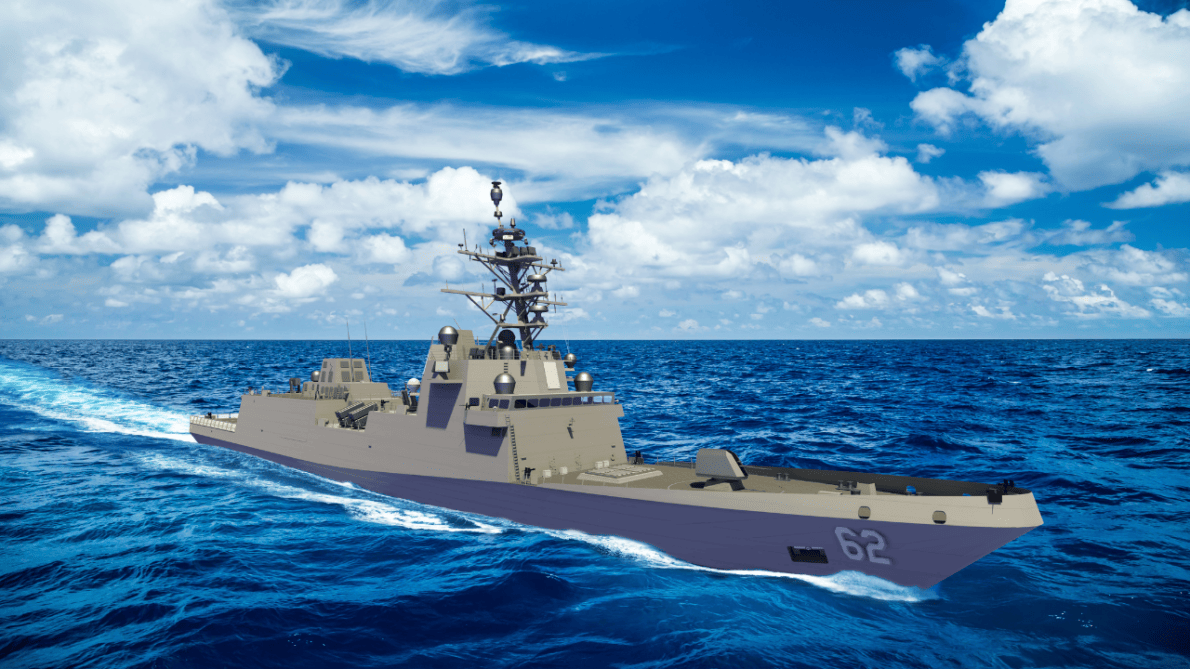
Construction Of The Constellation Class Lead Ship Is Only 10% Completed After Almost Three Years, Raising Questions About Schedule, Costs And Viability Of The US Naval Program.
The first frigate of the Constellation class, the main bet of the United States Navy to renew its escort fleet, is only 10% completed — more than two years after the start of the construction and almost five since the signing of the initial contract.
The data, revealed by representatives of Fincantieri Marine Group during the Sea Air Space 2025 fair, generated strong repercussions among specialists and lawmakers, especially in light of the absence of a fully approved functional design.
The Constellation Frigate Program, designed to accelerate the delivery of ships based on already established European designs, is now suffering from significant delays, increased costs, and questions about its viability.
-
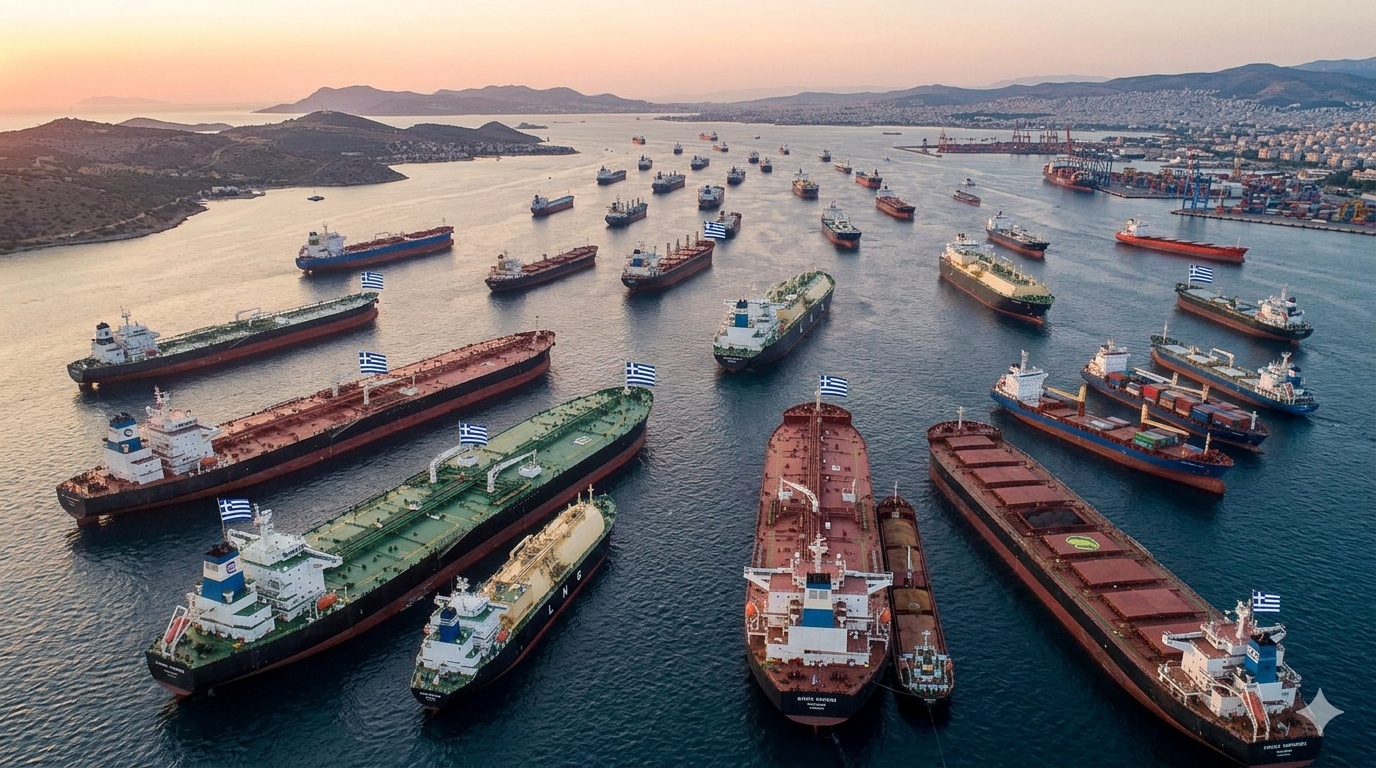
Neither the USA nor China: a small European nation has become one of the largest maritime powers on the planet, controlling one of the largest merchant fleets in the world with thousands of ships and dominating the global transportation of oil and strategic cargo.
-
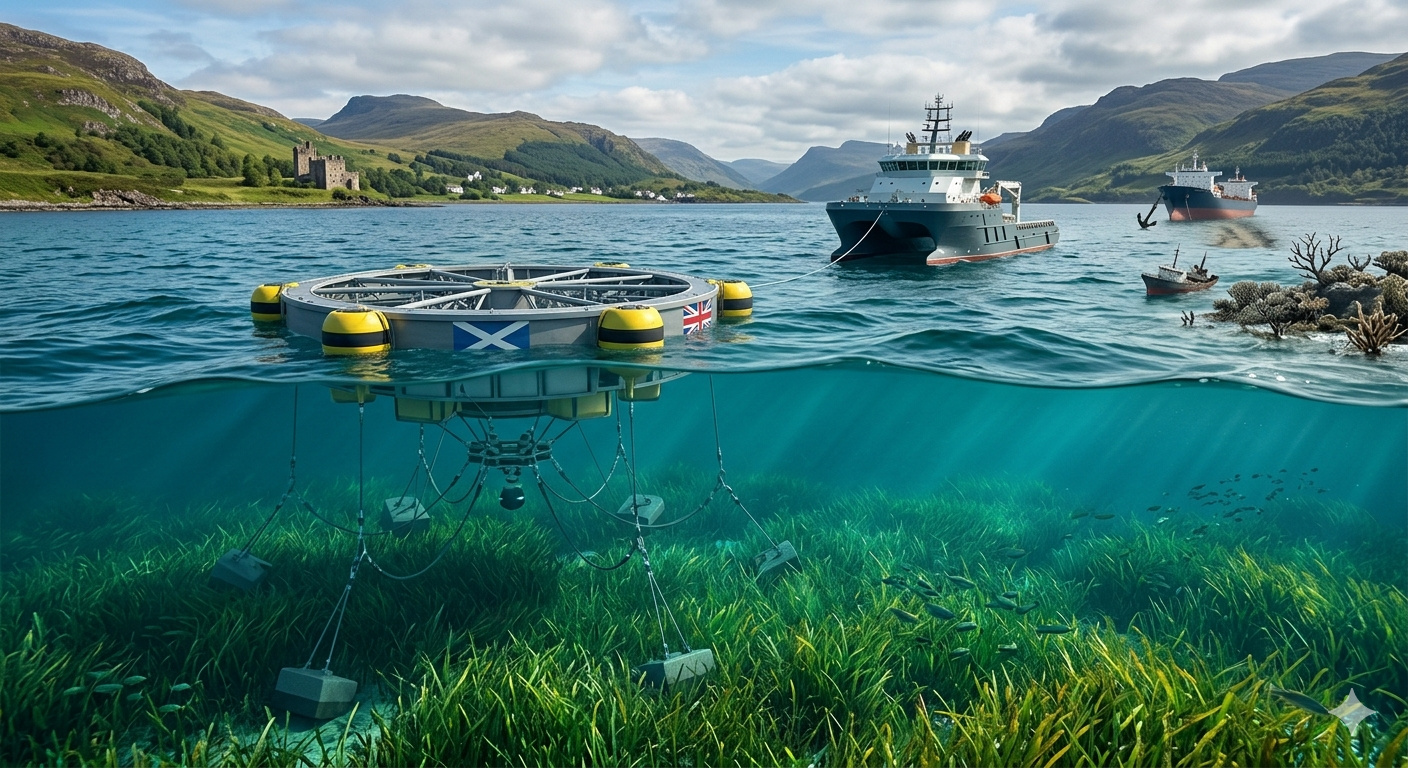
Scotland and the United Kingdom have created a new anchoring system that floats in the water without touching the seabed, after discovering that the current from a conventional anchor destroys up to 50 m² of seagrass meadow per event and that ship-damaged reefs showed no signs of recovery even ten years later.
-
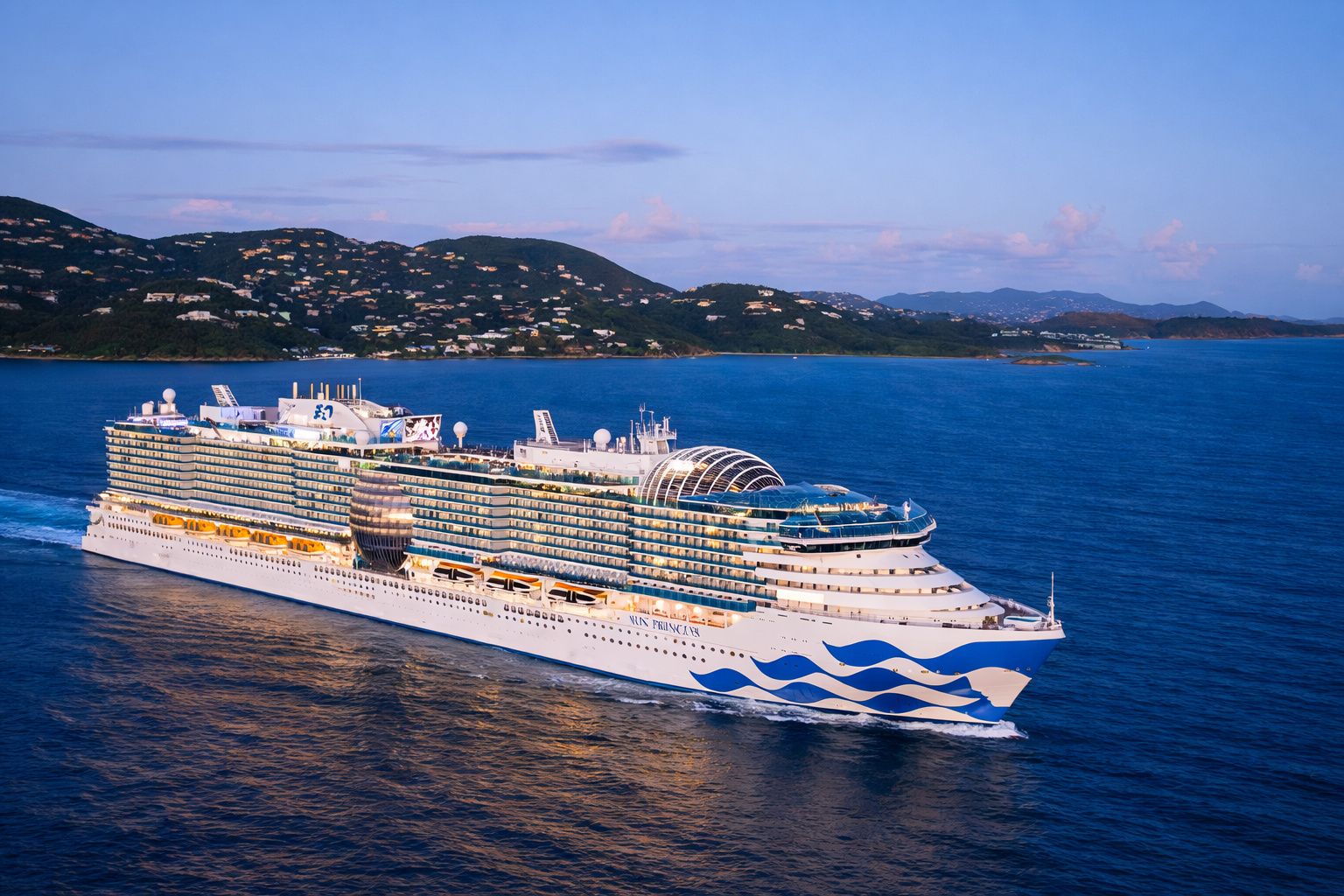
Weighing 175,500 Tons, Measuring 345 Meters Long, and With Capacity for Over 4,300 Passengers, the Sun Princess Becomes the Largest Ship Ever Built by Princess Cruises and Attracts Global Attention for Its Huge Glass Dome Inspired by Santorini’s Architecture Installed on Top of the Vessel
-
TX-10, The Colossus of The Sea: Largest Lifter Ship in The U.S., With Two Giant Barges, 73-Meter Tall Structure, and Strength to Raise 7,500 Tons of Sunken Oil Rigs
Originally, the class would be an adaptation of the European FREMM model, in operation in several navies, with minimal modifications for use by the US Navy. However, the plan has gone off course.
Incomplete Design And Compromised Schedule
Although the construction of the USS Constellation began in August 2022 at the Marinette Marine shipyard in Wisconsin, little physical progress has been recorded.
According to Mark Vandroff, vice president of Fincantieri Marine Group, the functional design of the ship is still in the approval process by the Navy — something that should have been completed at the beginning of construction.
“We are working to finalize the design with the Navy. This has been progressing. We made a lot of progress in the last year and expect to have the functional design completed here by late spring, early summer,” Vandroff told reporters at the naval event.
Design Changes Increase Costs And Delays
The adaptations of the FREMM design for the operational reality of the United States Navy have been much more complex than expected.
The initial proposal anticipated that about 85% of the ship would be based on the European model, with 15% of customizations.
Today, according to Congressman Rob Wittman, the scenario has flipped: “We are at a turning point with the Constellation. We started off saying we would take the FREMM concept, 85% complete, add our 15%, and then go straight into construction. We believe that now [it is] over cost, above budget, because that has flipped. Now, it is 15% of the original design [and] 85% of add-ons,” said the lawmaker, who currently serves as vice chairman of the House Armed Services Committee.
This redirection has caused profound impacts on the schedule. The initial estimate for the delivery of the first ship, which was 2026, has been pushed back to 2029.
Meanwhile, the estimated cost per unit jumped from US$ 1 billion to around US$ 1.4 billion.
The Promise Of The Constellation Frigate Program
When it was launched, the Constellation Frigate Program represented a strategy to accelerate the renewal of the fleet with modern, reliable vessels and lower technical risk.
Baseing the design on a tested ship — such as the FREMM, used by the navies of France, Italy, Egypt, and Morocco — was a way to ensure budgetary and technical predictability.
Additionally, construction on US soil aimed to boost the US shipbuilding industry, which has been severely impacted in recent decades by disinvestment and international competition.
The Marinette Marine shipyard, operated by the Italian subsidiary Fincantieri, was chosen to lead production.
US Naval Industry In Structural Crisis
The Constellation Frigate Program is not an isolated case. The issues faced reflect a broader crisis in the United States naval industry.
The shortage of skilled labor — such as welders, assemblers, and electricians — has hindered the meeting of schedules in various defense programs.
According to Vandroff, the Marinette shipyard has the capacity to build up to two frigates per year. However, the current pace is far from that goal.
“I think we have the same problems that practically everyone else in the American shipbuilding industry has. We would certainly like more workers. We would certainly like more workers in the steel industry. There is a national shortage of welders, shipbuilders, and, to a lesser extent, electricians. We have made progress on this, but that is one of the challenges we are facing, just like any other shipyard,” he pointed out.
The federal government also recognizes the issue. A recent executive order from former President Donald Trump, titled “Restoring US Maritime Dominance,” highlights the decline of the country’s naval industrial capacity and calls for a national plan to regain competitiveness against rivals such as China, which currently accounts for about half of global shipbuilding.
Congress Pressures For Answers And Alternatives
American lawmakers have been expressing increasing concern about the direction of the Constellation Frigate Program.
There are pressures for the Department of Defense to present concrete solutions to reverse the delays and contain costs.
Among the options discussed is the hiring of a second shipyard to assist in production, or even a complete redesign of the project, should the risks become unsustainable.
“The question is: are we at a point where we can quickly recover and get back on track, get back on schedule, get back on budget — I don’t know if it would be possible to invent a schedule – or do you say that maybe we are too far into this and we go in a different direction. The Navy will have to ask that question now. It cannot postpone that to the future,” said Wittman.
The Secretary of the Navy, John Phelan, publicly addressed the issue during Sea Air Space 2025.
In a direct tone, Phelan promised to eliminate inefficiencies and hold those involved in naval program execution accountable.
“We will establish realistic and executable schedules and commit to them. We will eliminate waste and inefficiencies that drain resources without generating results. We will demand accountability from our contractor because every dollar, every day… matters,” said the secretary, signaling increased oversight on the progress of the Constellation Frigate Program.
Uncertain Future For The USS Constellation
With only 10% of construction completed and a design still under approval, the USS Constellation faces an uncertain future. The delivery of the vessel, now scheduled for 2029, depends on overcoming technical, industrial, and political obstacles.
What began as a low-risk initiative has become a classic example of how poorly planned execution can compromise even the best concepts.
The United States Navy will soon have to decide whether to double down on the program or seek alternative routes to meet its need for modern and operational frigates.
The Constellation Frigate Program should have marked a new era for the United States Navy — modern, efficient, and based on internationally tested solutions.
However, the reality points in the opposite direction: failed timelines, inflated costs, weakened industrial structure, and a ship that is progressing at a slow pace.








-

Uma pessoa reagiu a isso.