





 Portuguese
  English
  Spanish
  5 min of reading
  0 comments


FREMM Class Frigates Combine Cruise Missiles, Anti-Submarine Systems, and Advanced Sensors, Becoming One of the Most Modern and Exported Naval Platforms Today.
The technological transformation of modern navies in recent decades has led to the development of increasingly versatile warships. Instead of platforms specialized in just one function, many navies have started prioritizing vessels capable of performing multiple roles simultaneously, including air defense, anti-submarine warfare, surface attack, and maritime surveillance operations.
In this context, the FREMM class (Frégate Européenne Multi-Mission) emerged, a naval project developed in cooperation between France and Italy that has become one of the most advanced naval combat platforms in the world. With a displacement of around 6,700 tons, state-of-the-art sensors, and extensive armament capabilities, these frigates are designed to operate in virtually any modern maritime warfare scenario.
Since their introduction, the FREMM class has stood out not only in European navies but also in the international military ship export market.
-
Few people know, but “mega burst” attacks from the A-10 in the Middle East are intriguing analysts and even experienced former pilots of the U.S. Air Force.
-
Manufactured in Brazil and exported to Saudi Arabia and Malaysia, the ASTROS system is renamed as Fogos in 2026, gaining AI, cruise missiles with a range of 300 km, and air defense costing R$ 3.4 billion, transforming a launcher from the 1980s into the most ambitious multidomain platform in Latin America.
-
The largest military aircraft ever produced in Brazil, the KC-390 Millennium can carry up to 26 tons, refuel fighter jets in flight, and has already been exported to Europe and Asia, placing the country in the select group that designs and sells large military aircraft worldwide.

-
FAB loses Hermes 900 drone during multinational exercise in Mato Grosso do Sul and is left with only one active aircraft, raising concerns about operational fragility and strategic response capability.

The FREMM Program Originated from Naval Cooperation Between France and Italy
The FREMM program was launched in the early 2000s as a result of cooperation between Naval Group (France) and Fincantieri (Italy). The goal was to develop a new generation of frigates capable of replacing older ships and offering greater operational flexibility.
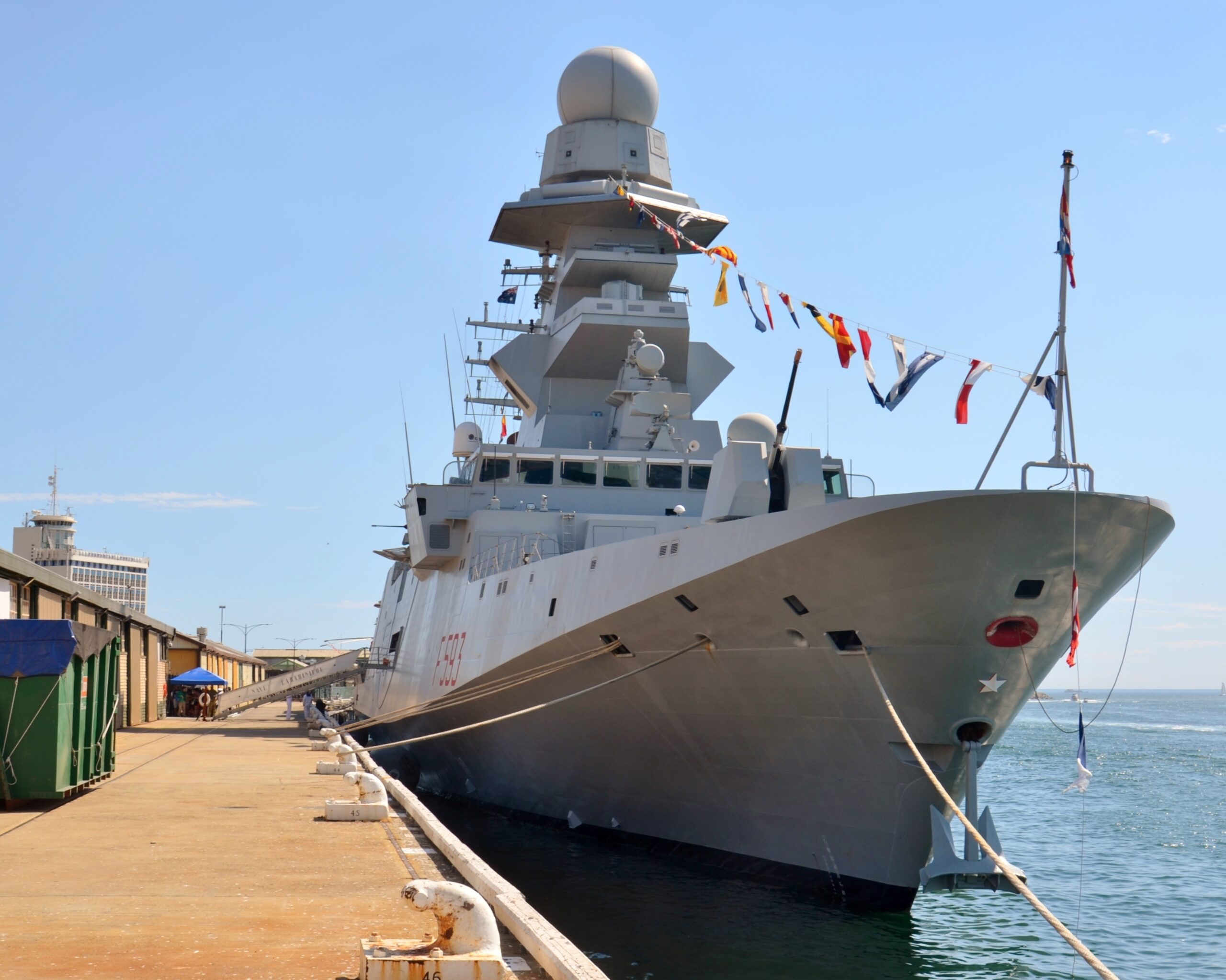
The acronym FREMM stands for Frégate Européenne Multi-Mission, reflecting the central philosophy of the project: to create a naval platform capable of executing different types of missions without the need for multiple specialized ships.
The first units began to enter service in the late 2000s. Since then, several versions have been built to meet the various operational needs of the navies that operate this type of vessel.
Dimensions and Structural Characteristics of the FREMM Class
The FREMM frigates have dimensions that place them among the largest warships of their category. The main structural parameters include:
- Approximate displacement of 6,500 to 6,700 tons
- Length of about 142 meters
- Beam of approximately 20 meters
- Maximum speed exceeding 27 knots
- Range exceeding 6,000 nautical miles
These dimensions allow for the transport of a wide variety of sensors, armaments, and command and control systems. The structure has also been designed with low radar signature characteristics, reducing detection by enemy sensors.
Combat Systems Integrate Sensors and Armaments into a Digital Network
One of the most important points of the FREMM class is the integrated combat system. These ships utilize advanced digital architectures that connect sensors, radars, and armaments into a single battle management network.
Among the main sensors are multifunctional radars capable of detecting and tracking aircraft, missiles, and ships at great distances. These radars work in conjunction with electronic warfare systems and hull or towed sonars, allowing the ship to detect threats both on the surface and below the water.
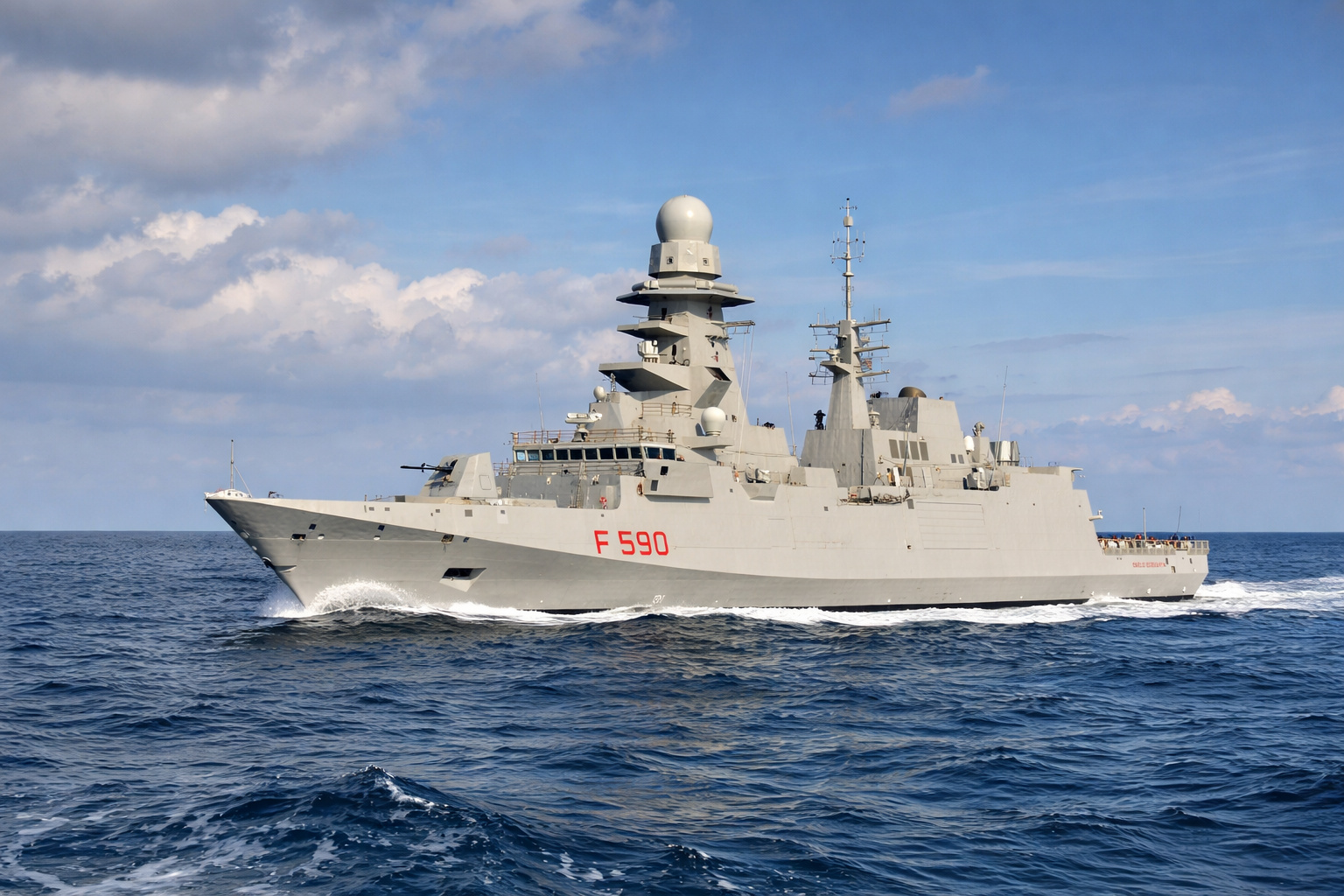
This integration allows the frigates to respond quickly to different types of threats in complex naval combat environments.
Armament Includes Cruise Missiles and Air Defense
The FREMM frigates can be equipped with a variety of armaments depending on the version and the operating country.
Among the most important systems are the vertically launched cruise missiles, capable of hitting land targets hundreds of kilometers away. These missiles allow the ship to participate in strategic attack operations without the need for aircraft.
Additionally, the frigates can carry anti-ship missiles aimed at surface combat against other vessels. For air defense, they use missile systems capable of intercepting enemy aircraft and missiles.
Anti-Submarine Capability is One of the Main Specialties
One of the most important functions of the FREMM class is anti-submarine warfare (ASW). Modern submarines represent one of the greatest threats to naval groups. Therefore, the frigates have been equipped with advanced acoustic sensors and specialized armaments to combat this type of threat. Among the resources used are:
- High-sensitivity hull sonar
- Towed sonar for long-distance detection
- Lightweight anti-submarine torpedoes
- Onboard helicopters specialized in submarine warfare
The presence of an onboard helicopter significantly extends the detection and attack range against enemy submarines.
Different Versions Have Been Created to Meet Specific Missions
Although all belong to the same basic project, the FREMM frigates have been developed into different variants. Some versions are optimized for anti-submarine warfare, with more advanced acoustic sensors and specialized equipment.
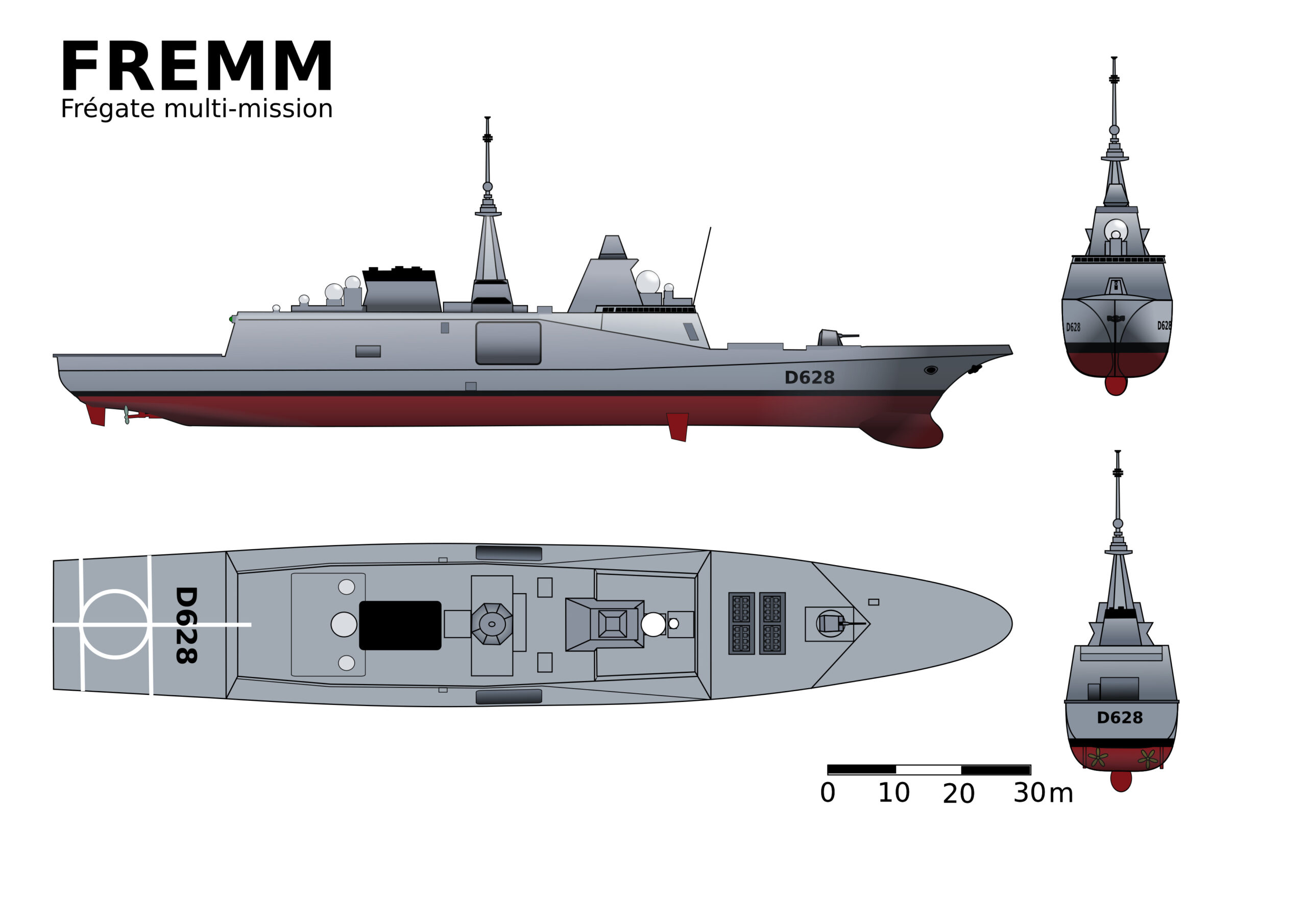
Others are configured for air defense, with a greater number of anti-air missiles and sensors aimed at fleet protection. This modularity allows different navies to adapt the ship to their operational needs.
FREMM Frigates Have Become a Success in the International Market
One of the clearest indicators of the success of the FREMM project is its acceptance in the international defense market. Several countries have adopted or ordered versions of these frigates, including:
- France
- Italy
- Egypt
- Morocco
- United States (base for the Constellation class)
This wide international adoption reflects the combination of military capability, versatility, and relatively competitive cost compared to other large warships.
Influence of the FREMM Project on New Generations of Warships
The FREMM project has also directly influenced the development of new classes of frigates around the world. In the United States, for example, the design served as the basis for the new Constellation class, which will be used by the U.S. Navy as part of its future combat fleet.
This adaptation demonstrates how the multi-mission frigate concept developed in Europe has become a reference for contemporary naval projects. With a displacement of about 6,700 tons, advanced sensors, cruise missiles, and strong anti-submarine capability, the FREMM class frigates represent one of the most modern platforms in today’s naval warfare.
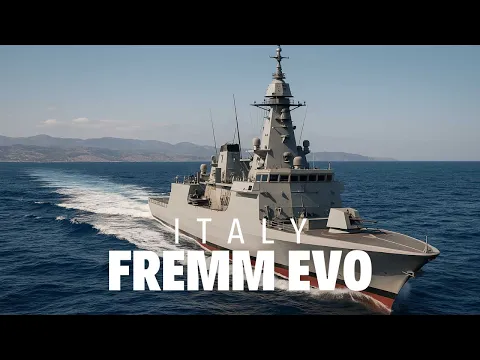

Designed to operate in multiple combat scenarios and integrated into digital command and control systems, these vessels have established themselves as one of the most versatile and exported frigates in the world, playing a central role in navies seeking to combine operational flexibility and combat power in a single ship.










-

-

-

-

10 pessoas reagiram a isso.