





 Portuguese
  English
  Spanish
  4 min of reading
  0 comments


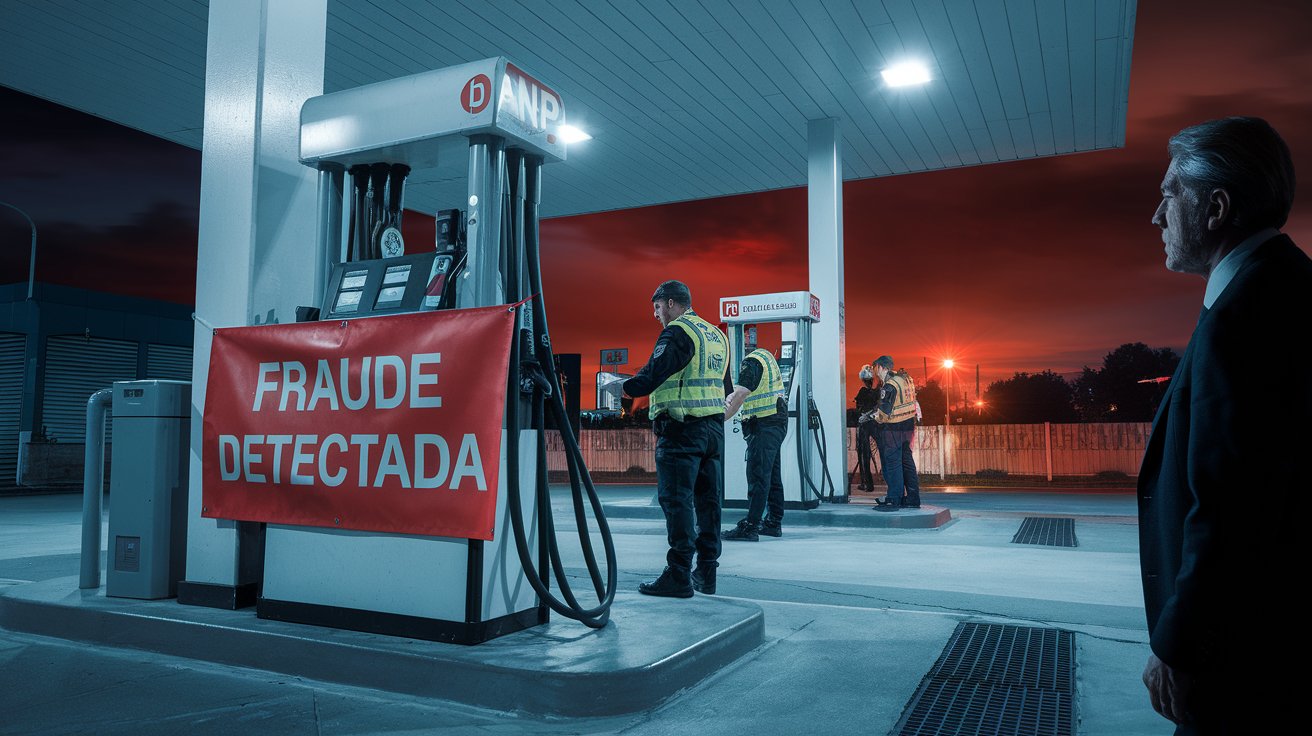
Fuel Sector Is On Alert! With Fines Of Up To R$ 500 Million, The New Law Tightens Penalties Against Fraud And Irregularities. The ANP Strengthens Oversight And Companies Fear Severe Impacts. Will It Be The End Of Schemes At Stations Or A Threat To Honest Businesses? Find Out How This Could Affect The Price You Pay!
The fuel sector in Brazil is undergoing a transformation with the implementation of new penalties for infractions related to the mixing of biodiesel and compliance with RenovaBio targets.
<p.Law 15.082/2024, signed by President Lula, raises fines to up to R$ 500 million and provides for the revocation of distributors' authorizations in case of recurrence.
These measures aim to combat fraud and irregularities that have harmed the fuel supply chain and compromised the country’s decarbonization goals.
-
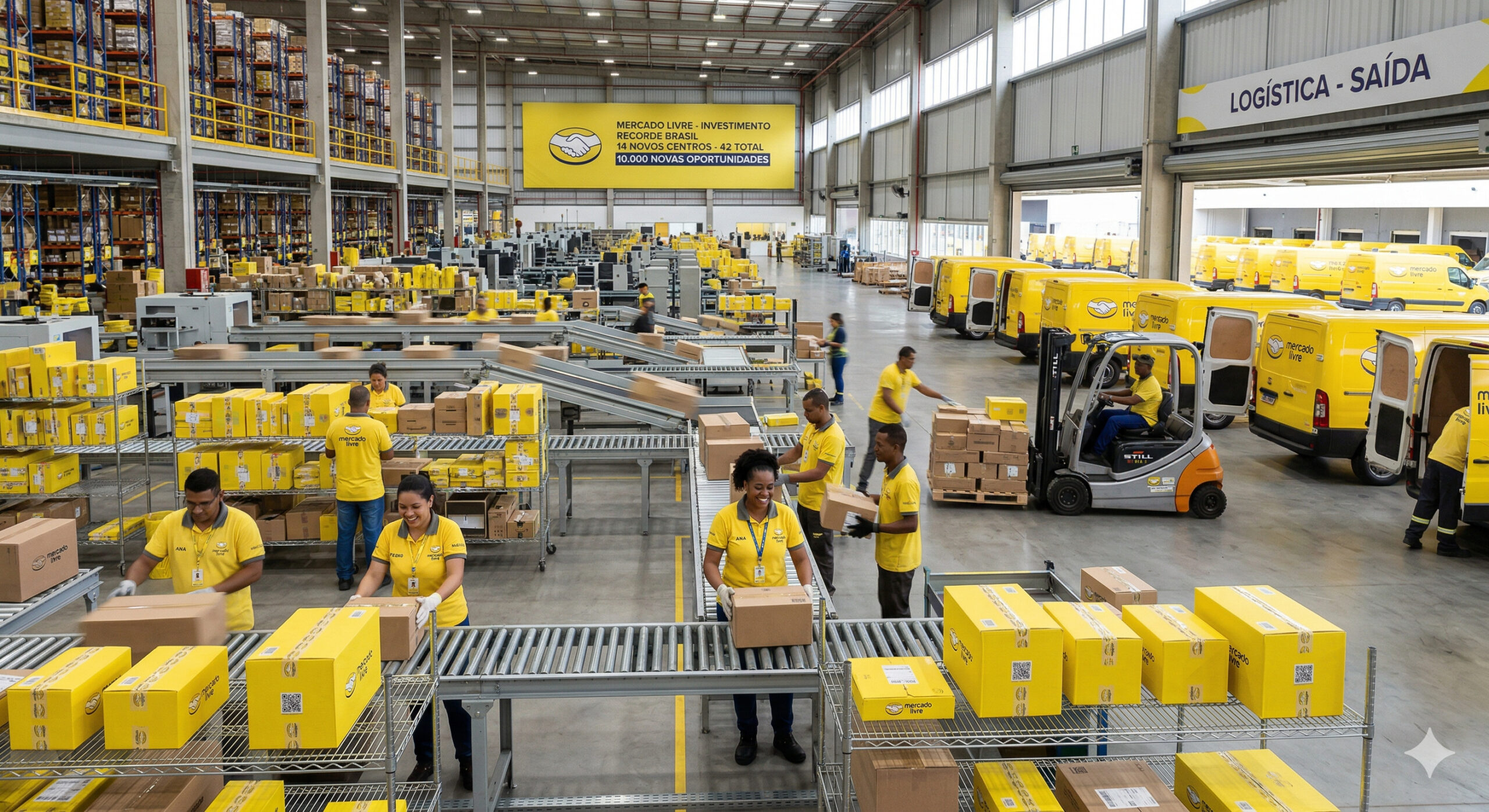
Mercado Livre “opens the vault” and announces a record investment of R$ 57 billion in Brazil in 2026, a value 50% higher than the previous year, with an expansion plan that includes 14 new logistics centers, totaling 42 units in the country and hiring an additional 10,000 employees.
-
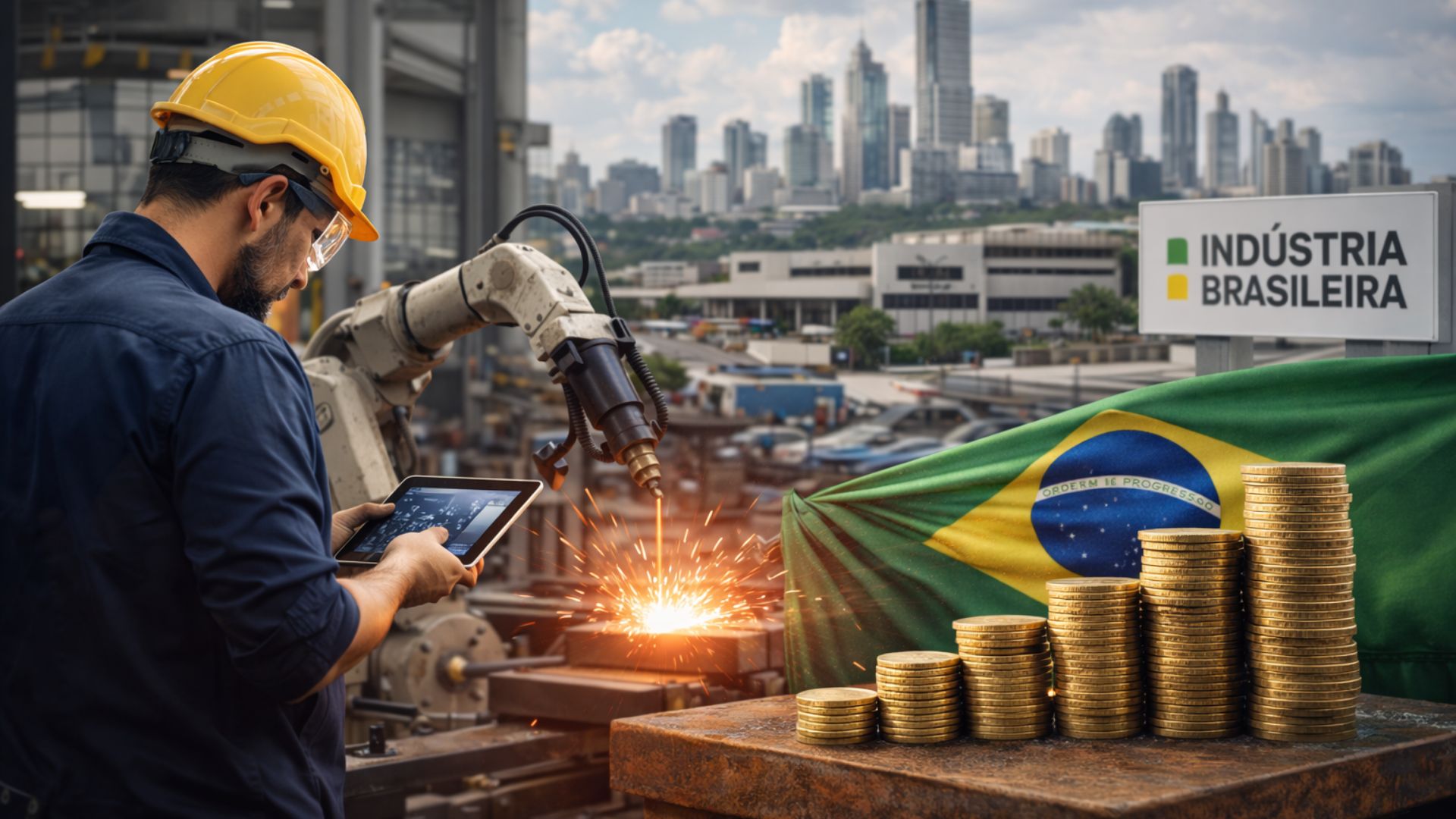
How investment in technology can revolutionize the national economy and enhance industrial gains, according to a study that highlights the direct impact on productivity, innovation, and wealth retention within Brazil.
-
The largest food company on the planet, JBS, has just opened a 4,000 square meter laboratory in Florianópolis to develop customized proteins that modulate muscle mass gain, immune response, and metabolic performance.

-
After nearly 30 bids and competition among industry giants, a Spanish company purchases one of the largest airports in Brazil for almost R$ 3 billion and takes over the management of Galeão in a concession that will last until 2039.


Impact Of New Penalties On The Fuel Market
The entry into force of Law 15.082/2024 has sparked heated debates among fuel market players.
While large distributors like Vibra, Raízen, and Ipiranga support stricter measures, regional companies express concerns about potential negative impacts on honest businesses.
The main concern is that severe penalties could affect companies operating within the law but facing challenges due to the high costs of Brazilian industrial policies.
Emerson Kapaz, president of the Legal Fuel Institute (ICL), highlights the importance of recognizing and addressing existing problems in the sector:
“The most important thing was for society and authorities to understand that there is a problem in the room; we need to take a corrective measure.”
Oversight And ANP Measures To Combat Fraud
The National Agency Of Petroleum, Natural Gas And Biofuels (ANP) has intensified oversight actions to identify and punish fraud in the sector.
One of the measures adopted was the temporary ban, between May and December 2024, on the sale of biodiesel between related distributors.
This decision aims to curb the issuance of so-called “bionotas”, fraudulent invoices that mask irregular operations.
Carlos Faccio, director of the ICL, emphasizes the importance of transparency in operations:
“With peers, I know how much the producer sold and how much the distributor bought.
Today, it is the company that states how much the acquisition is.
Once I have both pieces of information, fraud will become harder.”
RenovaBio Reforms And Future Challenges
RenovaBio, the national biofuels policy, is also at the center of discussions.
Regional distributors advocate for reform of the program to make it more inclusive and balanced.
Francisco Neves, president of the National Association Of Fuel Distributors (ANDC), emphasizes the need for public policies that reflect these principles:
“The development of the energy transition must have an economic foundation, be inclusive, fair, and balanced, as proposed by the government.”
Additionally, Congressman Flávio Nogueira (PT/PI) introduced Bill 399/2025, which proposes to increase fines for the sale of fuels outside specifications and expand ANP’s powers to revoke authorizations from infringing companies.
These initiatives reflect the ongoing effort to strengthen regulation and ensure the integrity of the fuel market in Brazil.
Challenges In Implementing New Rules
The implementation of new penalties and oversight measures faces significant challenges.
Companies of different sizes and profiles recognize the existence of infractions in the sector, and there is consensus on the need for a fair process that allows the right to defense.
The classification of intent and the proportional application of penalties are crucial aspects to avoid injustices and ensure that only agents committing intentional infractions are severely punished.
The ICL presented a proposal to the ANP for the classification of intent, suggesting that non-compliant agents be fined with the possibility of correction, while those with proven intent face stricter criteria, including the suspension of activities until full regularization.
For specialists, the new rules and penalties introduced by Law 15.082/2024 represent a milestone in the attempt to curb fraud and irregularities in the fuel sector in Brazil.
Collaboration between government, regulatory agencies, and market players will be essential to ensure that measures are implemented fairly and effectively, promoting a more transparent and sustainable business environment.
In light of these changes, how do you believe the final consumer will be impacted by the new measures in the fuel sector? Share your opinion in the comments!







Seja o primeiro a reagir!