





 Portuguese
  English
  Spanish
  3 min of reading
  0 comments


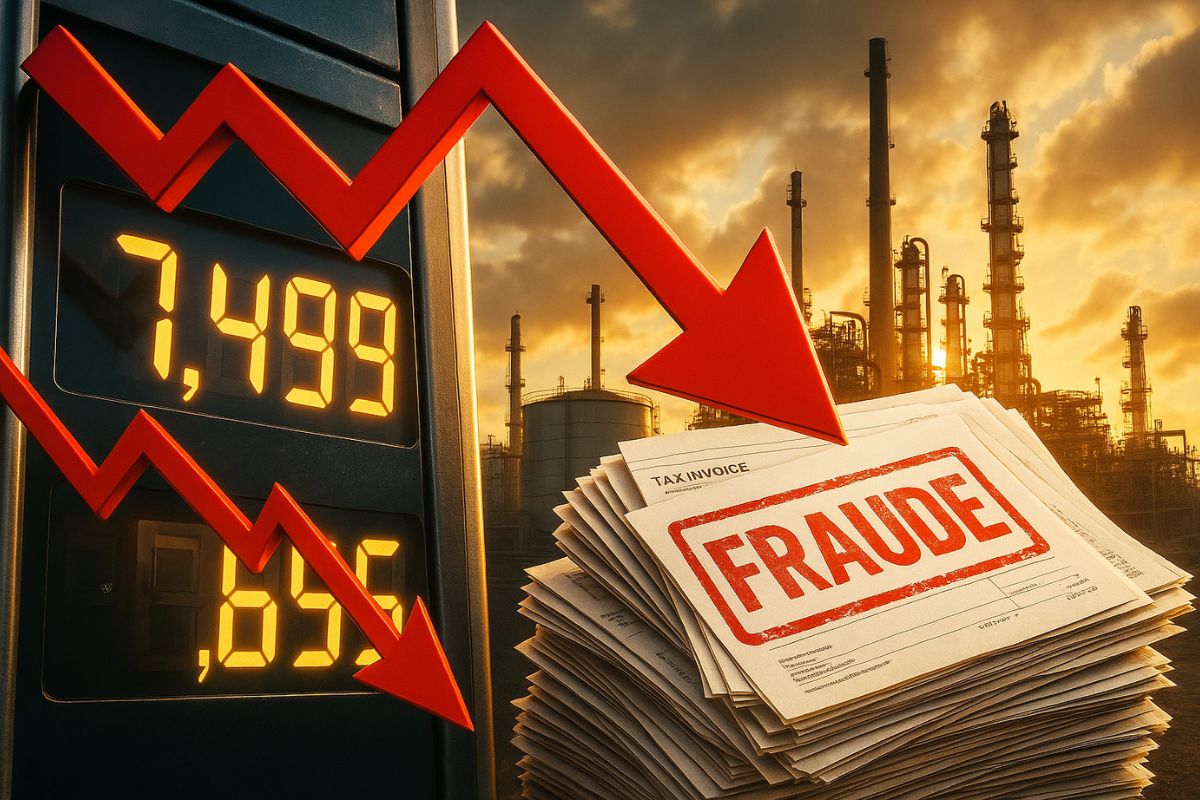
ICMS Fraud Related to Gasoline and Diesel Drops 30% After Change in Billing System. Monofasic Model Reduced Billion-Dollar Losses and Made Tax Evasion More Difficult, but Ethanol Remains Outside the Measure
According to a survey by the Legal Fuel Institute (ICL) based on data from the Getulio Vargas Foundation (FGV), fraud related to ICMS on gasoline and diesel has dropped by about 30% since the billing system became monofasic. The change, implemented almost two years ago, mandates that the tax be charged only once in the production chain, right at the exit from refineries, reducing loopholes used by tax evaders.
Before this change, ICMS was charged at each stage of commercialization — a model known as “cascading” charging — which allowed for the irregular generation of credits and encouraged schemes that cost the public coffers nearly R$ 30 billion per year. Despite the progress, ethanol remains outside the system, leaving room for illegal practices in the sector.
How the New Monofasic System Works
In the current model, the rate is uniform and applies to the liter of fuel, regardless of the destination of the goods. Currently, the values are R$ 1.47 per liter of gasoline and R$ 1.12 per liter of diesel. This way, no tax credits are generated that could be misused, making interstate fraud and operations with shell companies more difficult.
-
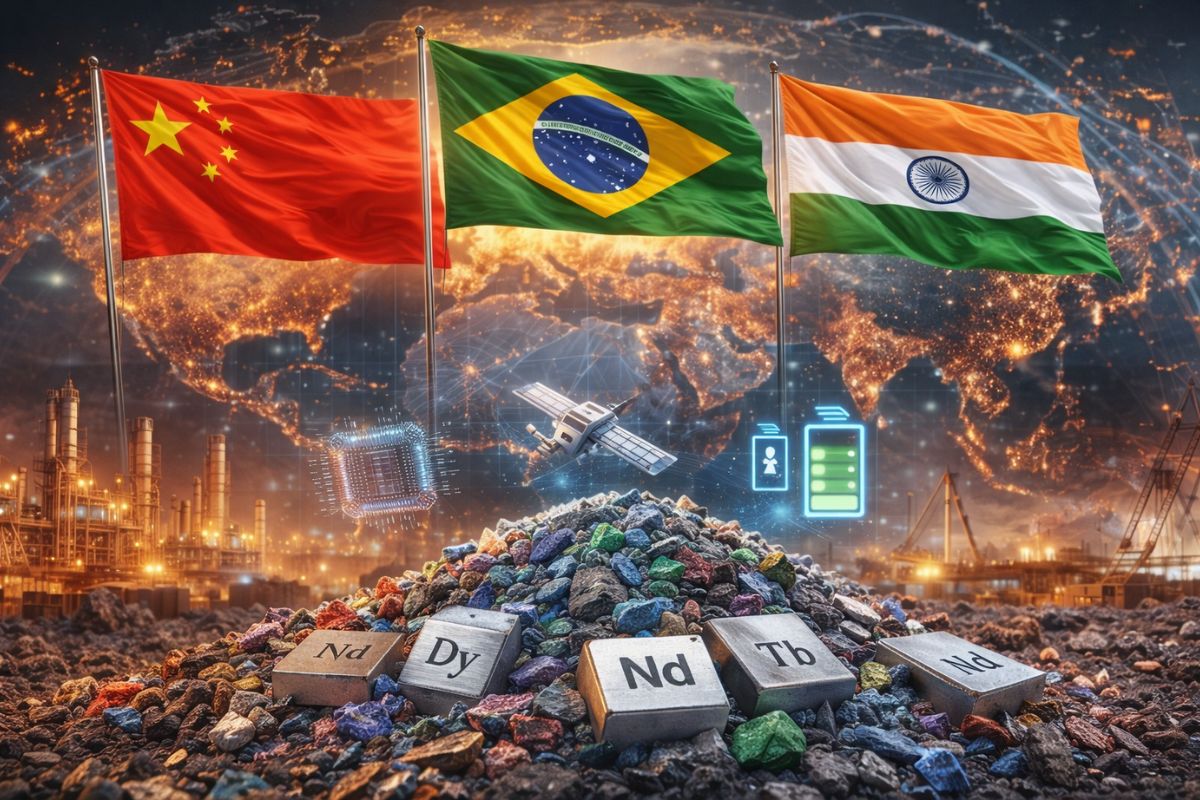
China, Brazil, and India together control the largest rare earth reserves on the planet and are now at the center of a geopolitical dispute that could determine who will dominate technology and the global economy in the coming decades.
-
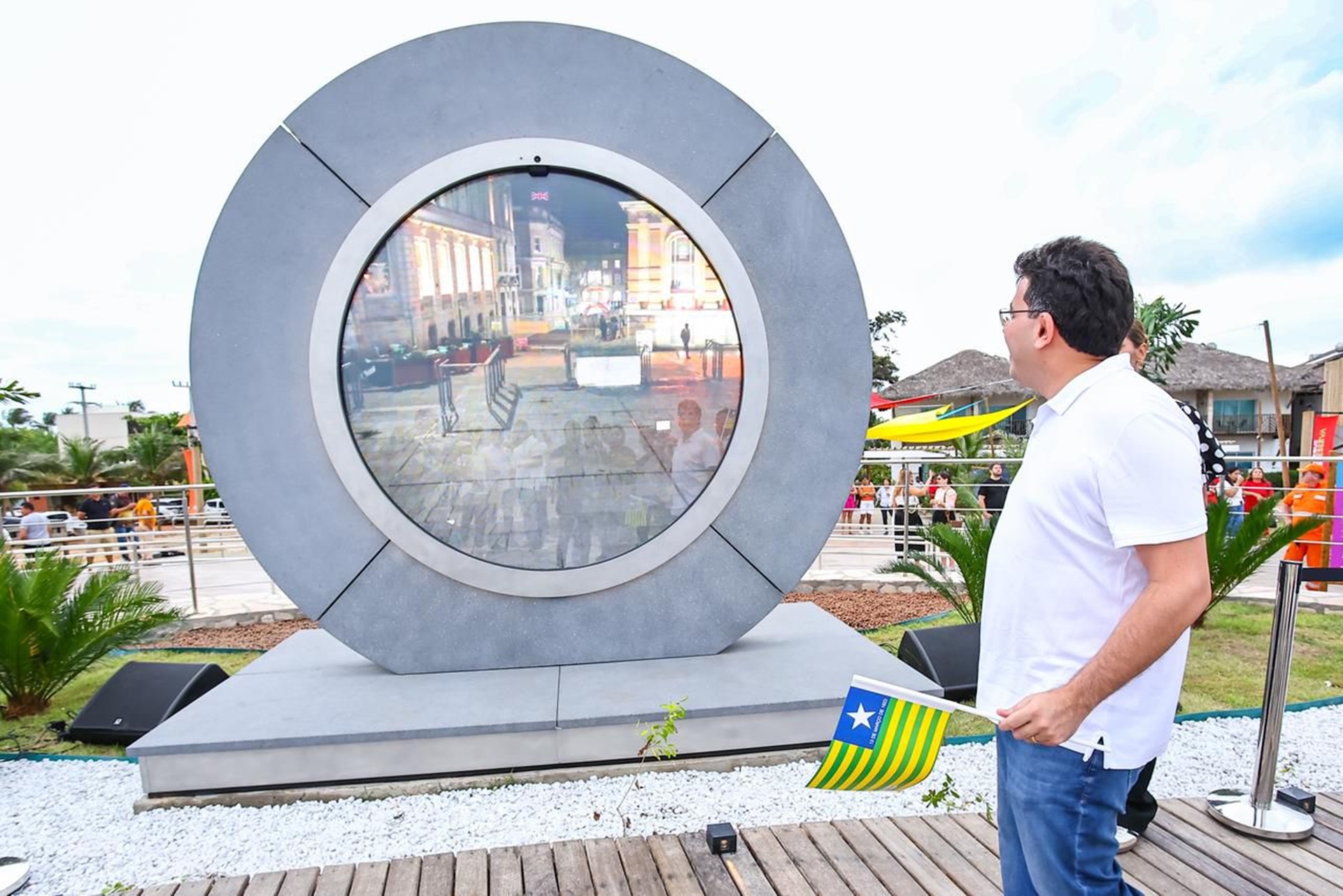
While thousands continue to lack water and sewage on the coast of Piauí, the government inaugurates a R$ 5.5 million international portal in Barra Grande and bets on global visibility.
-
Lula’s government opens 13,000 positions for teachers in Brazil and creates more than 24,000 federal jobs, with an impact of R$ 5.3 billion by 2026.

-
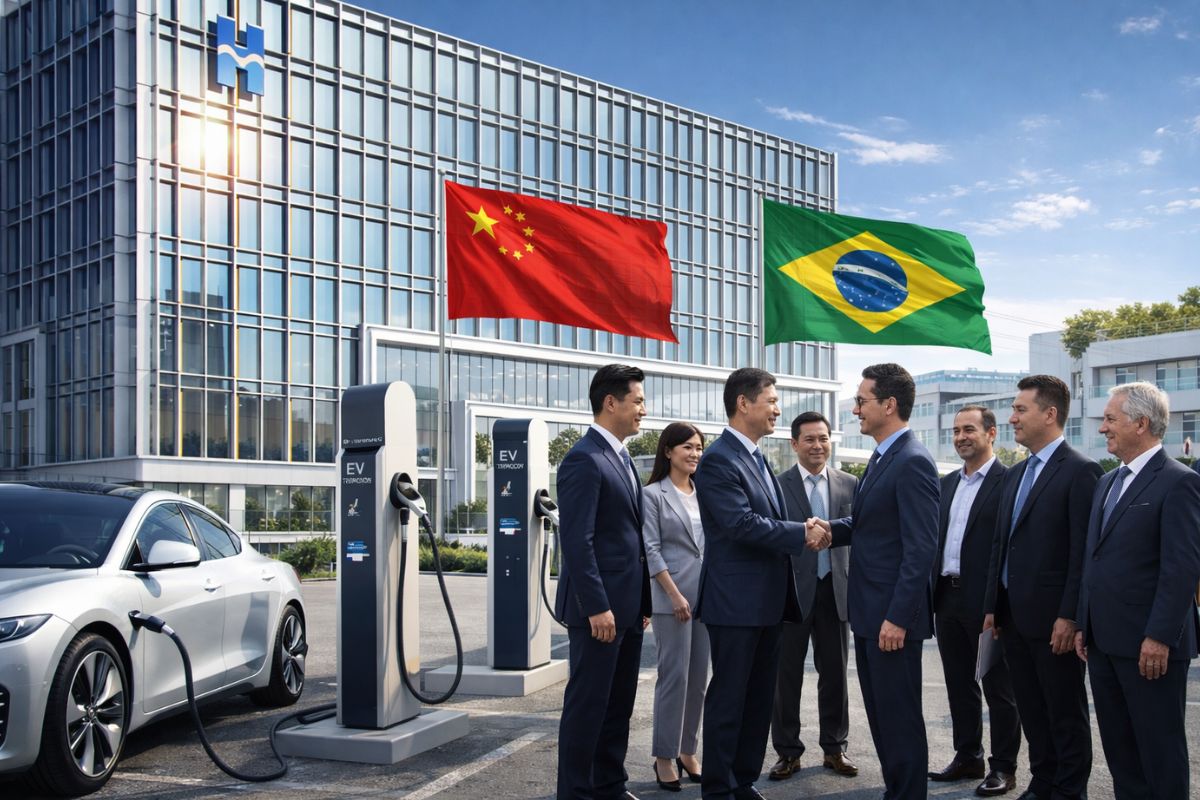
A Chinese electric vehicle technology giant wants to invest up to R$ 200 million in a city in Santa Catarina, and the mayor returned from China with a signed document that guarantees the immediate opening of a CNPJ and the start of operations in Brazil.

Previously, it was common for companies to buy fuel in states with lower ICMS and resell it in areas with higher rates, profiting from the difference. There were also cases of fictitious companies created solely to issue false invoices, generating credits to offset taxes of others.
Results and Operations Against Tax Evasion
According to Emerson Kapaz, president of the ICL, the change has had immediate impacts: “Our estimate is that losses have fallen by at least 30%. FGV will soon release updated numbers, as the measure turns two years old.”
Last week, the Public Prosecutor’s Office dismantled a scheme involving retailers and an auditor from the São Paulo Treasury Department, who expedited processes to release fraudulent credits. There were six arrests, including business owners from well-known brands and the owner of Ultrafarma.
Where There Are Still Loopholes for Fraud
Even with advancements, the ICL identified that some distributors import naphtha for refining without collecting the due ICMS. The import tax on this raw material is lower than that applied to gasoline and diesel, creating a competitive advantage and potential tax evasion. The case is being monitored by the institute in partnership with the National Committee of Treasury Secretaries (Comsefaz).
The main point of concern remains ethanol, which is still not included in the monofasic regime. Experts argue that it should be incorporated by 2026, through a bill, anticipating adjustments originally planned only for 2033, with the full implementation of tax reform.
Impacts on the Market and Next Steps
The reduction in fraud brings more predictability for revenue and legal security for the fuel sector, but it also requires continuous oversight to avoid new forms of tax evasion. The expectation is that the inclusion of ethanol in the monofasic system and combating the irregular import of naphtha will be the next fronts of action.
Do you believe that the monofasic ICMS model for gasoline and diesel should be expanded to all fuels by 2026? Share your opinion in the comments.






Seja o primeiro a reagir!