Portuguese
  Spanish


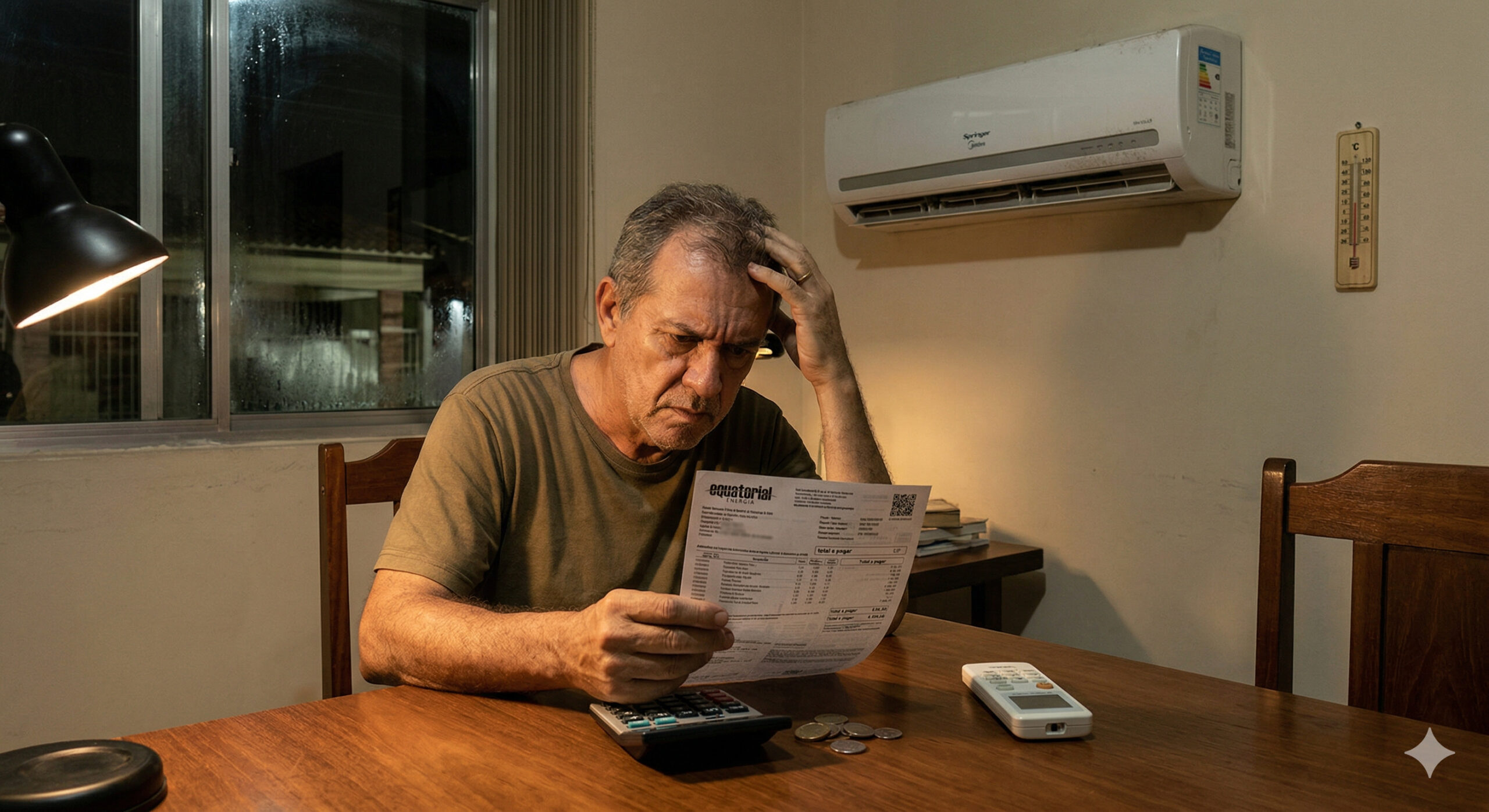

Poorly sized air conditioning can increase energy consumption and raise the electricity bill even in efficient appliances.
The use of air conditioning in Brazil has grown rapidly in recent years, driven by higher temperatures and greater access to cooling equipment. However, energy efficiency experts warn of a common mistake that can turn the appliance into one of the biggest villains of the electricity bill: incorrect sizing. According to widely used energy efficiency guidelines in the Brazilian electricity sector, including guidelines associated with Procel, the capacity of the air conditioning should be compatible with the size of the environment — on average, about 600 BTUs per square meter, which may vary according to sun exposure and space usage.
The most relevant fact is that an air conditioner with inadequate capacity can consume more energy than a properly sized model, even if it has lower nominal power. This happens because the equipment operates outside of ideal conditions — either running continuously when it is underpowered for the environment or frequently turning on and off when it is oversized — which compromises its energy efficiency and increases total consumption. Technical studies and thermal engineering materials indicate that correct sizing is one of the most determining factors for energy consumption in cooling systems.
What correct sizing of air conditioning means
The sizing of an air conditioner is directly related to the amount of BTUs needed to cool a space. This measure represents the cooling capacity of the appliance.
-
Spain Launches World’s Largest Floating Dry Dock: 56-Meter Giant Produces Massive Concrete Structures in A Coruña Using Technology Proven in Brazil

-
AI-powered toys that talk, recognize faces, and collect data face scrutiny from Brazilian government over children’s privacy concerns

-
4,000-Year-Old Child’s Skull Unveils Ancient Burial in 7,500-Year-Old Norwegian Rock Shelter, Impressing Archaeologists

-
Norway Defeats Brazil in World Cup but Invests Billions to Preserve the Amazon, Strengthens Amazon Fund, and Joins Brazil in Leading Global Effort Against Tropical Deforestation





The correct calculation takes into account factors such as:
- size of the environment
- solar exposure
- number of people
- electronic equipment
When these factors are not considered, the appliance may be installed with either insufficient or excessive power, which compromises its operation.
Correct thermal sizing is the main factor that determines whether the appliance will be efficient or will waste energy.
An underpowered unit runs continuously and increases consumption
When the air conditioner has fewer BTUs than necessary, it cannot reach the desired temperature in the environment. As a consequence, the compressor remains on for long periods.
This continuous operation causes the equipment to always run at maximum load, significantly increasing energy consumption. Additionally, the constant effort leads to accelerated wear of internal components, reducing the appliance’s lifespan.
The result is a scenario where the equipment consumes more energy, does not provide adequate thermal comfort, and requires more frequent maintenance.
An oversized unit can also increase the electricity bill
Contrary to what many consumers believe, choosing an air conditioner that is more powerful than necessary can also lead to energy waste.

In this case, the equipment cools the environment quickly and then shuts off, starting short operating cycles. This process repeats constantly. This behavior prevents the efficient operation of the system and increases energy consumption.
Moreover, the appliance frequently turns on and off, which reduces its efficiency and can increase electricity consumption over time.
Inadequate operating cycles compromise efficiency
The ideal operation of an air conditioner occurs when the equipment can reach the desired temperature and maintain a stable operating regime.
When the sizing is wrong, this balance does not happen. The appliance enters irregular cycles, either running continuously or turning on and off repeatedly.
These inefficient cycles are responsible for a significant portion of the increase in energy consumption associated with the incorrect use of the equipment.
Energy consumption depends more on usage than on power
There is a common perception that appliances with higher power automatically consume more energy. However, actual consumption depends on the operating time and the efficiency of the cycle.
A properly sized appliance can quickly reach the desired temperature and reduce its activity, saving energy. On the other hand, an inadequate unit may operate for hours without achieving the goal, raising total consumption.
This explains why sizing errors are considered one of the main factors of energy waste in cooling.
Influence of the environment on air conditioning performance
The environment where the appliance is installed has a direct impact on its performance. Factors such as sun exposure, number of windows, and thermal insulation alter the thermal load of the space.
Environments with higher solar exposure or high circulation of people require greater cooling capacity. Ignoring these factors leads to inadequate choices. A correct analysis of the environment is essential to ensure energy efficiency and avoid waste.
Relationship between energy efficiency and equipment choice
Programs like Procel highlight the importance of energy efficiency in the choice of appliances. In the case of air conditioning, this involves not only the efficiency label but also proper usage.
An efficient unit, when poorly sized, may perform below expectations. This occurs because efficiency depends on operating conditions. The correct choice of the appliance should consider both the energy rating and its suitability for the environment.
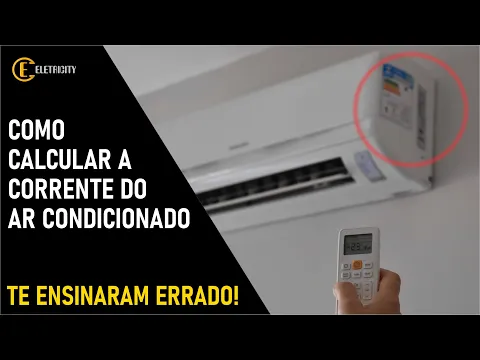
The error in sizing not only affects immediate consumption but also generates accumulated costs over time.
Among the main impacts are:
- increase in the electricity bill
- greater maintenance needs
- reduction in the equipment’s lifespan
These factors make the total cost of a poorly sized appliance significantly higher than that of a properly designed system.
How to avoid sizing errors
The correct choice of air conditioning should be based on calculations that consider the characteristics of the environment. The general recommendation is to use about 600 to 800 BTUs per square meter, adjusting according to specific conditions.
Additionally, it is important to evaluate factors such as solar exposure, number of people, and presence of electronic equipment. Following technical criteria in sizing is the most effective way to ensure savings and energy efficiency.
Air conditioning is often cited as one of the main culprits for increasing electricity bills, but the problem is not always with the equipment itself.
The most common error is inadequate sizing, which causes the appliance to operate outside of ideal conditions and consume more energy than it should.
By correctly considering the characteristics of the environment and choosing the appropriate capacity, it is possible to reduce consumption, increase efficiency, and prolong the lifespan of the equipment, transforming air conditioning from a villain into an ally of energy efficiency.