





 English
  Francês
  Alemão
  Italiano
  Japonês
  Norueguês
  Portuguese
  Spanish
  3 min of reading


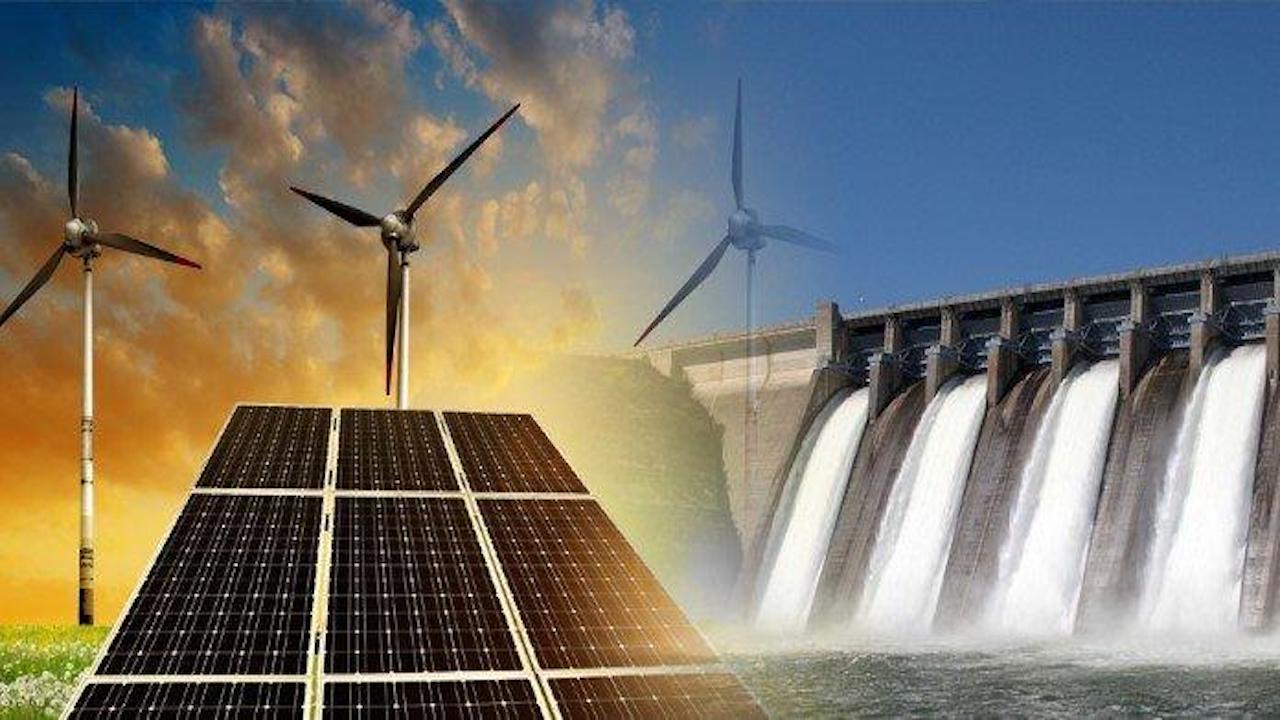
Renewable Sources Flexibilization Elevates Energy Performance to a New Level, Ensuring Quality, Security, and Financial Return
In the face of the worst rainfall index in the last nine decades, the water crisis hits Brazil again, triggering more severe insecurities. The main discussion on the topic is certainly the supply of electric energy, since most of the country’s energy matrix still comes from the hydroelectric system. Therefore, although the idea of investing during a crisis may seem risky, many experts have pointed to renewable energy sources as an alternative to reduce fixed costs and obtain consistent competitive advantages.
Read Also
- After Halting Vehicle Production and Closing Factories in Brazil, Ford Delays Return of 30,000 Employees to Work
- GE Renewable Energy Secures Operation and Maintenance Contract for Igarapava Hydroelectric Plant with 210 MW of Installed Capacity, Enough to Supply Electricity to 225,000 People
- Demand from an Active Market for Christmas Requires Final Temporary Hires and Luandre Calls for 4,095 Job Vacancies in Retail, Logistics, and Other Sectors
- Many Job Vacancies in Macaé, SP, and ES Opened Yesterday (07/12) by the HR Team at Priner, Active in Offshore, Naval, Mining, Metallurgy, and Infrastructure
Solar Energy Has Become a Leading Bet
Among the main modalities, solar energy has become a leading bet. According to Absolar (Brazilian Association of Solar Energy Companies), this segment has been growing since 2012, when Aneel started regulating the sector. In just the first eight months of 2021, 180,000 systems for solar energy generation were installed, which is 41% higher than the same period in 2020. As a result, Brazil now has 576,000 installations to supply homes, businesses, and farms, among other consumer units.
The pandemic and high energy bills with the return of red flags in 2020 have introduced new elements into this scenario. Consumers have paid more attention to their electricity bills, having spent more time at home, which increased the search for more economical alternatives. This is because, according to Absolar, a well-designed photovoltaic system can reduce electricity costs by up to 95%.
-
With 160,000 m² of collectors, an area larger than 20 football fields, Silkeborg, in Denmark, hosts a solar thermal plant that heats 19,500 homes and could become the largest solar heating plant in the world.

-
A study reveals the expansion of renewable energy procurement in Brazil and shows how companies are taking advantage of opportunities to reduce expenses, ensure energy efficiency, and strengthen strategic environmental commitments.

-
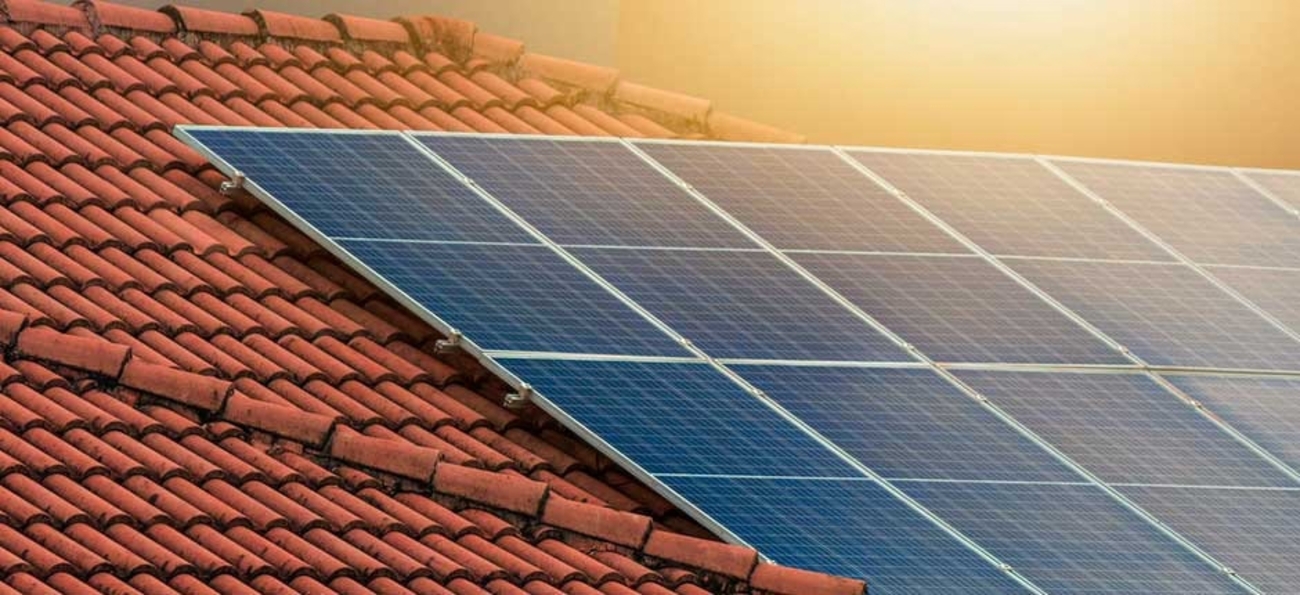
Roraima bets on the sun to escape high tariffs: Amid the energy crisis and price hikes, solar energy is growing in Roraima and transforming consumption in the North region.
-
Mato Grosso do Sul excels in the sugar-energy sector: the state reaches a milestone of 22 operating mills and accelerates the production of clean energy in MS with a focus on sustainability.


Brazil Invests in Wind Farms
Another source that has also received attention is wind projects, which have been growing in Brazil since 2005. To illustrate its potential, in July of this year, wind energy supplied the entire Northeast for 24 hours. The record was registered by ONS (National Electric System Operator), which noted an average daily generation of 11,399 MW, representing 102% of the Northeast’s demand that day.
The advantages of this matrix are quite straightforward: it provides cheap, clean energy, and, under Brazilian conditions, in abundant quantity. The market has this perception, both from the suppliers’ side and from the consumers in the free market, who choose the sources, and even the generators with projects in other segments are already putting this change into practice.
Ultimately, the flexibilization of renewable sources elevates energy performance to a new level, ensuring quality, security, and financial return. At this moment of water crisis and constant increases in electricity bills, investing in the use of solar and wind energy becomes even more attractive and essential, especially when analyzing industrial and commercial consumption.
by – Pedro Al Shara








Seja o primeiro a reagir!