





 Portuguese
  English
  Spanish
 6 min of reading
  0 comments


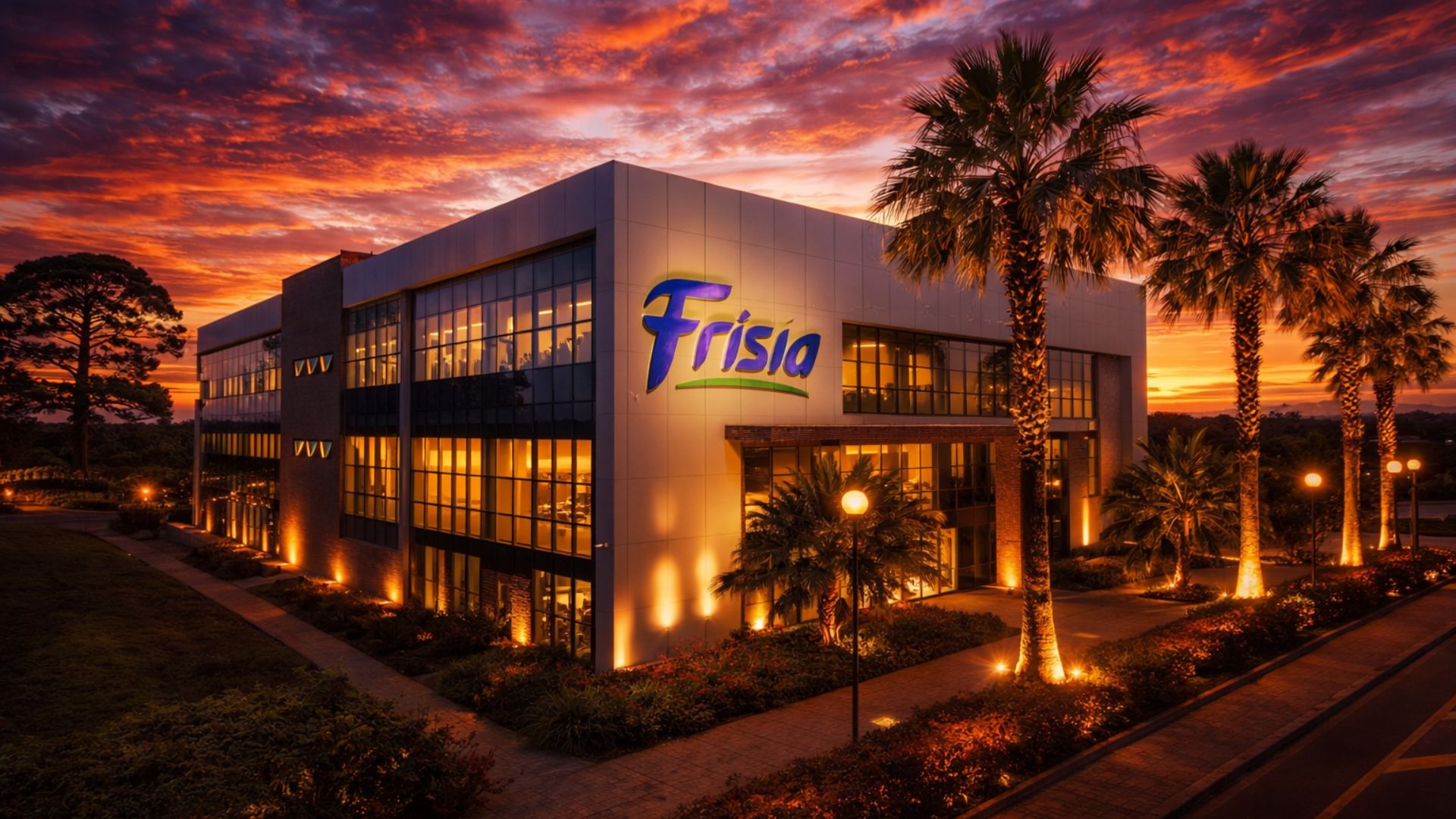
Frísia Reinforces Its Expansion Strategy by Acquiring a Crushing Plant from Louis Dreyfus in Paraná, with a Capacity of 3.4 Thousand Tons Daily, Expanding Integration Between Grains, Oil, and Biofuels, and Strengthening Its Competitiveness in the Brazilian Agribusiness.
The Frísia Agroindustrial Cooperative announced the acquisition of a soybean crushing plant located in Ponta Grossa (PR), which belonged to Louis Dreyfus Company (LDC). According to a report published by CNN Brazil on March 2, the unit has a processing capacity of 3.4 thousand tons of soy per day and becomes part of the cooperative’s verticalization strategy, reinforcing its operations in the grains, oil, and biofuels segments.
The operation is part of Frísia’s strategic planning 2025–2030 and still depends on approval from the Administrative Council for Economic Defense (Cade), in addition to the formal transfer of licenses and authorizations. The expectation is that the process will be completed by the second half of 2026. The move reinforces the cooperative’s industrial expansion, considered the second largest in Brazil, and signals a clear growth strategy with productive integration.
Acquisition of the Crushing Plant from Louis Dreyfus Strengthens Frísia’s Strategy
The purchase of the crushing plant from Louis Dreyfus represents a significant step within Frísia’s industrial expansion strategy. Located in Ponta Grossa, in the Campos Gerais of Paraná, the unit is situated in an area with a strong agro-industrial vocation and consolidated logistics infrastructure.
-
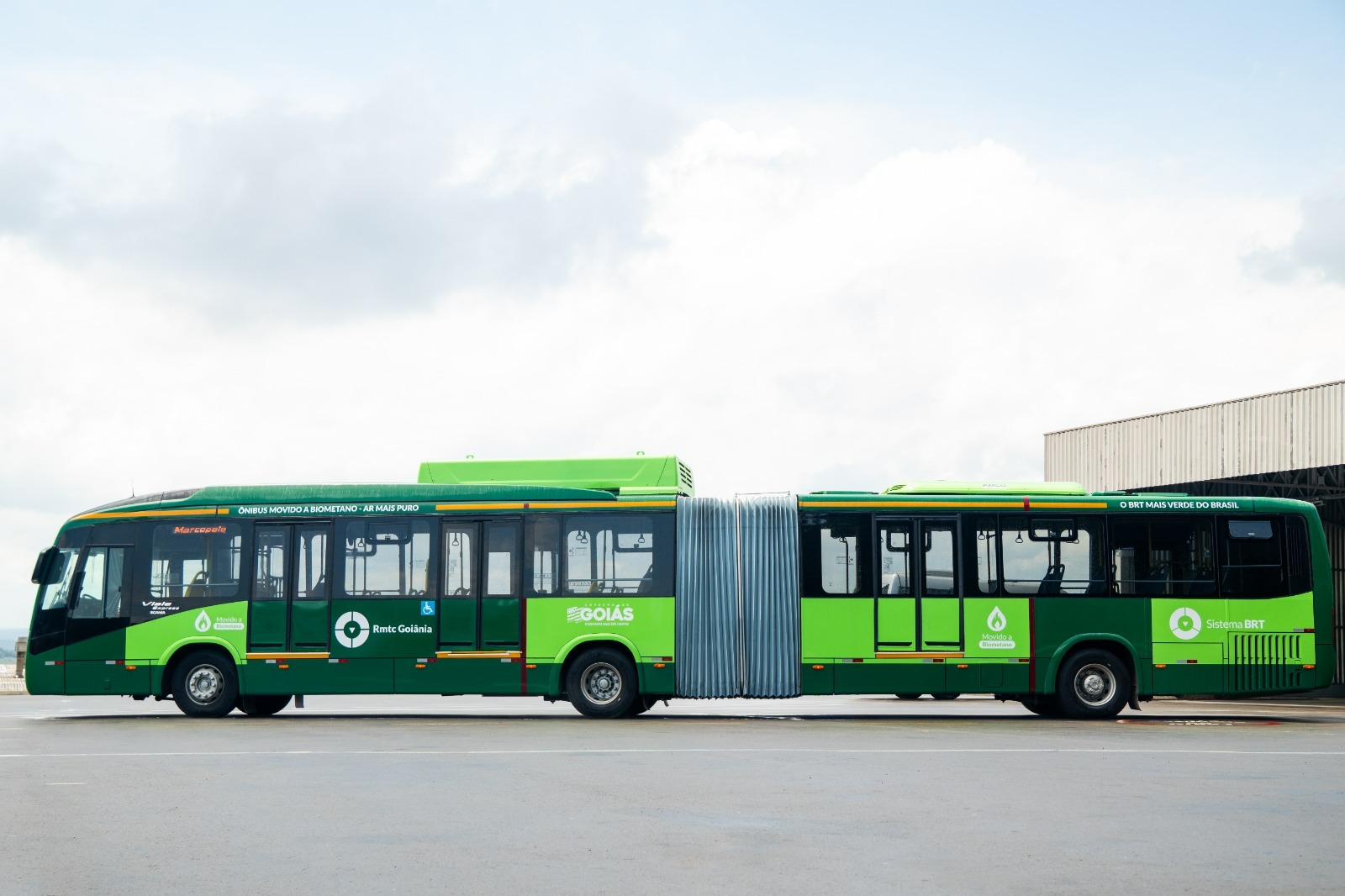
Revolution in public transport: Goiânia puts into circulation the first articulated buses powered by biomethane in Brazil and promises to drastically reduce pollution on the Anhanguera Corridor.
-
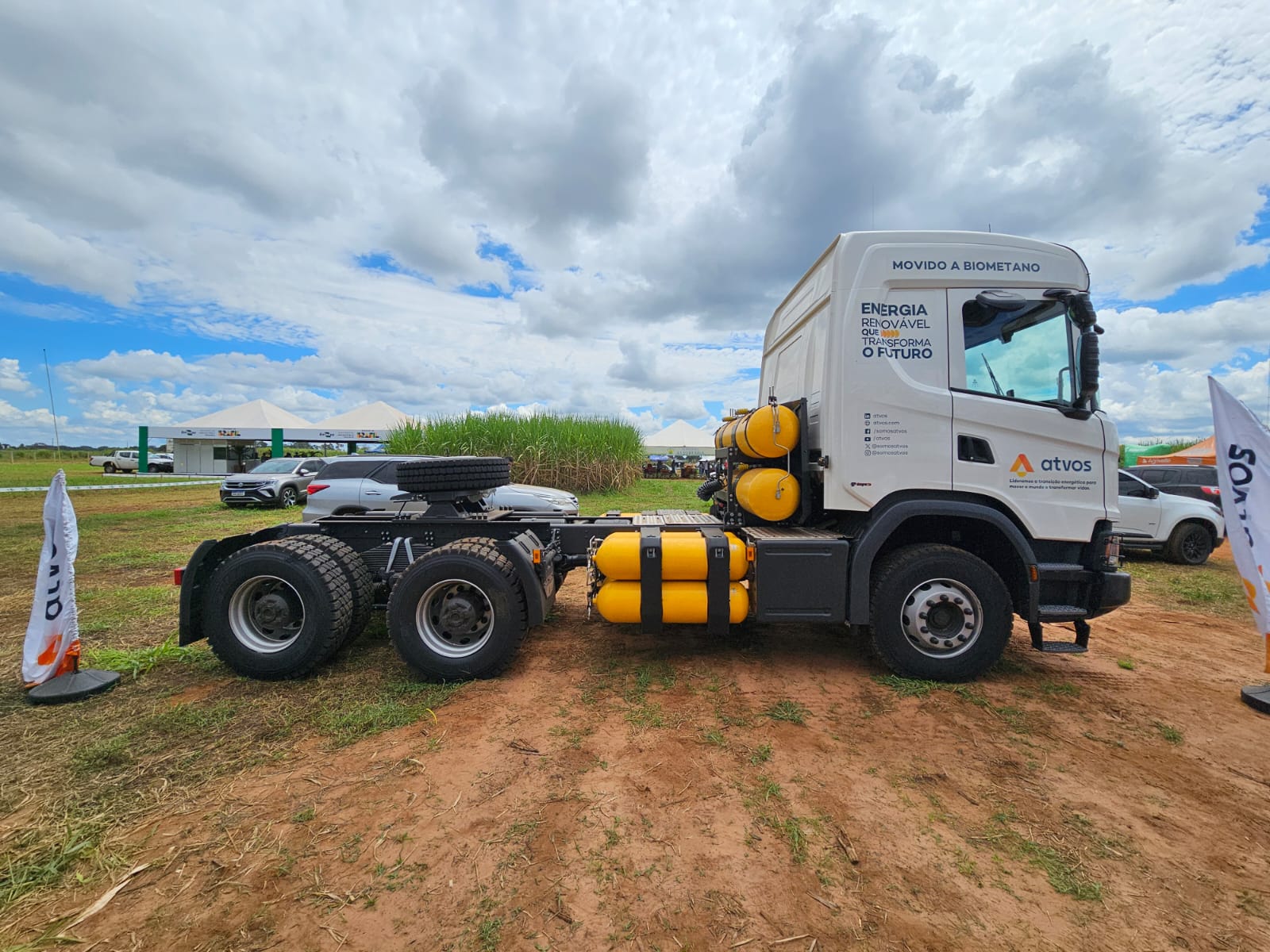
From the field to the pipelines: Mato Grosso do Sul accelerates the energy transition and consolidates a new axis in renewable energy with the arrival of a giant biogas plant.
-
The Economist states that Brazil has a “secret weapon” against expensive oil and highlights how the country can reduce economic impacts even in international scenarios of high volatility.
-
Brazil accelerates decarbonization in the South: International forum in Foz do Iguaçu gathers leaders to discuss the advancement of biomethane in the energy matrix and the potential of “caipira pre-salt.”
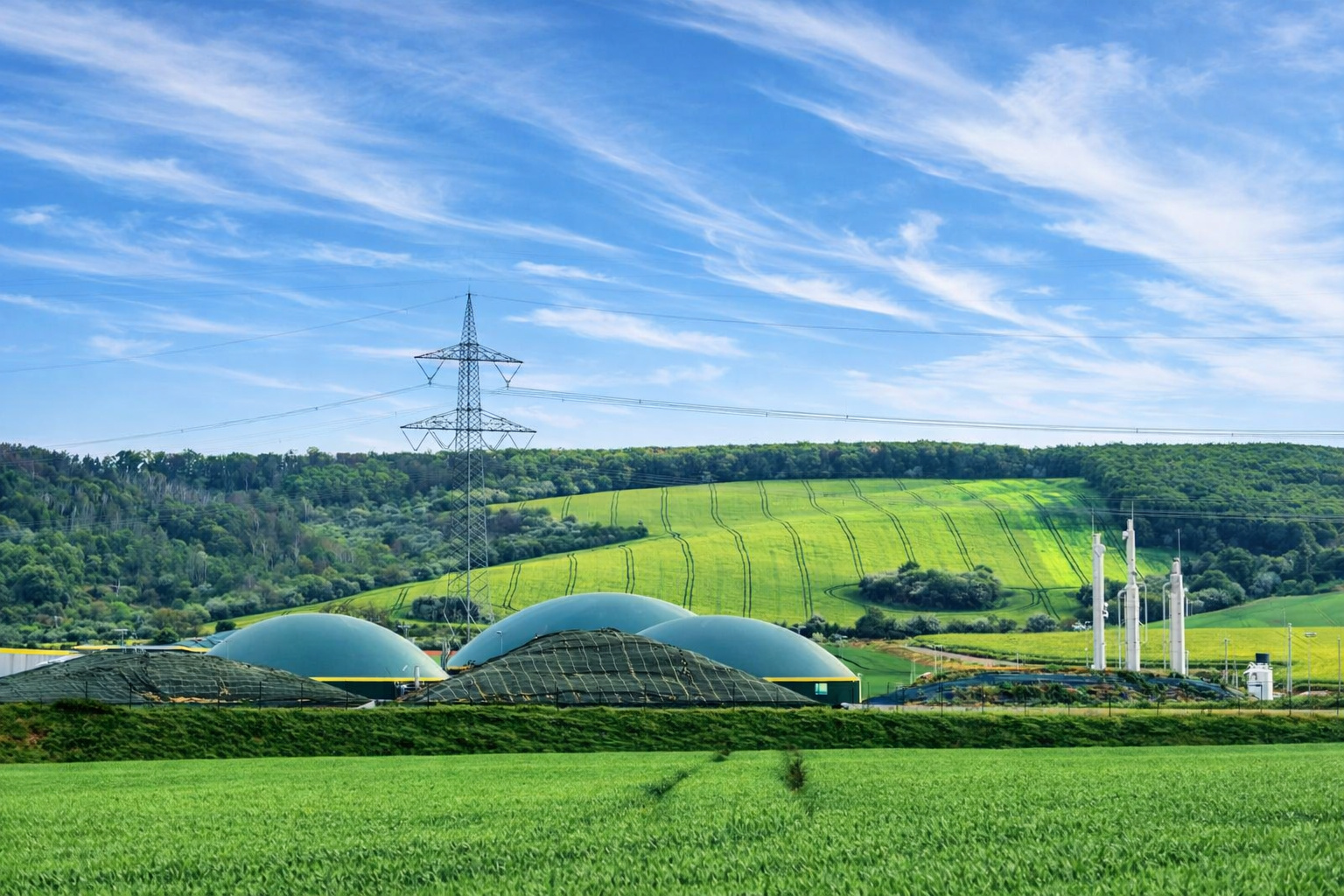

With an installed capacity to process 3.4 thousand tons of soy per day, the structure significantly enhances the potential for transforming grains into higher-value-added derivatives, such as meal and oil. These products are essential both for the animal protein chain and for biofuel production, especially biodiesel.
According to an official announcement from the cooperative, the acquisition aligns with the verticalization policy, allowing for the integration of productive stages from raw material reception to processing and marketing. Frísia also ensured that the current employees of the unit will be retained in their positions, guaranteeing operational continuity and stability during the transition.
Verticalization and Integration Between Grains, Oil, and Biofuels
Verticalization is one of the main strategic pillars of Frísia. By incorporating the crushing plant, the cooperative increases control over the production chain and reduces dependence on third parties for soy processing.
The crushing of the grain results in two main products: meal, widely used in animal feed, and soybean oil, fundamental raw material for the biofuels industry in Brazil. The country is one of the largest producers and exporters of soy in the world, and soybean oil is the main base for national biodiesel.
This integration between agricultural production, industrial processing, and allocation for renewable energy strengthens Frísia’s competitive positioning. By adding value within its own structure, the cooperative improves margins and expands opportunities in different markets.
Strategic Planning 2025–2030 Aims for Efficiency and Autonomy
The acquisition of the unit from Louis Dreyfus is part of Frísia’s strategic planning 2025–2030. According to the cooperative, the goal is to increase operational efficiency, strengthen competitiveness, and enhance autonomy in the face of market fluctuations.
In a sector marked by price volatility and the influence of international factors, verticalization emerges as a tool to mitigate risks. By transforming the grain into industrial derivatives, Frísia enhances its ability to capture value along the chain.
The strategy also reinforces the commitment to sustainable and structured growth. Industrial integration enables greater predictability in marketing, revenue diversification, and better cost management.
Consolidated Regional Presence and Expansion Beyond Paraná
Frísia is recognized as the oldest production cooperative in Paraná and is currently present in 11 municipalities in the Campos Gerais region. Based in Carambeí (PR), it operates in the segments of grains, dairy, forestry, feed, seeds, and animal protein.
Since 2016, the cooperative has also maintained units in three cities in Tocantins, expanding its geographical presence and diversifying its production base. The incorporation of the plant in Ponta Grossa further strengthens regional operations, consolidating Campos Gerais as one of the main strategic hubs of the organization.
This territorial expansion, combined with industrial investment, demonstrates a long-term vision focused on consistent growth and increased competitiveness in the national scenario.
Economic and Operational Impacts of the New Crushing Plant
The retention of employees at the acquired unit signals stability for the local economy of Ponta Grossa. The city already has a strong agro-industrial and logistics tradition, which enhances the positive effects of Frísia’s incorporation of the plant.
The processing capacity of 3.4 thousand tons per day contributes to increasing the volume of soy transformed within the state. This can generate greater value retention in the region and stimulate related activities, such as transportation, storage, and technical services.
Additionally, industrial integration can favor greater predictability in the supply of meal for the animal protein chain, a segment in which Frísia already plays a significant role.
Cade and Regulatory Procedures Until the Second Half of 2026
Although the acquisition has been concluded between the parties, the effective transfer of the crushing plant still depends on approval from the Administrative Council for Economic Defense (Cade). The agency is responsible for analyzing economic concentration operations to ensure that there is no harm to competition.
The completion of the transfer of environmental licenses and operating authorizations will also be necessary. The disclosed estimate is that the entire process will be finalized by the second half of 2026. The negotiation was structured by the Martinelli Advogados office, responsible for conducting the legal aspects of the transaction between Frísia and Louis Dreyfus.
Biofuels Gain Prominence in Frísia’s Industrial Strategy
The connection between the new industrial structure and the biofuels market is one of the central points of the strategy. Brazilian biodiesel primarily uses soybean oil as raw material, creating a direct relationship between crushing and renewable energy production.
With greater control over oil supply, Frísia increases its potential for operation in a market that has been gaining relevance within the national energy matrix. The integration strengthens competitiveness and creates additional marketing opportunities.
Furthermore, the strategy aligns with the energy transition agenda and emissions reduction in the transport sector, enhancing the cooperative’s involvement in chains aligned with more sustainable practices.
A New Cycle of Industrial Growth and Productive Integration
The acquisition of the crushing plant from Louis Dreyfus marks a strategic moment for Frísia. By incorporating a unit with a capacity of 3.4 thousand tons per day, the cooperative expands its industrial presence and reinforces the integration between grains, oil, and biofuels.
Included in the 2025–2030 planning, the operation aims to enhance efficiency, competitiveness, and autonomy in the face of market fluctuations. The presence in 11 municipalities in Paraná and in three cities in Tocantins since 2016 highlights a trajectory of consistent expansion.
With a regulatory completion expected by the second half of 2026, the move signals a new cycle of growth based on verticalization and value aggregation. For members, partners, and the market, the strategy reinforces Frísia’s role as a protagonist in an increasingly integrated production chain focused on sustainable development.






Seja o primeiro a reagir!