





 Portuguese
  English
  Spanish
  4 min of reading
  0 comments


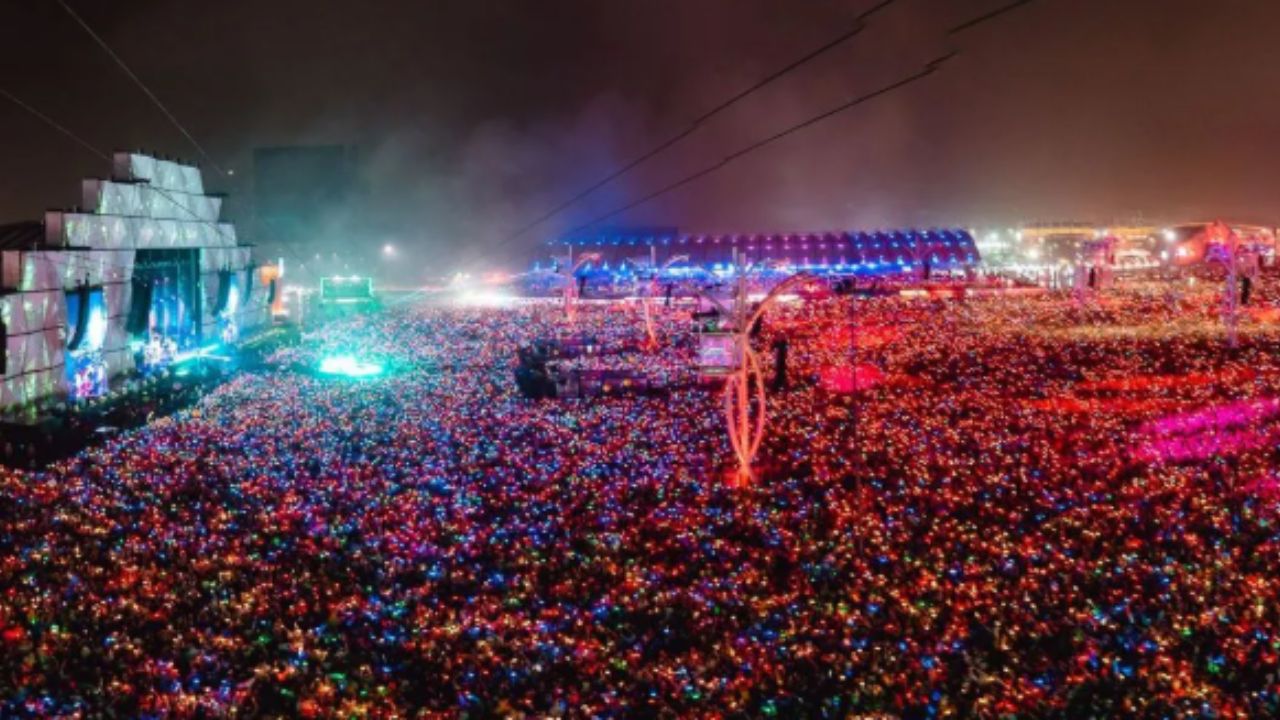
The Surge In Prices And The Frustration Of Fans At International Shows Reveal A Lucrative Parallel Market. Understand How The Million-Dollar Ticket Resale Scheme Works And Its Consequences.
The passion of Brazilians for international shows is immense. The dream of seeing an idol up close, however, has turned into a nightmare for many. Tickets for major events disappear from official channels in a matter of minutes. Soon after, they resurface in the parallel market for astronomical amounts. A ticket that cost R$50 can jump to R$5,000. This alarming “magic” of price multiplication is the visible symptom of a million-dollar scheme. It exploits the passion of fans and the loopholes of a complex system.
How Speculation Pushes Fans Away From Their Idols
Millions of Brazilians yearn for the energy of a live show, especially from international stars. However, making that dream come true is becoming increasingly difficult and expensive. The difficulty of purchasing tickets officially and the exorbitant resale prices turn cultural celebration into frustration. Many feel excluded, not for lack of interest, but due to their inability to compete with obscure and financially inaccessible schemes. The perception of a million-dollar scheme behind this price inflation indicates a structured operation that profits from others’ passion.
From Production Shocks To The “Magic” Of Scalping
Understanding the formation of the original ticket price is crucial. Production costs are significant. They include stadium rentals, structure setup, sound, lighting, travel, and accommodation for artists and crews. The fees for international stars, paid in dollars, increase costs due to exchange rate fluctuations. Taxes and profits of production companies also factor in. The pent-up demand post-pandemic and the appreciation for “unique experiences” by young people also pressure prices. “Premium” sectors and “dynamic pricing,” which adjusts prices according to demand, are already raising ticket prices in official sales.
-
Scientists are looking for volunteers to live for free for a month in a refuge in the Italian Alps at an altitude of 2,300 meters, with accommodation, food, and a payment of 400 euros to participate in a health study.

-
A 19-year-old is ripped from a mobile home by an F2 tornado, thrown 398 meters, survives with minor injuries, and enters the Guinness World Records in one of the most extreme cases ever recorded in meteorology.

-
An impact crater has turned into agricultural land in Finland, and its almost perfect outline creates a circular design so strange that it resembles a landscape from another planet viewed from space.

-
Embraer proves that the KC-390 Millennium achieves 100% reliability in tests in the Arctic, operating in extreme cold in Sweden with short takeoffs, quick deployment, and simultaneous transport of heavy vehicles and troops.


It is on this initial value, already considered high, that the “magic” of scalping works. The markup, the difference between the face value and the resale price, is exorbitant. In Taylor Swift’s tour, tickets priced from R$190 to R$1,050 were resold for up to ten times more. For the free show by Lady Gaga in Copacabana (2025), scalpers charged up to R$5,000 for supposed VIP access. Rock in Rio saw its ticket price jump from R$35 in 2001 to R$795 in 2024, a rise far above inflation.
Inside The Million-Dollar Scheme
The million-dollar scalping scheme relies on the massive acquisition of tickets before the general public. Software, the “bots,” is crucial. They simulate human buyers with superior speed, making multiple purchases simultaneously. They manage to acquire thousands of tickets in minutes, exhausting batches and creating artificial scarcity. Suspicions of internal support, with employees of selling companies or production teams facilitating access to tickets, also exist. At physical sales points, scalpers infiltrate lines and intimidate fans.
With tickets in hand, the flow occurs on online resale platforms like Viagogo and StubHub. They operate in a legally gray area, connecting scalpers to buyers willing to pay high prices. Social networks and messaging apps are also used, with less security. This network involves everything from “straw buyers,” hired for individual purchases, to bot operators and the “heads” that finance and manage the scheme. The financial volume is immense. It is estimated that, in 2021, the government lost R$2 billion in taxes due to fraud in the sector, which includes scalping. Cultural companies suffered losses of R$9 billion.
The Multiple Victims Of The Parallel Ticket Market
Fans are the biggest victims. Economic exclusion is the first consequence, turning culture into a luxury item. Frustration and emotional exhaustion are immense. There is also the risk of fraud, with fake or duplicated tickets. Many go into debt to not miss the desired show.
Artists and promoters also lose. The exorbitant profits of scalpers do not return to those who produce the show. It is estimated that artists receive only 12% to 20% of the official ticket revenue. There is also damage to their image, associated with accessibility issues and abusive prices.
For the market and society, scalping distorts competition and fuels illegal activities. Tax evasion is significant, depriving society of resources. Brazil’s reputation as a destination for major tours may be affected, discouraging global artists and producers.
Legal Responses, Challenges In Enforcement, And Solutions
Law No. 1,521/51, on crimes against the popular economy, has been used against scalping, but its generality makes enforcement difficult. The General Sports Law (Law No. 14,597/2023) criminalized scalping at sporting events but does not cover shows and festivals. New initiatives, such as the draft bills nicknamed the “Taylor Swift Law” (PL 3120/2023 and PL 3,115/23), seek to criminalize the practice more broadly at cultural events, with harsher penalties. However, their progress is slow, and there are debates about their effectiveness and potential conflicts with existing laws.
Agencies such as Procons are working by notifying and fining companies. The Public Prosecutor’s Office is also investigating irregularities. Enforcement, however, faces challenges, especially in the online environment and against platforms based abroad.
The industry is seeking solutions. Named and non-transferable tickets, or those with controlled transfer (like at Rock in Rio and The Town), limits on purchases by CPF, and facial biometrics (such as at Estádio Beira-Rio) are some measures. Blockchain technology is seen as promising for creating secure and traceable tickets. International models, such as specific laws in Japan and price restrictions on resale in Australia and the UK, offer lessons. A gap in Brazil is the absence of official resale platforms with controlled pricing, which would allow fans to resell tickets legitimately without feeding the million-dollar scheme.







Seja o primeiro a reagir!