





 Portuguese
  English
  Spanish
  3 min of reading
  0 comments


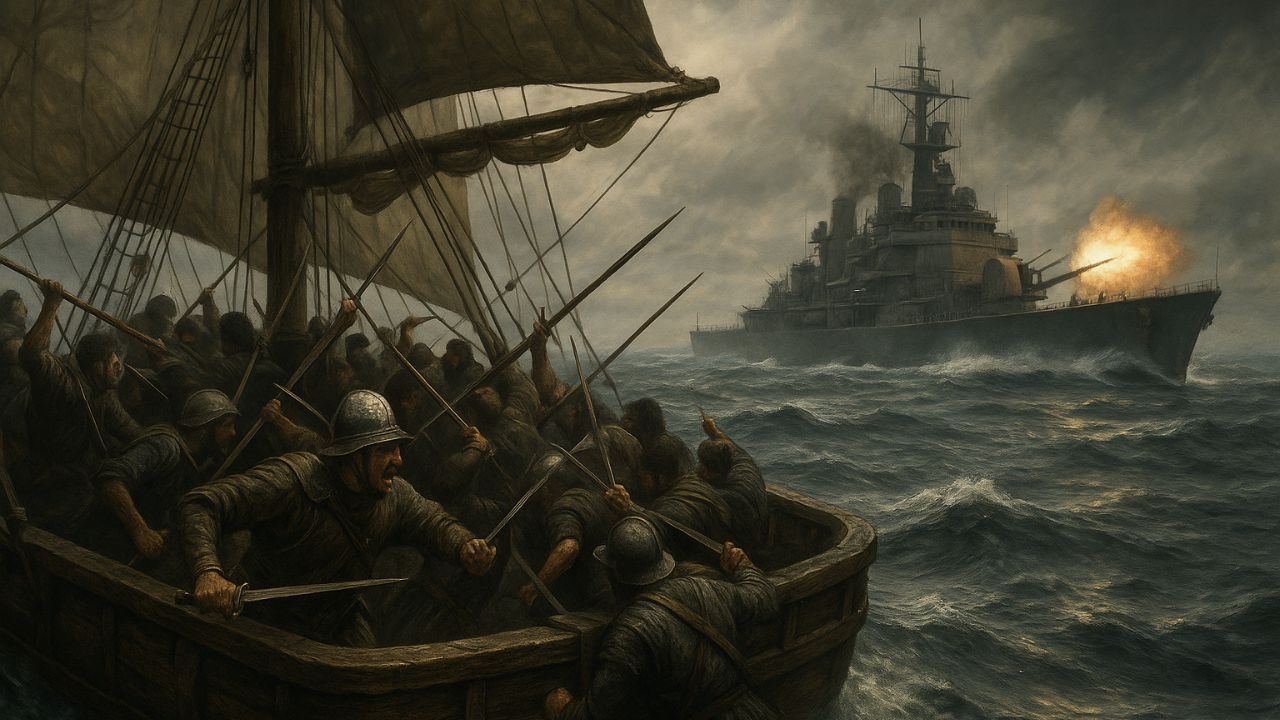
Learn About The Main Transformations In Naval History, From The First Warships To The Impact Of Cannons.
Naval history is marked by profound changes in maritime warfare strategies and technologies, from the hand-to-hand combat tactics of antiquity to the heavy fire battles driven by cannons. According to Poder Naval, maritime dominance has always been vital for protecting trade routes and asserting power among civilizations.
The Rise Of Naval Fleets And The Role Of History
Since ancient times, the sea has been more than just a route for trade: it has also been a decisive battlefield. As Poder Naval explains in its article on naval history, the increase in piracy on trade routes led societies to create their own warships. This movement gave rise to the first naval fleets, focused on protecting maritime interests and dominating strategic territories.
At that time, battles were intense and direct. It was common for ships to come close together to shoot arrows and darts, and at the height of the confrontation, engage in hand-to-hand approaches. Ramming, using the prow to pierce enemy hulls, was a common practice among ancient vessels.
-
Europe is trying to create an ammonia-powered marine engine without auxiliary fuel, which could unlock the race for giant emission-free ships. The technology aims to eliminate one of the biggest obstacles to clean maritime propulsion.

-
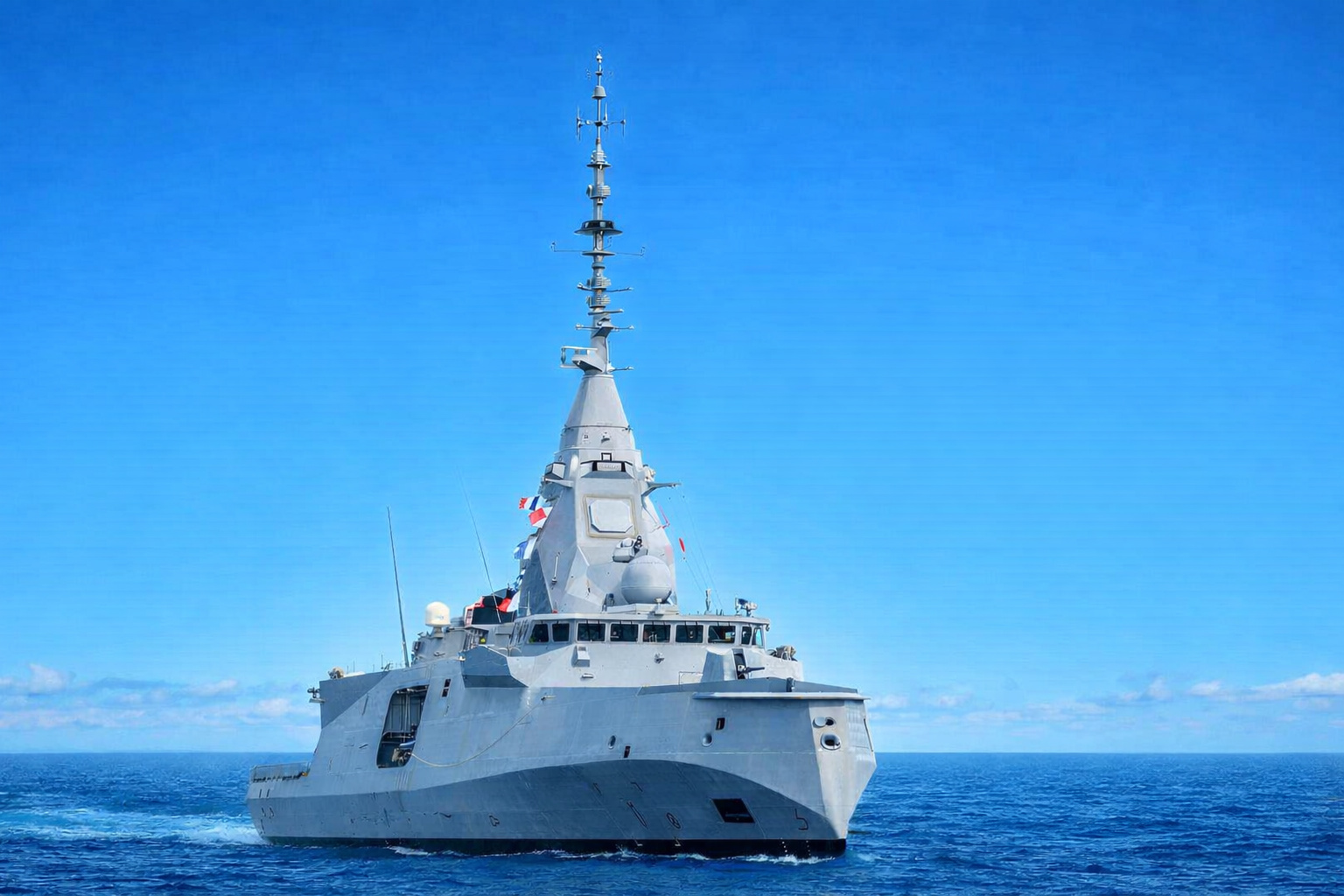
A 4,500-ton frigate with just over 100 crew members, state-of-the-art radar, and cruise missiles is being touted as the new standard of naval warfare in the 21st century.
-
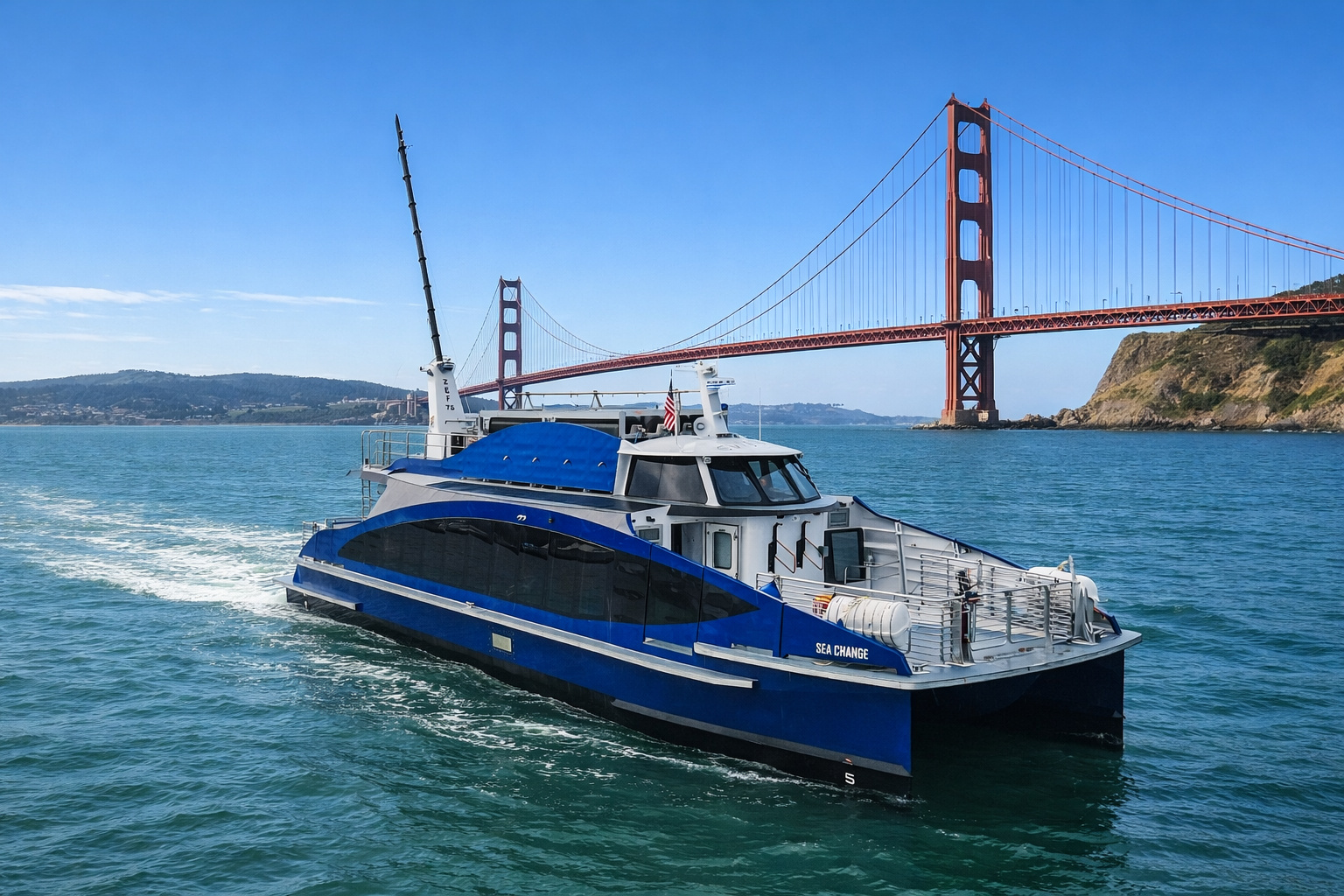
The first commercial hydrogen-powered ferry enters operation in the U.S., eliminates the use of diesel, uses fuel cells to generate clean energy on board, and transforms San Francisco Bay into a landmark of the new era of emission-free navigation.
-
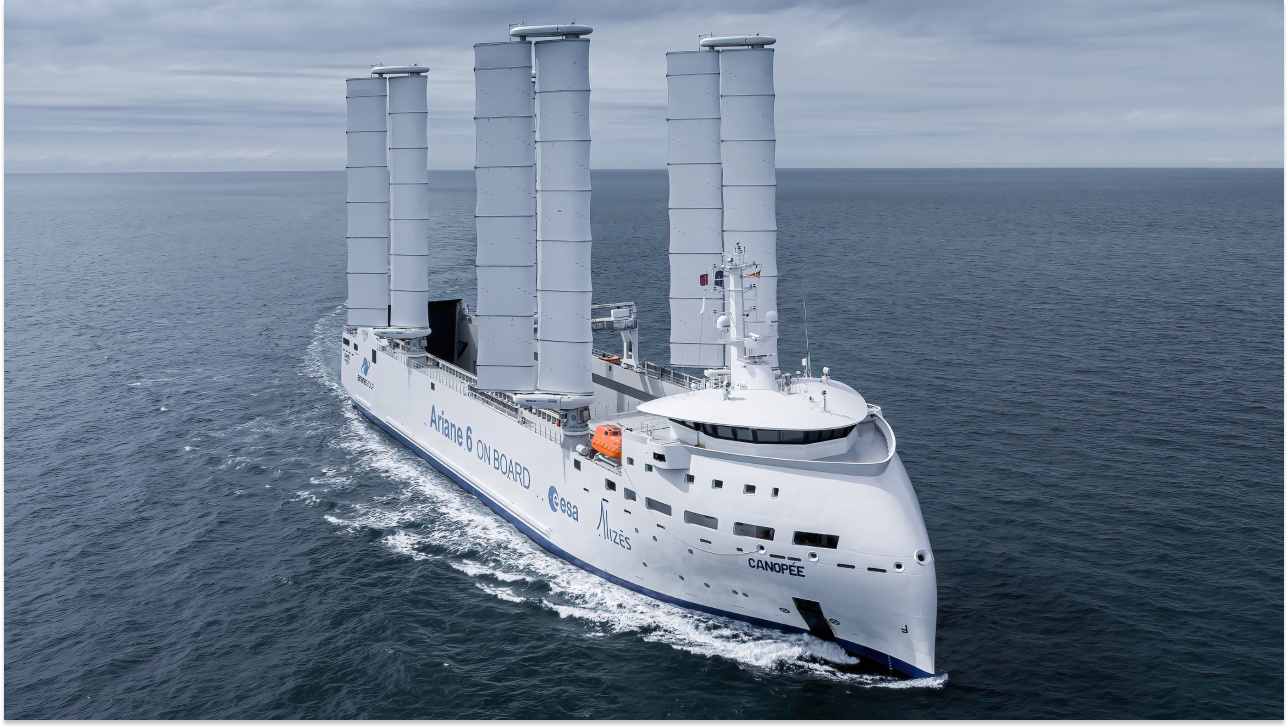
With a length of 121 meters and four rigid sails of 36 meters that automatically rotate to capture the wind, Canopée is the world’s first hybrid industrial cargo ship powered by wind, used to transport rockets and reduce fuel consumption by up to 30% on transoceanic routes.

Historical Battles Shaped Naval History
Among the most emblematic episodes in naval history is the Battle of Salamis in 480 BC. According to Poder Naval’s account, despite being outnumbered, the Greek fleet defeated the powerful Persian squadron, effectively halting Persia’s expansionist intentions toward Greece. A milestone that demonstrates how maritime dominance was already essential for the survival and autonomy of peoples.
This type of confrontation, centered on maritime skill and bravery, would be the dominant model until the arrival of new technological factors that would forever change the course of naval warfare.
The Impact Of Cannons And The End Of The Era Of Oars
With the end of the Middle Ages, the scene at sea changed drastically. The introduction of cannons on ships revolutionized the way battles were fought. As described by Poder Naval, the first cannons were positioned at the bow and stern of vessels, requiring new strategies, where destroying the enemy ship became a priority, not just the physical combat of the crew.
The Battle of Lepanto in 1571 is considered the last great clash between oared galleys, symbolizing the end of an era in naval history. From then on, maritime supremacy depended on the firepower and maneuverability of vessels armed with heavy artillery.
Naval History Reflects The Evolution Of Maritime Societies
As Poder Naval emphasizes, naval history is not just a record of wars at sea: it is also a reflection of the economic, political, and technological needs of each era. The evolution of naval strategies closely follows the transformations of civilizations, demonstrating how maritime dominance has always been (and continues to be) a key piece on the global power chessboard.
According to the book “Seapower: A Guide For The Twenty-First Century” by Geoffrey Till (an international authority on naval matters), control of the seas is seen as fundamental for security and international influence to this day, reaffirming that understanding naval history is understanding a significant part of human trajectory.







Seja o primeiro a reagir!