





 Português
  Inglês
  Espanhol
  7 min de leitura
  0 comentários


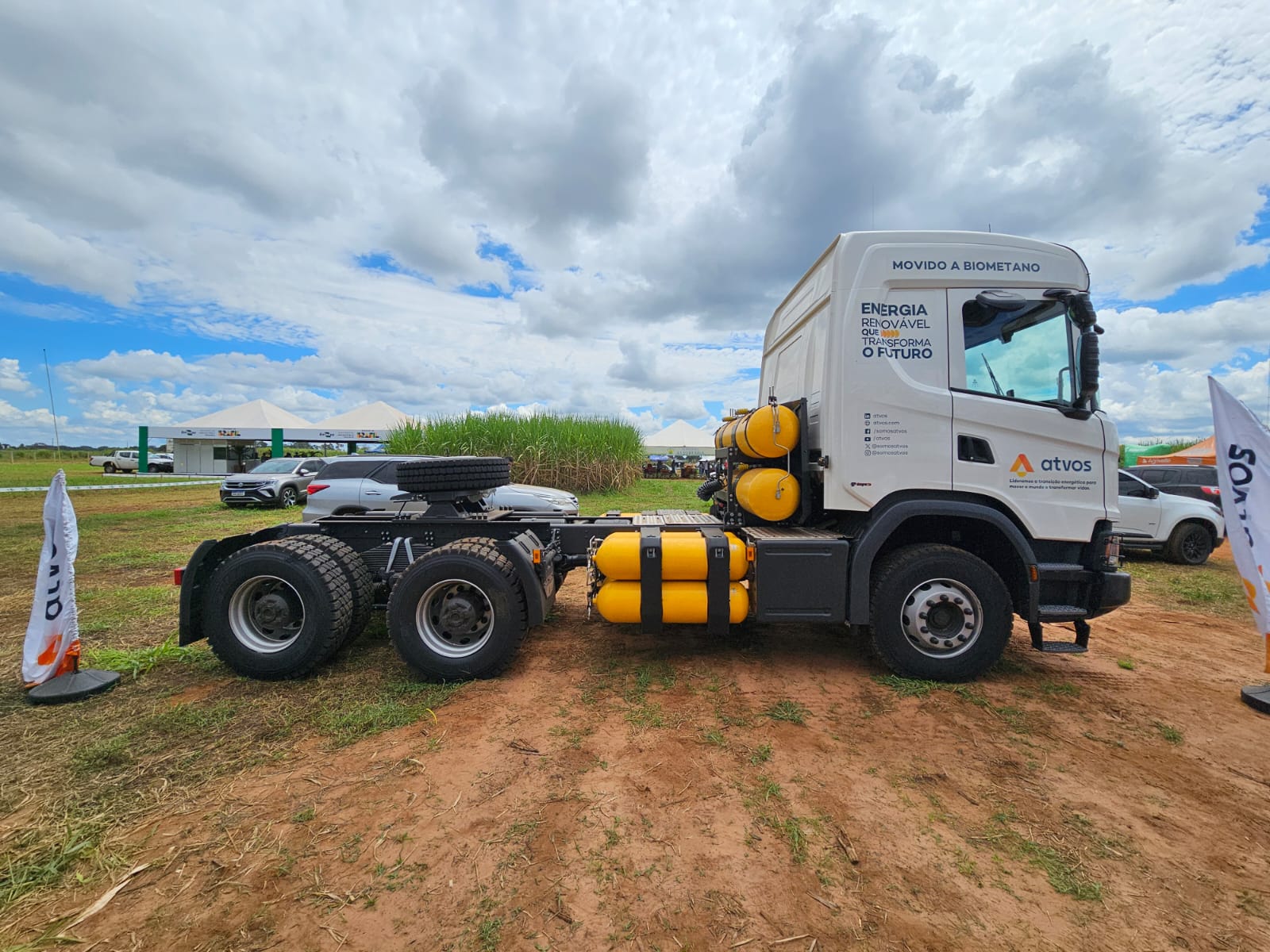
The state of Mato Grosso do Sul leads innovation in the Midwest by establishing a new axis in renewable energy through the utilization of agro-industrial waste for industrial-scale biogas production.
Mato Grosso do Sul officially confirms its prominent position in the national scenario by structuring a new axis in renewable energy with the accelerated advancement of its first large-scale biogas plant. The project utilizes organic waste from sugarcane processing and livestock farming to generate a clean fuel capable of replacing diesel in heavy fleets and supplying local industries.
This initiative connects the strength of the agribusiness sector in Mato Grosso do Sul directly to the natural gas infrastructure. Creating a circular economy that reduces emissions and lowers regional energy costs. The state government and private investors are allocating hundreds of millions of reais to enable purification units that transform biogas into biogas with the purity standard required by ANP.
In addition to strengthening energy security, the project attracts new industries seeking sustainability certifications, generating hundreds of qualified jobs in the interior of the state.
-
The Economist states that Brazil has a “secret weapon” against expensive oil and highlights how the country can reduce economic impacts even in international scenarios of high volatility.
-
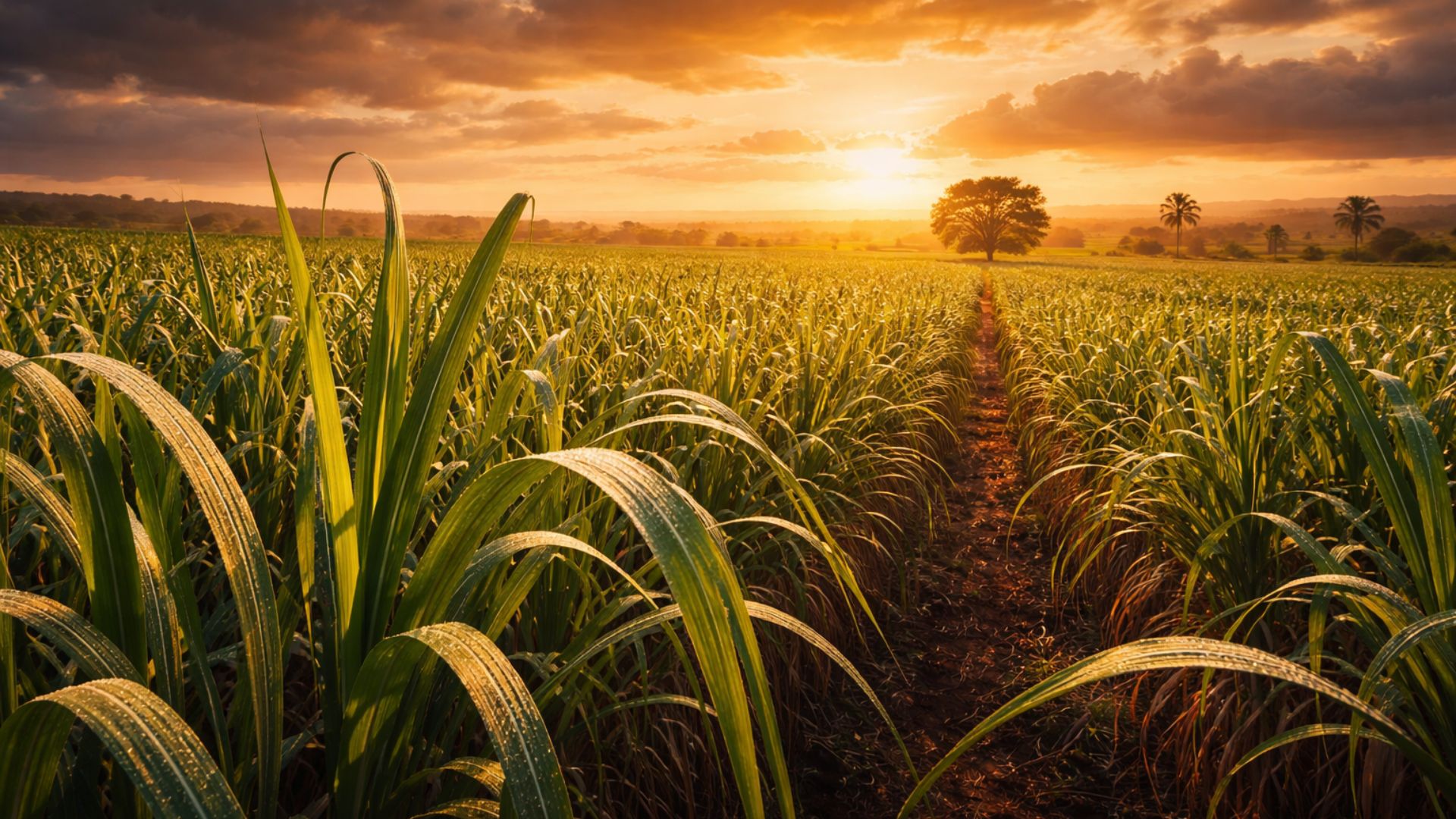
Brazil accelerates decarbonization in the South: International forum in Foz do Iguaçu gathers leaders to discuss the advancement of biomethane in the energy matrix and the potential of “caipira pre-salt.”
-
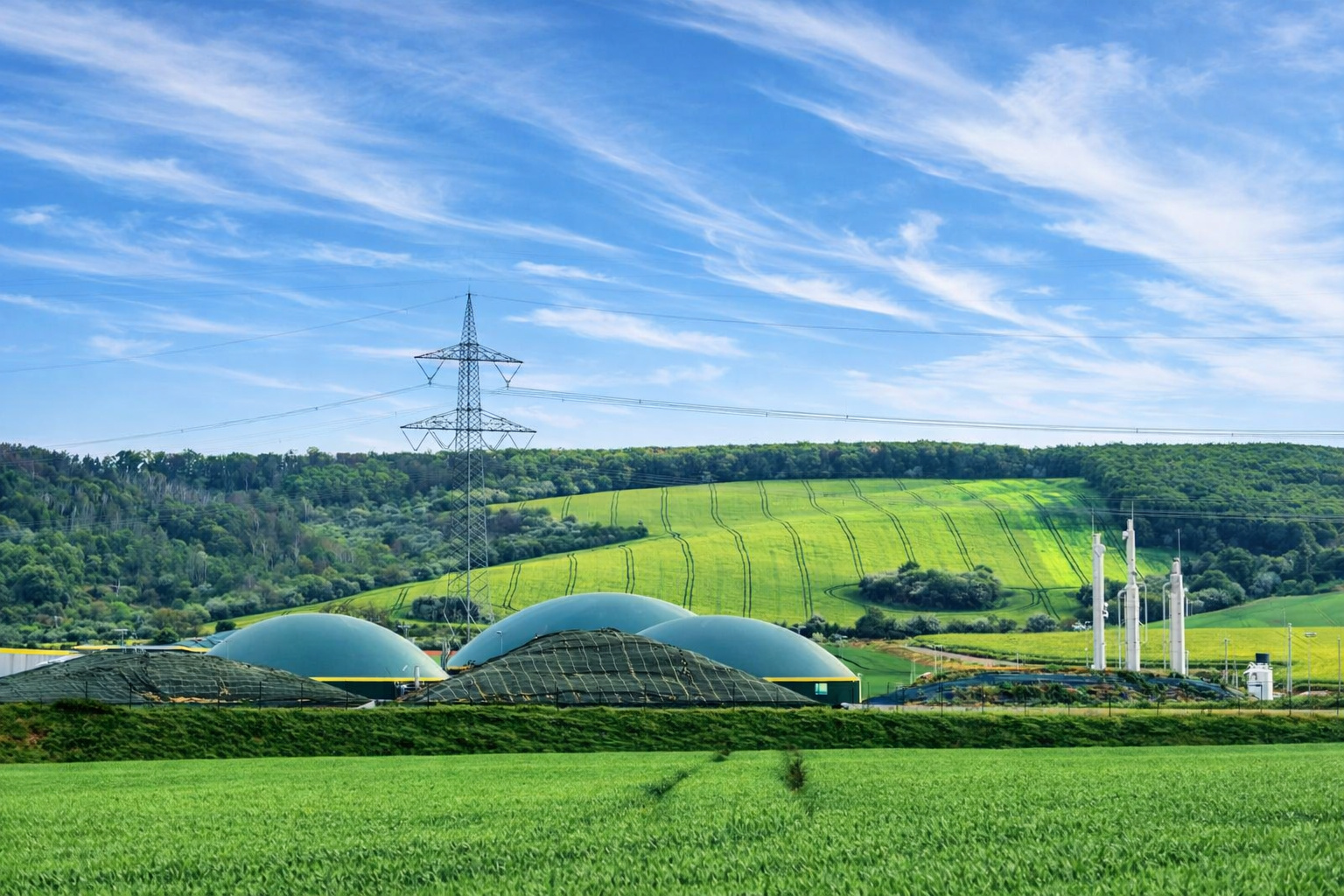
As diesel prices soar due to conflicts in the Middle East, a Brazilian city decides to test a little-known biofuel that promises to completely replace fossil fuel without adaptation and could change the future of energy in the country.
-
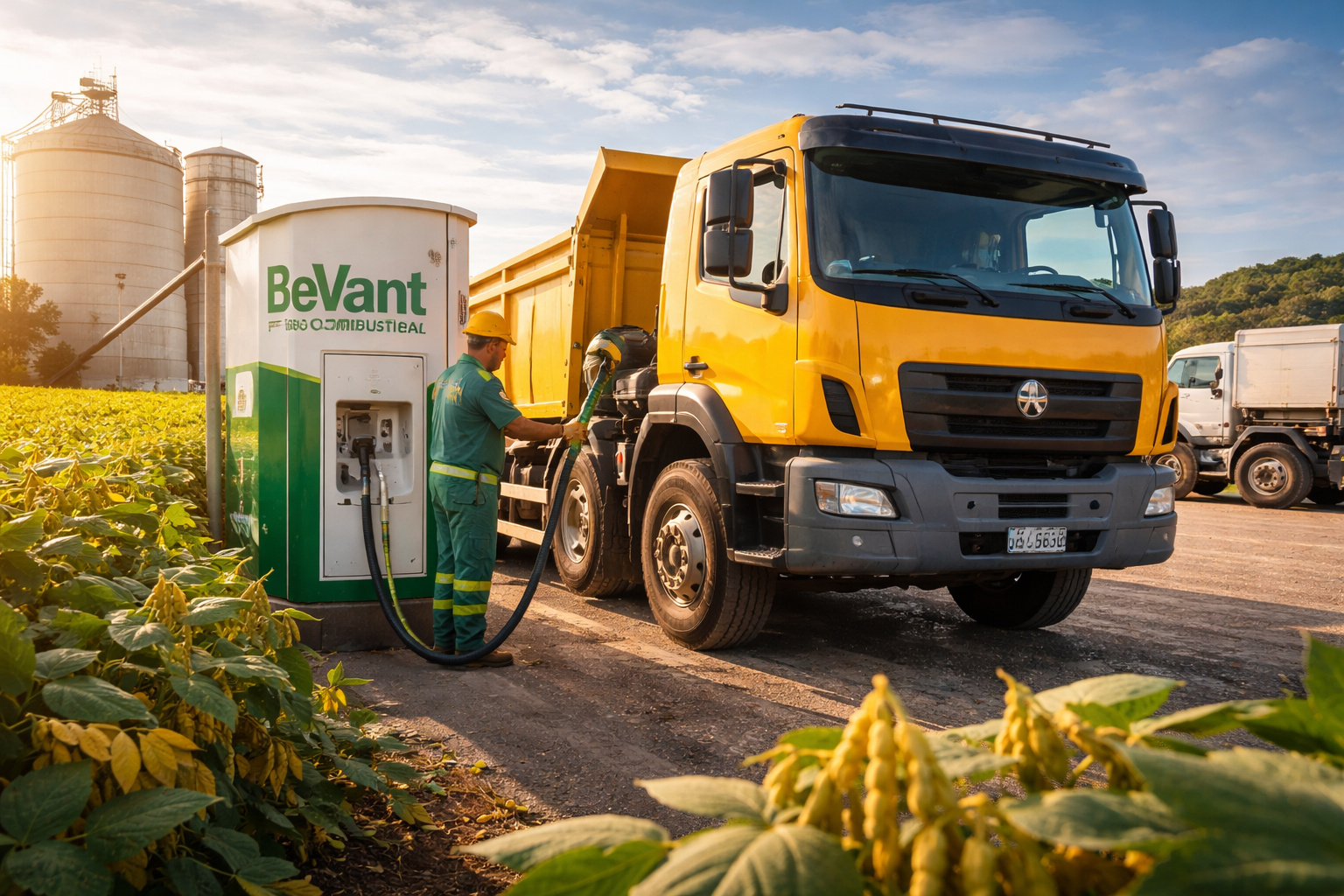
Innovation with biofuel engines transforms agribusiness by replacing diesel without the need for major adaptations, ensuring energy efficiency and helping to reduce dependence on oil.
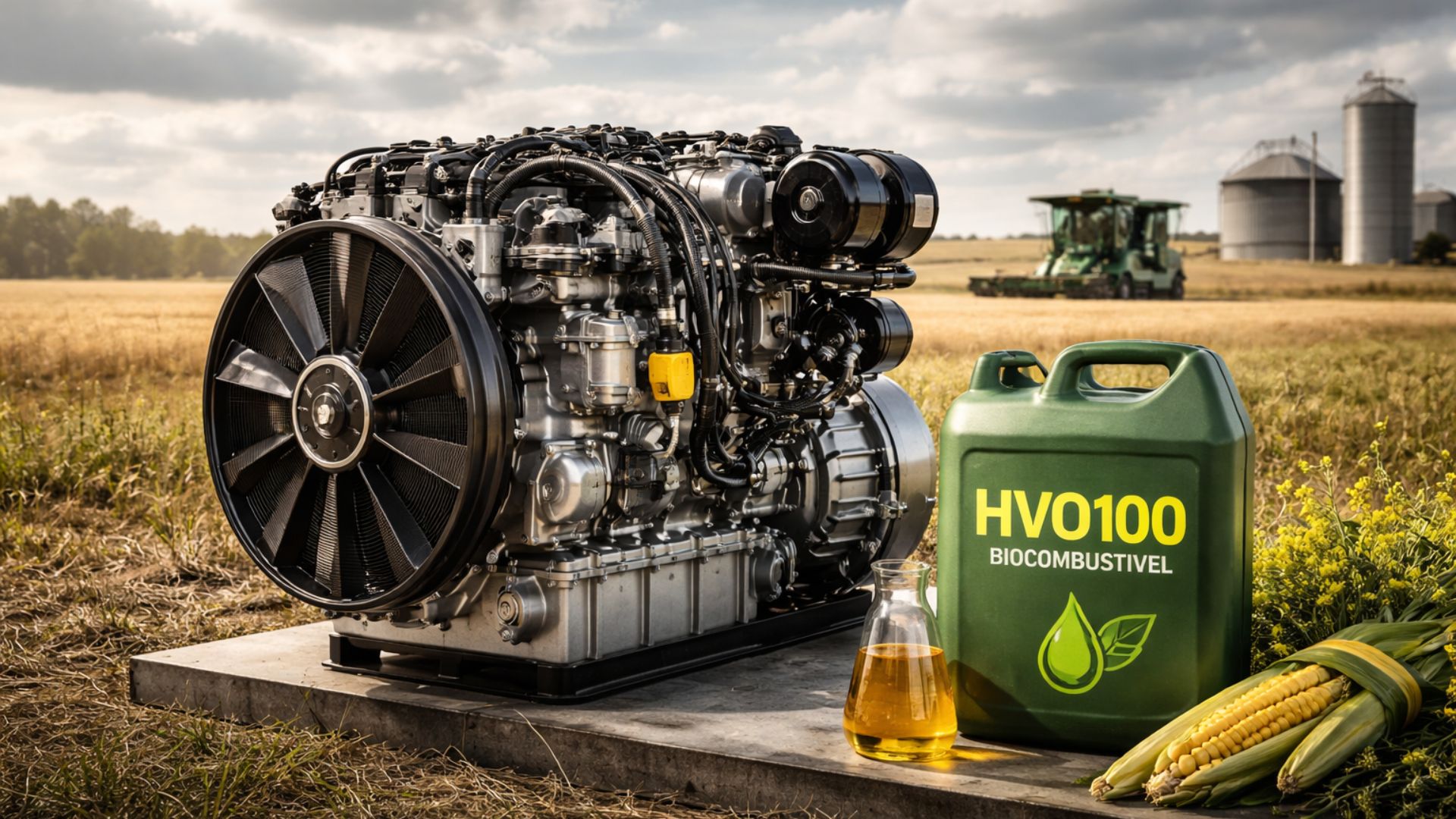

Mato Grosso do Sul is no longer just an exporter of grains but is becoming a technological hub for clean energy. Proving that the interior of Brazil holds the key to decarbonizing the transportation and infrastructure matrix.
The potential of agribusiness in forming the new axis in renewable energy
The geography and economic strength of Mato Grosso do Sul favor the creation of this new axis in renewable energy. The state has one of the largest sugarcane planted areas in the country and a gigantic cattle herd. Previously, the mills discarded or used vinasse and filter cake only as simple fertilizers.
Now, these by-products feed modern biodigesters that capture methane, a gas with high greenhouse potential, transforming an environmental liability into a high-value financial asset.
The transition to biogas represents an unprecedented logistical gain. The state crosses the Bolivia-Brazil Gas Pipeline (Gasbol), which facilitates the insertion of renewable gas into the existing distribution network.
This infrastructure allows biogas to reach the pulp and paper industries and fuel stations without the need to build thousands of kilometers of new pipelines. Mato Grosso do Sul leverages its logistics network to accelerate the delivery of energy that the global market urgently demands.
Impact on the transport fleet and reduction of operational costs
The transport sector consumes most of the diesel in Brazil, and the new axis in renewable energy offers a direct alternative to this bottleneck. Trucks powered by biogas are already circulating in tests on the highways of Mato Grosso do Sul, showing a reduction of up to 30% in fuel costs compared to fossil diesel.
In addition to financial savings, these vehicles emit about 90% fewer pollutants, contributing to the ESG (Environmental, Social, and Governance) goals of large carriers and cooperatives.

Large groups in the pulp and paper sector, located in cities like Três Lagoas and Ribas do Rio Pardo, see biogas as the definitive solution to decarbonize their logistics.
Local fuel production eliminates dependence on fluctuations in international oil prices and reduces transportation costs for fuels coming from distant refineries. Mato Grosso do Sul thus creates an ecosystem where the energy produced on the farm fuels the truck that transports the harvest, closing a cycle of maximum efficiency.
Biodigestion and biogas purification technology
The consolidation of the new axis in renewable energy requires cutting-edge technology at all stages of production. The biogas plants in Mato Grosso do Sul use continuous flow biodigesters, where microorganisms decompose organic matter in an oxygen-free environment.
The resulting biogas goes through purification columns (upgrading), which remove impurities such as carbon dioxide and hydrogen sulfide. The final product thus has the same physical-chemical properties as conventional natural gas, allowing its use in any adapted equipment.
Investment in automated control centers ensures operational safety and consistent gas quality. State-of-the-art sensors monitor the chemical composition of the fuel in real-time, ensuring that biogas meets the stringent standards of the National Agency of Petroleum (ANP).
This technical precision attracts the confidence of large industries that cannot interrupt their production lines due to energy supply failures. The state invests in the “gas factory” of the future, uniting biology and precision engineering.
Job creation and regional development in the interior of the state
The expansion of this new axis in renewable energy decentralizes economic development, bringing investments to interior cities. The construction and operation of a biogas plant require specialized labor in various fields, such as chemical, mechanical, electrical engineering, and industrial automation technicians.


Senai and local universities are already adapting their courses to train professionals capable of operating these new energy plants.
In addition to direct jobs, the supply chain gains strength. Maintenance companies, suppliers of valves, compressors, and specialized gas transport companies find in Mato Grosso do Sul a market in full ascent.
The increase in income in the interior stimulates local commerce and improves tax collection for municipalities, which can reinvest these funds in health and education. Clean energy thus serves as a driver of social transformation, offering career prospects for young people who previously had to migrate to capitals in search of opportunities.
Sustainability and carbon credits: The invisible value of energy
The new axis in renewable energy places Mato Grosso do Sul on the global map of carbon credits. By preventing methane from escaping into the atmosphere during waste decomposition, the plants generate environmental assets that global companies purchase to offset their own emissions.
This parallel market injects extra capital into projects, thereby increasing the economic viability of biogas plants and accelerating the return on investment for shareholders.
The sustainability of the project meets the requirements of the RenovaBio program from the federal government. The plants that produce biogas receive Decarbonization Credits (CBIOs), which fuel distributors must acquire mandatorily.
This financial mechanism ensures that Mato Grosso do Sul receives payments for environmental services provided to the planet. The preservation of the Pantanal and the region’s watersheds gains a technological ally, as proper waste management prevents soil and river contamination.
The role of thermal security in the energy transition of Mato Grosso do Sul
Although the focus is on biogas, the state understands that the new axis in renewable energy depends on thermal security to maintain stability. Since biogas can be stored and dispatched according to demand, it acts as a “chemical battery.”
Unlike solar energy, which stops generating at night, a thermal plant powered by biogas delivers electricity 24 hours a day, 7 days a week.
This characteristic allows Mato Grosso do Sul to keep its industries running even during water crises or periods of low solar incidence. Thermal security ensures that the transition to low carbon occurs without risks of supply shortages.
The biogas acts as the perfect fuel for this function, as it offers the stability of natural gas with the zero environmental footprint of the renewable sector. The state builds a resilient matrix capable of facing the climate challenges of the 21st century with autonomy.
Future prospects: Green hydrogen and expansion of the gas network
The advancement of the new axis in renewable energy paves the way for even more ambitious technologies, such as green hydrogen. Biogas can serve as a raw material for hydrogen production through steam reforming with carbon capture (blue hydrogen) or as support for electrolysis.

Mato Grosso do Sul is already studying export corridors that connect its biogas plants to the ports of Rio de Janeiro and São Paulo, utilizing the existing rail and road networks.
The expansion of the gas network to smaller cities is also part of the long-term plans. The creation of “biogas islands,” isolated distribution systems that do not depend on the main pipeline, can bring gas to distant industrial districts.
This decentralized energy model democratizes access to cheap and clean fuel, allowing small towns to attract food processing industries. Mato Grosso do Sul envisions a future where energy is no longer a bottleneck but rather the main competitive advantage of the state.
Mato Grosso do Sul as a model of circular economy establishing the new axis in renewable energy
The establishment of the new axis in renewable energy confirms Mato Grosso do Sul as an international reference in bioeconomy. The state proves that modern agribusiness not only produces food but also the energy necessary to move the country.
By transforming waste into biogas, MS solves historical environmental problems and generates real wealth for its population.
The energy transition takes on practical and profitable contours in the lands of Mato Grosso do Sul. With the support of clear public policies and the boldness of the private sector, the state leads the march towards a zero-carbon Brazil.
Biogas is just the beginning of a revolution that promises to reshape Brazilian infrastructure, proving that sustainability is the best business for the present and the only guarantee for the future.








Seja o primeiro a reagir!