






 Portuguese
  Spanish
  2 min of reading
  0 comments


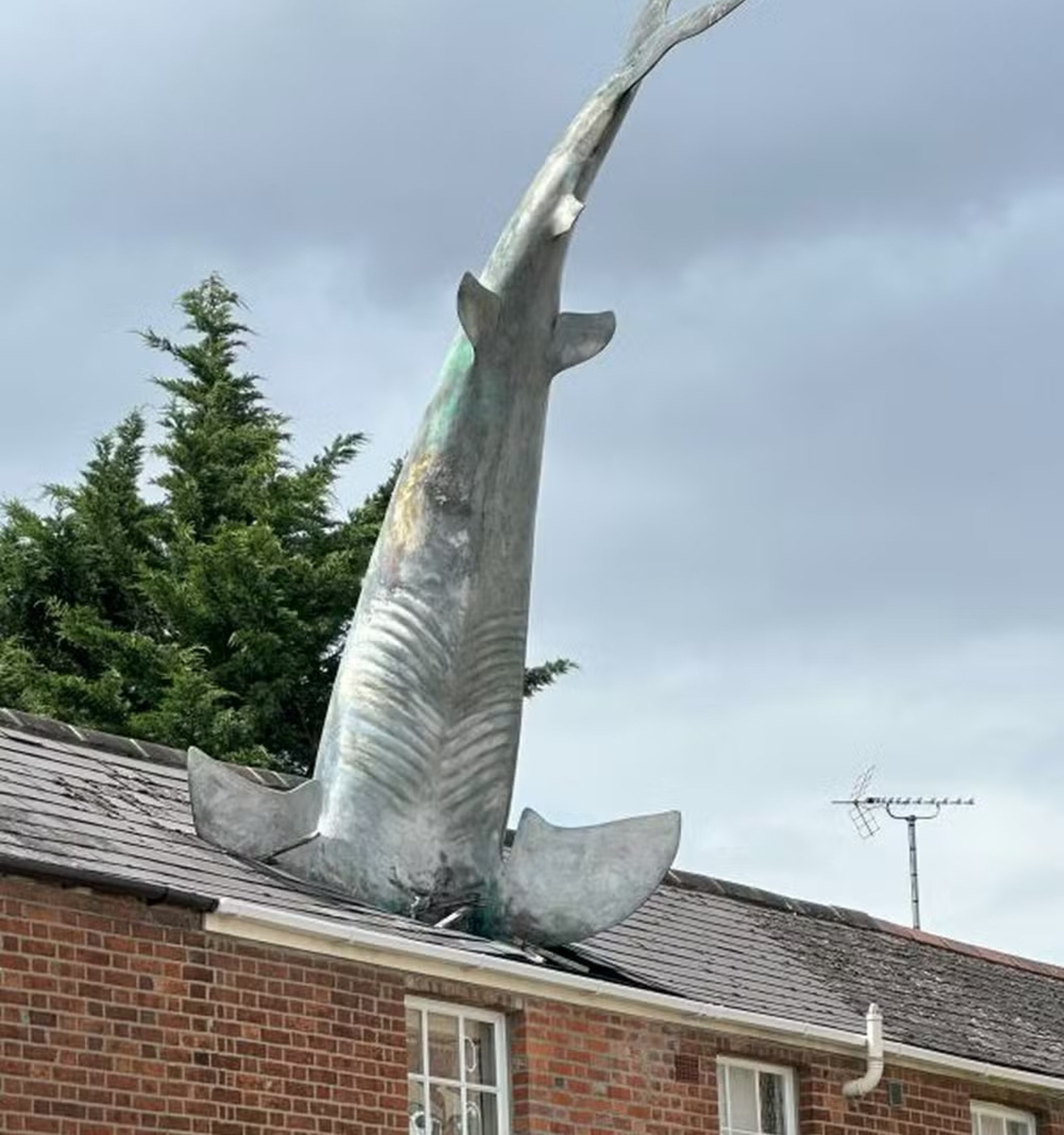
Installed in 1986, the 7.6-meter shark sculpture transformed a house in Oxford into a tourist attraction and urban symbol
A house in Oxford, England, became an international attraction after receiving, in 1986, a shark sculpture about 7.6 meters long embedded in the roof, a work that has survived official disputes and today draws visitors to the address.
Origin of the intervention
The piece was conceived by British journalist Bill Heine for his residence in Headington and produced by sculptor John Buckley. Made of fiberglass and steel, it was placed without prior authorization.
The shark on the roof appeared on August 9, the anniversary of the atomic bombing of Nagasaki.
-
Alcohol consumption will decrease in the next decade, says a study revealing a silent transformation in the habits of millions of people worldwide.

-
Family trades chayote for 100,000 chickens, abandons agricultural tradition after decades, and transforms property in the interior of SP into a reference for demanding exports like those to China and other global markets.

-
ID for people with diabetes? Project approved by the Chamber provides for identification on the document, new rights in the SUS, and changes in schools and at work.
-
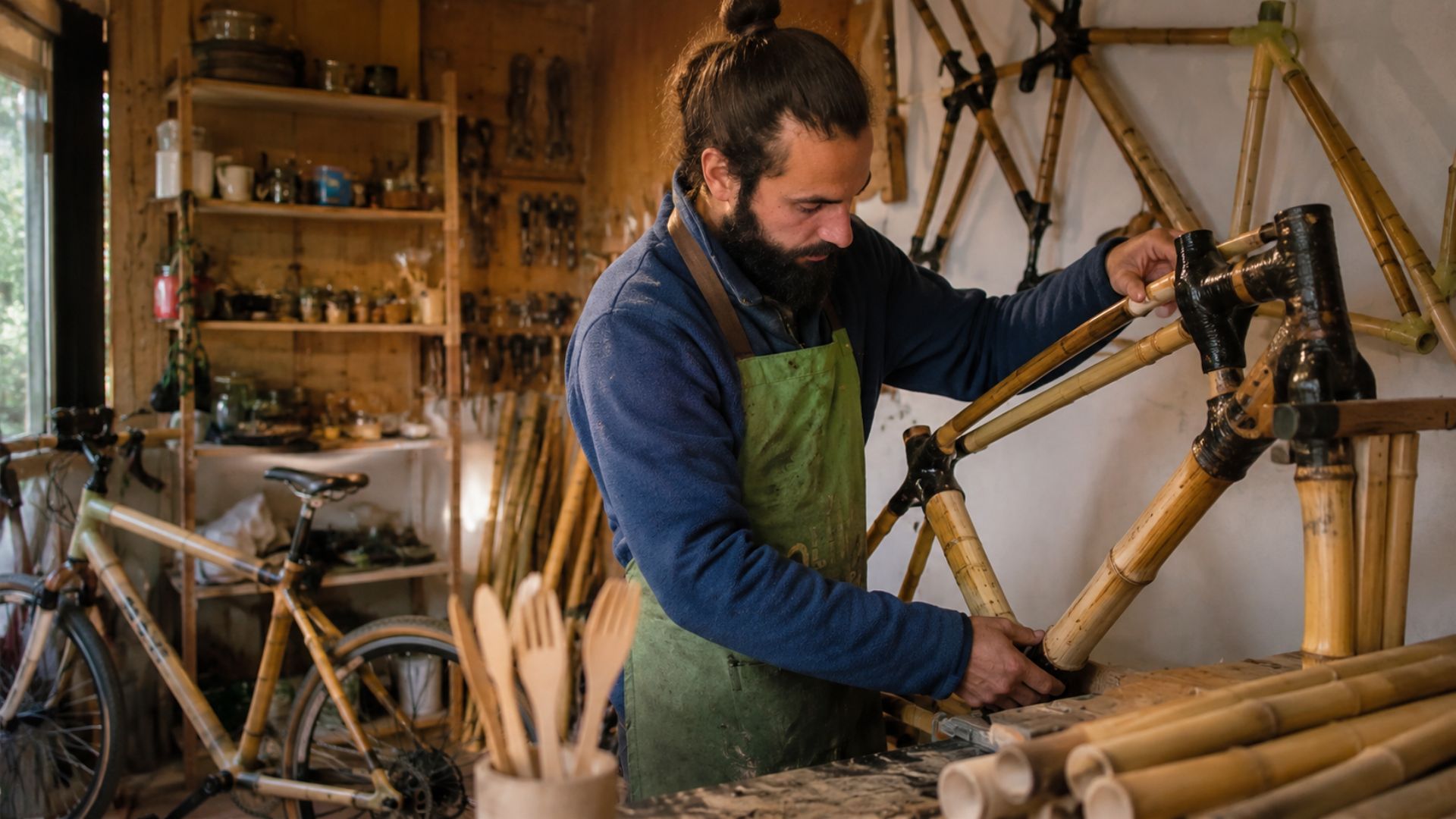
What many people consider a weed has become a bicycle in the hands of a Chilean. José Tomás transforms coligüe, a native bamboo that grows up to five times faster than pine, into bikes, canes, and cutlery.


The installation was conceived as a visual metaphor for sudden destruction and vulnerability, amid the military tension of the 1980s.
Reaction and dispute
The intervention generated a strong reaction among residents and local authorities. The public power tried to prevent the work from remaining, initiating a dispute that extended for years between the owner and the municipal council.
Over time, the shark on the roof was authorized to stay. The work ceased to be merely a cause of urban controversy and began to occupy a tourist and symbolic place within the landscape of Headington.
Shark on the roof: Attraction in Oxford
Today, visitors frequently stop on the street to photograph the property. The address has established itself as one of the biggest curiosities in Oxford, driven by the visual impact of the sculpture crossing the tiles.
The house currently belongs to Magnus Hanson-Heine, son of Bill Heine, who inherited the property in 2019.
In recent years, the interest surrounding the shark on the roof has led the owner to offer temporary accommodations on-site.
Economic and urban impact
The daily rates reached £1,000, about R$6,300 at the current exchange rate. Later, the municipal council prohibited the use as short-term rental and mandated the return of the house to permanent residence.
Even off the platforms, the sculpture continues to influence the neighborhood. Neighboring properties have begun to use it as a reference to attract guests, while the shark on the roof continues to be cited in debates about creative freedom and urban space.
With information from Casa e Jardim.





-

1 person reacted to this.