





 Portuguese
  English
  Spanish
  2 min of reading


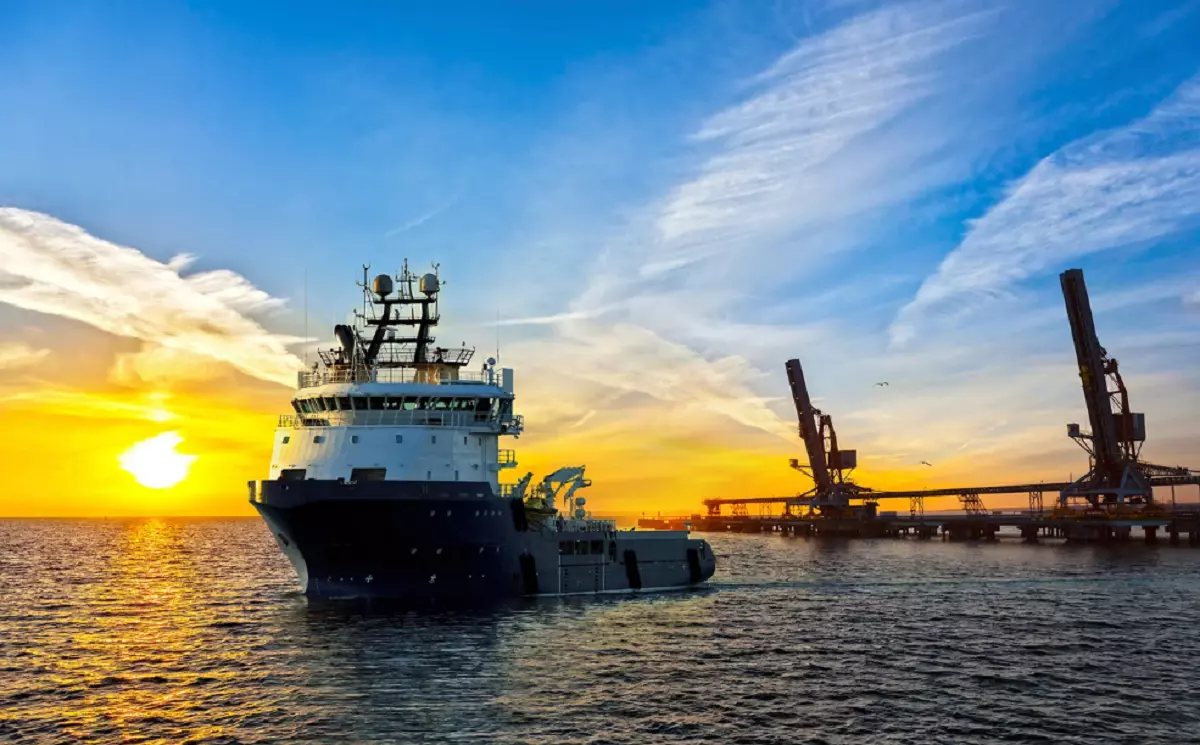
About 69 Foreign Vessels Changed Their Flags to the National Flag
January had its offshore support fleet in Brazilian jurisdictional waters closed with a total of 418 vessels (the same number as last December), representing a 5.5% increase compared to January 2022. According to the Brazilian Association of Maritime Support Companies (Abeam), 377 of the total were Brazilian-flagged ships and 41 were foreign-flagged.
When compared to 2015, when demand began to be impacted by the downturn in the oil and gas sector, 105 foreign vessels were decommissioned and 105 Brazilian-flagged vessels were added. Already in January of this year, about 69 vessels that were of foreign origin changed their flags to the national flag.
National Origin Fleet and Its Increase
The offshore support fleet of national origin increased from 90% to 91% compared to November of last year, while 11% correspond to support vessels of foreign origins. In January of this year, Abeam’s report identified a fleet of 418 vessels, with 377 of Brazilian origin and 41 of foreign flags. In November, there were 420 vessels, of which 377 were of Brazilian origin and 43 were of foreign flags.
-
Historic bankruptcy of Centauro shocks the market, and the century-old company puts more than 500,000 products, machines, and complete infrastructure up for online auction.

-
New shoe factory in Ceará is expected to create 400 jobs and strengthen the local economy.
-
No one imagined it, but a mixture of sawdust with a mineral that fights fires surprises scientists with a result that changes the course of fire-resistant construction.

-
From empty land to a high-end house, wooden construction uses a lightweight system, metal structure for the foundation, ventilated ceramic cladding, and special windows to create an efficient and comfortable living space throughout the year.


Not all vessels listed in the publication are in operation, as the survey includes ships that may or may not be supported by contracts, be in the spot market, under maintenance, or out of operation. For greater specificity, the report does not consider vessels of the types launches, research vessels, or vessels with a capacity of less than 100 TPB or BHP of less than 1,000.
According to the Sinaval website, this data was obtained from the National Agency for Waterway Transport (Antaq) and the Directorate of Ports and Coasts of the Navy (DPC), through specialized publications and information from offshore companies.
The Different Vessels That Composed the Offshore Support Fleet in January
According to Abeam’s survey, the offshore support fleet in January was composed of 45% PSVs (supply transport) and OSRVs (oil spill response), totaling 187 vessels. Another 19% were AHTS (anchor handling) and SVs (mini suppliers), representing 79 vessels.
In addition, the AHTS (anchor handling tug supply) accounted for 56 boats during the period (13%), while 25 support units were FSVs (fast supply vessels) and crew boats (crew transport), 18 RSVs (vessels equipped with robots), 17 PLSVs (pipeline-laying support vessels), and 14 MPSVs (multipurpose supply vessels).









Seja o primeiro a reagir!