Portuguese
  Spanish



About 69 Foreign Vessels Changed Their Flags to the National Flag
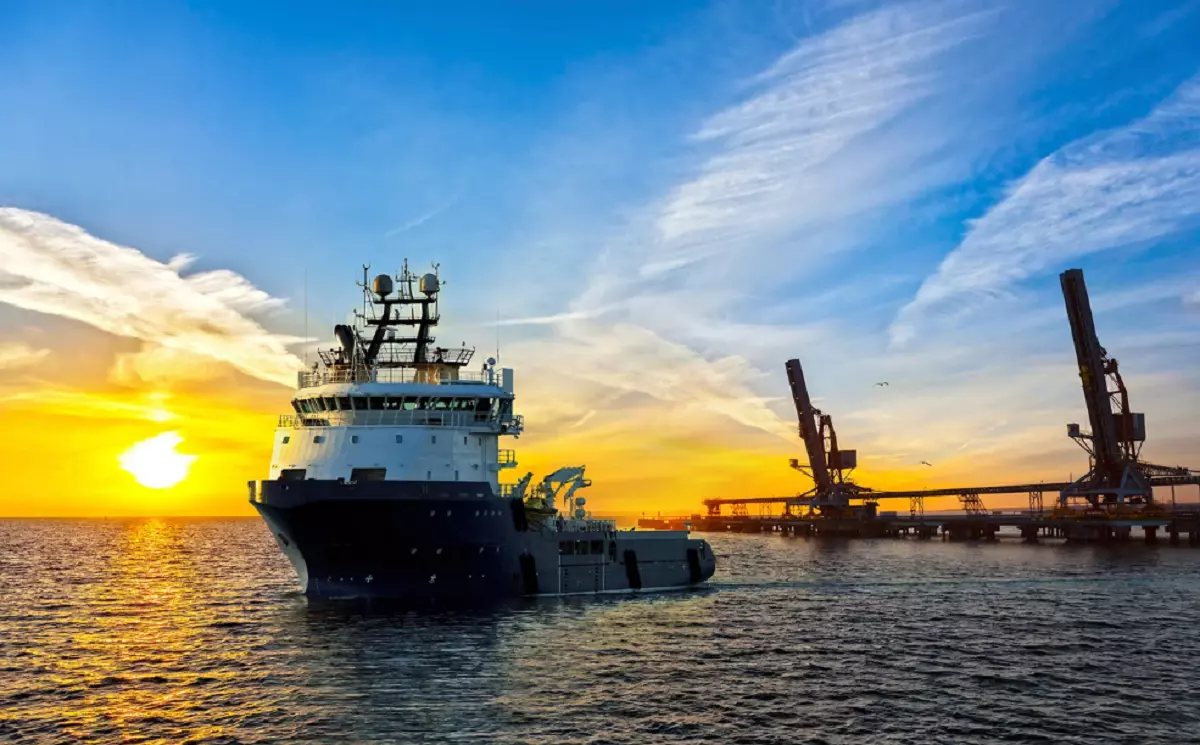
January had its offshore support fleet in Brazilian jurisdictional waters closed with a total of 418 vessels (the same number as last December), representing a 5.5% increase compared to January 2022. According to the Brazilian Association of Maritime Support Companies (Abeam), 377 of the total were Brazilian-flagged ships and 41 were foreign-flagged.
When compared to 2015, when demand began to be impacted by the downturn in the oil and gas sector, 105 foreign vessels were decommissioned and 105 Brazilian-flagged vessels were added. Already in January of this year, about 69 vessels that were of foreign origin changed their flags to the national flag.
National Origin Fleet and Its Increase
The offshore support fleet of national origin increased from 90% to 91% compared to November of last year, while 11% correspond to support vessels of foreign origins. In January of this year, Abeam’s report identified a fleet of 418 vessels, with 377 of Brazilian origin and 41 of foreign flags. In November, there were 420 vessels, of which 377 were of Brazilian origin and 43 were of foreign flags.
-
They exchanged the idea of a large house for a 35 m² warehouse, spent US$ 12,000 on the structure, and created a tiny house in Colorado with space to live and work.

-
While modern cities rely on pumps and electricity, in Iran, ancient tunnels carried water through the desert using only slope and gravity.
-
Instead of sending families far from the city, a project in Chile intentionally created incomplete houses on expensive urban land and left technical space for each to grow.
-
General Motors Replaces Over a Thousand Workers with 50 Cobots at Electric Vehicle Plant, UAW Union Criticizes Move Amid Industry’s Automation Push


Not all vessels listed in the publication are in operation, as the survey includes ships that may or may not be supported by contracts, be in the spot market, under maintenance, or out of operation. For greater specificity, the report does not consider vessels of the types launches, research vessels, or vessels with a capacity of less than 100 TPB or BHP of less than 1,000.
According to the Sinaval website, this data was obtained from the National Agency for Waterway Transport (Antaq) and the Directorate of Ports and Coasts of the Navy (DPC), through specialized publications and information from offshore companies.
The Different Vessels That Composed the Offshore Support Fleet in January
According to Abeam’s survey, the offshore support fleet in January was composed of 45% PSVs (supply transport) and OSRVs (oil spill response), totaling 187 vessels. Another 19% were AHTS (anchor handling) and SVs (mini suppliers), representing 79 vessels.
In addition, the AHTS (anchor handling tug supply) accounted for 56 boats during the period (13%), while 25 support units were FSVs (fast supply vessels) and crew boats (crew transport), 18 RSVs (vessels equipped with robots), 17 PLSVs (pipeline-laying support vessels), and 14 MPSVs (multipurpose supply vessels).