





 Portuguese
  English
  Spanish
  3 min of reading


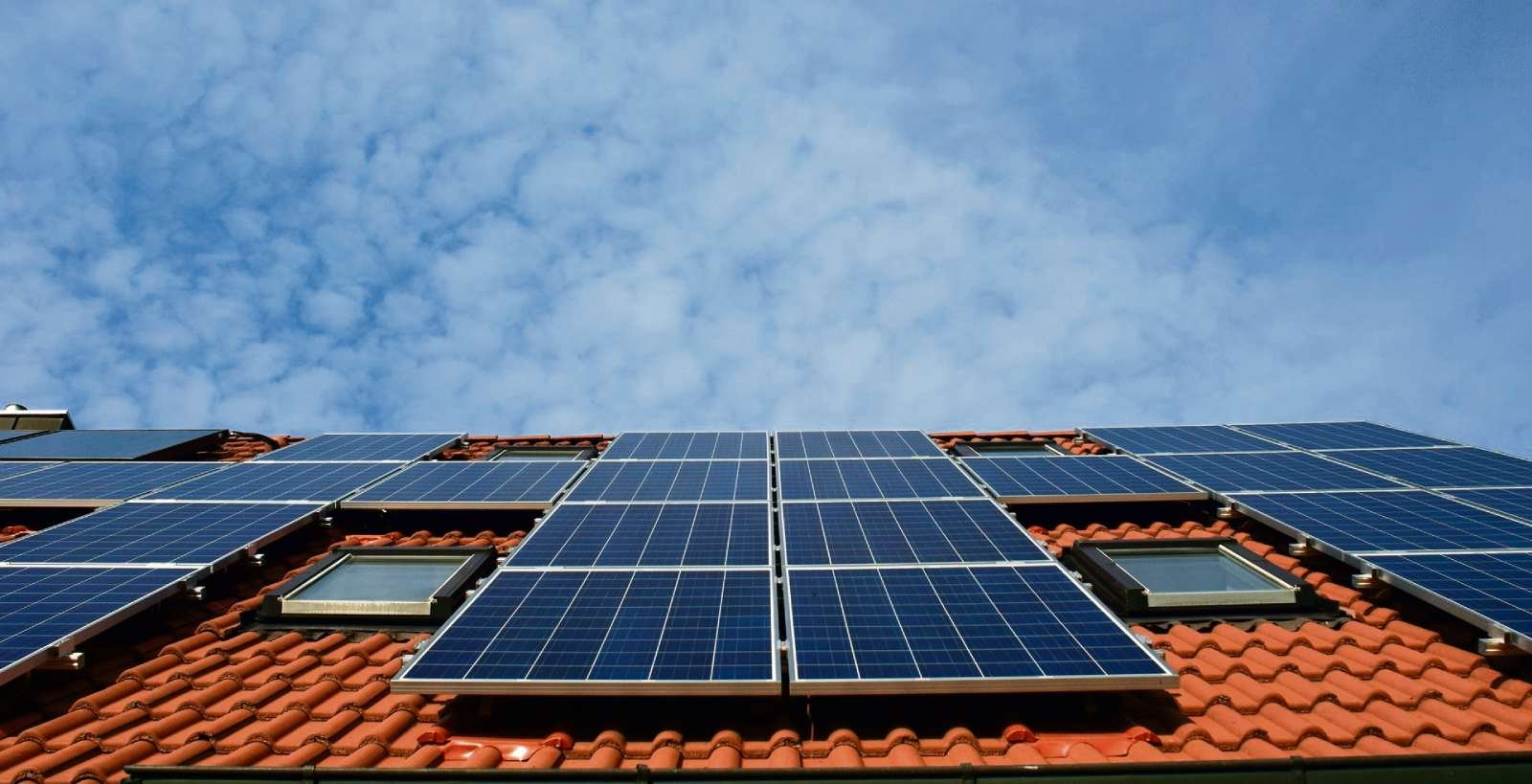
The Fuel Station Network of Autoposto Achieved Significant Savings by Adopting Its Own Solar Energy System
For fuel stations, reducing expenses is a constant challenge that they need to deal with regularly. For those that operate 24 hours, it is even more difficult: the need to keep the facade illuminated and facilities like restaurants, bathrooms with showers, and car washes running seven days a week increases all costs. And with the constant rise in electricity rates over the past few years, saving money is becoming an increasingly unrealistic task. Therefore, solar energy has become an alternative for these establishments and is being used to manage expenses and increase profitability.
Read Also:
- Petrobras: 357 Employees from Hibernated Fields Transferred to Refinery
- Mineradora RMB Starts Environmental Licensing for Manganese Project in Pará. 2,500 New Jobs Will Be Created
- Bill for Creating the Legal Framework for Mini Generation of Energy from Renewable Sources is Sanctioned, but Benefits Vetoed by President Jair Bolsonaro
“Most establishments in the sector that invest in solar energy have a monthly consumption of up to 20,000 kWh,” says Tassio Barboza, technical director of Enersol Brazil, a company specialized in project development, installation, and maintenance of solar energy systems in the Northeast region.
This is the case with Autoposto Reforço, a network that has been operating on northeastern roads for 38 years and invested in the solar energy system to ensure the quality of service at its four units. With two stations in Bahia, one in Sergipe, and one in Alagoas, the group receives about 1,300 travelers and 1,200 trucks daily, which fuel the vehicles and use the facilities as a barbecue restaurant, car wash, bathroom, and parking area.
-
The Brazilian state accelerates industrial competitiveness with a focus on the extraction of strategic minerals to boost the energy transition in Goiás.

-
Seagri’s headquarters invests in solar energy with Neoenergia Coelba and promises to cut electricity costs, highlighting a strategic advance in sustainability and energy efficiency within state public administration.
-
A Canadian retiree creates a hydroelectric system on a real river, generating energy continuously throughout the day and demonstrating how the power of water can supply a house with stability even in a simple structure.

-
Solar Pyramid draws attention by converting solar energy into million-dollar savings and repositioning the City Hall of Curitiba as an example of innovation, sustainability, and intelligent use of public resources.

These services incurred a cost of R$ 145,000 per month for Reforço’s electricity bill, with the yellow flag rate. “We decided to invest in solar energy to try to eliminate or reduce that bill as much as possible,” said Joemir Mocellin, administrative director of Reforço. Developed by Enersol in partnership with Fronius, the solar energy plan for Rede Reforço represented an investment of over 5.35 million reais.
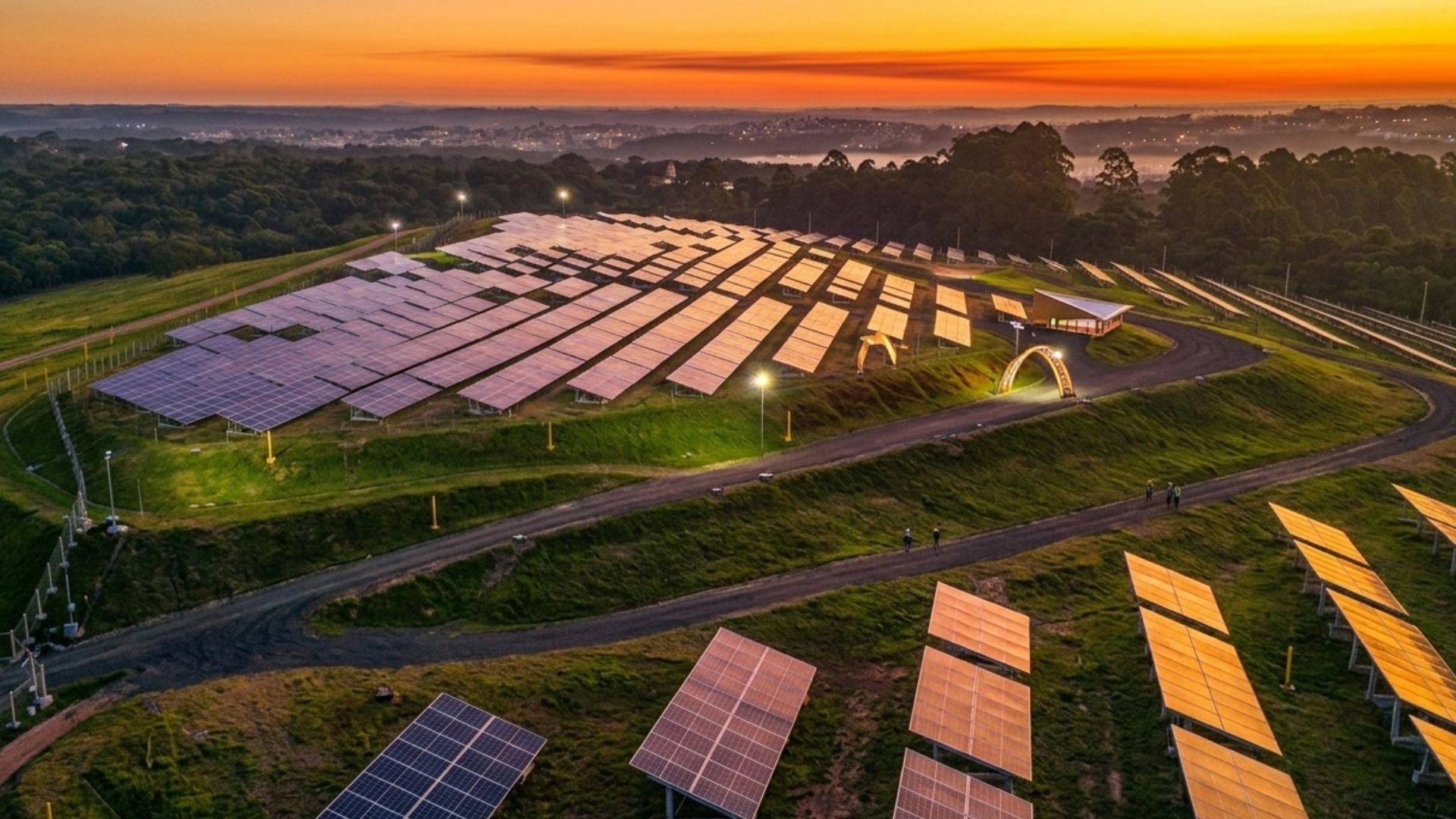
To produce enough electricity to meet 100% of the energy consumption of the fuel stations, 40 inverters between Fronius Eco, Eco Light, and Fronius Symo were installed in the barbecues and fueling areas, connected to 3,844 solar panels.
Real Savings at Fuel Stations
In one year, the installations have already produced enough energy to reduce the expenses of the entire network of fuel stations from R$ 145,000 to less than R$ 30,000 per month, a decrease of over 80%. The savings margin varies depending on the station and the region. The best results were observed in Bahia and Alagoas, where there is an exemption from ICMS on the use of the distribution system. The return on investment was calculated at about 4 years.
Visited by about 700 to 900 people daily and about 600 trucks, the Reforço 1 fuel station in Poções-BA, which previously spent around R$ 27,000 on its electricity bill, now does not need to pay more than R$ 300 per month for electricity. For the approximately 200 people and 100 trucks served daily, the Reforço 4 – Itatim station used to spend up to R$ 24,000 on consumed electricity, and now also pays a minimum rate (around R$ 100, approximately).
At Reforço in Rio Largo, Alagoas, which receives about 120 people per day, the electricity bill fell from R$ 32,000 per month to a range of R$ 7,000 to R$ 8,000 per month. According to Tassio Barboza, the cost of investing in equipment is practically proportional to the necessary consumption. For example, for a consumption of 12,000 kWh per month (bill of approximately R$ 12,500), it would be necessary to invest R$ 400,000 with a generator, Fronius inverters, and solar panels, about R$ 4.2 per Wp.









Seja o primeiro a reagir!