





 Portuguese
  English
  Spanish
  4 min of reading
  0 comments


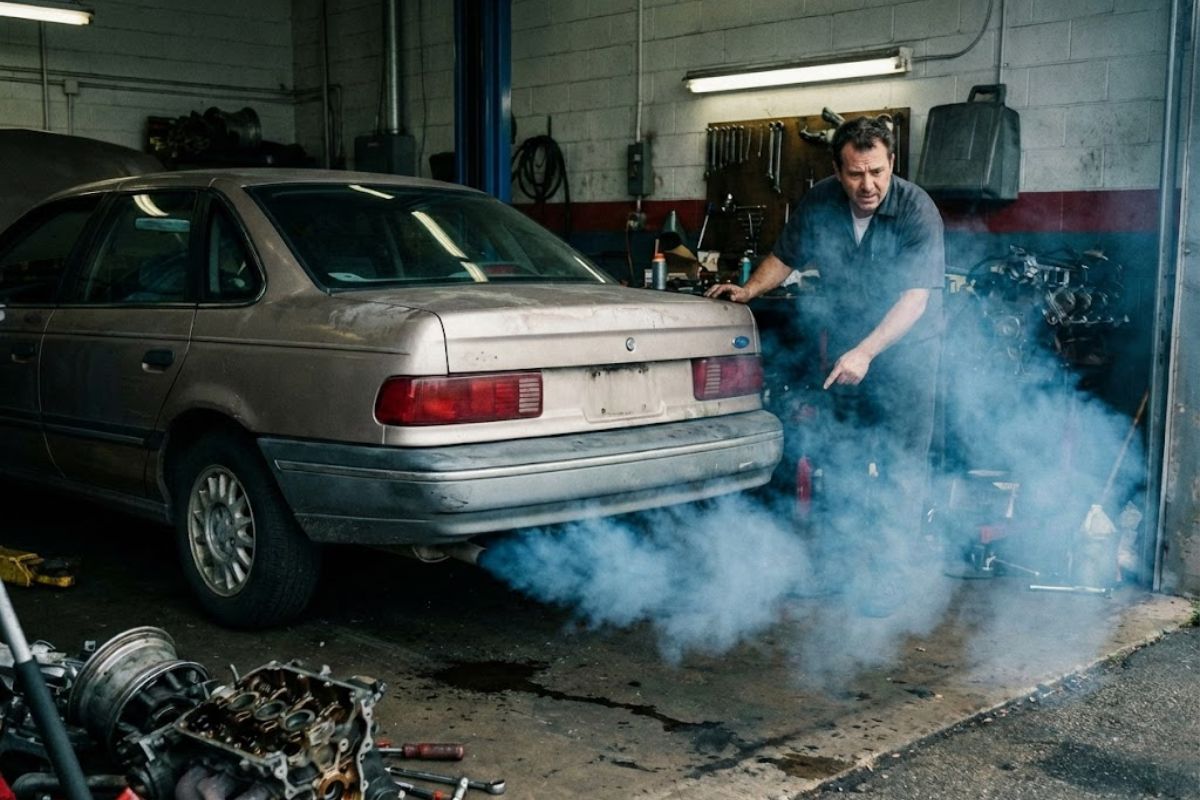
The Presence Of Blue Smoke In The Exhaust Is Not Normal And Serves As An Important Mechanical Alert. This Signal Indicates That The Engine Is Burning Lubricating Oil, A Situation That Can Reveal Internal Wear, Generate A Strong Smell, And Increase Oil Consumption.
When blue smoke appears, the problem is usually related to oil entering the combustion chamber. Ignoring this warning can turn an initial defect into a high cost, as continuous operation with oil burning can cause serious damage to the engine.
Blue smoke is one of the clearest visual signs that something is wrong with the engine’s internals. Unlike passing vapors or light smoke on cold days, this coloration indicates a mechanical problem that requires immediate attention.
In addition to the characteristic color, blue smoke is often accompanied by a strong burnt oil smell. This odor reinforces that the lubricant is being consumed along with the fuel, something that should not happen under normal conditions.
-
Around R$ 24,000: 4 used Ford SUVs with up to 253 hp, V6 engine, all-wheel drive, 7 airbags, panoramic sunroof, and a complete package that surprises with its price and performance in Brazil.

-
A brand new car starts at around R$ 75,000 in Brazil, but what stands out the most is seeing streets filled with SUVs and expensive sedans in a country where millions remain in debt.

-
For R$ 32,000, a brand new Hyundai car is a rival to the Kwid with a 1.2 engine producing 82 hp, 6 airbags as standard, multimedia with wireless Android Auto, up to 391 liters in the trunk, and a refreshed look for 2026 in India.

-
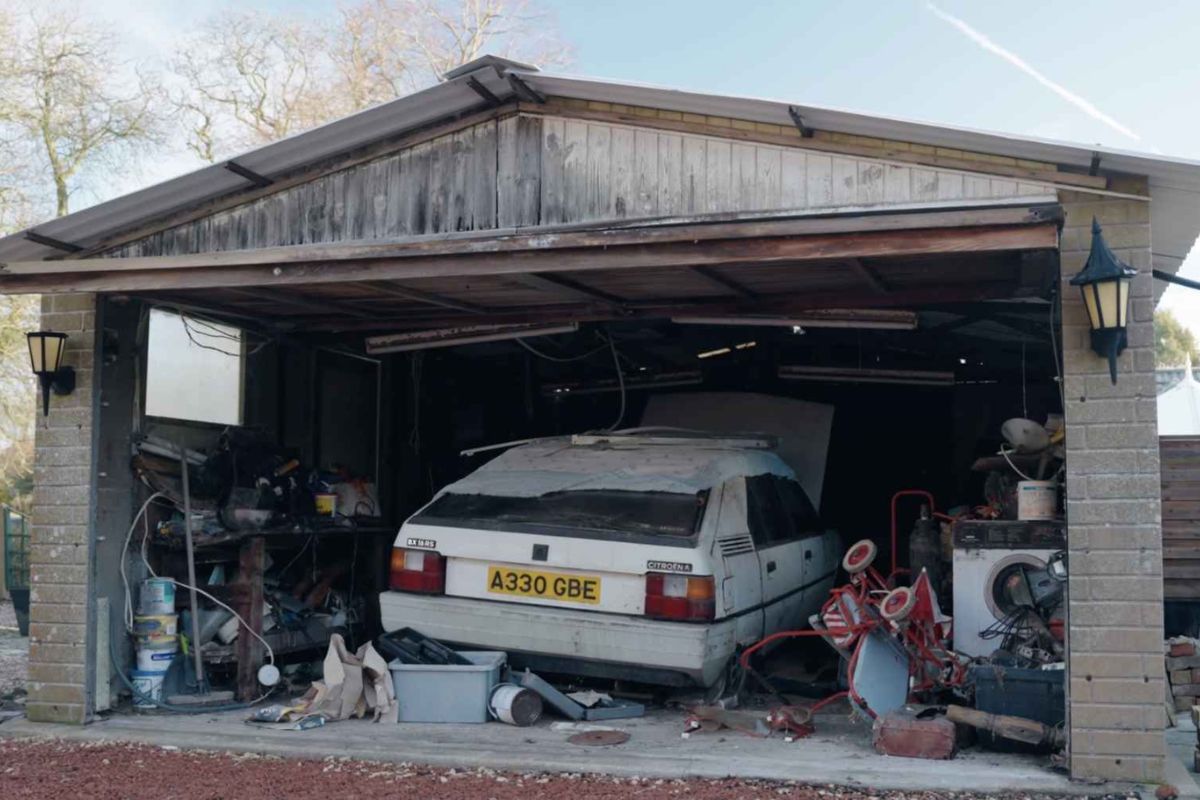
He bought a new car in 1983, locked it in the barn in 1988, and no one opened the door for 38 years until the family discovered what was stored inside and realized it looked like something out of a movie.

Why Blue Smoke Indicates Oil Burning
The engine of a car is designed for oil to circulate only in the lubrication areas, without reaching the combustion chamber.
When blue smoke appears, it means that oil is crossing internal barriers and being burned along with the air-fuel mixture.
This process can occur due to the wear of components that should seal the oil.
Over time and usage, internal parts lose efficiency, paving the way for the lubricant to enter places it shouldn’t be.
Main Causes Of Blue Smoke In The Exhaust
Various defects can lead to the appearance of blue smoke. Among the most common are worn piston rings.
These parts are responsible for sealing the combustion chamber and controlling the passage of oil. When they fail, oil from the sump can rise and be burned.
Valves that do not seal properly can also allow oil to enter the engine. This internal leak generates blue smoke whenever the car is running.
In engines with turbochargers, a damaged turbo can facilitate the entry of oil into the intake or exhaust. In these cases, blue smoke can become even more evident, especially during acceleration.
Another possible cause is the crankcase ventilation valve, known as PCV, when it is obstructed.
Internal overpressure forces oil to circulate through inappropriate pathways, contributing to the appearance of blue smoke.
Strong Smell And High Oil Consumption
Blue smoke usually does not come alone. The driver may notice a strong burnt oil smell, especially with the car stationary or in enclosed spaces like garages.
This odor is a direct result of the burning of the lubricant.
Additionally, the oil level tends to drop faster than normal. Excessive lubricant consumption is one of the signs that blue smoke is linked to an internal problem and not a temporary condition.
Risks Of Remaining On The Road With Blue Smoke
Driving with constant blue smoke means allowing the engine to continue burning oil. This can lead to progressive damage, as proper lubrication is essential for the functioning of internal parts.
Over time, the problem may worsen and require complex repairs. What could be resolved with a simpler intervention can evolve into an expensive fix, involving internal engine parts.
What To Do When Noticing Blue Smoke
Upon noticing blue smoke coming from the exhaust, the first recommended action is to check the oil level. If the consumption is above normal, this reinforces the suspicion that the engine is burning lubricant.
Even if the car is still running, it is ideal to seek a mechanic as soon as possible. An early diagnosis helps identify the source of the blue smoke and prevents internal wear from progressing.
Difference Between Blue Smoke And Other Colors
Blue smoke is mainly associated with oil burning. White smoke, in many cases, can be normal when the engine is still cold and tends to disappear after warming up.
Black smoke usually indicates excess fuel in the mixture, while gray smoke may be related to problems with the air-fuel ratio.
The color carries a different meaning, but blue smoke is among the most worrying as it indicates internal wear.
The presence of blue smoke in the exhaust is a clear alert that the engine needs attention. Have you noticed this signal in any car and ended up postponing the visit to the mechanic?








Seja o primeiro a reagir!