





 Portuguese
  English
  Spanish
  7 min of reading
  8 comments


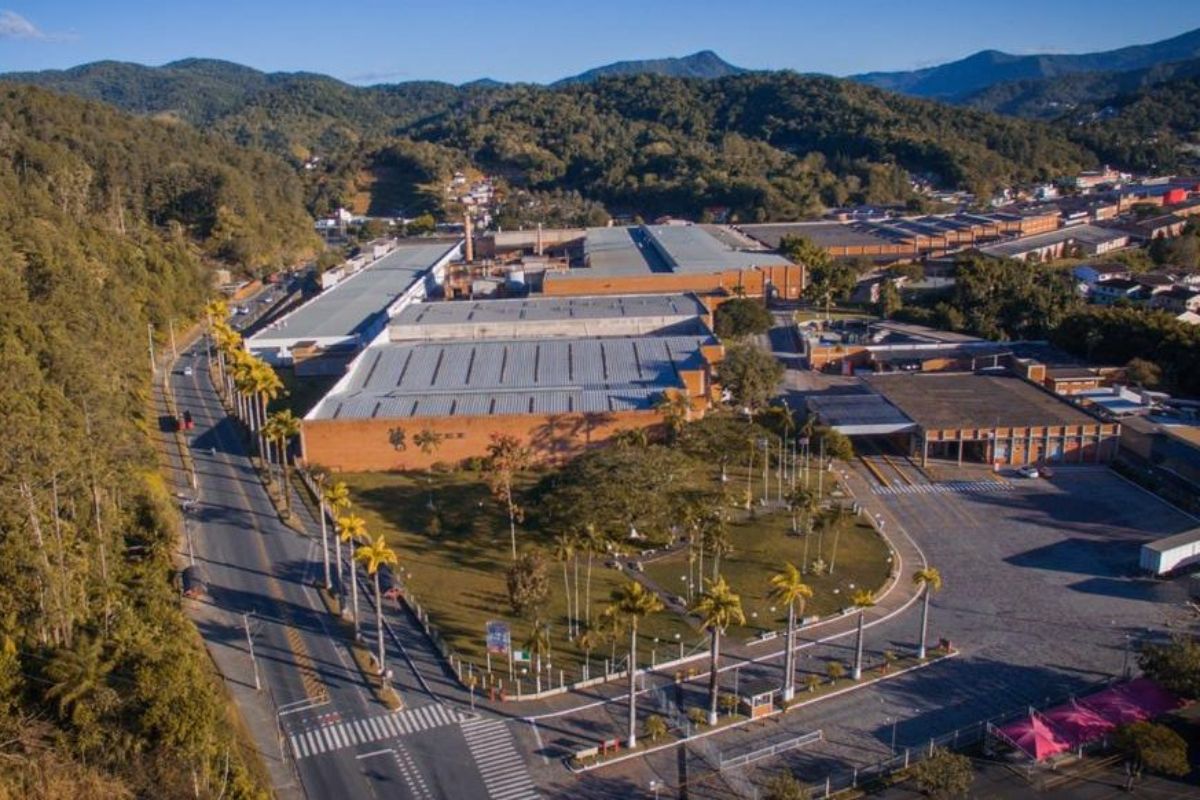


Founded in 1967 in Montes Claros, Coteminas transitioned from a model factory to a global giant in bedding, table, and bath, but today faces historic bankruptcy after billion-dollar debt, a textile crisis, and the advance of imports.
Coteminas was born in 1967 in Montes Claros, Minas Gerais, driven by regional development incentives and the vision of businessman José Alencar Gomes da Silva. In just a few years, the company evolved from being merely a manufacturer of yarns and fabrics to becoming a global giant in the textile sector, a reference in industrial modernization and in strong bedding, table, and bath brands in Brazil, the Americas, and other markets.
At its peak, the group generated billions of dollars in revenue, employed more than 11,000 people, supplied major international retailers, and claimed that one in three home products sold in Brazil carried one of its brands. Decades later, however, Coteminas reached 2024 with less than half that number of employees, shrunk revenues, explosive indebtedness, and the need to seek historic bankruptcy protection to survive as a global giant in restructuring.
From Origins in Montes Claros to Textile Empire
Coteminas started as Companhia de Tecidos do Norte de Minas, supported by the Superintendency of Development of the Northeast and the Development Bank of Minas Gerais. The first factory began operations in 1975, being considered at the time one of the most modern installations in the Brazilian textile sector.
-
The Federal Revenue issues a good alert for Brazilian taxpayers: 60.9% are already using the pre-filled tax return, automatic refunds via Pix reach millions, and the government plans for a fully automated income tax in the coming years.

-
India announces a plan of $3.06 billion to bring aviation to forgotten regions: 100 new airports, $1.07 billion in subsidies, and regional routes guaranteed for 10 years, from 2026 to 2036, away from the centers.

-
Brazil blocked a proposal from the United States at the WTO that would make the exemption from tariffs on digital products like streaming and ebooks permanent, favoring American tech giants at the expense of developing countries.

-
IPTU exemption for seniors in 2026: see how to secure the benefit.


José Alencar, who had founded his first store at 18 with a small loan, built a path marked by various businesses until concentrating his legacy in the textile sector. Over the following decades, Coteminas grew robustly, became one of the largest exporters of textile products in Latin America, and was seen as a global giant in the making, with a verticalized structure that spanned from spinning to garment manufacturing.
In Brazil, the group brought together iconic brands such as Santista, Artex, M Martan, and Casa Moisés, dominating the bedding, table, and bath market. In Argentina, it led with proprietary brands, and in the US and Canada, it catered to millions of consumers with traditional home product lines.
The Merger That Consolidated the Giant Global


In 2006, the merger with American company Springs Industries created Springs Global, a textile colossus with annual revenues in the billions of dollars and a prominent presence in the Americas. The strategy was clear: to combine the competitive cost of Brazilian production with the strength of North American distribution channels.
The group began operating nine industrial units in Brazil, one factory in Argentina, and significant structures in the United States and Canada, consuming about 20% of all the cotton used in the national textile industry. At the same time, it aggressively expanded retail: it acquired the M Martan chain, which grew from 57 to 168 stores between 2009 and 2011, launched the Artex chain in 2011, and made strides in both physical and digital franchises.
At its peak, Coteminas presented itself as a global giant in the textile sector, with a strong brand portfolio, presence in multiple countries, and absolute leadership in the Brazilian bedding, table, and bath market.
Global Financial Crisis and the First Major Shock
The first major shock came with the financial crisis of 2008. The strong appreciation of the real against the dollar caused the competitiveness of exports to collapse, leaving up to 60% of installed capacity idle. To try to compensate in the domestic market, the company reduced prices, sacrificed margins, and saw its indebtedness grow.
Operations in the United States were downsized, factories in Rio Grande do Norte were closed between 2008 and 2012, and the workforce shrank by about 20%, to around 8,500 people. Out of the 31 industrial units that made up the original design of Springs Global, only five remained. Even when the dollar regained strength, the financial situation of the global giant never returned to its previous level.
Pandemic, Expensive Inputs, and Attack from Imports
The Covid-19 pandemic was the second blow. Coteminas drastically reduced production and consumed its working capital to keep basic expenses up to date. The shutdown of Chinese factories caused a scarcity of textile inputs and a spike in the price of cotton and synthetic fibers, pushing costs to unprecedented levels.
Even before the pandemic, accumulated losses had already exceeded hundreds of millions of reais. After it, the situation became even more hostile with the massive influx of imported products, mainly from China, which arrived in Brazil with aggressive pricing and often without the same tax burden as local companies. Chinese-origin e-commerce platforms began to symbolize this competition, selling low-cost clothing directly to Brazilian consumers and further pressuring the national industry.
Between 2022 and 2023, while Brazilian textile production fell by double digits, retail sales grew. The difference was covered by imports and eroded Coteminas’ space both in industry and on shelves, threatening its position as a global giant in the bedding, table, and bath segment.
Explosive Debt, Faron Fund, and Agreement with Shein

With costs rising, revenue under pressure, and high interest rates, debt servicing became unsustainable. Indebtedness nearly doubled in a few years, while gross revenue fell from about 3 billion reais in 2021 to around 1 billion in 2023. The company began to delay salaries and faced protests at factories in Minas Gerais, Paraíba, and Santa Catarina.
The immediate trigger for the bankruptcy request was a dispute with Faron Investment Fund. Between 2021 and 2022, Amo Varejo, the company’s store arm, entered into a financing agreement that anticipated the possibility of hundreds of millions of reais in funding. However, Coteminas claims that only part of the amount was actually disbursed. Failing to meet agreed financial indicators, the fund executed the debt and sought access to Amo shares as collateral, forcing the group to seek protection in court.
In 2023, in an attempt to preserve operations and the image of global giant, Josué Gomes orchestrated an agreement with the Chinese e-commerce giant Shein. The plan envisioned that more than 2,000 Coteminas suppliers would also become suppliers for the Asian retailer, with a promise to nationalize most of the production in Brazil and create thousands of jobs. Shein provided a loan in dollars to the group, but the market received the announcement with skepticism, and experts considered the goals unrealistic. A few days later, the company laid off more than 700 employees at its Blumenau unit, signaling that financial breath remained short.
Historic Bankruptcy Protection and Restructuring in Progress
The bankruptcy protection request was filed in May 2024, involving 10 companies in the group, including Coteminas S.A., Springs Global Participações, Amo Varejo, and various textile companies. After months of negotiations, creditors approved the plan in December 2024, in one of the most significant processes in the recent history of the Brazilian textile sector.
The plan envisages the sale of six industrial properties in various states, with the possibility of converting warehouses into data centers, and the creation of two investment funds, one real estate and the other of credit rights, which will be the primary vehicles for creditor payment. The divestiture of the M Martan retail brand is also anticipated. Workers are expected to receive their credits within up to 36 months, with a possibility of acceleration if asset sales generate cash, while micro and small businesses will have a longer schedule, stretching over decades.
A symbolic point is that the plan does not mention the sale of the Blumenau factory, which accounts for about 50% of current revenue and still employs hundreds of people. The maintenance of this unit is seen as strategic for any return of Coteminas as a global giant specialized in bedding, table, and bath.
Numbers of the Collapse and an Open Future
Recent numbers show the size of the challenge. Net revenue in 2023 fell well below the level of 2022, and the net loss approached 1.1 billion reais. The workforce dropped from a peak of 11,700 to about 5,000 direct jobs, with over 4,000 layoffs in less than a year. The retail network also shrank, with dozens of own stores closing and an operation now concentrated in just under 250 units between stores and franchises.
Still, Amo Varejo, owner of brands like Artex, Casa Moisés, and Persono, continues to account for almost half of the group’s revenue and maintains about 35% of the Brazilian bedding, table, and bath market, indicating that the brand still holds value among consumers. On the other hand, the industrial structure remains compromised, with units idle, operations in Argentina under review, and a total liability of around 2 billion reais facing a creditor base approaching 10,000 names, including major banks and institutional investors.
Shares of Springs Global have fallen over 90% since 2021, market value has plummeted to just a few tens of millions of reais, and net worth has become negative, reflecting investor skepticism about the company’s ability to overcome the crisis. The suspension of the Coteminas and Springs Global registrations by the Securities and Exchange Commission due to failures in information reporting added further pressure to the reputation of a company that was once a symbol of global giant in the textile sector.
In the end, the story of Coteminas contrasts two extreme scenarios: on one side, the dream of a young miner who built a textile empire with 25,000 employees and billion-dollar revenues in dollars; on the other, a company now much smaller, with less than 700 million reais in annual revenue, high indebtedness, and a future surrounded by uncertainties. The bankruptcy recovery plan is an attempt to preserve what remains and create space for a new cycle, but the outcome is still open and will depend on the execution of the restructuring and the ability to regain market share.
What do you think, do you believe Coteminas can reinvent itself, reduce debt, and return to being a true global giant in the textile sector or has the company’s golden era definitively remained in the past?






Só ficou assim por causa desse filho dele , devendo agente trabalhadores e fornecedores, com desculpa fiada, as outras empresas têxtil tudo bombando só a coteminas chegou a esse ponto por causa da administração.
Eu acredito que a Coteminas consegue se reinventar e voltar a ser grande novamente.
Trabalhei na COTEMINAS, uma empresa de oportunidades e de valorização profissional, que agregava valores éticos e moral aos seus colaboradores. Porém mal administrada após o falecimento do inlustre José de Alencar, que enchergava o maior valor da companhia nas pessoas, hoje estamos desguarnecidos após quase 03 décadas laborais, sem pagamento de contas e sem garantias de recebê-las, só Deus pode resolver essa questão.