





 English
  Francês
  Alemão
  Italiano
  Japonês
  Norueguês
  Portuguese
  Spanish
  5 min of reading
  0 comments


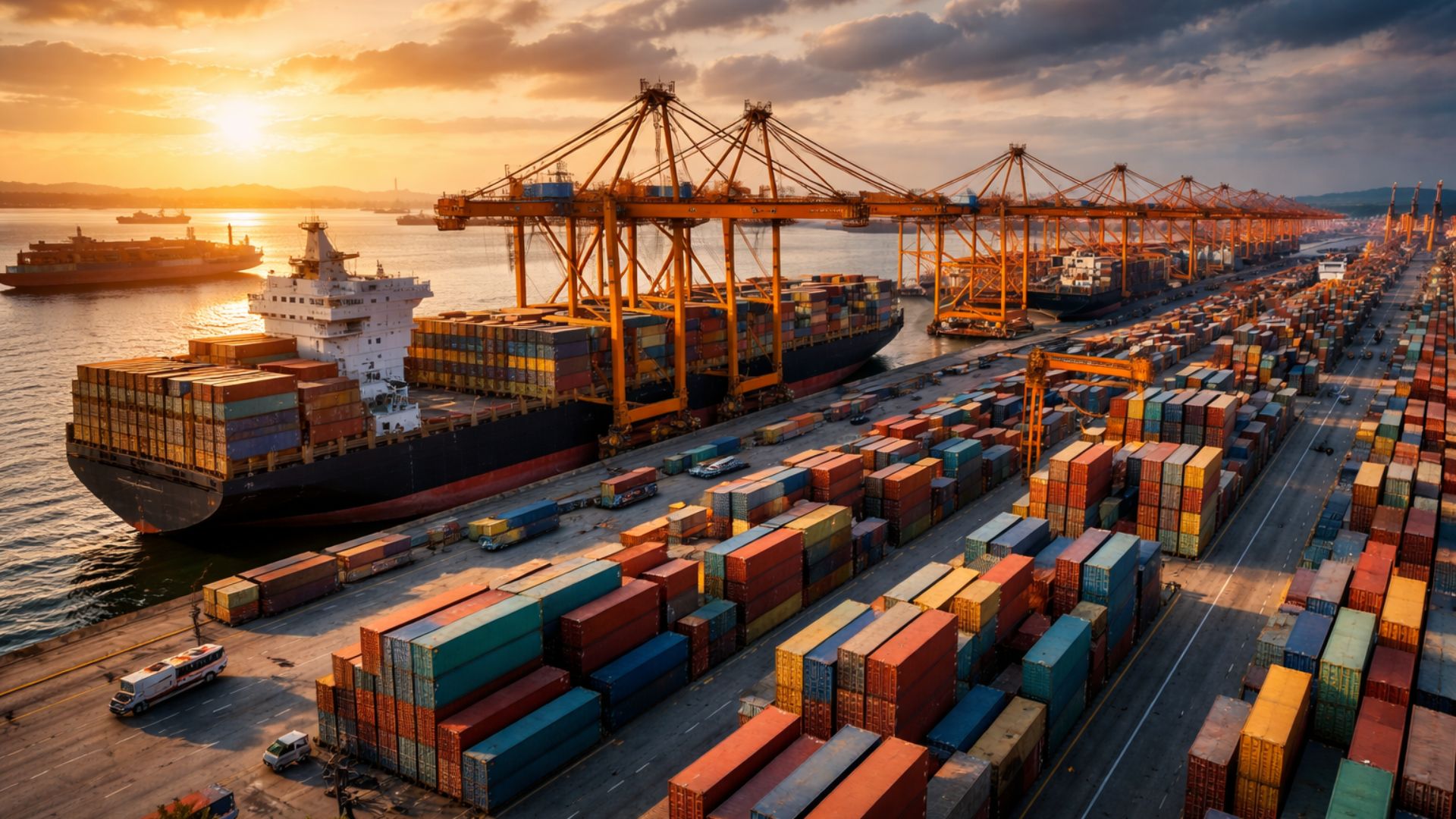
Federal Approval Releases Billions to Modernize Maritime Terminals, Strengthen National Logistics, and Boost the Economy with New Jobs, Expansion of Port Projects, and High Investments from the Merchant Marine Fund.
On February 12, 2026, the Ministry of Ports and Airports officially announced the approval of nine strategic initiatives through the Merchant Marine Fund, releasing R$ 5.1 billion in investments directed at the expansion and modernization of Brazilian port infrastructure. The decision took place during the 12th Extraordinary Meeting of the Board of Directors of the Merchant Marine Fund (CDFMM) and has the potential to generate 5,346 direct jobs, as well as strengthen national logistics and enhance Brazil’s competitiveness in international trade.
Understand the Impact of the Approval of Investments for Port Projects
The announcement represents one of the largest recent investment packages in port projects in the country. Right from the start, the most relevant information highlights the economic and structural importance of the measure.
The modernization of Brazilian ports is not just limited to the physical expansion of terminals, but involves technology, operational efficiency, and logistical integration between different modes of transport. Thus, the impact goes beyond the maritime sector and reaches entire productive chains.
-
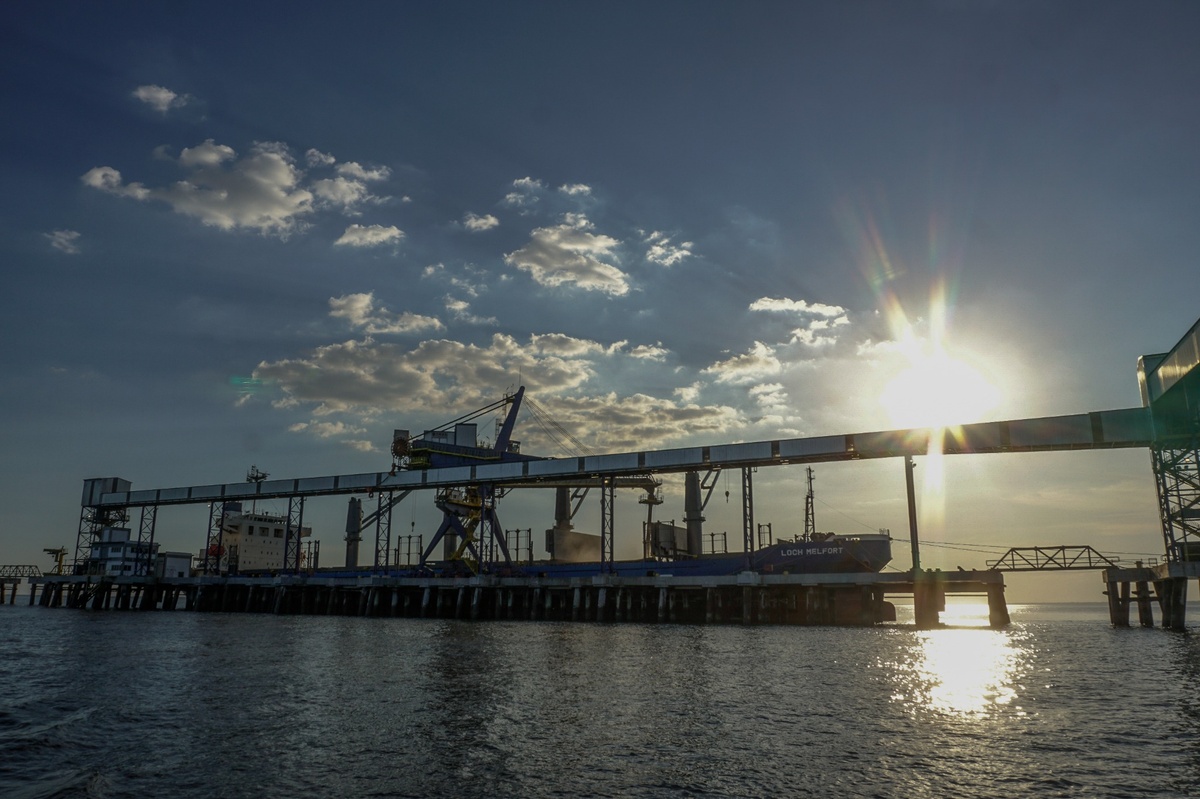
Private ports increased by 14.1% in January 2026 and lead port activity with 66% of the cargo, driven by oil, agribusiness, and exports.
-
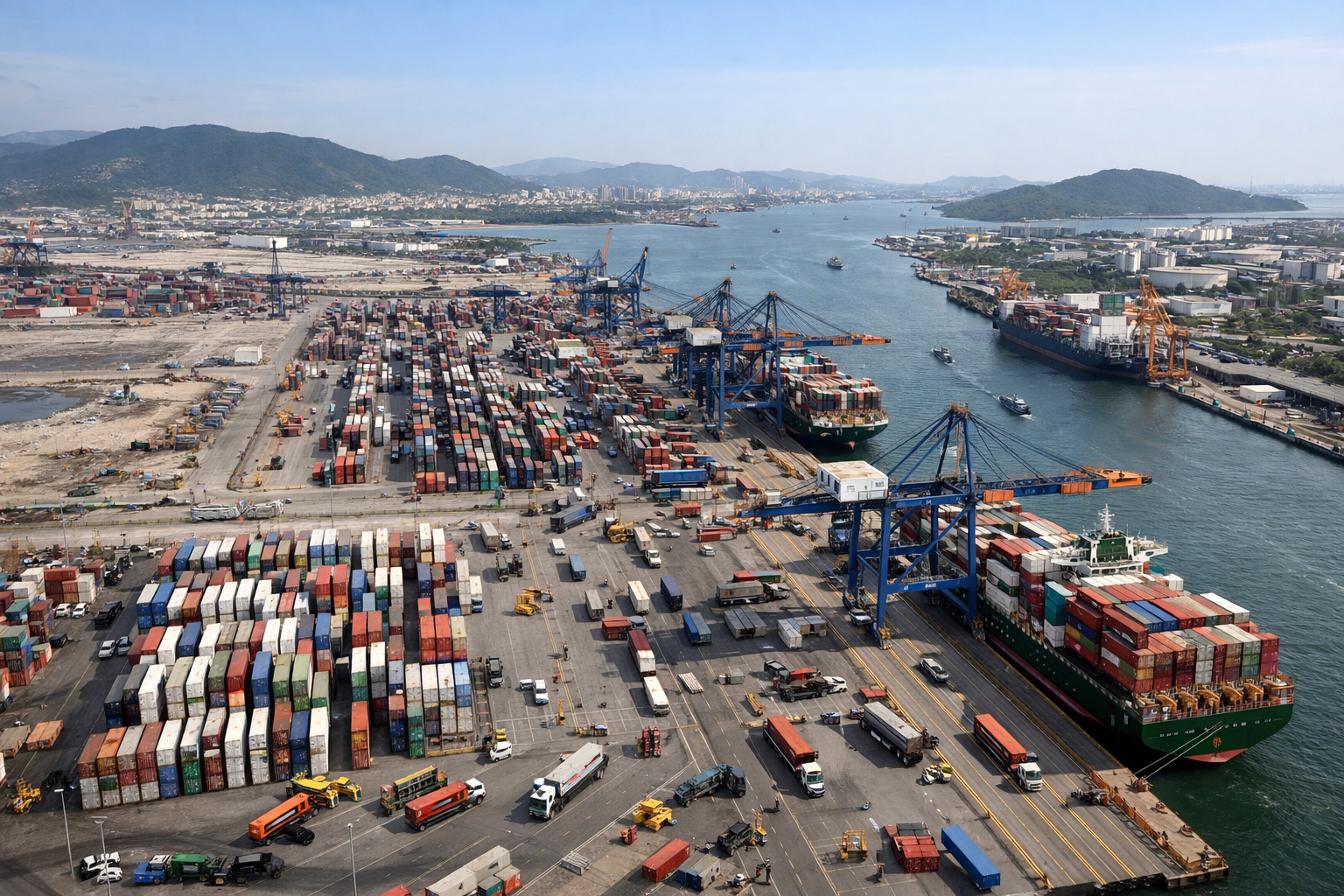
Government Releases R$ 5.1 Billion to Modernize Ports and Generate Over 5,000 Direct Jobs in Brazil
-
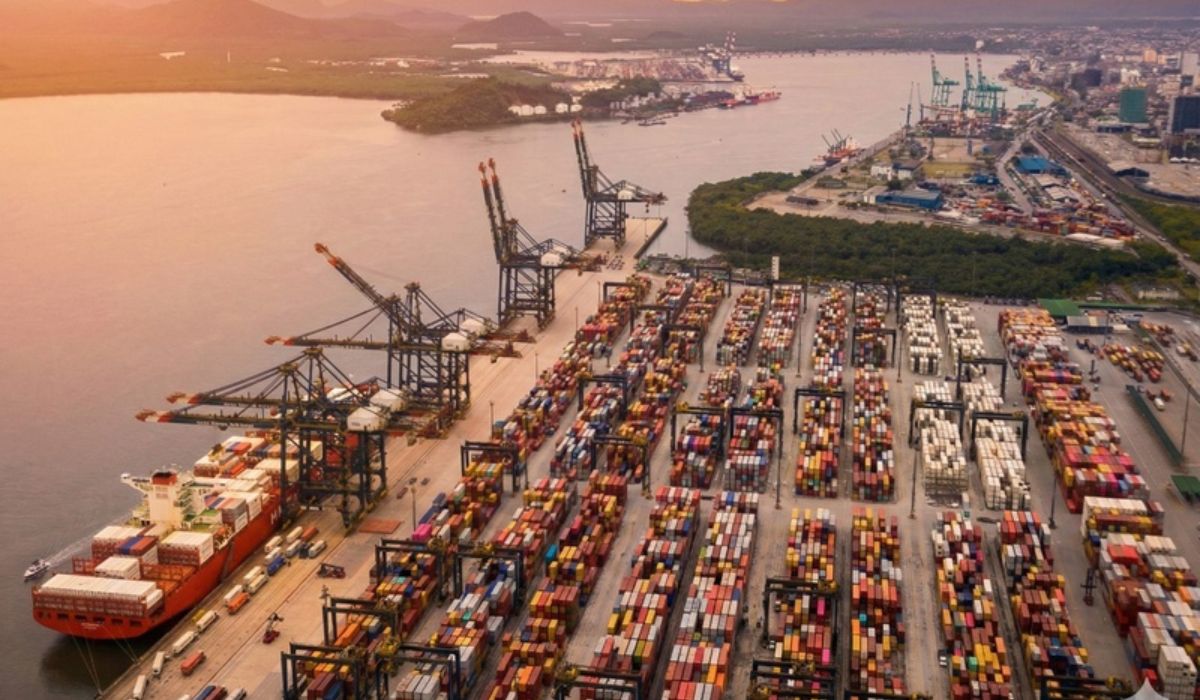
Giant of World Trade: Largest Port in Latin America Is in Brazil, Covers 7.8 Million Sq. Meters on São Paulo Coast, Accounts for 25% of All Exports, and Now May Undergo Historical Expansion That Triples Its Area and Changes the Future of National Logistics
-
To Protect Portugal’s Largest Deep-Water Port, Engineers Launched Artificial Concrete Blocks Weighing Up to 90 Tons Each Into Open Sea, Creating a Breakwater Capable of Withstanding the Most Violent Atlantic Waves


Furthermore, the initiative reinforces the strategic role of the federal government in stimulating logistics infrastructure. Investing in ports means reducing transportation costs, accelerating exports, and generating jobs. At the same time, the move signals public confidence in the port sector’s expansion capacity, deemed essential for the sustainable growth of the country. Therefore, the announcement already emerges with strong economic and social repercussions.
Merchant Marine Fund Accelerates Port Projects and Expands Logistics Investments
The Merchant Marine Fund is the main financing instrument aimed at Brazil’s naval and port infrastructure. Through it, approved port projects receive financial support for structural modernization, equipment acquisition, and expansion of operational areas. This mechanism ensures predictability and security for investors and logistics operators.
The announced investments exceed R$ 5 billion and represent a significant leap in the modernization capacity of the national port system. Consequently, the country is likely to reduce historical bottlenecks that affect the flow of goods and import processes. At the same time, the expectation of direct and indirect jobs strengthens the regional economy and stimulates complementary sectors, such as construction and technical services.
Additionally, the decision of the Board of Directors demonstrates that logistics planning is aligned with foreign trade demands. More modern ports mean shorter deadlines, fewer queues, and greater efficiency. Thus, Brazil improves its competitive position against other emerging markets and enhances its relevance in international maritime routes.
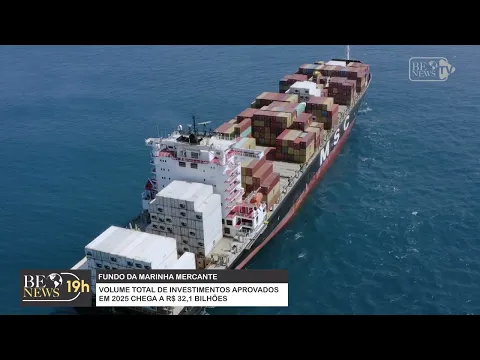

Merchant Marine Fund: Modernization of Strategic Terminals
Among the approved projects, there are interventions in already established terminals and the creation of new port structures. At the Port of Santos, in São Paulo, Terminals 16 and 17 will undergo a comprehensive process of technological updating and physical expansion, with an investment of R$ 678.2 million. This modernization increases service capacity and reduces historical logistics bottlenecks.
At the Port of Pecém, in Ceará, the implementation of a new Private Use Terminal will account for R$ 795.1 million in investments. The aim is to diversify operations and increase cargo flow, especially in industrial and energy sectors. At the same time, the initiative creates job opportunities and boosts the local economy, favoring regional integration.
These actions demonstrate that the strategy is not limited to large centers. The decentralization of investments strengthens different regions of the country. Thus, medium-sized ports also receive structural improvements that enhance national competitiveness and ensure greater balance in Brazilian logistical development.
Regional Expansion of Port Projects Generates Jobs and Strengthens Productive Chains
The approval is not restricted to the Southeast-Northeast axis. The Port of Paranaguá, in Paraná, will receive R$ 1.14 billion in investments, with a forecast of 1,200 direct jobs during the construction phase and initial operation. This is one of the largest individual contributions from the approved package, demonstrating the terminal’s relevance for agricultural and industrial output.
In the North of the country, the Port of Santana, in Amapá, will receive R$ 127.8 million allocated for the implementation of storage and cargo dispatch systems. Meanwhile, at the Port of Aratu, in Bahia, the projects include new silos and structural improvements that enhance operational efficiency. Thus, the Merchant Marine Fund consolidates a national strategy for logistical integration.
The multiplier effect of these investments impacts various sectors. Road and rail transport, local commerce, and specialized services are likely to grow in parallel. Therefore, the jobs generated are not limited to construction, but also extend to indirect activities that boost regional economies for long periods.
How Financing Works and the Role of Financial Institutions
The Merchant Marine Fund operates in partnership with public institutions such as BNDES, Banco do Brasil, Banco da Amazônia, Banco do Nordeste, and Caixa Econômica Federal. This model allows financing of up to 90% of the total value of projects, which enables large port projects with lower financial risk for investors.
After approval, the responsible parties have a period of up to 450 days to contract the financing, with the possibility of extension according to current regulations. This flexibility guarantees legal security and long-term planning. Additionally, technical monitoring ensures that investments are applied efficiently and transparently.
Consequently, the model strengthens market confidence and increases the interest of private operators in participating in structuring works. Financial predictability is one of the main pillars for the success of large infrastructure projects. Thus, the fund plays a strategic role in Brazilian logistical development.
Operational Efficiency, International Competitiveness, and Economic Impacts
The modernization of port infrastructure goes beyond physical works. It involves process digitalization, system automation, and technological integration. These changes reduce delays, increase service capacity, and raise the quality standard of maritime operations.
Furthermore, logistical improvements directly contribute to reducing costs in the transportation of goods. Consequently, Brazilian products become more competitive in external markets. Efficient ports represent a strategic advantage in international trade. At the same time, the increase in cargo movement boosts state and municipal revenues.

What Changes for Brazil with the New Investments from the Merchant Marine Fund
The package approved on February 12, 2026, reinforces the importance of the Merchant Marine Fund as a driver of logistical development. The port projects included represent a significant advance in national infrastructure and increase the operational capacity of the country’s main terminals.
The investments exceeding R$ 5 billion demonstrate a commitment to sustainable economic growth and job generation in different regions. At the same time, modernization reduces historical bottlenecks and improves the efficiency of Brazilian exports and imports.
In summary, investing in ports is investing in competitiveness, regional integration, and opportunity generation. Strengthening logistics infrastructure positions Brazil more strategically in the global scenario and creates solid foundations for ongoing, balanced, and lasting economic development.








-

-

2 pessoas reagiram a isso.