





 Portuguese
  English
  Spanish
  3 min of reading
  0 comments


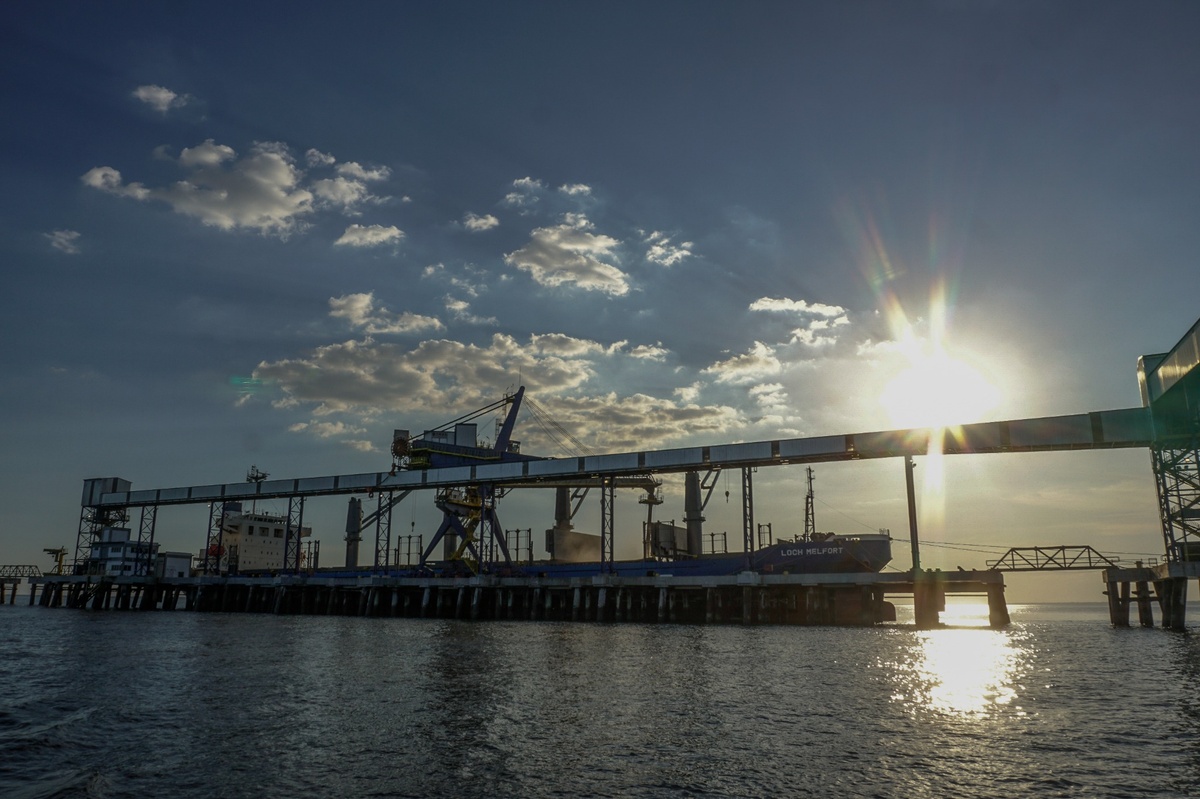
Growth of private terminals reinforces logistical protagonism in Brazil, with highlights on oil, grains, and inland navigation in January 2026
Moreover, the Brazilian private terminals started 2026 at an accelerated pace, according to data released in January 2026 by the Association of Private Port Terminals (ATP), based on the Waterway Statistics of the National Agency for Waterway Transportation (Antaq).
Thus, the Private Use Terminals (TUP) handled 68.6 million tons, representing a growth of 14.1% compared to January 2025.
Meanwhile, private ports accounted for 66% of the national port cargo, consolidating their leadership.
At the same time, organized ports handled 35.3 million tons, with an increase of 10.3%.
Therefore, in total, Brazilian port movement reached 103.9 million tons, recording an advance of 12.8% in the analyzed period.
-
A 220-meter giant powered in part by solar energy and lithium batteries has just unloaded nearly 5,000 Chinese cars at the Port of Itajaí. It is the first of ten Grimaldi super ships and the first in the world prepared to run on ammonia as fuel.

-
The Port of SC has just entered the direct route to the largest hubs in Northern Europe with a new line from Maersk, gains a connection with Manaus in 13 days, and is preparing dredging to receive giant ships of up to 16,000 containers.
-
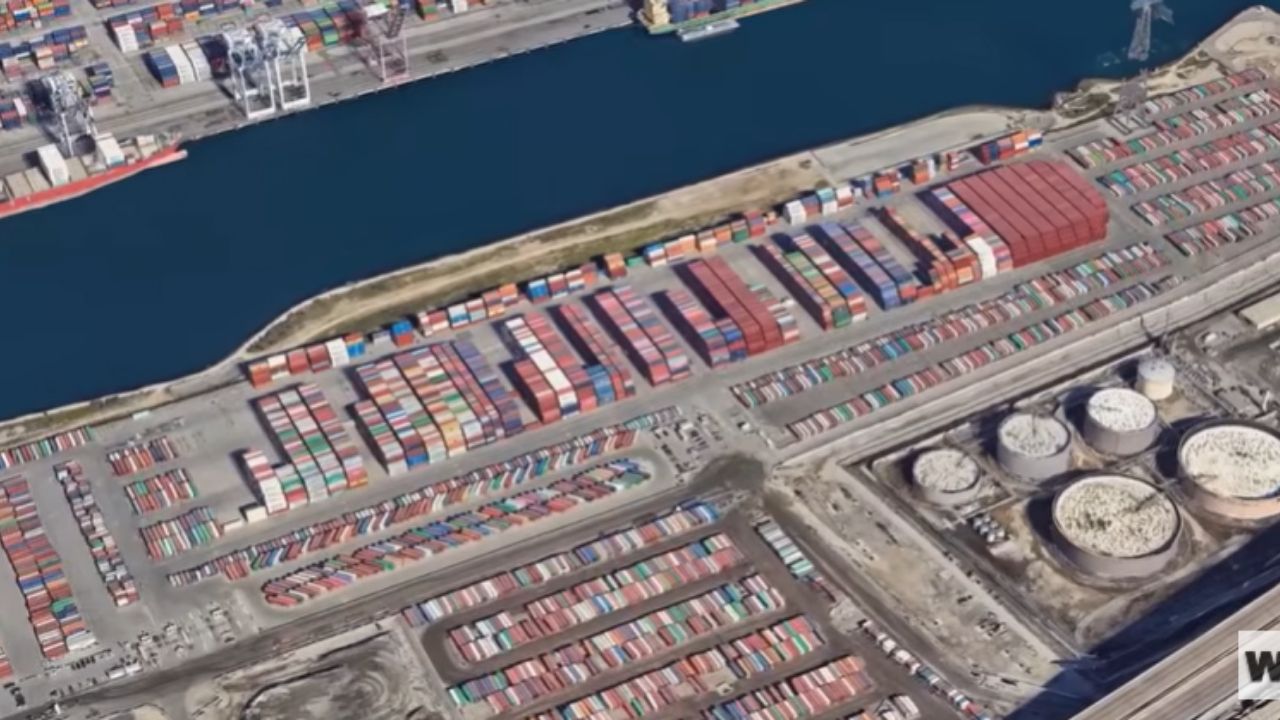
Empty containers coming from China are crowding U.S. ports, taking up space for new cargo and creating a logistical paradox where farmers need boxes while thousands of them remain idle near the sea.

-
Ships coming from the United States arrive at the Port of Imbituba with over 150,000 tons of uncalcined coke, strengthening the solid bulk sector in Santa Catarina during the operational expansion phase in 2026.



Growth Driven by Oil and Exports
Above all, liquid and gaseous bulk led the growth, with an increase of 30.6%, totaling 25.9 million tons.
In this sense, the advance was mainly driven by long-haul movement, which grew 60.7%, reflecting the increase in exports.
Additionally, strategic hubs such as:
- São João da Barra (RJ)
- Angra dos Reis (RJ)
- São Sebastião (SP)
On the other hand, in these locations, three terminals concentrated the highest movement:
- TPET/TOIL Oil Terminal – Açu (RJ): 7.6 million tons (+159.8%)
- Angra dos Reis Waterway Terminal (Transpetro): 6 million (+20.6%)
- São Sebastião Waterway Terminal (Transpetro): over 5 million (+11%)
Thus, these results reinforce the weight of oil in Brazilian port logistics.
Agribusiness and Waterways Expand Results
Furthermore, solid bulk showed a growth of 10%, reaching 35.1 million tons.
In this scenario, the advance was supported by strategic commodities:
- Soybeans: +108.5%
- Corn: +48.5%
- Bauxite: +9.1%
At the same time, inland navigation gained relevance, with an increase of 70.8% in solid bulk transport.
Thus, waterways have begun to play an even more significant role in the flow of production.
Meanwhile, containerized cargo had a slight increase of 1.2%, totaling 4.7 million tons.
Uneven Performance Among Segments
On the other hand, general cargo recorded a decrease of 22.5%, following a trend opposite to other segments.
Additionally, among 34 terminals analyzed, only 13 grew, while 20 showed retraction and one had no movement.
Thus, the scenario highlights inequality among different types of cargo.
Terminals with Growth Above 200%
Still, some terminals showed expressive growth above 200%, according to a survey by the ATP in January 2026.
Among the highlights:
- Vila do Conde Terminal (PA – Hidrovias do Brasil): +637.4% (724 thousand tons)
- Cargill Agricultural (Miritituba/PA): +448.7% (242.1 thousand tons)
- Ponta da Montanha Grain Terminal (PA): +254.3% (226.6 thousand tons)
Therefore, these numbers indicate accelerated expansion in strategic regions of the North of the country.
Importance of Private Terminals for Brazil
According to Murillo Barbosa, president of the ATP, the results confirm the relevance of the sector.
Thus, he states that the growth of TUP demonstrates their importance for logistical efficiency and national port development.
Additionally, the ATP brings together 39 companies and 75 private terminals, which handle about 60% of Brazilian port cargo.
At the same time, the sector is responsible for approximately 47 thousand direct and indirect jobs.
Thus, private terminals continue to be pillars of export and competitiveness for Brazil in the global commodities market.





Be the first to react!