





 Portuguese
  English
  Spanish
  5 min of reading
  0 comments


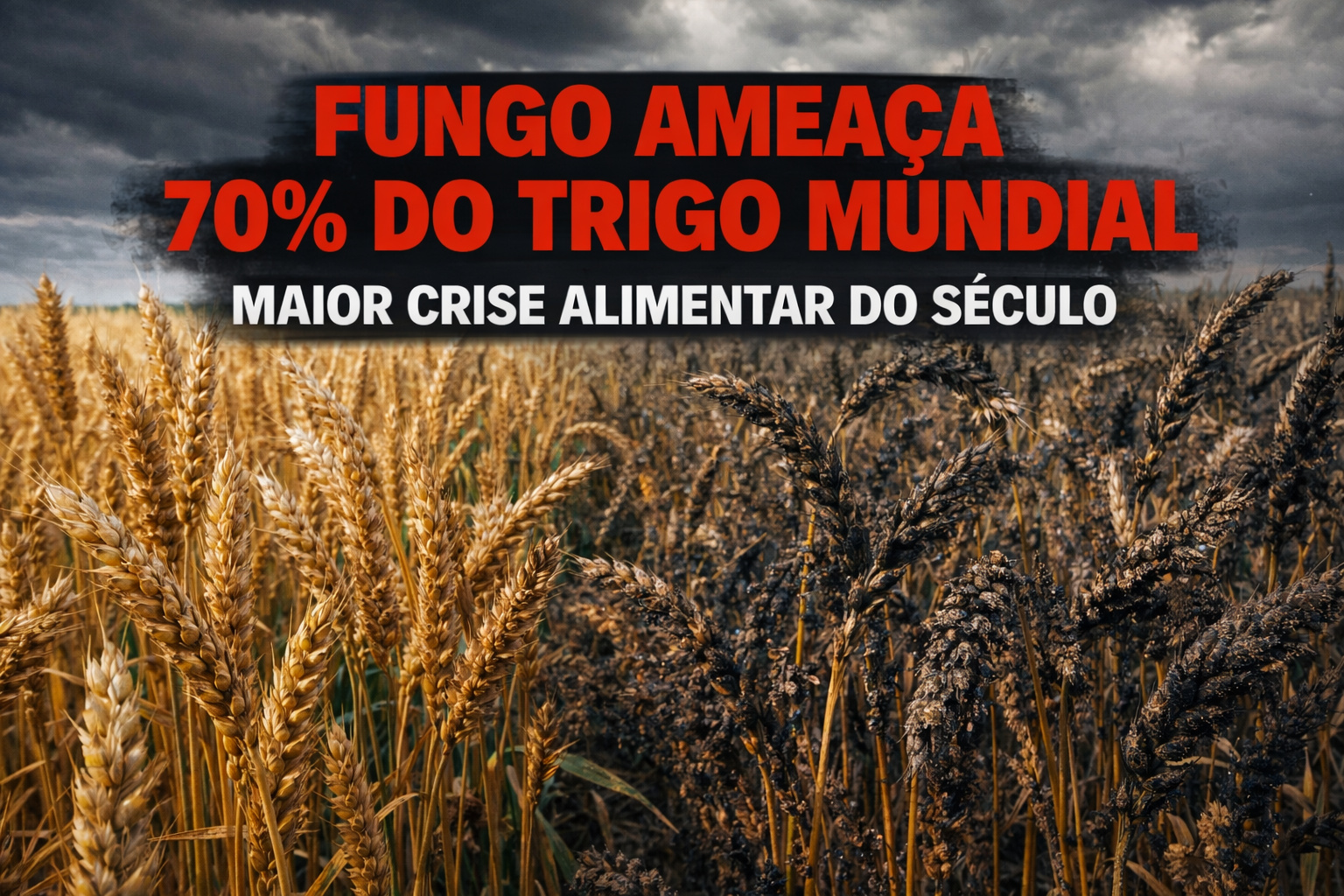
A Highly Aggressive Fungus Threatens Up to 70% of World Wheat, a Cereal That Provides 20% of Human Calories, and Can Trigger a Global Food and Price Crisis.
Wheat is quietly one of the most critical pillars of modern civilization. Approximately 20% of all calories consumed by humanity come directly or indirectly from this single cereal. It can be found in bread, pasta, cookies, processed foods, and also in animal feed that sustains entire protein chains. Now, this pillar faces a threat that does not appear on supermarket shelves but advances through the fields: a highly destructive fungus capable of eliminating up to 70% of wheat crops and triggering a global food crisis.
This is wheat rust, caused by the fungus Puccinia graminis, particularly the variant known as Ug99 and its mutations. Initially discovered in the late 1990s in eastern Africa, this lineage quickly became one of the greatest fears for global agriculture, not out of alarmism, but due to concrete data, scientific studies, and economic impact simulations.
Why Wheat Is Strategic for the World
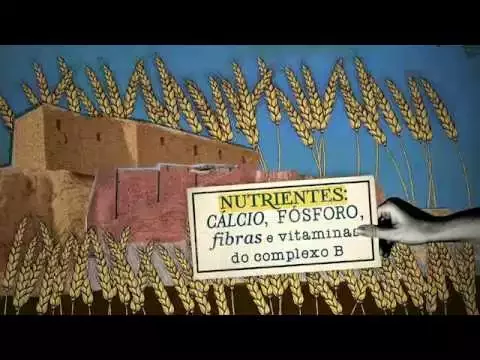
Wheat is not just another grain among many. It is cultivated on nearly all continents, adapts to varied climates, and sustains entire diets in countries across Europe, the Middle East, North Africa, Central Asia, and parts of the Americas. According to FAO, more than 2.5 billion people rely on wheat as a daily staple food, and in many countries, it represents the main source of food energy.
-
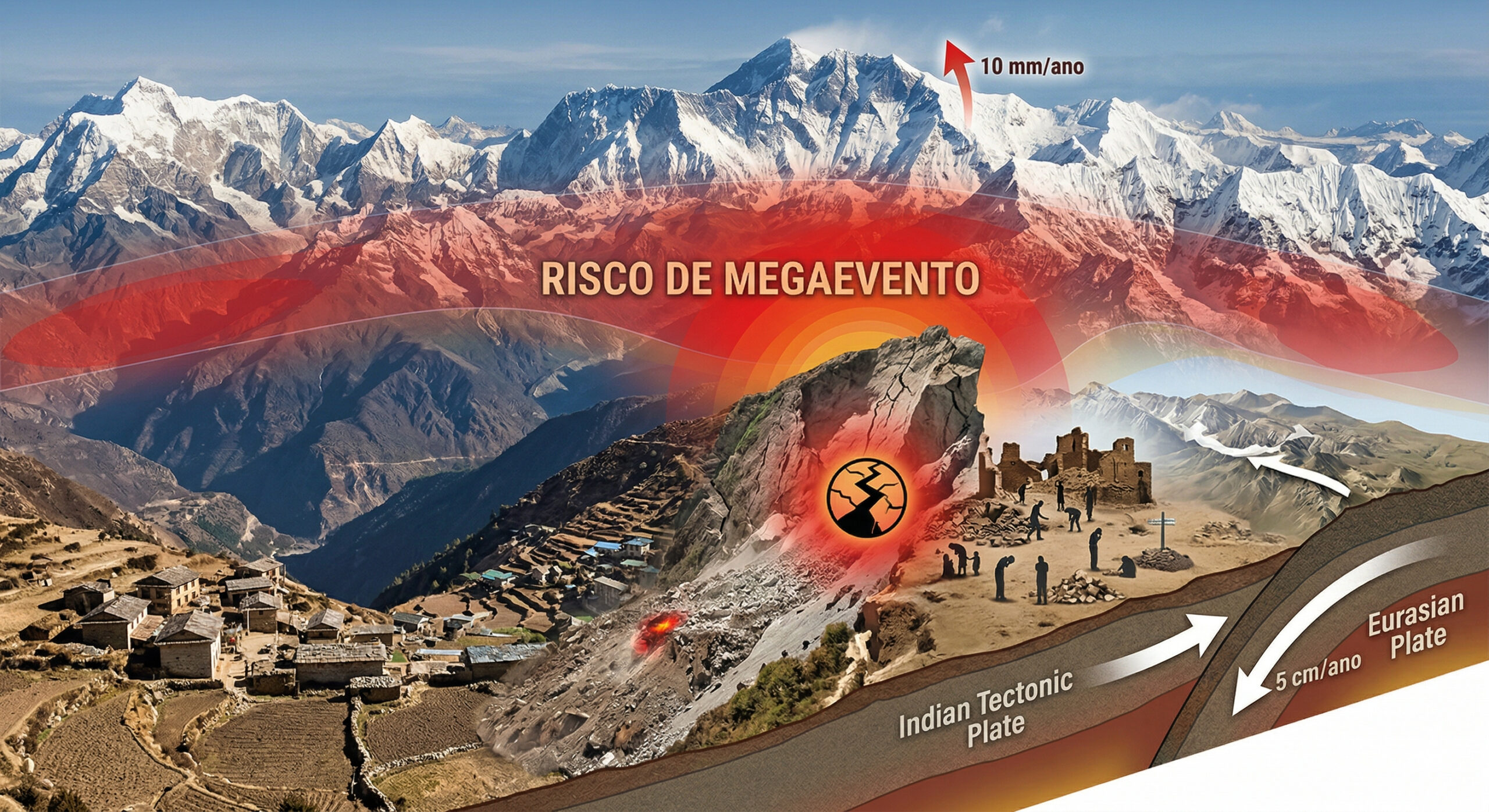
The Himalayas continue to grow to this day, with tectonic plates advancing 5 cm per year, mountains rising up to 10 mm annually, and the 2015 earthquake that killed 9,000 people may have increased the risk of an even larger seismic mega-event.
-
At an altitude of 400 km by astronauts from the International Space Station, Paris transforms at night into a golden mesh so precise that it reveals the outline of the Seine River, avenues, and entire neighborhoods like a luminous map drawn over the Earth.

-
iPhone 17 reaches historic low price with 256 GB, 120 Hz display, and drops to R$ 5,703 on Shopee, featuring A19 chip, dual 48 MP cameras, battery life of up to 30 hours, and advanced AI features.

-
Trip to Mars getting closer: Pulsar Fusion, from the UK, advances with plasma ignition in fusion engine and could drastically reduce space travel time, making crewed missions faster, safer, and economically viable.



Any significant shock to global wheat production does not just affect farmers. It spreads to industrial chains, government subsidy systems, food inflation, political stability, and food security. This has been precisely what was observed during previous crises, such as in 2007-2008, when increases in grain prices helped trigger protests and instability in dozens of countries.
What Is Wheat Rust and Why Is It So Frightening
Wheat rust is a fungal disease that primarily attacks the plant’s stem, disrupting the transport of nutrients and water. The result is an apparently green crop but unproductive, with poorly formed or completely empty ears. In severe outbreaks, losses can exceed 70% of production, even in technically well-managed fields.
The significant problem with the Ug99 variant is its ability to overcome resistance genes that have been incorporated into wheat over decades of genetic improvement. Varieties considered safe in the 1980s and 1990s have simply become ineffective against this new lineage of the fungus.
Furthermore, the fungus spreads through wind-borne spores, crossing national borders with ease. There are no fences, customs barriers, or logistical controls that can physically contain it.
Where the Threat Is Already Real and Documented
Since its initial identification in Uganda, wheat rust Ug99 and its variants have been detected in various countries in East Africa, the Middle East, and parts of Asia. Regions like Ethiopia, Kenya, Sudan, Yemen, and Iran have reported outbreaks with significant losses.
What concerns scientists and international organizations is not just where the fungus has already arrived, but where it can go. Climate and agricultural models indicate that major wheat-producing belts, such as South Asia, Central Asia, and even parts of Europe, have environmental conditions favorable for its spread.
In more extreme scenarios, studies indicate that up to 80% of the wheat varieties currently grown worldwide exhibit some degree of vulnerability to the more aggressive rust lineages.
Why There Is No Simple “Cure” for the Problem
Unlike pests that can be controlled with insecticides or mechanical management, systemic fungal diseases like wheat rust do not have quick solutions. The use of fungicides helps reduce severity but does not resolve the problem on a large scale, especially in low-income countries where the cost of these inputs is prohibitive.
Moreover, the fungus evolves rapidly. Each new chemical application exerts selective pressure, favoring even more resistant mutations. It is a biological race in which agriculture often races to catch up with the problem.
The main global strategy has been the development of new genetically resistant wheat varieties. However, this process takes years, sometimes decades, and the fungus continues to evolve during this interval.
The Direct Risk to Prices and Food Inflation
When discussing up to 70% potential loss, this is not a theoretical number. Even much smaller losses would be sufficient to cause severe global impacts. The international wheat market operates with relatively tight margins between supply and demand.
A significant crop failure in some of the leading producers can quickly drive up international prices, affecting net grain-importing countries, such as many in North Africa and the Middle East. These increases are not limited to bread: they spread to meat, dairy, and processed foods.

Agricultural economists warn that a prolonged wheat crisis would have a multiplier effect on global inflation, putting pressure on governments, central banks, and food aid programs.
Food Security and Geopolitical Risk
Historically, food crises are not just agricultural crises. They often transform into political crises. Countries heavily reliant on wheat imports subsidize consumption to avoid social instability. When prices soar, these subsidies become unsustainable.
Reports from international organizations indicate that shocks in wheat can intensify existing conflicts, increase migration flows, and destabilize entire regions. In a world already pressured by climate change, wars, and extreme events, wheat rust emerges as an additional systemic risk.
The Role of Climate Change in the Fungus Expansion
Global warming does not create the fungus but amplifies its reach. Higher temperatures and altered moisture patterns create ideal environments for the proliferation of fungal diseases in regions that were previously less susceptible.
Extreme weather events also stress plants, making them more vulnerable to infections. Thus, the problem of wheat rust cannot be analyzed in isolation: it is directly connected to ongoing climatic transformations.
What Is Being Done to Avoid a Collapse
Institutions like FAO, CIMMYT, and national agricultural research centers coordinate global monitoring programs and the development of resistant varieties. Early warning networks attempt to identify outbreaks before they become uncontrollable.
However, experts recognize that the effort is still insufficient in the face of the scale of the risk. Many producing countries lack infrastructure, funding, and rapid access to improved seeds.
The threat is not hypothetical, nor distant. It already exists, is documented, and is growing silently in the fields. What is at stake is not just a poor harvest, but the stability of one of humanity’s most fundamental foods.
If wheat falls, the impact will not be localized. It will be felt on plates, in pockets, and in the policies of billions of people around the world.










-

2 pessoas reagiram a isso.