





 Portuguese
  English
  Spanish
  3 min of reading


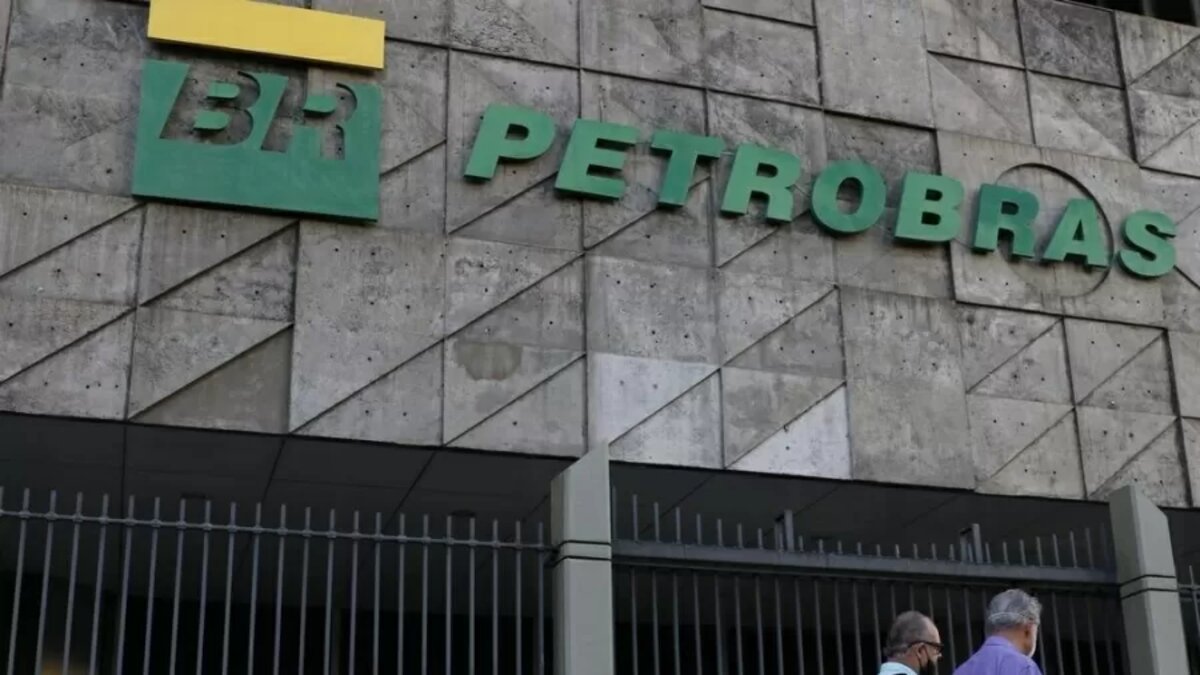
Petrobras Has Been Significantly Reducing Its Investments in National Territory, Mainly in Oil Refineries, and the FUP Warned About the Consequences in the Current Scenario of Dependency on Fuel Imports in Brazil.
Data from the Interunion Department of Statistics and Socioeconomic Studies (Dieese/subsection Unified Federation of Oil Workers — FUP) showed that Petrobras had the lowest presence in Brazil’s investments since 2003. And, amid a scenario of rising fuel prices on Wednesday, (07/13), the FUP warns about Brazil’s dependency on imported products due to the lack of financial investments from the state-owned company in the country’s refineries.
Petrobras Has Low Participation in Investments in Brazil and the Fuel Market Suffers from the Need for Imports, Warns FUP
Petrobras’ presence in the number of investments in national territory recorded the lowest number since 2003, according to surveys conducted by the FUP, and the company has been significantly reducing capital expenditure in Brazil. Data from the federation show that the decline in these investments has been causing a fuel supply deficit in Brazil and the need for imports.
According to FUP’s surveys, Petrobras’ total investments in Brazil amounted to R$ 9.2 billion between January and March of this year. And, within this total amount, approximately R$ 7.2 billion was allocated to oil and natural gas exploration and production processes, while refining received a much smaller share of R$ 1.3 billion. Thus, the low investment application in oil refining in Brazil contributes to a deficit in the production of fuel derivatives from the product.
-
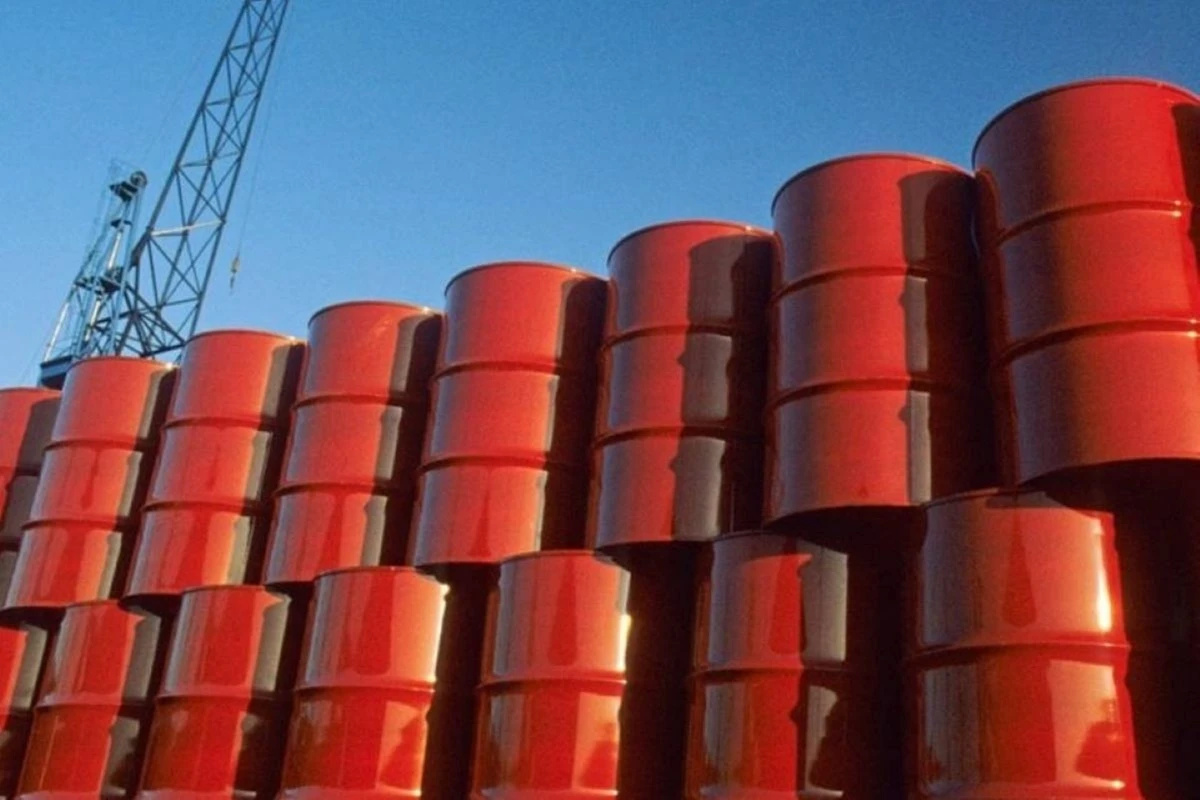
New escalation of tensions and oil crisis in the Middle East forces world powers to accelerate energy transition plans.
-
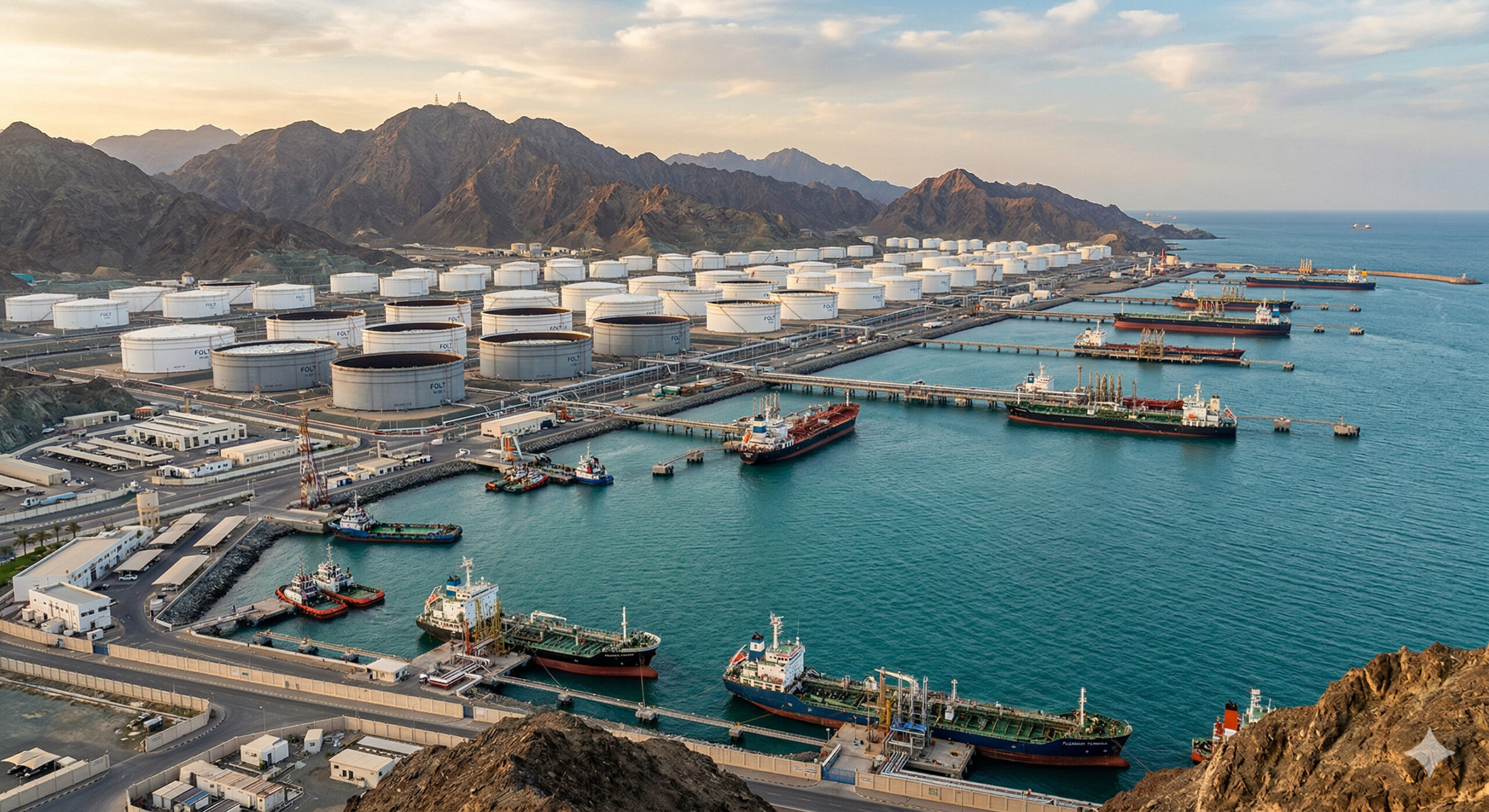
Giant reservoirs with a capacity of 18 million cubic meters have turned Fujairah into one of the largest energy vaults on the planet. This facility, located outside the Strait of Hormuz, stores oil on a colossal scale and has become a silent piece that supports the global flow of fuels.
-
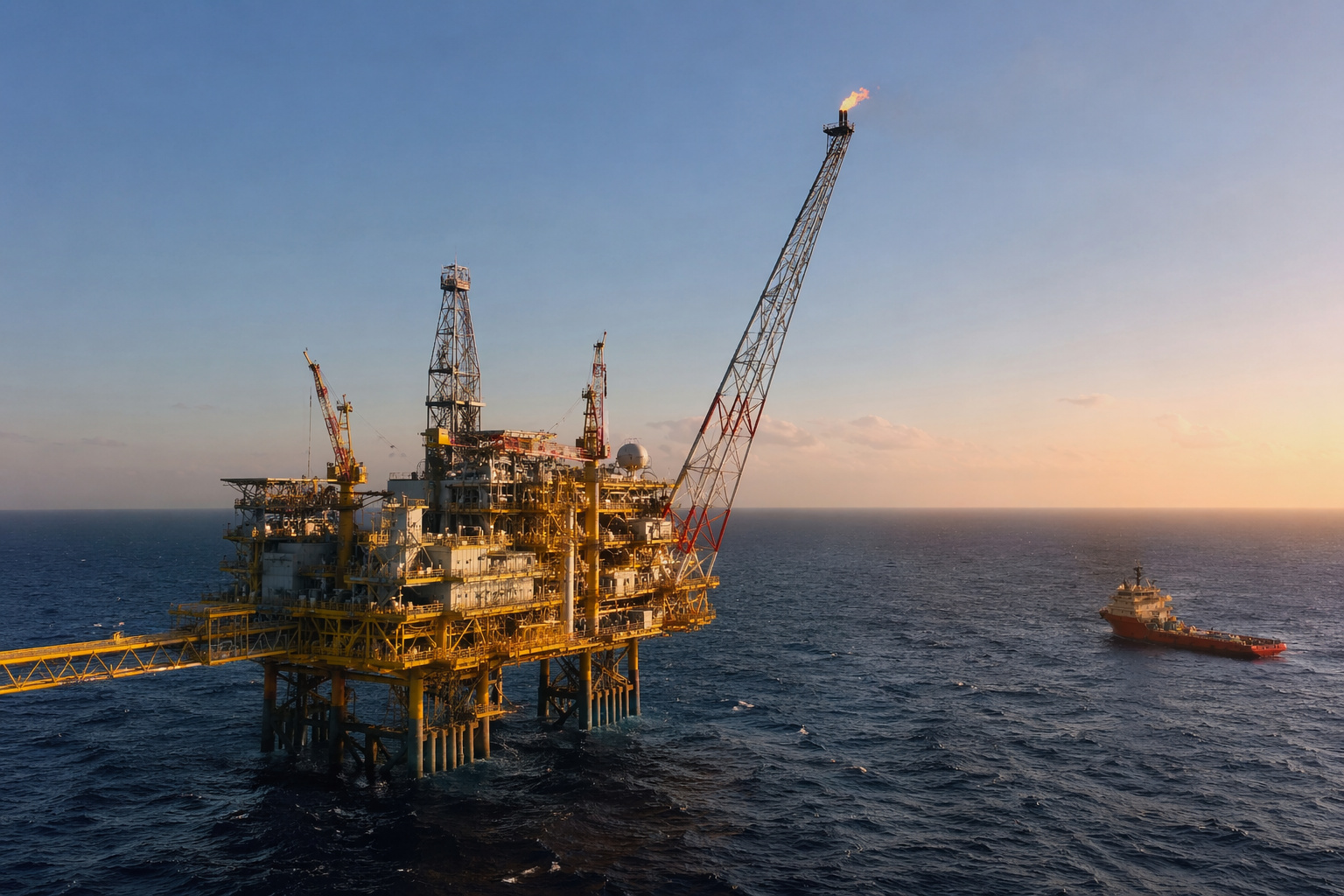
The next exploration auction in the pre-salt will offer 23 blocks in the Campos and Santos basins and may change the interest of oil companies in Brazil.
-
The next exploration auction in the pre-salt will offer 23 blocks in the Campos and Santos basins and could change the interest of oil companies in Brazil.
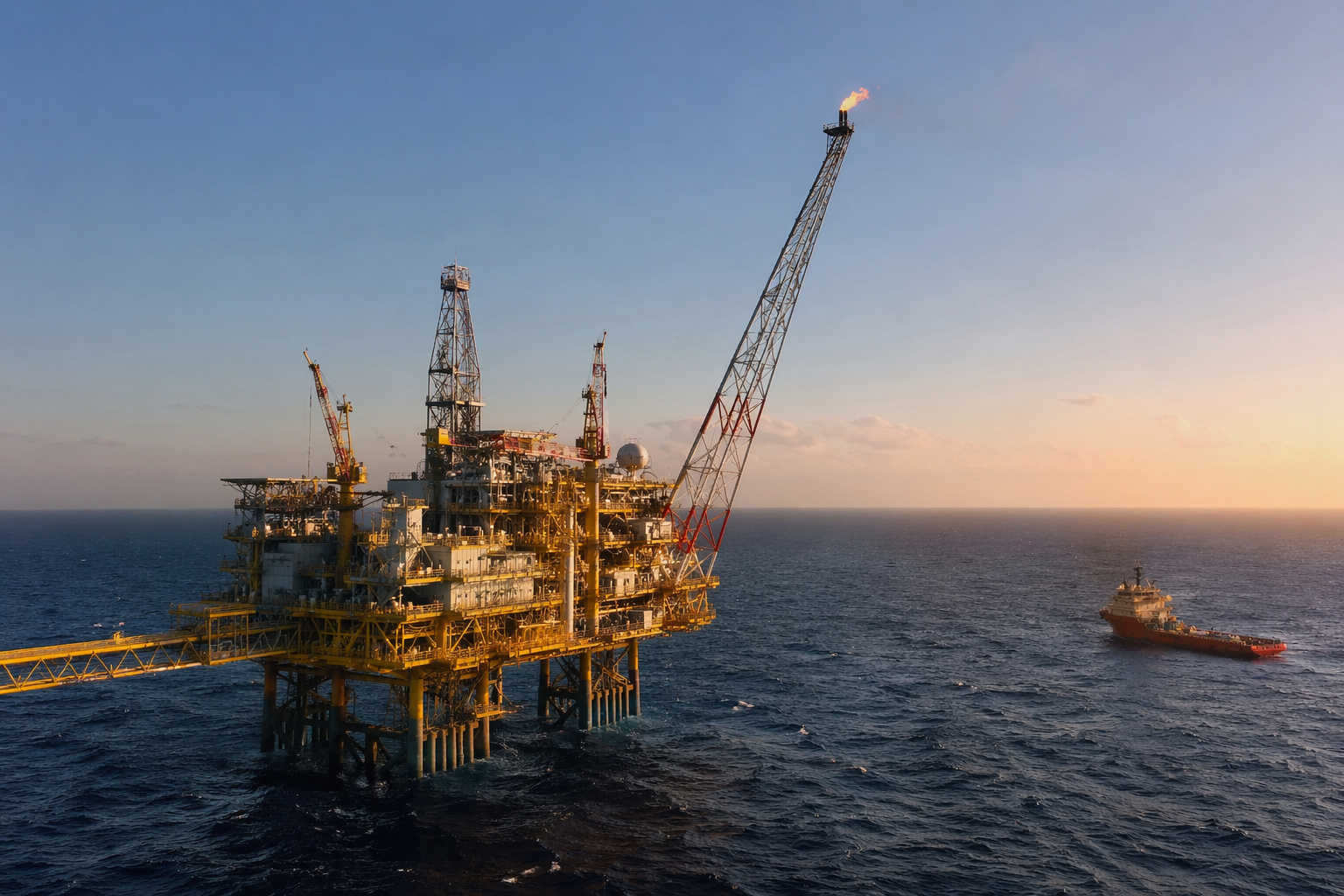
The result of these low investments is already visible in the level of fuel productivity in the country, as Petrobras’ refined production during the first quarter reached 1.73 million barrels per day.
Although this number may seem high for the national market, it is still below the total of 1.85 million barrels per day in 2021. The main fuel affected by the lack of refineries is diesel, which had an average production from January to March 2022 of 684,000 barrels per day, lower than the 726,000 barrels per day in 2021.
FUP Warns of State-Owned Company’s Low Participation in FBCF and Shows Consequences of Lack of Investments on Dependency of Fuel Imports
In addition to proving the low productivity of fuels in Brazil by Petrobras, the FUP warned about the company’s low participation in an index called Gross Fixed Capital Formation (FBCF), which measures how much companies have increased their fixed assets and indicates whether production capacity is growing.
The company’s presence in the index was only 2.2% in the first quarter of this year, a very low figure compared to the year 2009, for example, when Petrobras’ investments represented 11% of the FBCF.
This data was presented based on studies from the Brazilian Institute of Geography and Statistics (IBGE), and the FUP took the opportunity to alert regarding the investments in fuel refineries in Brazil, as the company invested only 10.5% of the total investments in 2021 in these structures.
Thus, the Dieese/FUP economist, Cloviomar Cararine, warned about this low number regarding the total capital invested by the state-owned company: “This is the lowest amount invested in refining in the company’s history, which has seen Brazilian fuel imports increase significantly as a result.”
Thus, the lack of investments in Brazil’s refineries places the country in a scenario of strong dependency on fuel imports like diesel, which would not be necessary, as the country is a leader in the exploration of oil and natural gas and has a high potential for producing these fuels.









Seja o primeiro a reagir!