Portuguese
  Spanish


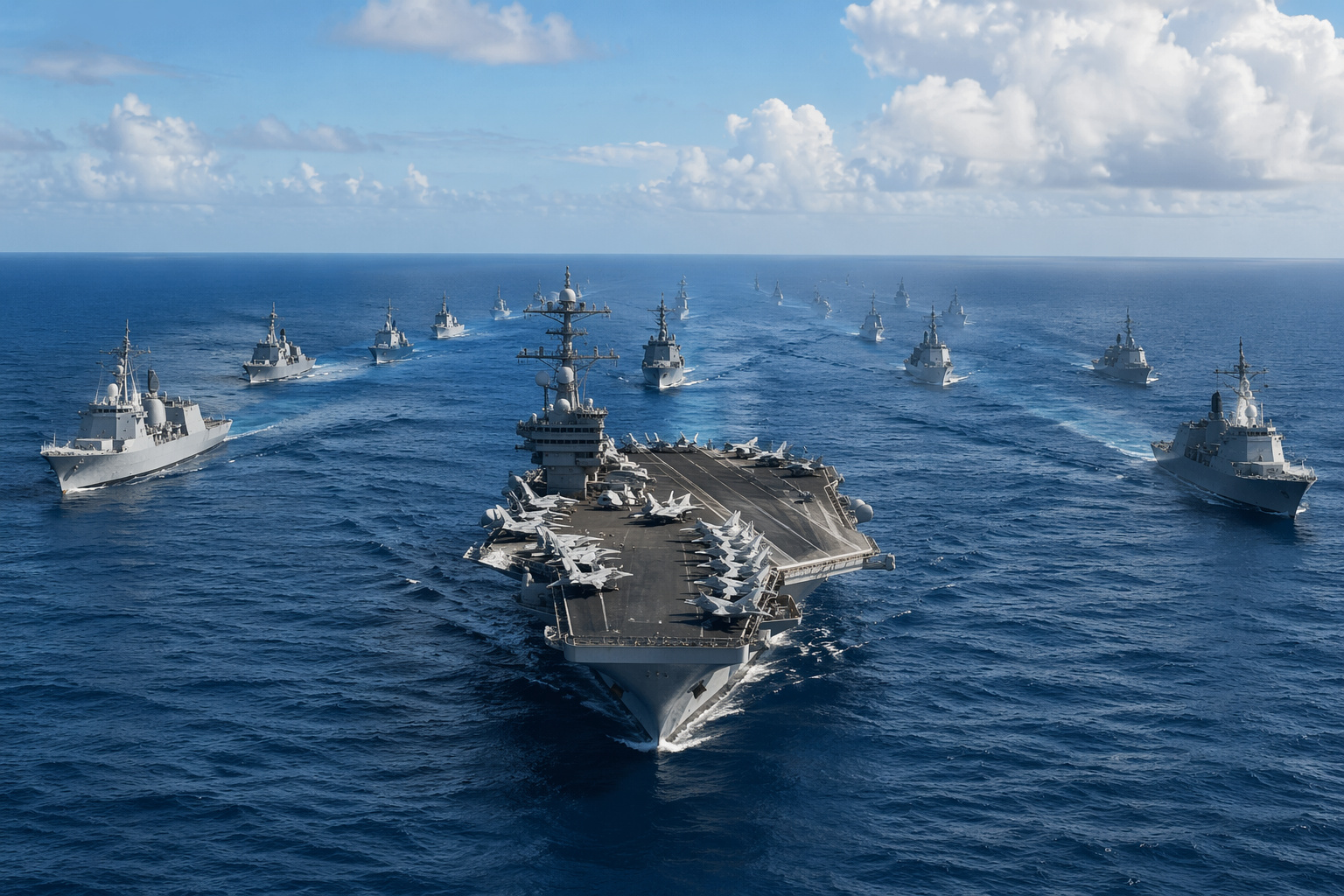

The budget plan expands naval production, prioritizes nuclear submarines, and strengthens logistics for prolonged operations
According to the Pentagon, this is the largest naval investment since 1962, a period marked by the strategic submarine program.
The plan calls for the construction of 34 vessels, including nuclear submarines, destroyers, frigates, and logistics ships focused on the Pacific.
-
Ayatollah Ali Khamenei’s Funeral Draws 15 to 20 Million in Tehran, Calls for Revenge Against Trump After Joint Israel-U.S. Attack

-
U.S. Establishes Permanent Embassy in Jerusalem, Reigniting International Debate Over Israel’s Capital
-
The world has nearly 12,000 nuclear warheads, with the majority held by the United States and Russia; see the figures for China, France, and the United Kingdom.

-
Venezuela Faces UN Alert for Hunger, Disease, and Service Collapse After Earthquakes Cause Nearly 2,000 Deaths and $6.7 Billion in Damages


A major naval expansion with strategic impact has been announced, attracting global attention and repositioning military priorities.

Largest naval request in decades redefines planning
The 2027 budget nearly doubles the previous naval production rate. In 2026, US$ 27.2 billion was allocated for 17 ships.
According to the Secretary of the Navy, John Phelan, production is expected to grow significantly by February 2026.
Among the main ships planned, the following stand out:
- Virginia-class attack submarines
- Columbia-class ballistic submarine
- Arleigh Burke Flight III destroyer
- FF(X) frigate
- San Antonio and America-class amphibious ships
- Logistics and strategic support ships
The package also includes auxiliary, hospital, and landing systems.
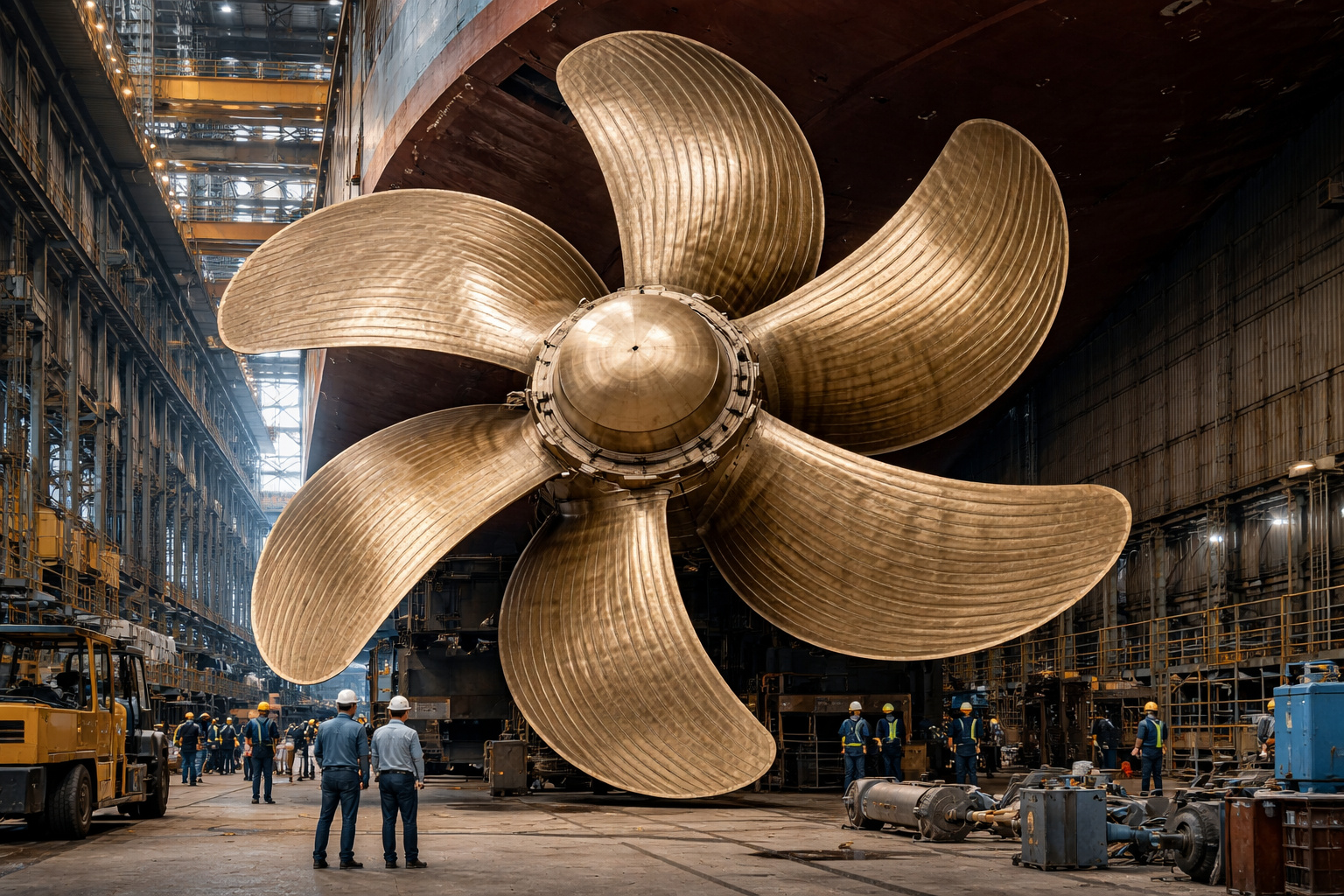
Nuclear submarines take center stage in strategy
Investment in submarines is growing significantly. Funding for the Columbia class rises to US$ 15.2 billion, compared to US$ 9.3 billion in 2026.
These submarines will replace the Ohio class, reinforcing the strategic nuclear capability of the United States.
The Virginia-class submarines remain a key component. They combine acoustic stealth, special operations, and advanced combat.
These platforms allow for:
- Surveillance and reconnaissance
- Anti-submarine warfare
- Land attacks
- Strategic maritime control
In Pacific scenarios, these units are considered crucial for ensuring operational advantage.
Naval logistics gains importance in prolonged warfare scenario
The budget reveals a significant shift in military strategy. Of the 34 ships requested, 16 are classified as non-combatants, focused on logistical support.
The United States Navy is now prioritizing the sustainment of large-scale operations.
The distribution of resources indicates:
- US$ 15.2 billion for ballistic submarines
- US$ 28.4 billion for combat ships
- US$ 8.29 billion for amphibious ships
- US$ 13.92 billion for logistics and previous programs
The planning considers prolonged conflicts in the Pacific, where distances are vast and forward bases are vulnerable.
The ability to refuel, repair, and sustain forces at sea becomes critical.
New projects reinforce American naval ambition
The Navy intends to advance new strategic programs. Among them, the development of the Trump-class battleship stands out.
The budget allocates US$ 1 billion for early acquisition for 2027. This amount represents an initial step, not covering the complete construction.
There is also a frigate project based on the Coast Guard’s Legend-class Cutter.
The national plan for 41 ships represents the largest sign of industrial demand since Franklin D. Roosevelt.
Industrial limitations challenge plan execution
The expansion faces significant obstacles. The naval industrial capacity of the United States has diminished over the past decades.
Experts point to productive limitations. According to Brent Sadler, the level of investment needs to be maintained for several years.
Mark Cancian highlights short-term constraints. The construction of auxiliary ships emerges as the most viable alternative in this scenario.
The plan is ambitious, but it directly depends on the recovery of the naval industrial base.