





 English
  Francês
  Alemão
  Italiano
  Japonês
  Norueguês
  Portuguese
  Spanish
  6 min of reading
  0 comments


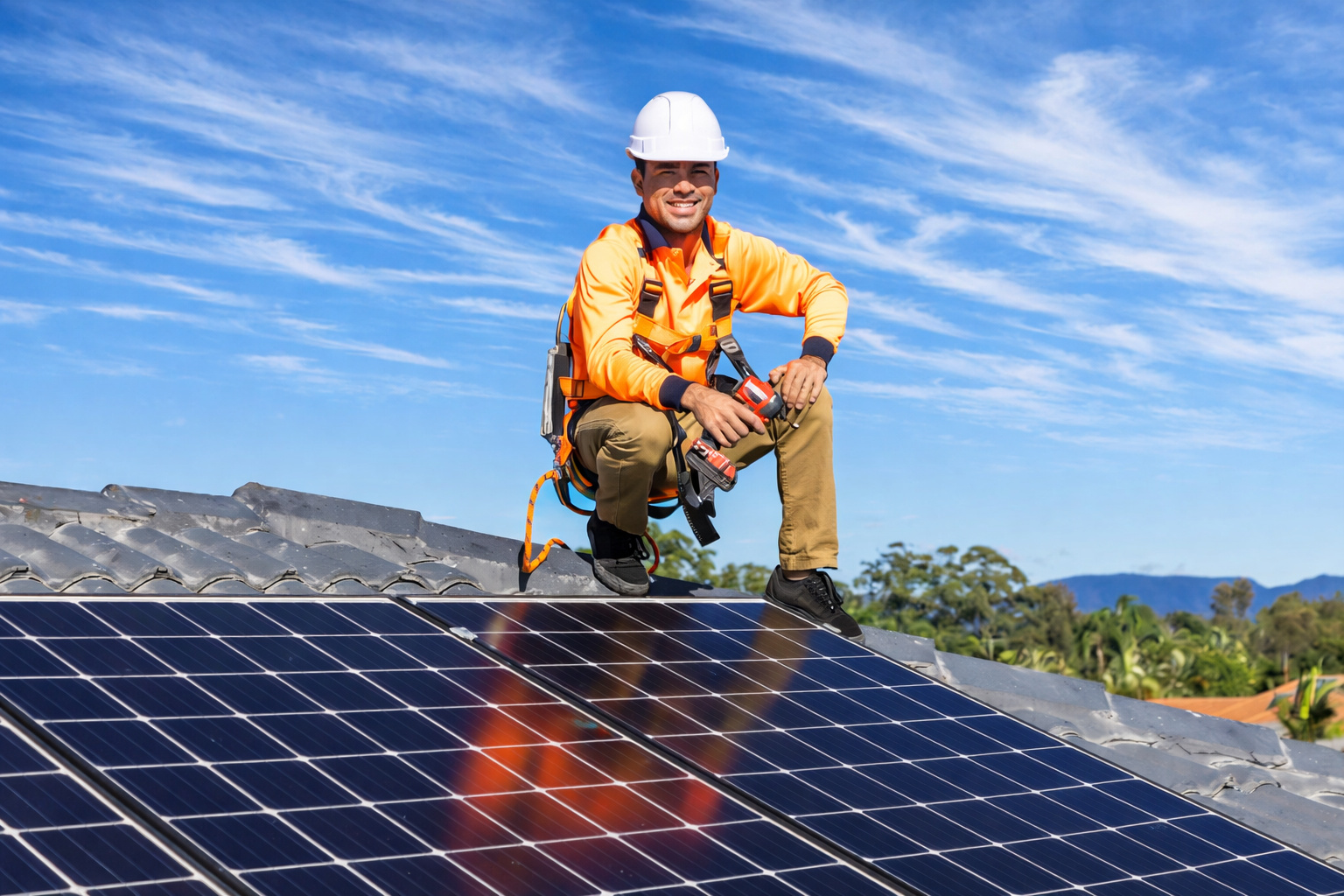
The growing search for savings on electricity bills drives the job market and allows solar energy technicians to reach monthly earnings of up to R$ 8 thousand with short-term training and immediate start.
The Brazilian job market is undergoing an unprecedented transformation with the rise of renewable energies, allowing the solar energy technician to achieve average earnings of R$ 8 thousand per month.
The constant increase in electricity tariffs motivates millions of residential and commercial consumers to install photovoltaic panels, creating a bottleneck of qualified labor in all regions of the country.
Professionals who invest in quick training courses find a scenario of full employment, where the supply of projects exceeds the number of available installers. This profession combines knowledge of electrical systems, workplace safety, and cutting-edge technology, positioning itself as one of the most lucrative careers in the current infrastructure sector.
-
Work from 8:30 AM to 5:30 PM with a 1-hour break at Sicredi as a Customer Service Assistant and receive a salary + benefits such as life insurance, dental plan, partnerships, Gympass, and much more in job openings across various states.

-
Subsea7 has job openings: the company has offshore and onshore positions available in 2026 for operators, pilots, supervisors, engineers, and much more.

-
Unimed is hiring candidates with and without experience! More than 10 job openings for Assistants, Analysts, Kitchen Assistants, and much more!

-
Electrolux opens job vacancies in technology in Brazil and strengthens digital teams with a focus on innovation, data, and user experience, creating real opportunities for professionals to grow in a competitive environment.


Those who master the techniques of assembly, inverter configuration, and system maintenance ensure a full schedule, as Brazil occupies prominent positions in the global ranking of installed solar energy capacity.
High demand for solar energy technicians drives the economy and generates opportunities
The explosion of self-generated energy creates a fertile ground for those wishing to change careers or start a new business. The solar energy technician works in a sector that knows no crisis, as sunlight is an abundant and free resource in Brazil.
The country has already surpassed the mark of 2 million installed photovoltaic systems, but the growth potential still reaches only a small fraction of the total number of consumer units. This means that the installation and maintenance market has room to grow for the next few decades.

Engineering companies and integrators are desperately seeking professionals who understand the practical aspects of installation. The technician not only fixes panels on the roof; they size the system, analyze technical feasibility, and ensure that the connection to the utility grid occurs safely.
This technical responsibility justifies the high earnings, as a mistake in installation can compromise the efficiency of an investment that costs thousands of reais for the end customer. Therefore, specialization has become the passport to salaries that exceed the average of many traditional higher education professions.
Quick training and return on investment in the career
Unlike academic courses that require years of study, training for solar energy technicians focuses on practicality and agility. Technical schools and training centers offer intensive courses that prepare students in just a few weeks.
The content covers everything from interpreting electrical diagrams to safety standards for working at heights (NR 35) and electrical installations (NR 10). This direct-to-the-point teaching model allows professionals to recover the investment made in the course within the first few months of work.
Many of these technicians start as assistants in large teams to gain field experience. However, the ease of starting a business in the sector attracts most to self-employment. By assembling their own tool kit and establishing partnerships with equipment suppliers, technicians begin to manage their own schedules and profit margins.
A single small residential installation project can yield a considerable net margin, and the execution usually takes only two or three days. This operational agility is what allows earnings of R$ 8 thousand or more by the end of the month.
The impact of technology and modern tools in daily life
The daily life of a solar energy technician requires mastery of modern tools that optimize time and ensure service quality. The use of drones for roof mapping and shading analysis has become common practice among elite professionals.
These technologies prevent design errors and increase safety, reducing the need to climb unstable structures just for initial measurements. Additionally, remote monitoring software allows technicians to offer preventive maintenance plans to their clients.
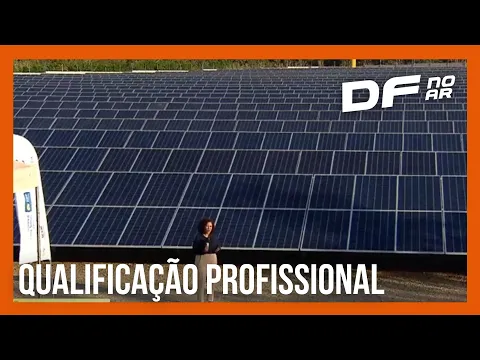

Maintenance is, in fact, one of the most stable sources of income for the professional. Photovoltaic systems require periodic cleaning and reviews of electrical components to maintain maximum performance.
The technician who builds loyalty with their client base through maintenance contracts ensures recurring revenue, regardless of the sale of new systems. This strategic post-sale vision separates common installers from true specialists who dominate the local market.
Sustainability and the social role of solar energy professionals
The work of a solar energy technician carries a strong environmental and social component. By installing a renewable system, the professional directly contributes to reducing greenhouse gas emissions and preserving the country’s water resources.
In remote regions or communities with poor supply, solar energy brings dignity and development, enabling the operation of schools, health posts, and small businesses.
The recognition of the profession as a “green job” attracts young people seeking purpose in their work. Working with clean energy places the technician at the forefront of the global energy transition.
Brazil has made international commitments to decarbonization, and meeting these goals directly depends on the technical capacity of these professionals to spread solar panels across the national territory. Thus, the technician not only earns well but also acts as an agent of change for a more sustainable future.
Challenges and safety in the work of the photovoltaic installer
Despite the high earnings, the profession of solar energy technician demands extreme rigor with safety. The work involves high-voltage electrical risks and activities on roofs or elevated structures.
The professional needs to use quality Personal Protective Equipment (PPE) and follow strict energy isolation protocols. Negligence with these standards can cause serious accidents and financial losses for the installation company.
Another challenge lies in the constant updating of the regulations from the National Electric Energy Agency (ANEEL). The legal framework for micro and mini distributed generation undergoes periodic changes, and the technician needs to guide the client on the rules for credit compensation and taxation.
The professional who stays informed about the legislation gains consumer trust and avoids legal issues in the approval of projects. Technical competence combined with regulatory knowledge forms the profile of the technician most sought after by companies in the sector.
The future of the profession: Batteries and electric mobility
The horizon for the solar energy technician points to new areas of specialization that will further increase earnings. The popularization of lithium batteries for energy storage (off-grid and hybrid systems) will create new demand for complex installations.
The technician will need to understand load management systems and battery integration to ensure customer autonomy during the night or in power outages.

Electric mobility also emerges as a golden opportunity. The installation of chargers for electric vehicles in homes and condominiums requires specific technical knowledge that the solar installer already possesses.
The integration of the solar panel with the electric car charger completes the sustainability cycle and increases the average ticket of projects. The technician who prepares for these technologies today will be a step ahead of the competition, consolidating their position as a complete energy solutions consultant.
The time to invest in the solar technician career is now
The data confirms that the career of solar energy technician offers one of the best relationships between training time and financial return in today’s Brazil. The earnings of R$ 8 thousand per month reflect the urgency of the energy transition and the consumer’s willingness to pay for competence and savings.
With the sun shining abundantly and energy tariffs at high levels, the photovoltaic job market will continue to expand rapidly.
For those seeking stability, good earnings, and a profession aligned with global trends, the solar sector represents the ideal path. Success depends on dedication to learning, respect for safety standards, and market vision to identify the best opportunities.
The sun is a democratic resource and, in the hands of a qualified technician, becomes the definitive tool for generating wealth and development for the entire country.








Seja o primeiro a reagir!