





 Portuguese
  English
  Spanish
  4 min of reading
  1 comment


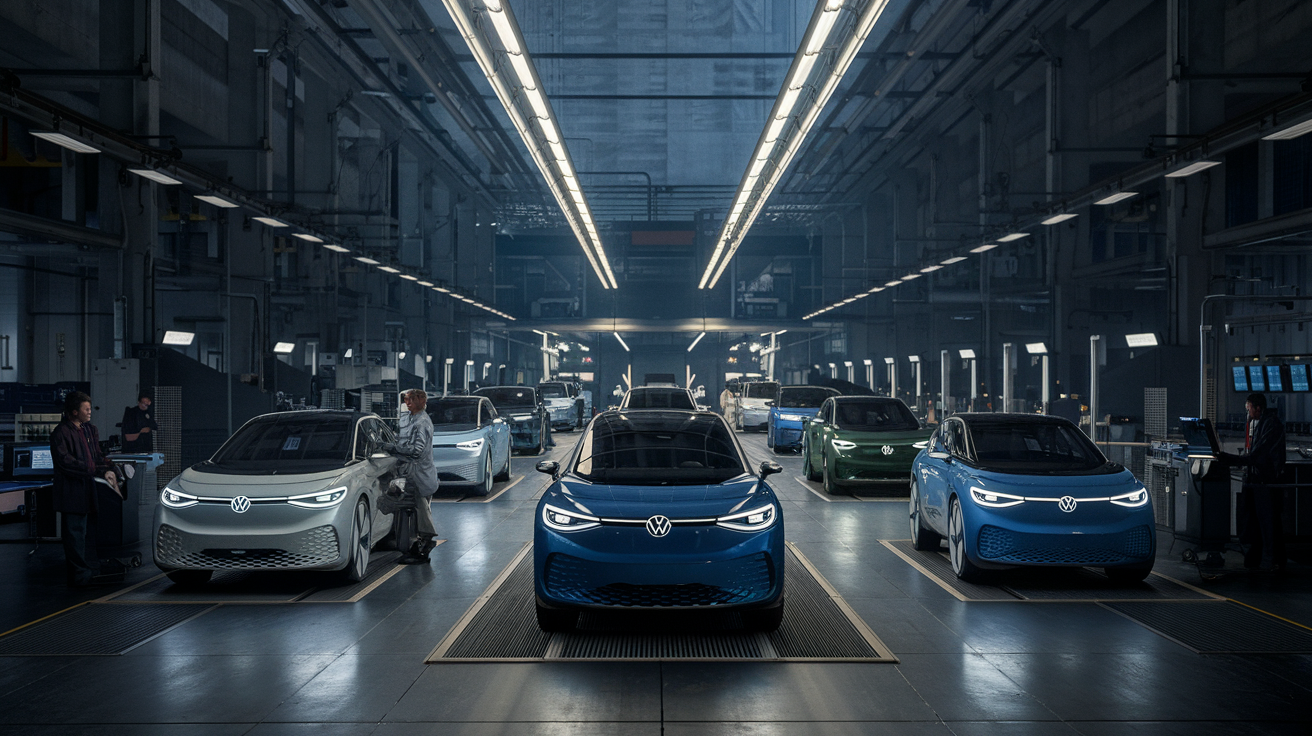

Can Volkswagen Disappear Like Nokia and Kodak? Understand the Challenges the Automaker Faces Today with the Growing Presence of Chinese Companies in the Automotive Market.
Cars are becoming, day by day, computers on four wheels, and many automakers are facing the dilemma of modernizing or going bankrupt. It is in this context that Volkswagen may disappear like Nokia and Kodak, having announced drastic plans for cost reduction, factory closures, and mass layoffs. The pressure the automaker is facing now is very similar to what companies in other sectors experienced some time ago.
Why Can Volkswagen Disappear Like Nokia and Kodak?
Fifty years ago, in the photography sector, the market leader was the American company Kodak. With the digitization of photography, the market giant lost its dominance, and the same happened in telecommunications. Twenty-five years ago, the Swedish company Nokia dominated the market until smartphones arrived and everything changed, and now something similar is happening in the automotive market. A car today is not the same as one from 10 years ago.
The body design is still attractive, but it is no longer that important, and a powerful combustion engine has become a thing of the past. The trend now is electric cars, and what is crucial is battery quality, and that’s where the problem lies, at least for Volkswagen and many other Western automakers.
-
Less than a Tera TSI, up to 710 km of range and charging in 9 minutes: the new BYD Song Ultra expands the Chinese brand’s bet on increasingly faster, more technological, and competitively priced electric SUVs.

-
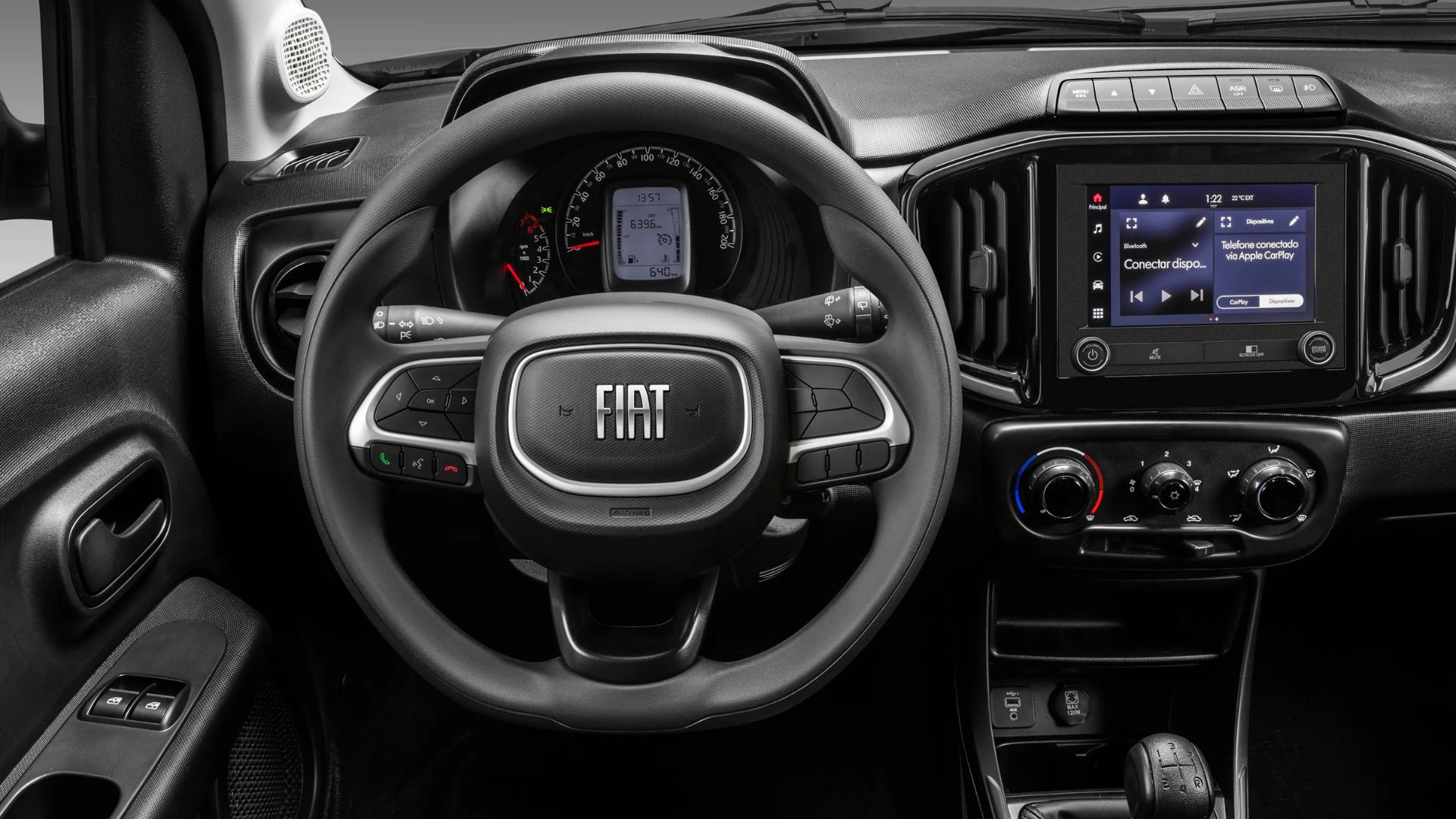
With a 1.0 engine producing 75 hp and costing less than R$ 70,000, Fiat’s car returns to the podium as the cheapest in the country; a temporary promotion for the 2026 Like version reduces the price of the Fiat Mobi.
-
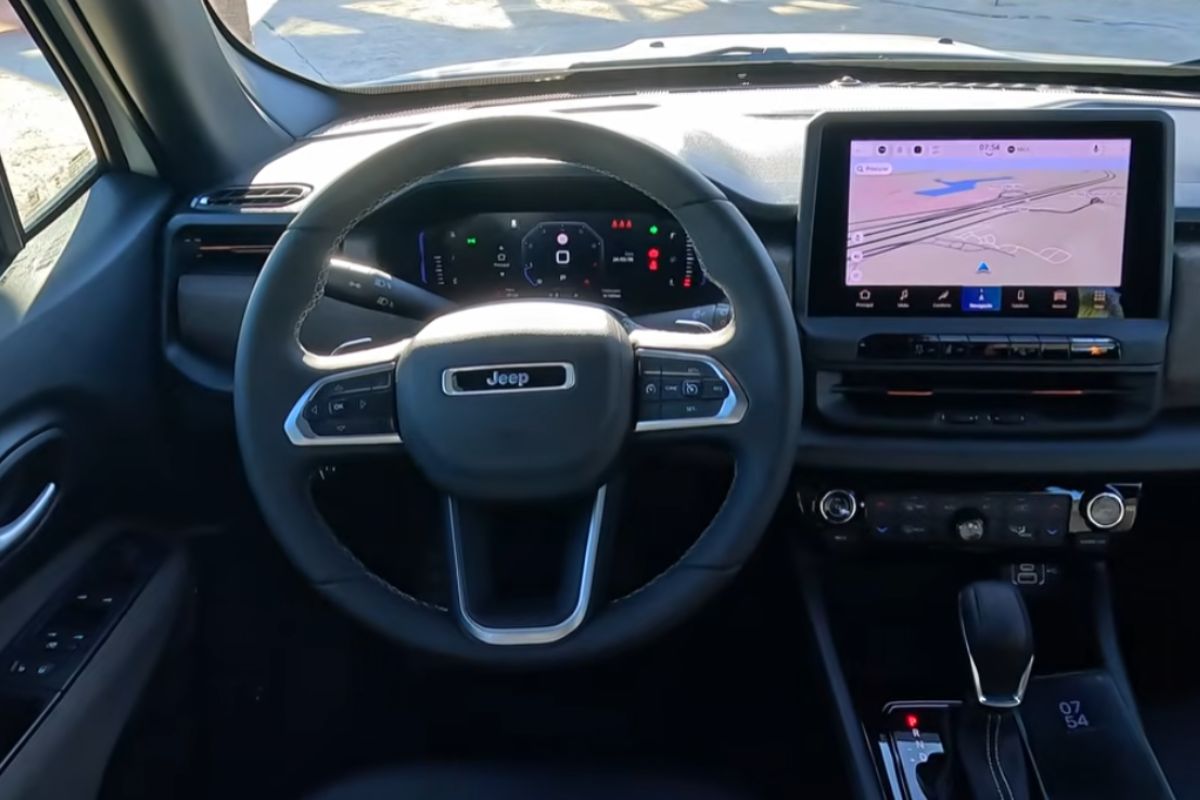
With a mild hybrid system of 48 V, 176 hp and a price of R$ 175,990 in the Sahara version, the new Jeep Renegade changes mostly on the inside, improves slightly in fuel consumption, and remains almost the same car.
-
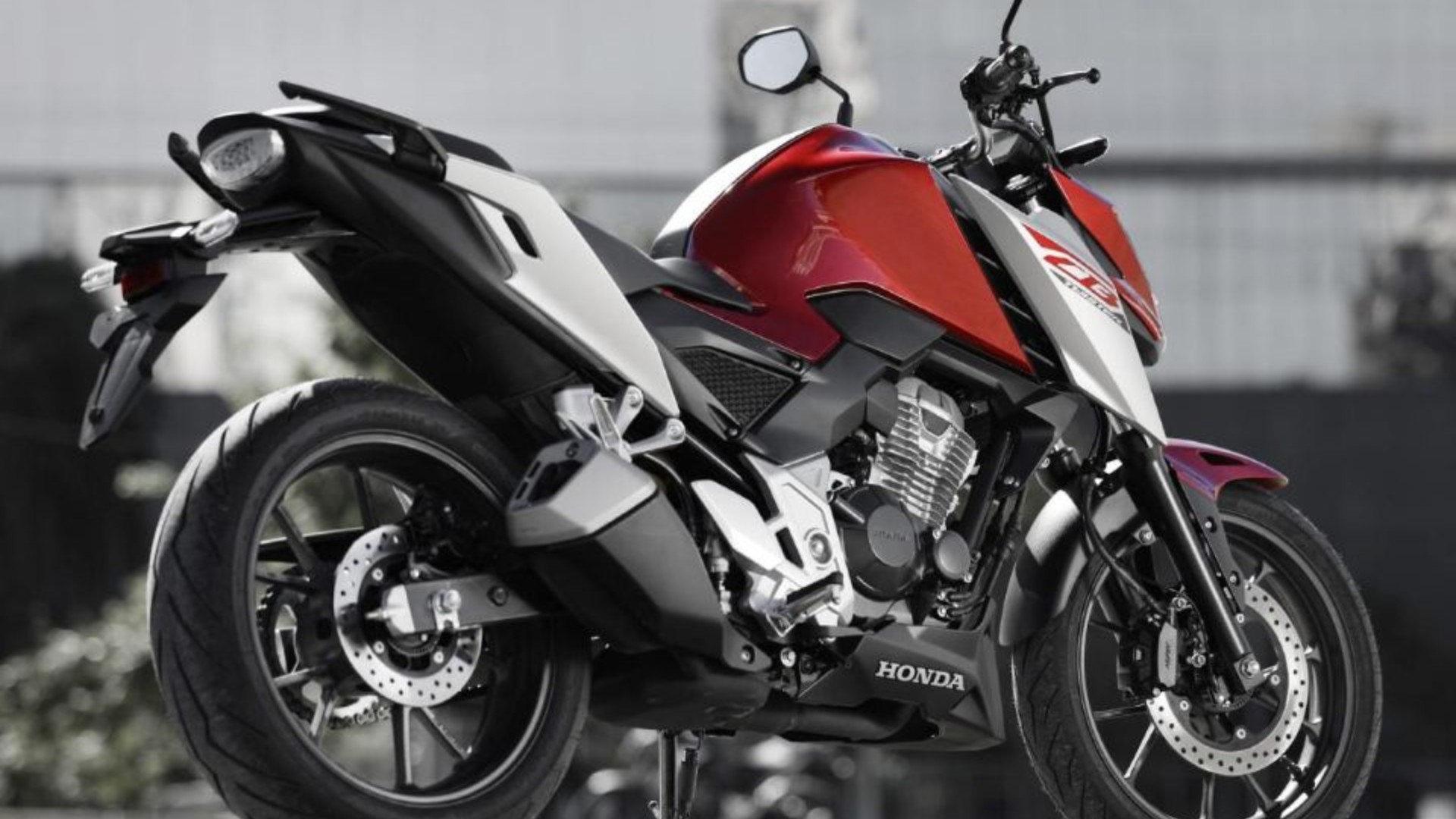
With a 293.5 cm³ engine and a range of up to 400 km with a 14.1-liter tank, the Honda CB 300F Twister 2026 has up to 24.7 hp, an initial price of R$ 25,150, and already exceeds R$ 29,000 in the Fipe Table.

Chinese battery manufacturers, together, have overwhelming dominance in the Global Battery Market, especially for the automotive sector. Scale is greatly important to achieve the lowest possible prices, and this is a fundamental aspect for the success of electric vehicles and to reduce their market price.
Understand What Makes the Automaker’s Electric Cars Less Attractive
The Volkswagen iD7 electric car has won awards and can last over 700 km on a single charge, but the issue is the price. The base model costs 55,000 euros in Europe, the equivalent of almost R$ 350,000.
The competition for the electric car market is fierce, and the European Union has recently raised tariffs on Chinese car imports, but companies from China are building factories in Europe, thus, Chinese electric cars will soon be able to enter the European market at significantly lower prices, and Volkswagen may disappear like Nokia and Kodak.
On the other hand, the automaker faces a sales problem in China, as German models are very expensive, and cars are undergoing intense technological innovation and becoming computers on four wheels. The future of the sector is represented by the acronym SDV (Software Defined Vehicle).
The car’s electronic architecture has become essential, and this is revolutionizing the automotive industry. Software has an increasingly dramatic importance, and this trend will only increase. It is something that can be compared to the transition from cell phones to smartphones, and Volkswagen may disappear like Nokia and Kodak if it does not act quickly.
Volkswagen Announces New Initiative to Stay Relevant
Volkswagen has founded a software subsidiary called CARIAD. It has spent a lot of money so far but has not yet delivered good results, and this is a well-known challenge in the automotive industry right now. Volkswagen may disappear like Nokia and Kodak and has been seeking partners for software development. Two electric vehicle manufacturers, Rivian, focused on the US market, and Xiaopeng for the Chinese market.
The focus is often on the so-called electronic vehicle platforms. They are like the brain of modern cars and control all electronic components, but experts point out some risks in this strategy.
Of the 10 largest global automotive manufacturers, more than half have already acquired electronic vehicle platforms from Chinese manufacturers, but the problem is that if they continue down this path, they either need to develop something better than the Chinese or become technologically dependent on them, and Volkswagen is already in a serious crisis.
The board wants to save 5 billion euros, possibly even closing factories and laying off thousands of workers. The workers are protesting, asking why shareholders received such large dividends this summer. Now they are demanding an extension of job guarantees and a 7% salary increase, meaning the automaker is facing serious internal conflicts while simultaneously needing to carry out complex reforms.








A Volkswagen tem ignorado os desejos dos seus consumidores há muito tempo. Apesar de ser uma marca desejada, a soberba de alguns executivos e funcionários parece ter criado a falsa ideia de que os clientes nunca abandonariam a marca. Essa é a grande lei do engano. Para reverter esse cenário, a Volkswagen precisa ouvir os anseios de quem realmente paga a conta: os consumidores.
Outro ponto crucial é a gestão dos investimentos. O foco exagerado no carro 100% elétrico, enquanto os híbridos são ignorados, é preocupante. No Brasil, a ausência de carros híbridos no portfólio da marca é um verdadeiro descalabro, considerando as demandas e a infraestrutura ainda limitada para elétricos puros. É hora de a Volkswagen ajustar sua estratégia, priorizar eficiência e alinhar-se às necessidades reais do mercado.