





 Portuguese
  English
  Spanish
  3 min of reading



GAC Group Announces Its New Electric Flying Car That Could Revolutionize The eVTOL Market. The Vehicle Has Already Been Tested And Is Set To Be Marketed In The Near Future.
GAC Group unveiled its latest fully electric integrated mobility solution during the Tech Day event in China. It is an eVTOL called Gove, that is, an electric flying car. The unique design consists of two separate vehicles that can operate together or independently in the air and on the ground.
The Guangzhou Automobile Group Co, better known as GAC Group, is a state-owned automotive conglomerate in China and the fifth largest manufacturer in the Asian country in its segment.
Obstacles to GAC Group’s Flying Car Production
In addition to vehicles, GAC Group researches and creates other mobility solutions and its adjacent technologies, such as fast chargers for electric cars and now, electric vertical take-off and landing vehicles (eVTOL). As this growing segment of sustainable aviation has continued to evolve from a Jetsons episode to genuine plausibility, various electric flying cars have emerged in recent years. In Brazil, the leader in this segment is Embraer.
-
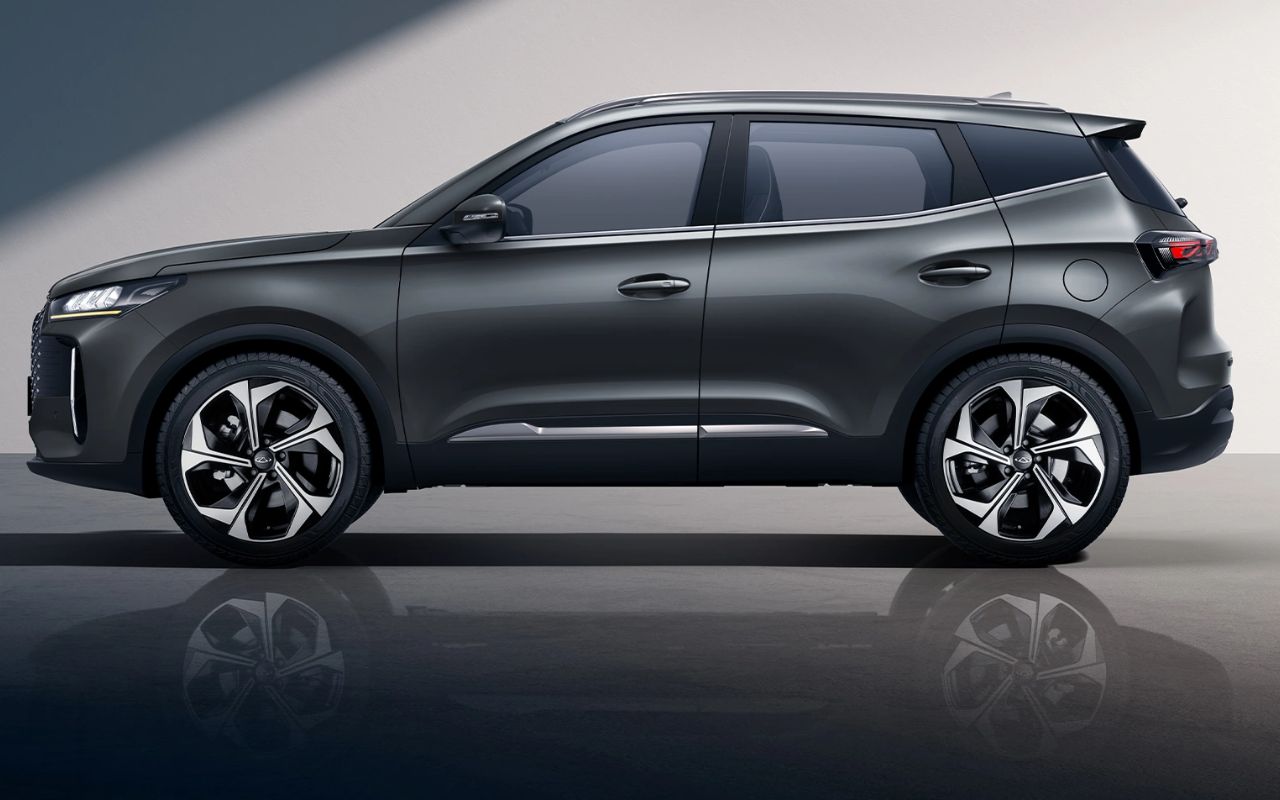
It surpassed the Onix Plus and HB20S: with over 5,000 units sold in March, the Caoa Chery Tiggo 5X 2027 has refreshed its look, conquered the market, and will soon launch a version priced at R$ 120,000 for PcD.
-
Used cars soar in Brazil: historical appreciation changes the landscape in 2026

-
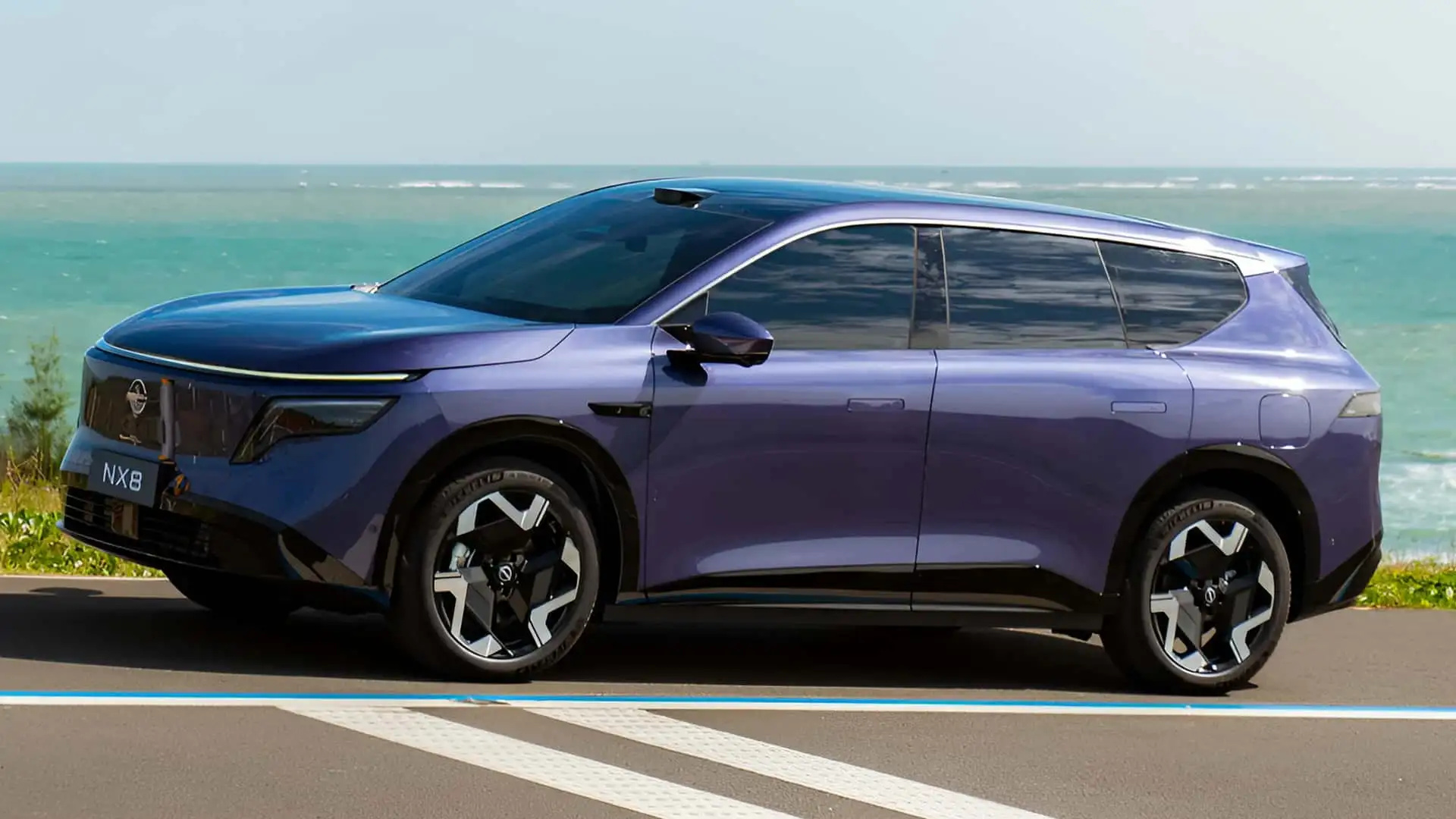
Nissan NX8 prepares a counterattack with a range of 1,450 km, EREV system, and tests already underway in Brazil, in a Japanese response to the offensive from BYD, GWM, and Leapmotor.
-
PRF drones are already fining drivers on federal highways across Brazil, and intelligent monitoring can identify infractions such as using the shoulder, using a cell phone while driving, and not wearing a seatbelt without the need for direct intervention, using authorized video monitoring and specialized technical operation.



Development, production, and certification are significant challenges faced by startups worldwide trying to surpass themselves to take off, and that’s just to get the eVTOLs operational.
Few companies have advanced the technology and attempted to develop a flying car. For example, the AeroHT unit of XPeng eVTOL, which actually completed a trip with a car that can fly. Now GAC Group has taken a new approach to the sector with a detachable electric flying car that can autonomously return to base while you watch the clouds pass by.
GAC Group’s Electric Flying Car Completes Inaugural Flight
According to the manufacturer, its new electric flying car Gove is a blend of the initials of the words GAC, On the Go, Vertical, and EV. The company debuted the model in front of a crowd during the event that took place this Monday (26), explaining that it sees the Gove as an integral part of its future mobility line.
The process will certainly take time to materialize, given that few eVTOL developers have been certified to operate flights with passengers on board, let alone an electric aircraft with a connected car. No matter in which country this is done, there will be plenty of bureaucracy to sort out.
Thus, GAC seems to have the upper half of the Gove operational, as the eVTOL has already completed its inaugural flight outside the company’s headquarters. The company explains that the flying car was developed with GAC’s autonomous ADiGO-Pilot system, in addition to a dual backup multi-rotor flight system.
The passenger sits in the eVTOL part of the Gove while the electric car navigates autonomously. In the not-so-distant future, it will be possible to take off vertically from the road, leaving part of the car to safely return to the nearest GAC base automatically.
New Flying Car Projects Gain Popularity Worldwide
In January of this year, the American company Jetocoptera announced that it is working on the development of a flying car without propellers that flies entirely silently, called the J-2000.
The company claims that the model focuses on high performance, being able to reach a maximum speed of 320 km/h, making it ideal for use as an air taxi in large cities, offering a range of 320 km.
The vehicle utilizes the same physical principle as bladeless fans. From an engineering perspective, all air is technically fluid. By using small tubes and motors, some of this compressed air forces larger volumes of air to flow over the wings on the fuselage, thus generating lift, called fluidic propulsion.









Seja o primeiro a reagir!