





 Portuguese
  English
  Spanish
  3 min of reading
  11 comments


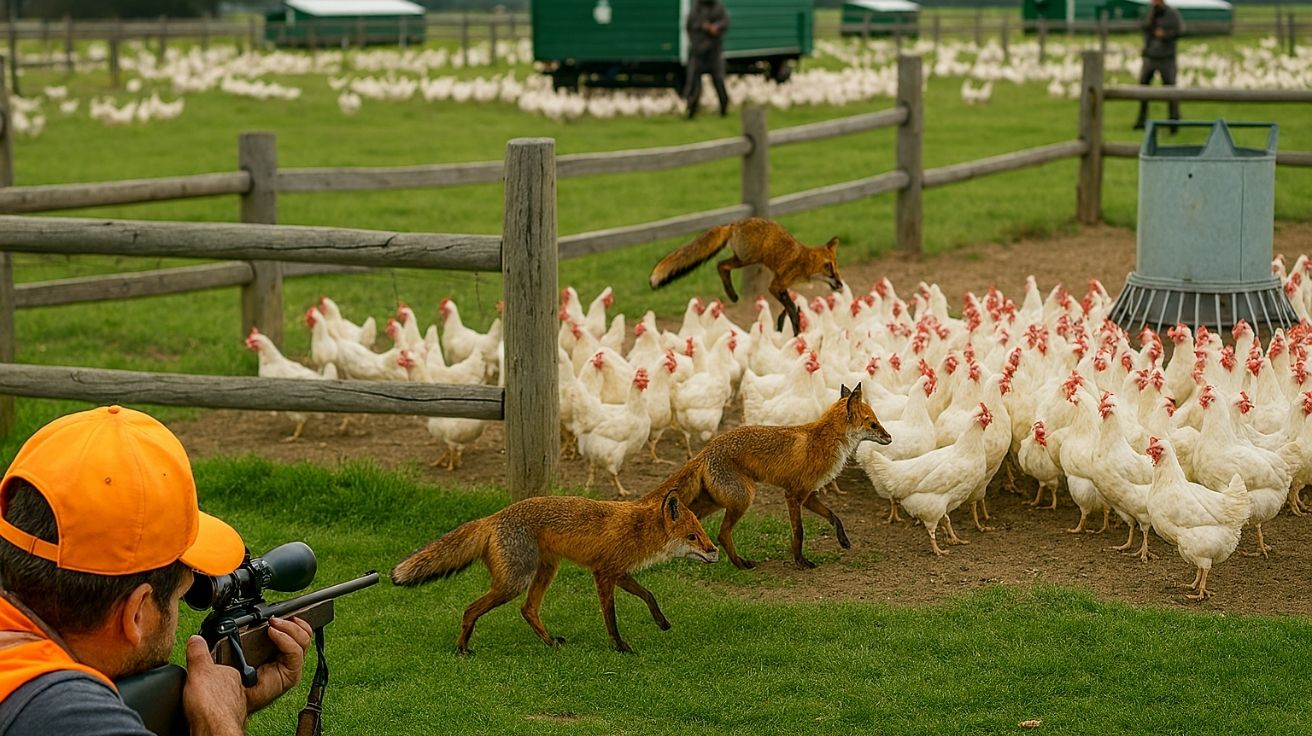


With Rigorous Management, Use of Mobile Fences, Tractors, Lamps, and Balanced Feed, Australian Farmers Are Transforming Free-Range Chicken Farming Into One of the Most Profitable Sectors of Modern Agriculture
In Australia, thousands of farmers adopt the free-range chicken system to produce high-quality meat and eggs, reducing operational costs and meeting the growing demand for sustainable food in the country’s supermarkets and restaurants.
Free-range chicken farming has gained traction among Australian farmers, particularly in regions like New South Wales and Queensland. Using open areas and rotating paddocks, the birds are raised with access to natural pasture, insects, and natural lighting, providing animal welfare and food with higher market value.
-
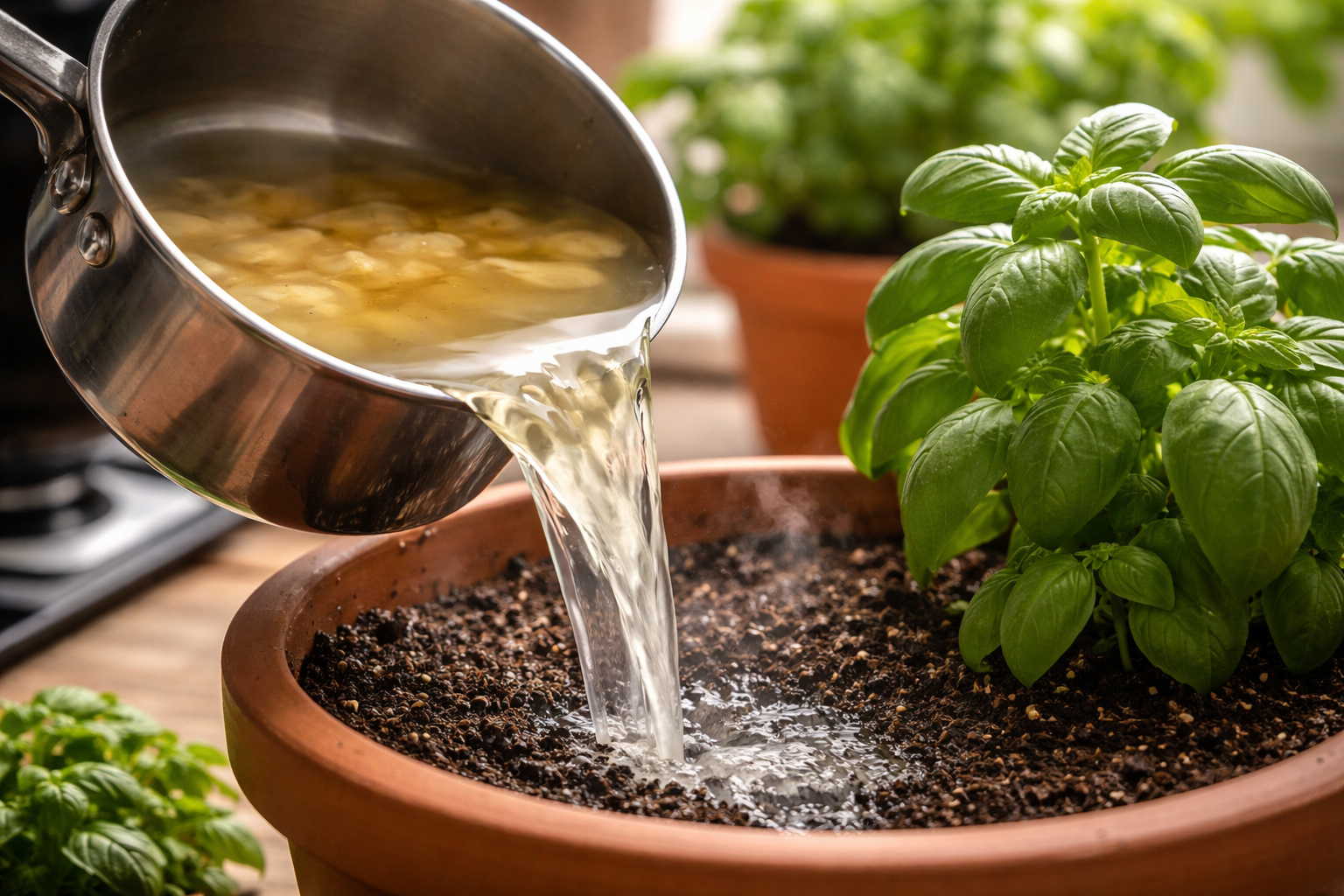
The water that almost everyone throws away after cooking potatoes carries nutrients released during the preparation and can be reused to help in the development of plants when used correctly at the base of gardens and pots, at no additional cost and without changing the routine.
-
The sea water temperature rose from 28 to 34 degrees in Santa Catarina and killed up to 90% of the oysters: producers who planted over 1 million seeds lost practically everything and say that if it happens again, production is doomed to end.

-
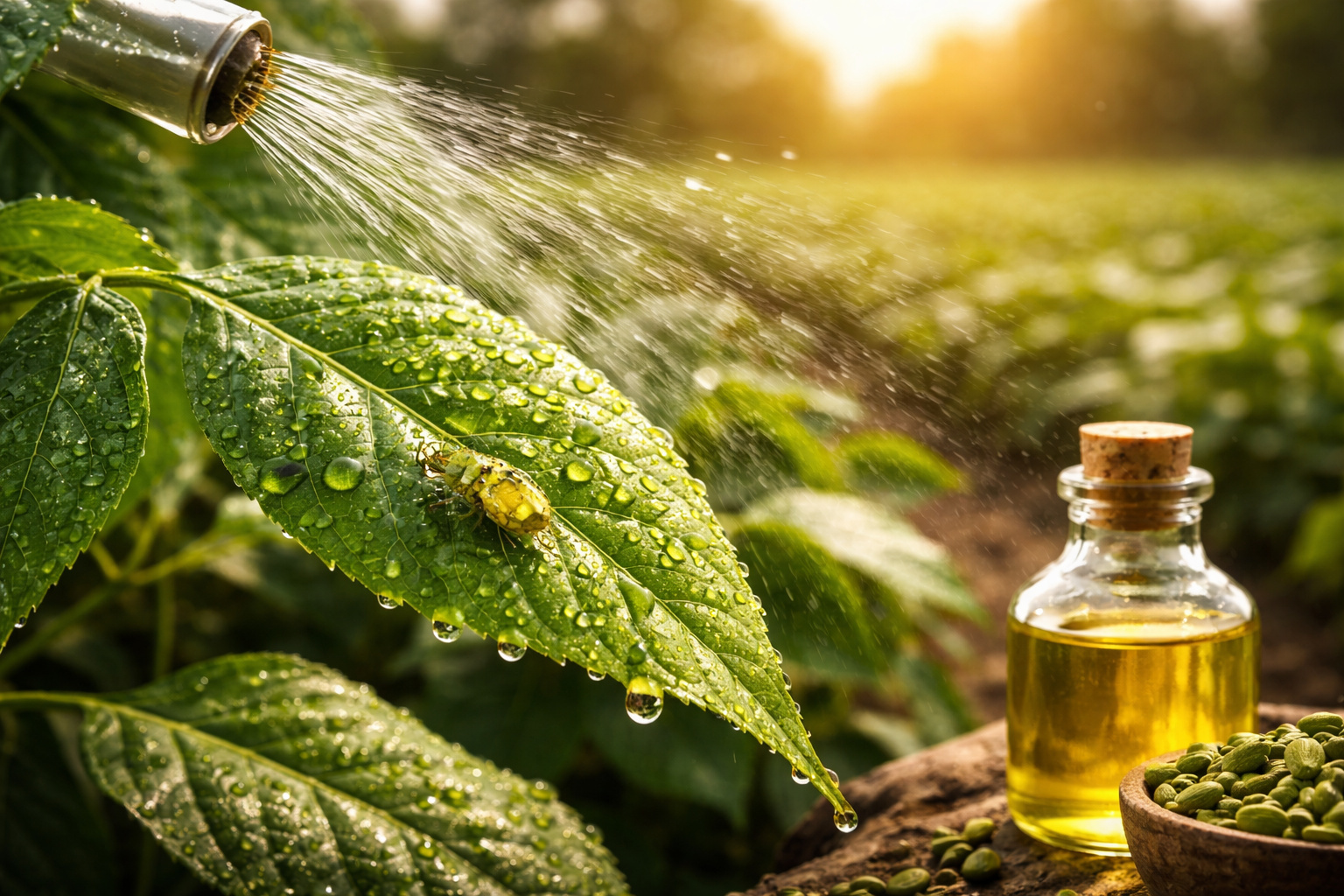
An Indian tree that grows in the Brazilian Northeast produces an oil capable of acting against more than 200 species of pests and interrupting the insect cycle, gaining ground as a natural alternative in soybean, cotton, and vegetable crops.
-
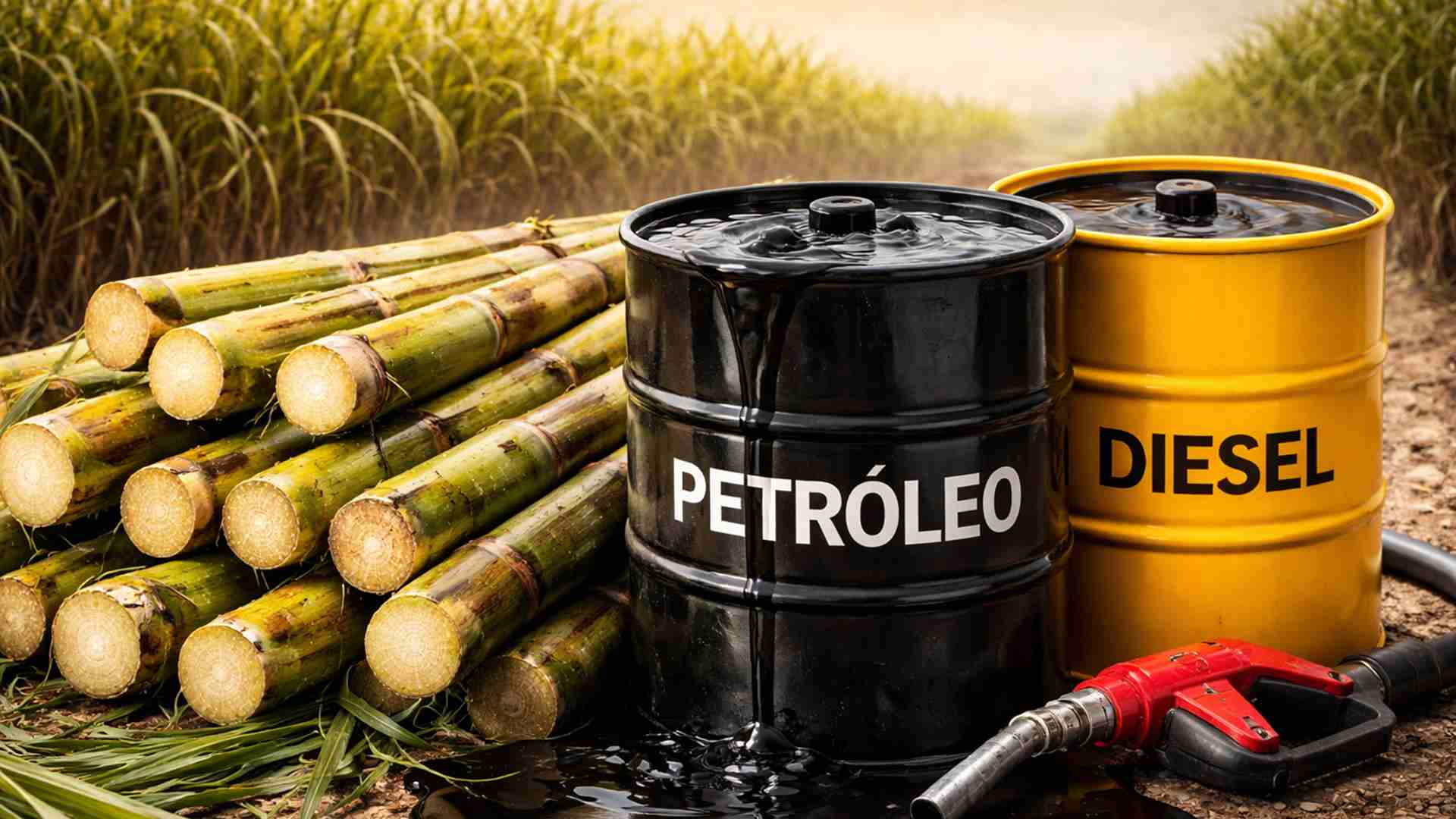
The rise in oil prices in the Middle East is already affecting Brazilian sugar: mills in the Central-South are seeing their margins shrink just as ethanol gains strength.
Every week, thousands of fertilized eggs are incubated in specialized units. After 21 days, the chicks are manually sexed and moved to controlled environments. In their early days, they are kept under artificial heating in barns with rice hull flooring and windproof coverings. The temperature is maintained between 32 °C and 35 °C to ensure development.

During this initial stage, the hens receive a diet rich in vitamins A and D3, crushed corn, and soybean meal. Still in protected spaces, they are monitored four times a day by experienced farmers, who check water supply, population density, and feed quality.
Pasture, Supplementation, and Sanitary Control Ensure Productivity
From the fourth week onwards, the hens are released to outdoor pastures, where they supplement their diet with grass, worms, and small insects. The area is fenced with 1.5-meter-high fences, which protect the birds from predators and prevent contact with wildlife, meeting biosecurity requirements.
Even in freedom, nutrition is controlled. In the morning and late afternoon, the birds receive a balanced diet of whole grains, corn, and rice bran, averaging 120 grams per day per bird. This balance between natural foraging and supplementation ensures firm meat, eggs with orange yolks, and higher nutritional value.
To avoid overcrowding in certain areas, Australian farmers move mobile chicken coops with tractors every 3 to 5 days. This rotation reduces the buildup of waste on the ground and minimizes the risk of diseases. Each hen has between 1 to 2 square meters of space to roam, promoting health and uniform growth.
Egg Harvesting and Slaughter Follow Strict Schedules
The laying hens begin to lay eggs around the fifth month. The nests, placed about 40 cm off the ground, are lined with dry straw and positioned in the corners of the coop. Egg collection occurs twice a day and can yield up to 8,000 units per day on a farm with 10,000 birds.
Each egg is visually inspected and undergoes a candle test to identify cracks or residues. Approved eggs are dated and sent to market. Sanitary control includes weekly testing for antibiotic residues and adjustments in the feed plan based on farm productivity.
Meat chickens reach optimal weight between the fourth and fifth months, averaging 2 to 2.5 kg. Before slaughter, the animals have their feeding suspended for 12 hours. They are then transported in breathable boxes to certified processing centers, where they are slaughtered in a standardized manner and packaged for distribution.
High Profit and Sustainability Make the Model a Highlight of Agriculture
The model adopted on chicken farms in Australia ensures not only quality but also high profitability. A batch of 20,000 chickens can generate over US$ 100,000 in net profit, while egg sales can yield around US$ 800,000 per year, depending on production volume and local market conditions.
In addition to financial returns, the free-range chicken method reduces feed costs by up to 50%, utilizes agricultural waste, and caters to a consumer increasingly aware of food origins. The practice also allows for the use of mobile chicken coops, made from metal structures and tarps, which increase protection against predators and the thermal comfort of the birds.









110 gramas por dia/ ave? Impossível, se tiver esse consumo criador teria quebrado
Show de ovos. AU sempre mostra qualidade alimentar e felicidade aves é visível.
O gosto não deve nada.
Incrível essa tecnologia inovadora da atualidade que meus avós e acredito q familiares de muito fazem a décadas nos seus sítios e fazendas!!!