





 Portuguese
  English
  Spanish
 6 min of reading
  1 comment


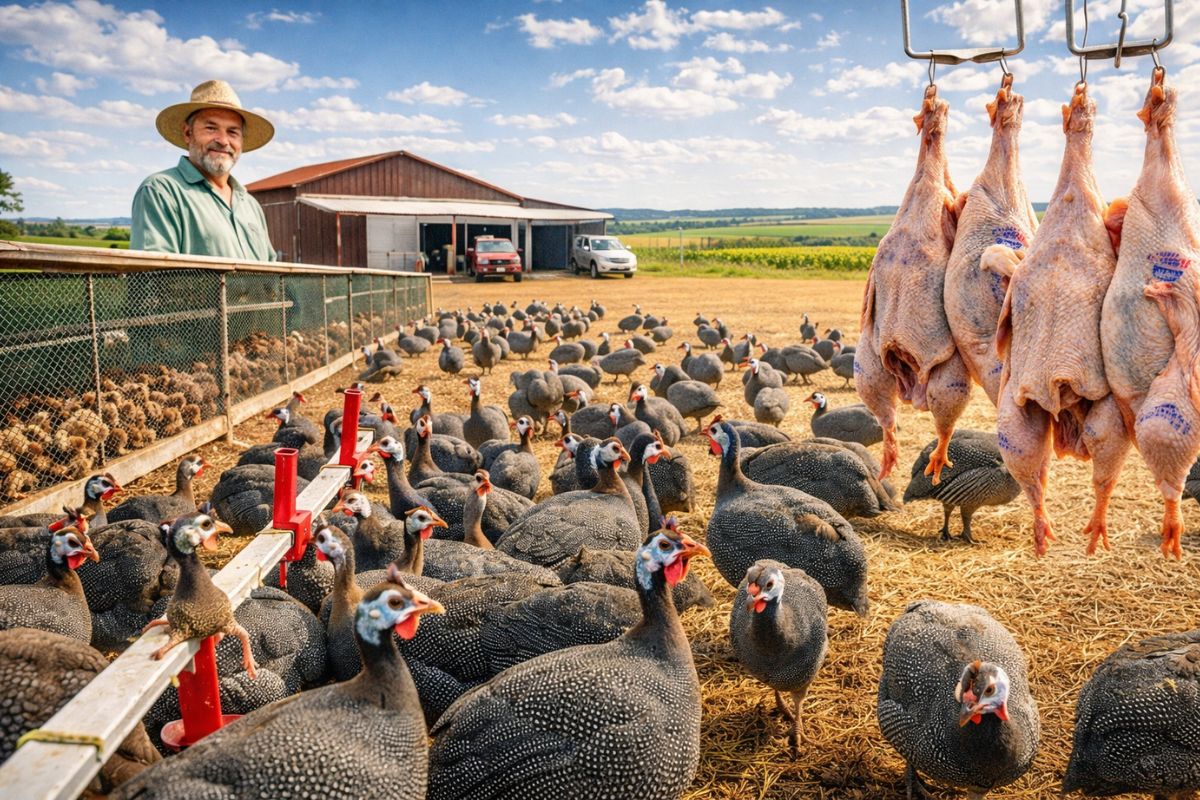


French Guinea Fowl Leave Ceará, Gain Weight at Mr. Antônio’s Farm in Cristalina, Head to Slaughter with Certification in Minas Gerais, and Return Ready to Gain Space on the Tables and Restaurants of Brasília
The Guinea fowl are moving from being just exotic backyard birds to becoming a concrete source of income in small and medium rural properties. In Cristalina, surrounding the Federal District, producer Antônio maintains a flock of about 100 birds and is structuring a project that starts in Ceará, goes through Goiás, heads to Minas Gerais, and returns as processed meat to be sold in Brasília, focusing on added value and sanitary regulation.
In addition to their exotic beauty and striking behavior, Guinea fowl help in the natural control of pests, provide a meat highly valued by chefs and consumers, and offer a more advantageous price at slaughter compared to common poultry. It is this combination of benefits that makes Mr. Antônio see the breeding as an alternative to cover the property expenses and open a new income pathway in the countryside.
Guinea Fowl Gain Ground in Small Properties
The breeding of Guinea fowl has been gaining space in small and medium properties across Brazil precisely because it combines functionality, market, and a strong visual identity. At Mr. Antônio’s farm in Cristalina, this movement is already underway.
-
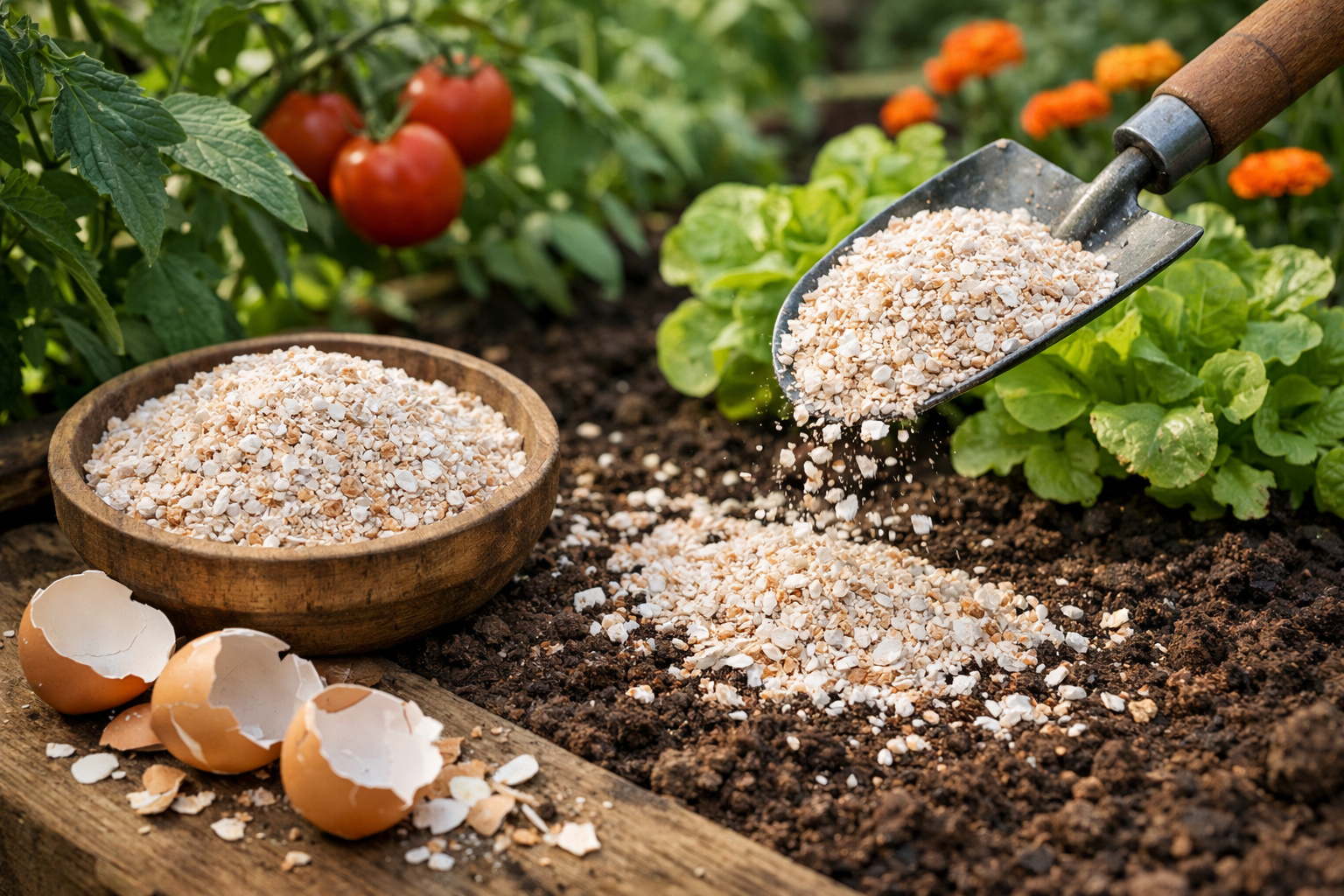
The eggshell that almost everyone throws away is made up of about 95% calcium carbonate and can help enrich the soil when crushed, slowly releasing nutrients and being reused in home gardens and vegetable patches.
-
This farm in the United States does not use sunlight, does not use soil, and produces 500 times more food per square meter than traditional agriculture: the secret lies in 42,000 LEDs, hydroponics, and a system that recycles even the heat from the lamps.

-
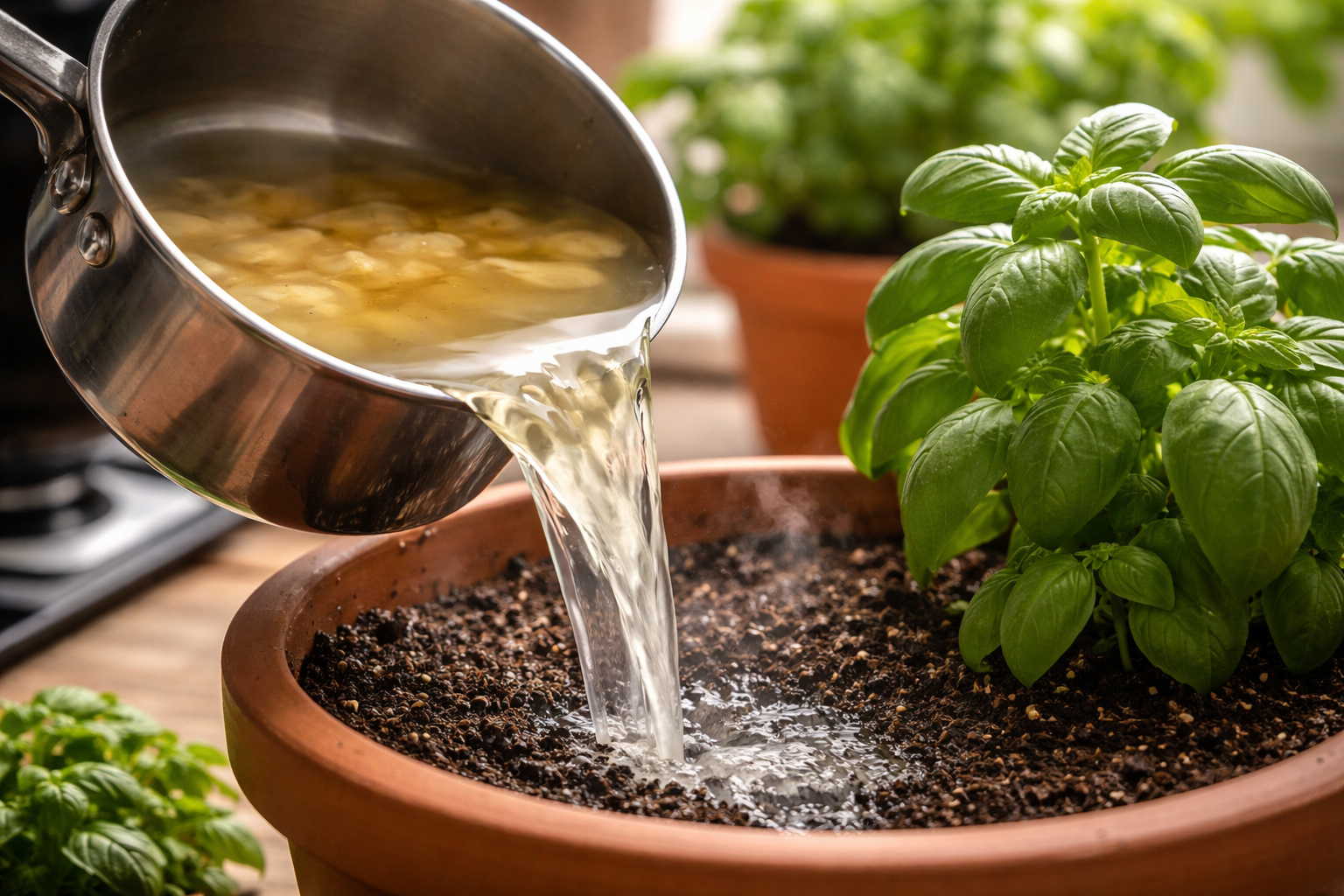
The water that almost everyone throws away after cooking potatoes carries nutrients released during the preparation and can be reused to help in the development of plants when used correctly at the base of gardens and pots, at no additional cost and without changing the routine.
-
The sea water temperature rose from 28 to 34 degrees in Santa Catarina and killed up to 90% of the oysters: producers who planted over 1 million seeds lost practically everything and say that if it happens again, production is doomed to end.

Today, he keeps about 100 Guinea fowl, including chicks and adult birds, and sees this activity as a way to transform a rural area into an organized business.
For the producer, the goal is clear: to ensure that the breeding of Guinea fowl generates sufficient income to sustain the farm, combining responsible management, animal welfare, and a differentiated final product.
“French” Chicks from Ceará: Where the Flock Comes From
The cycle of Guinea fowl from Mr. Antônio begins far from Cristalina. The chicks come from Ceará, where he found hatcheries specialized in producing better quality birds for commercial breeding.
These chicks are the result of adaptation work with French breeders, which is why they became known as French Guinea fowl.
According to the producer, these birds are more developed, calmer, and exhibit faster growth, reaching approximately 2 kg in about 120 days.
The chicks arrive by plane at the Federal District when they are just one day old and are taken to the property in Cristalina, where they begin the growth phase under controlled management. This care from the beginning sustains the performance of the flock throughout the entire cycle.
Slaughter in Minas Gerais Ensures Certification and Market

After the rearing phase in Cristalina, the Guinea fowl head to Minas Gerais, where they are slaughtered at an establishment that has CISB certification.
This certification is crucial for the business as it allows the product to be slaughtered within hygiene regulations and with permission to circulate in different regions of the country.
With the meat of Guinea fowl coming from a certified slaughterhouse, Mr. Antônio can target a more demanding market willing to pay more for a differentiated product.
The plan is to leverage proximity to the Federal District and focus sales in Brasília. The producer’s goal is to reach 500 Guinea fowl slaughtered per month, always with the expectation of selling everything produced, maintaining a constant flow between breeding, slaughter, and commercialization.
Management and Welfare of Guinea Fowl
On the farm, the management of the Guinea fowl is designed to maintain organization and animal welfare. The birds are divided into three barns according to their age and stage of development.
The younger ones, just over 20 days old, are kept in a specific barn, where the main concerns are protection, thermal comfort, and continuous access to water and food.
The barn areas are fenced to prevent the entry of invading animals and protect the birds from wild creatures roaming the region, such as wolves and coatis.
Inside the barns, the drinkers are automatic, with a nipple-type system that releases chlorinated water only when the bird drinks. The feed is placed in appropriate feeders to avoid waste and feed scattered on the floor.
Approximately 10 birds are housed per square meter, and a 50-square-meter barn can accommodate up to 500 birds, always paying attention to the density to not compromise welfare.
During the day, the Guinea fowl move around inside the barns, with continuous access to feed and treated water. At night, they sleep in a sheltered environment, without the need for light to be on all the time.
This simple yet well-planned management contributes to healthier development and reduces sanitary risks.
Green Feeding and Health of the Flock

Even with balanced feed available, Mr. Antônio insists on supplementing the diet of the Guinea fowl with green foods.
Since the birds are not completely free in nature, he brings greens to them, which improves the nutritional quality and brings the management closer to the natural behavior of the birds.
On a daily basis, the producer offers grass, sugarcane, and banana leaves. The banana leaves play a special role as they are used as a natural dewormer, helping control worms and contributing to the health of the flock.
This combination of formulated feed, quality water, and green foods creates a favorable environment for Guinea fowl to grow with good performance and reach ideal slaughter weight with good carcass quality.
Why Choose Guinea Fowl Instead of Common Chicken
A natural question is why invest in Guinea fowl instead of common or free-range chicken. For Mr. Antônio, the choice is directly linked to the added value that the meat can achieve in the market.
Since the goal is to slaughter and sell the birds with certification, Guinea fowl meat has a more differentiated positioning, with a higher potential final price.
Moreover, Guinea fowl meat is highly appreciated by chefs and consumers, which opens up spaces in market niches that value special products with a clear history and origin.
Additionally, the birds also help in the natural control of pests on the property, adding an environmental benefit to breeding.
In the producer’s view, if the activity can consistently cover the farm expenses, it will have fulfilled its role as a viable rural business.
Growth Plans and Bet on Brasília
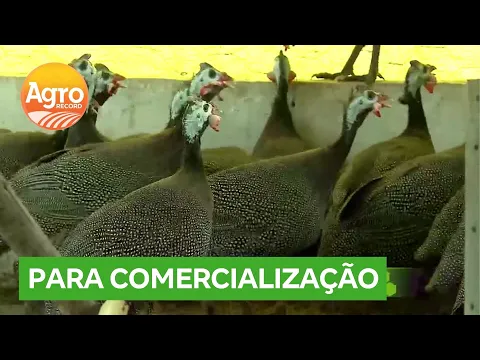

Although he currently has about 100 Guinea fowl among chicks and adults, Mr. Antônio is already thinking ahead.
With all certification and regulation processes completed, he is beginning to plan for production expansion.
The goal is to raise and sell up to 500 birds per month, all slaughtered under inspection and primarily targeted at the Brasília market.
The strategy is simple and straightforward. The producer aims to offer a differentiated product to the market, with traceable origin and certified slaughter, betting on the combination of quality, flavor, and food safety.
With every batch sold, he reinforces the idea that breeding Guinea fowl can indeed be a solid path to strengthen the income of a small rural property.
And you, do you see Guinea fowl as a good business opportunity in the countryside or would you be curious to try this different meat at your table?








Já comi e aprovo … excelente um sabor diferenciado…aqui no nordeste já temos costume de comer a galinha dangola… inclusive crio…muito bom mesmo!