





 Portuguese
  English
  Spanish
  5 min of reading
  3 comments


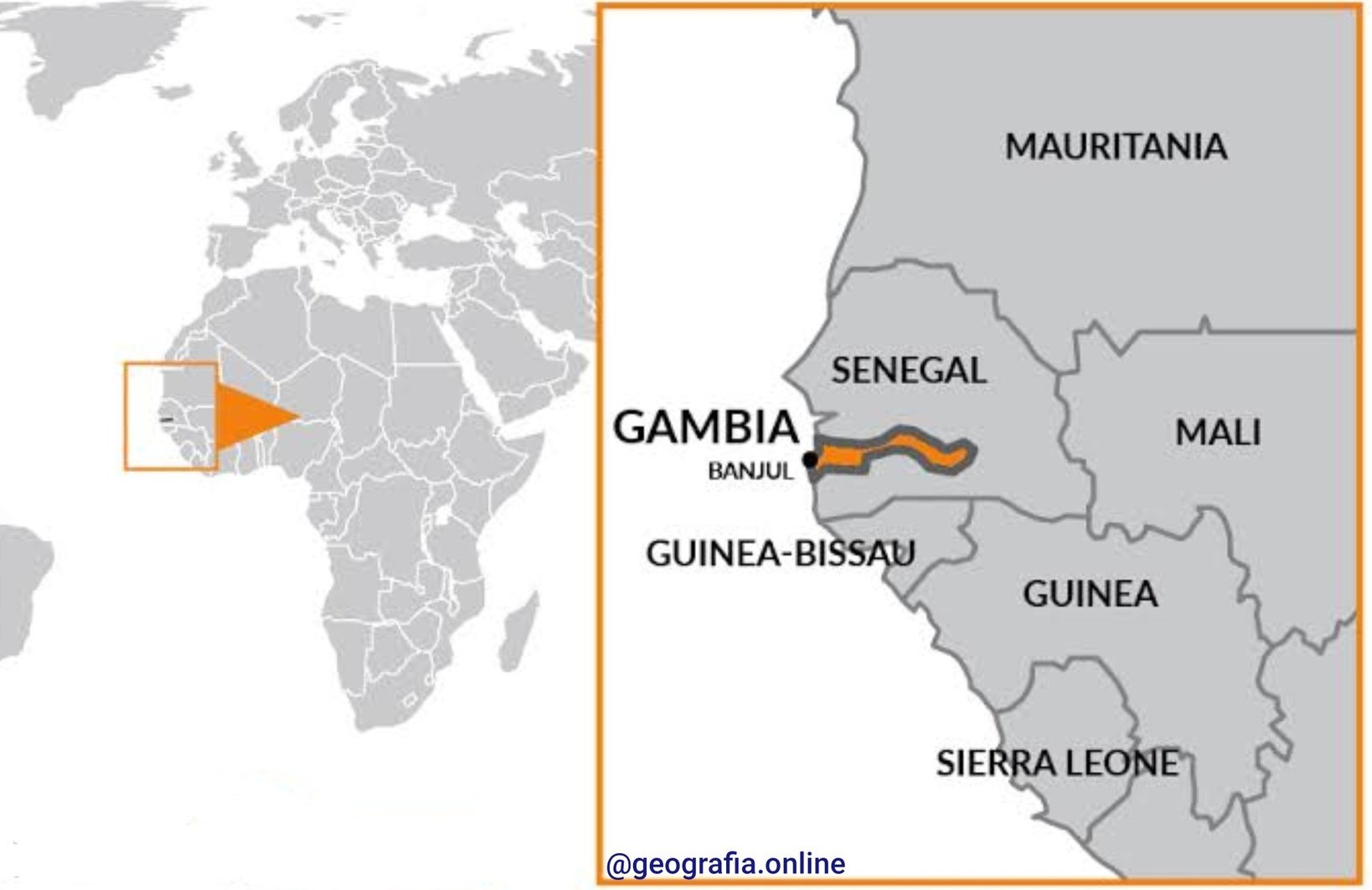

Discover Ten Fascinating Facts About The Gambia — The Smallest Country On The African Mainland, Yet With A Cultural, Historical, And Natural Wealth That Surprises.
With approximately 11,300 km², the territory stretches about 450 kilometers along the Gambia River.
The country has a narrow and elongated shape, almost entirely surrounded by Senegal. Its unique geography follows the course of the river that lends its name to the nation.
The Smallest Country On The African Mainland
Located in West Africa, The Gambia is completely surrounded by Senegal, except for its narrow coastal strip on the Atlantic.
-
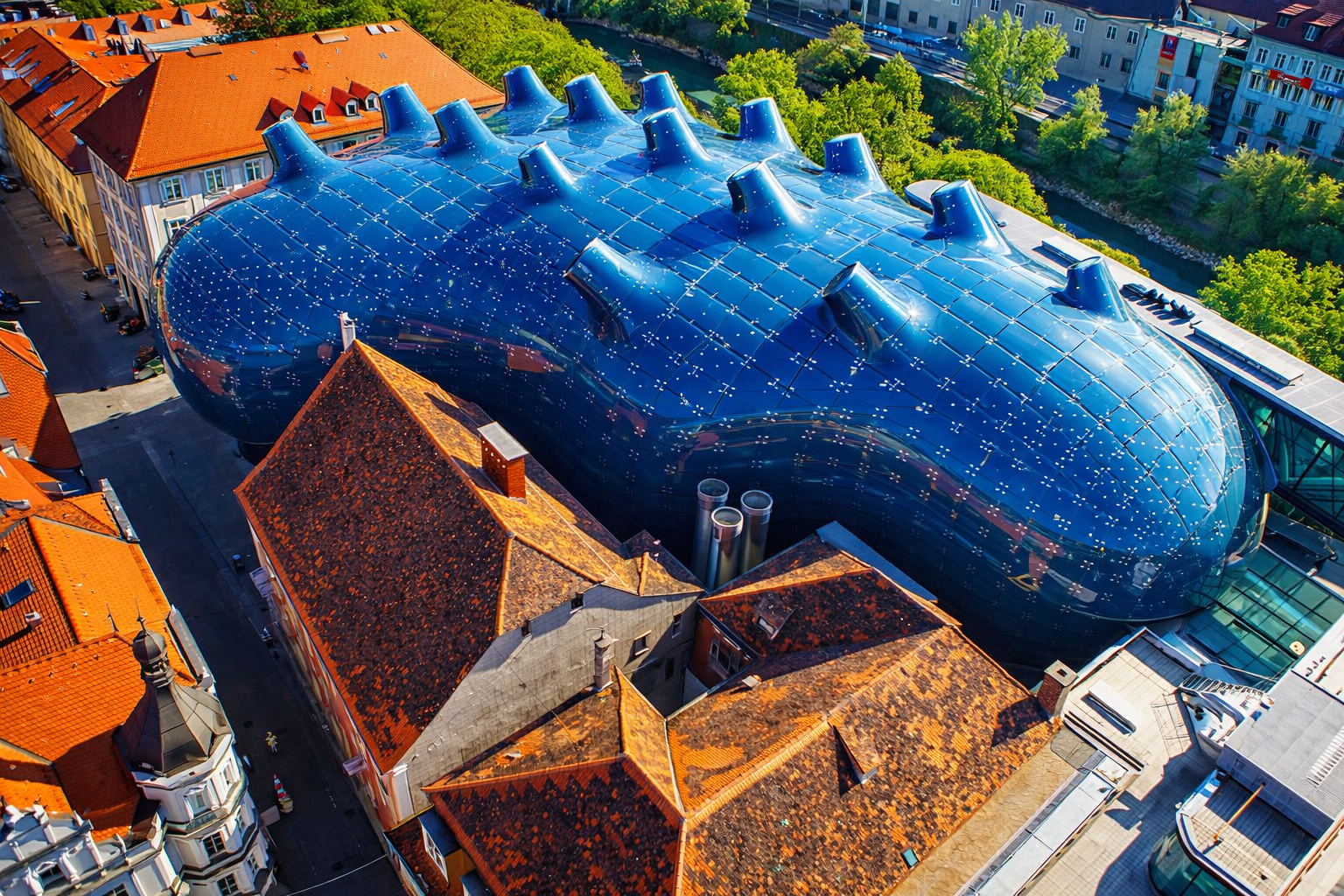
With 1,066 acrylic panels, the building known as the friendly alien is supported by a steel skeleton, has a façade that functions as a giant screen, and impresses the world without any internal columns.
-
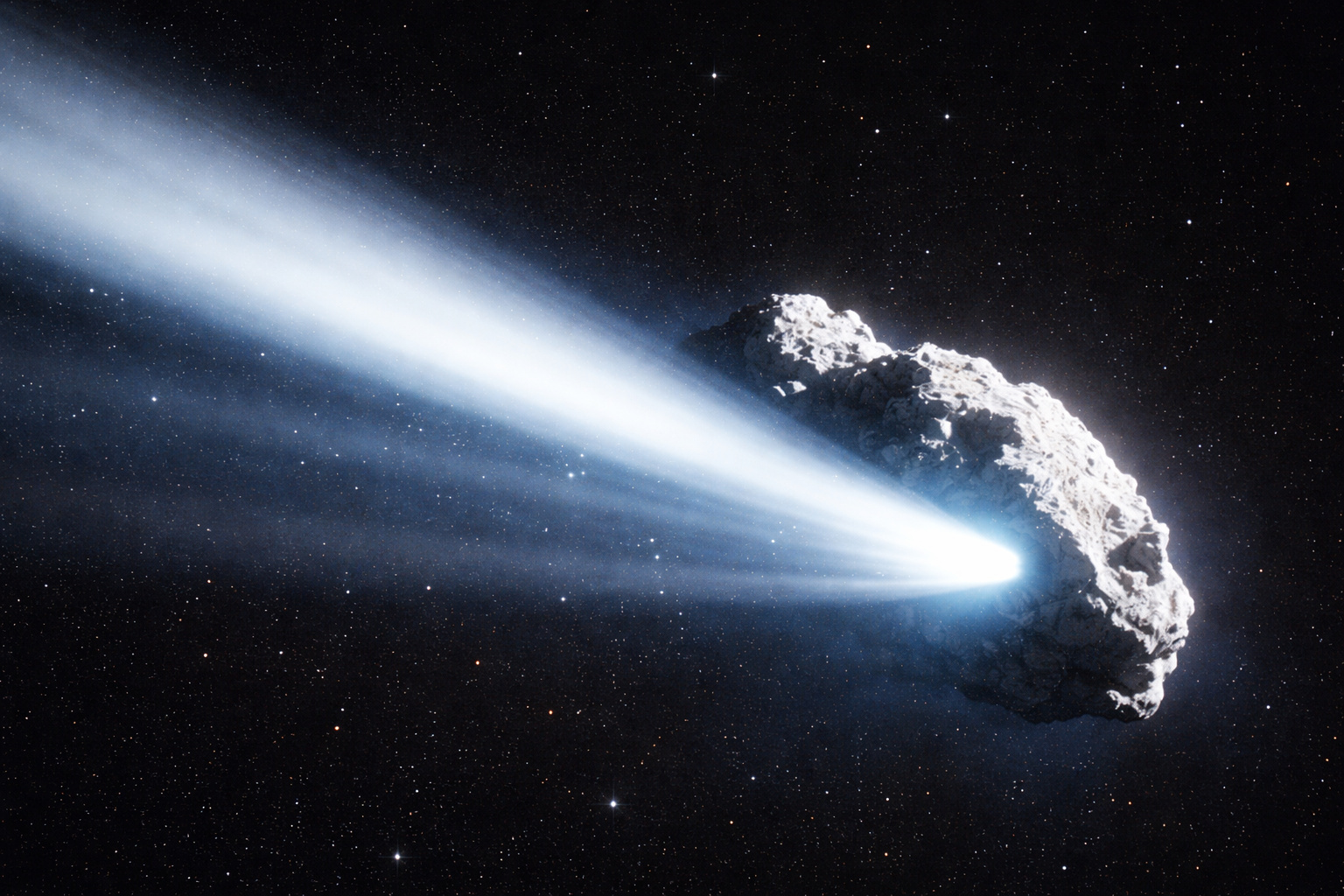
Scientists warn that a comet about 1 km in size that has started to release gases may actually change direction in space. It was spotted by NASA and surprises with potential impacts near Earth.
-
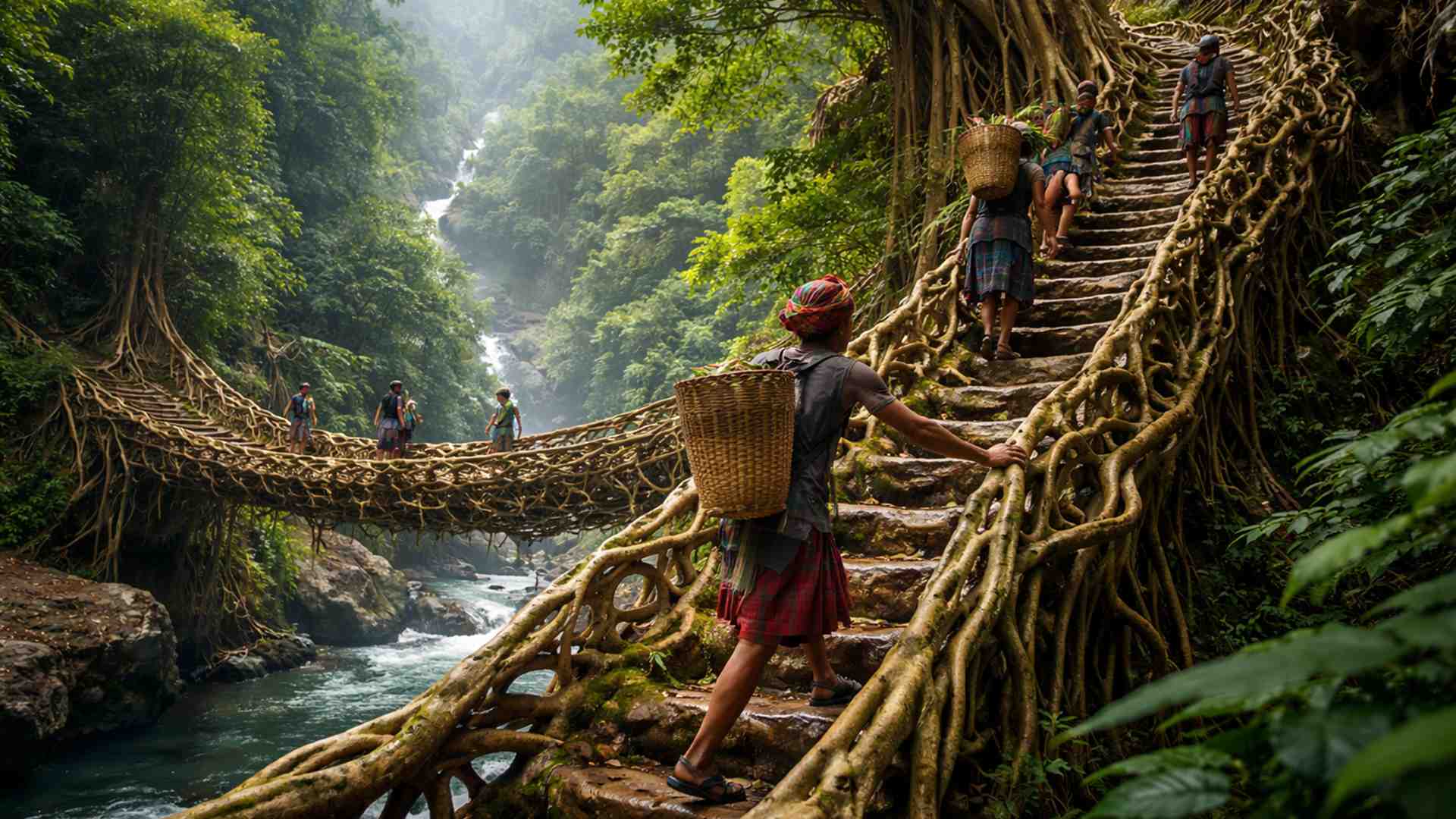
These living root bridges and ladders are over 700 years old and help indigenous people survive in one of the rainiest regions in the world.
-
From sertanejo star to international investor: Ana Castela invests millions in a mansion in the USA, creates a themed accommodation in Orlando, and shows that the “boiadeira” also wants to grow away from the stage.


The country follows the course of the Gambia River for about 450 kilometers, with a width that rarely exceeds 48 kilometers. This peculiar geography has shaped much of its culture, economy, and history.
The river, which names the country, has always played a central role. During the colonial era, it was a strategic route for trade.
Today, it still supports local agriculture and serves as a link between communities. Despite its small territory, The Gambia has developed a strong national identity and a sense of unity among its inhabitants.
English Amidst French
While neighboring Senegal adopts French as its official language, The Gambia stands out as an English-speaking enclave in the region.
This trait stems from its past as a British colony. Independence came in 1965, but British influence remains in the educational, legal, and political systems.
This use of English facilitates tourism for visitors who speak the language and positions The Gambia as a link between English-speaking and French-speaking countries in West Africa. This characteristic also reinforces a distinct national identity, even in a neighborhood marked by different colonial heritages.
Ancient Stone Circles
In the center of the country, you can find the mysterious Wassu Stone Circles. These megaliths, recognized as World Heritage by UNESCO, date back over 1,200 years.
Made of laterite, a rock that hardens upon exposure to air, the circles raise questions about how the material was transported to the site.
They are believed to have functioned as cemeteries or ritual sites. Their exact origin and purpose are still subjects of research, but they reveal the complexity of the societies that inhabited the region long before European colonization.
A Republic Since 1970
Following independence from the United Kingdom, The Gambia officially became a republic in 1970. Dawda Jawara was the first president and remained in power for over three decades until he was ousted in a peaceful military coup in 1994.
Yahya Jammeh took over and ruled for 22 years. In 2016, Adama Barrow was democratically elected, marking the return to civilian rule. The transition faced initial resistance from Jammeh, but it was completed with international support. This episode highlighted the Gambians’ commitment to democracy.
A Birdwatcher’s Paradise
With over 540 recorded species, The Gambia is one of the best African destinations for birdwatching. Its strategic location on migratory routes encourages the presence of both European and African birds throughout the year.
Reserves such as Abuko, Tanji, and Kiang West offer varied environments, such as forests, mangroves, and savannas. The diversity is surprising given the size of the territory and attracts biologists and tourists seeking rare and colorful species.
Dalasi: A Currency With History
The national currency, the dalasi, was introduced in 1971 and named after the Gambia River. The previous monetary system was based on the pound. The dalasi is divided into 100 bututs, reflecting an adaptation to the decimal standard.
The banknotes and coins feature images of leaders, animals, and natural elements, reinforcing the cultural and educational identity of the currency. The connection to the river underscores the importance of the waterway in the country’s economic life.
Benachin: A Dish to Share
Benachin, which means “one pot” in Wolof, is the Gambian national dish. Also known as Jollof rice, it mixes rice, meat or fish, and various vegetables in one pot, with strong and characteristic spices.
Despite disputes among West African countries over the dish’s origin, Gambians take pride in their version. Benachin is a symbol of hospitality and communal culture, being a staple at family gatherings and festivities.
Kunta Kinteh Island: Memory And Resistance
In the Gambia River lies Kunta Kinteh Island, formerly known as James Island. The site was significant between the 17th and 19th centuries in the transatlantic slave trade. The ruins of forts and cannons remain as a reminder of suffering and the struggle for freedom.
The island was renamed in honor of the character from the book “Roots” by Alex Haley, which inspired a television series about the history of slavery. The site attracts visitors interested in reconnecting with their roots and learning about this difficult but essential part of history.
Roots Festival: Culture in Focus
Every two years, The Gambia hosts the International Roots Festival. The event celebrates local culture and invites descendants of the African diaspora to reconnect with their origins. In addition to artistic presentations, there are lectures, exhibitions, and visits to historical sites.
The festival also boosts tourism and strengthens the cultural self-esteem of the country. It is an opportunity to reaffirm African heritage and promote understanding between communities worldwide.
Growing Ecotourism
With preserved landscapes, diverse wildlife, and community projects, The Gambia invests in ecotourism as a sustainable source of income. This practice encourages environmental conservation and local development.
Protected areas such as the Bao Bolong Wetland Reserve demonstrate the country’s effort to balance tourism and preservation. The growth of this sector reinforces The Gambia’s image as a responsible destination committed to the future.
Small on the map, The Gambia reveals a greatness that does not depend on territory. From its ancient monuments to its vibrant cultural life, the country presents itself as a rare gem of West Africa, ready to be known, respected, and valued.






Muito obrigado pelo esclarecimento
Gambia significa rio de norte do imperio de Gabu. Cambi no dialeto mandinga significa norte e cacande significa sul. A populaçao maioritaria è mandinga e djolas. Os nomes das grandes cidades: Bandjul- corda de tarra ,Bricama etc. Sao todas da origem mandinga. Por isso falar da Gambia sem mencionar a composiçao da sua populaçao è fugir da realidade.
Talvez seja melhor, expressar como, “desconhecimento da realidade histórica” ao invés de “fugir”…