





 Portuguese
  English
  Spanish
  3 min of reading


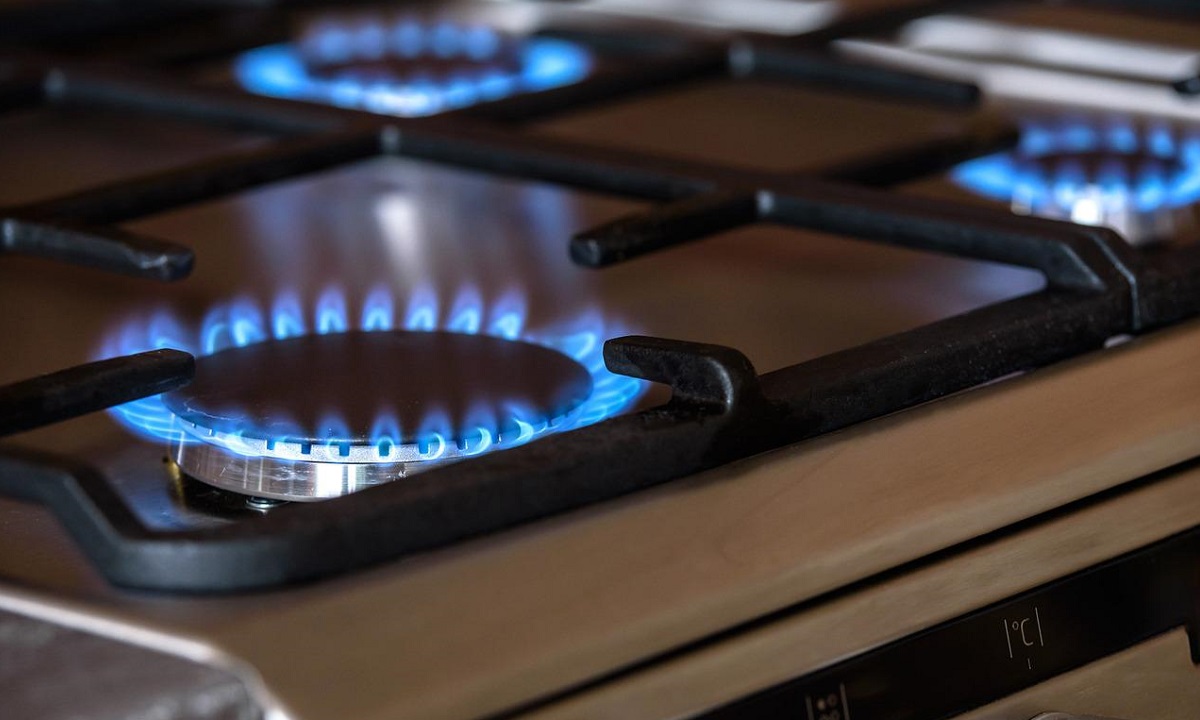
The Price of Cooking Gas, Both Piped and Cylinder, Shot Up More Than 20% in 12 Months and Became More Expensive Than the Energy Tariff in Brazilian Budgets
The cooking gas has replaced electric energy tariffs and has become the villain in the household budget of Brazilians. In the last 12 months, piped gas has accumulated an increase of 26.29%, while cylinder gas has seen an increase of 21.36%. The prices of both have risen more than double the inflation rate during this period (10.07%).
For energy and gas consumers, the solution has been to choose strategies to reduce costs, from timed showers, or even cold ones, to food cooked in the air fryer. The distribution of gas cylinders has already fallen by 4% in the period between January and July, according to data from Sindigás (National Union of Liquefied Petroleum Gas Distributors).
In the home of professor Sibele Goulart in Curitiba, for example, the air fryer and microwave have replaced the oven and stove for most meals prepared in the house. To save on energy, the alternative has been to adopt cooler showers and scheduled times to save.
-
More than 40 Petrobras platforms enter the decommissioning queue and open up a billion-dollar industry in Brazil for cranes, special ships, underwater cutting, and offshore recycling.

-
ANP schedules oil auctions in October and reinforces regulatory predictability for concessions, sharing, and investments in the oil and gas sector

-
There is oil below the oil that Brazil already extracts: Petrobras confirmed a new accumulation in the Búzios field, at a depth of 5,600 meters, in a zone below the reservoir already operating in the Santos Basin.

-
404 km off the coast of Rio de Janeiro, an oil company drilled 5,855 meters into the ocean and discovered the largest oil and gas reserve found in a quarter of a century.



Sibele stated, “Sometimes, I feel that if I had an induction stove, it would cost less than using a gas stove, which resulted in a bill of R$ 240 this month. At the end of last year, the price of gas varied between R$ 60 and R$ 80,” says the professor. The energy tariff, on the other hand, has been between R$ 80 and R$ 100.
In 2021, Due to the Drought, Energy Tariffs Increased Exponentially
Last year, facing the worst drought in 90 years, energy tariffs gradually increased with the emergency activation of the entire thermoelectric park in Brazil.
In 2022, with the increase in rainfall and the approval in Congress of a limit of 17% (or 18%, depending on the state) on the ICMS of fuels and electricity, there was a reduction in energy bills. Over a 12-month period, there was a decrease of 10.77% in residential electricity tariffs.
The savings of the restaurant Tasca Miúda, located in the South Zone of Rio, have closely felt this variation in energy tariffs. In 2021, for example, to save on energy tariffs, appliances were replaced with gas models.
Partner André Korenblum comments that he made a large investment aimed at long-term savings, which has not happened with the successive increases in piped gas, which have had a quarterly adjustment and this year increased by 12.81%, approximately three times the inflation rate during the period.
Reduction of Taxes on Gas and Fuels Helped to Lower Prices
In July, Petrobras established two price reductions for diesel and three for gasoline. The limit on ICMS also helped ease the pressure. However, in the case of gas, Sérgio Bandeira de Mello, president of Sindigás, states that the tax reduction did not have such a great impact.
Owner of two gas reseller companies in the North Zone of Rio de Janeiro for 14 years, Celso Miguez, 54, confirmed a 30% drop in gas sales this year. According to him, consumers are asking to pay by credit card or to split the cost of the gas cylinder.
Since the beginning of August, a portion of families receiving Auxílio Brasil, valued at R$ 600 this month until the end of the year, have begun receiving the gas voucher in its full amount. In total, 5.6 million households in Brazil will receive the voucher valued at R$ 110 every two months for the purchase of a 13kg gas cylinder.





Be the first to react!