





 Portuguese
  English
  Spanish
  2 min of reading
  0 comments


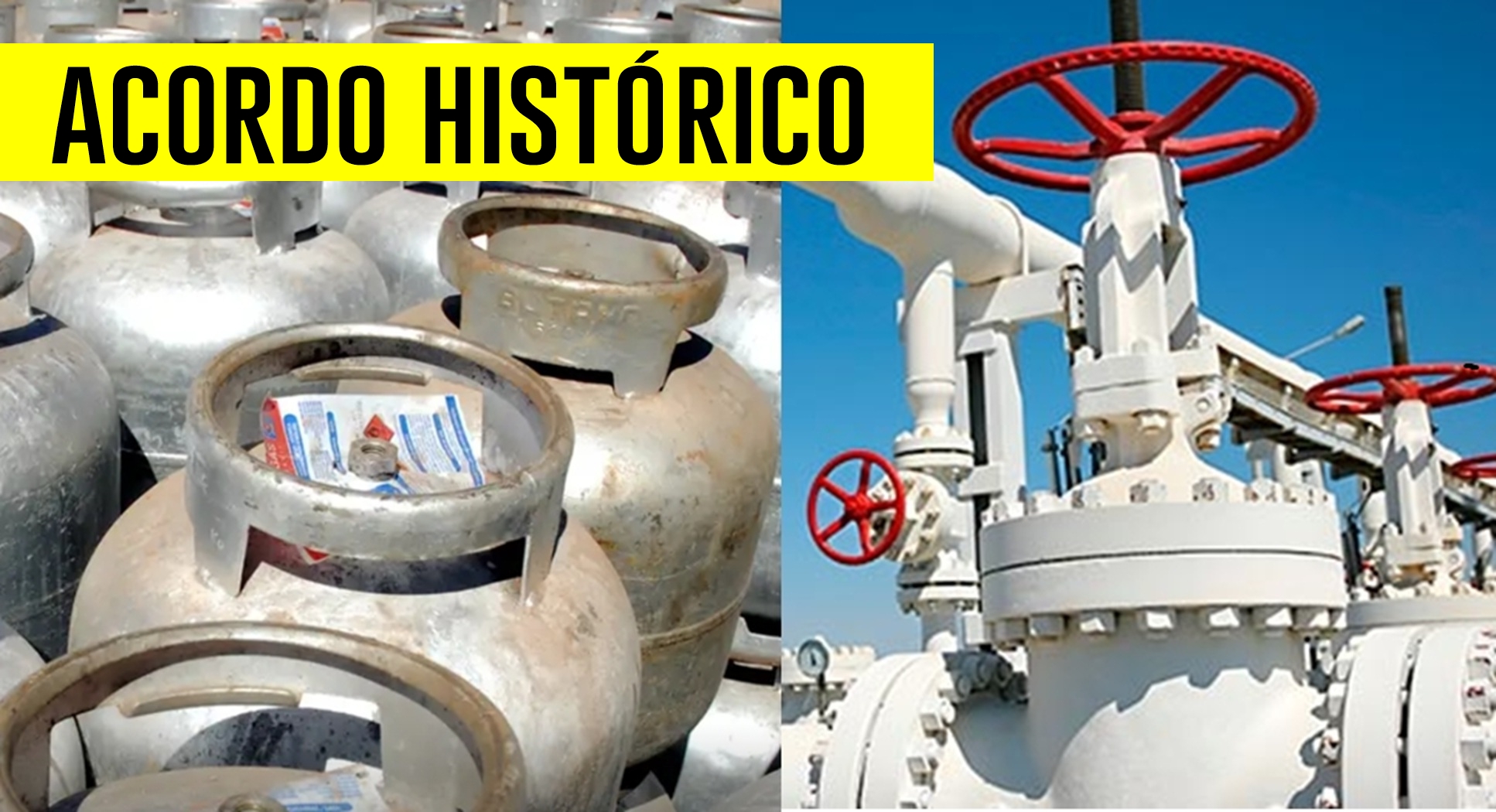
Argentina Prepares To Export Up To 30 Million Cubic Meters Of Natural Gas Daily To Brazil, Strengthening The Energy Partnership Between The Countries.
The energy integration in South America has taken an important step with the signing of a contract that will allow the export of natural gas from Argentina to Brazil, using Bolivia’s transportation infrastructure.
The Bolivian state company Yacimientos Petrolíferos Fiscales Bolivianos (YPFB) announced the agreement on November 26, 2024, highlighting the importance of the project for the regional gas market.
The contract, signed during the “International Hydrocarbons, Fertilizers, Renewable and Alternative Energies Forum” in Santa Cruz, involves the French company TotalEnergies and the Matrix Energia Group from Brazil.
-
Brazilian city bets on the business environment to generate jobs and attract investments in the energy sector — secretary reveals strategy at Macaé Energy 2026.

-
50 viaducts, 4 tunnels, 28 bridges, and 40 kilometers of bike paths: BR-262 in Espírito Santo will receive 8.6 billion reais for the largest engineering project in the state’s history, inspired by the Immigrant Highway in São Paulo.

-
Brazil produces too much clean energy and doesn’t know what to do with it: over 20% of solar and wind capacity was wasted in 2025 while investors flee and 509 renewable generation projects were abandoned in the last year.

-
Piauí will produce a new fuel that replaces diesel without needing to change anything in the truck’s engine and reduces pollutant gas emissions by half: truck drivers from all over the Northeast are already celebrating the news that will arrive later this decade.


These companies confirmed the signing to Reuters, although specific details such as the volumes of gas to be transported have not been disclosed.

Purpose Of The Partnership
The initiative aims to facilitate the transport of natural gas from the Vaca Muerta formation in the Argentine province of Neuquén to Brazil.
To achieve this, the Bolivian pipeline network, which connects the three countries, will be used. This infrastructure is considered crucial for South American energy integration, benefiting the regional gas market.
The Minister of Mines and Energy of Brazil, Alexandre Silveira, emphasized that the country intends to import up to 30 million cubic meters of gas per day from Argentina by 2030.
Initially, the expectation is to import 3 million cubic meters daily, increasing to 10 million in the next three years. These figures were established in a memorandum of understanding signed between the two countries.
To enable the export, TotalEnergies obtained two licenses to export natural gas from the Austral and Neuquén basins to Brazil.
The Matrix Energia Group, in turn, received authorization to import and market the product in Brazilian territory. The international transport will be carried out by YPFB to the border with Brazil, using the existing infrastructure.
The completion of the North Pipeline works in Argentina will be essential for Vaca Muerta gas to reach the northern regions of the country and neighboring countries such as Chile, Bolivia, and Brazil. The reversal of the flow of existing pipelines is also a strategy under discussion to facilitate the transport of the resource.
This agreement represents a milestone in regional energy cooperation, strengthening ties between Argentina, Bolivia, and Brazil. Additionally, it seeks to meet the growing demand for natural gas in the Brazilian market, contributing to the diversification of energy sources and reducing costs for consumers.










Seja o primeiro a reagir!