





 Portuguese
  English
  Spanish
  3 min of reading
  0 comments


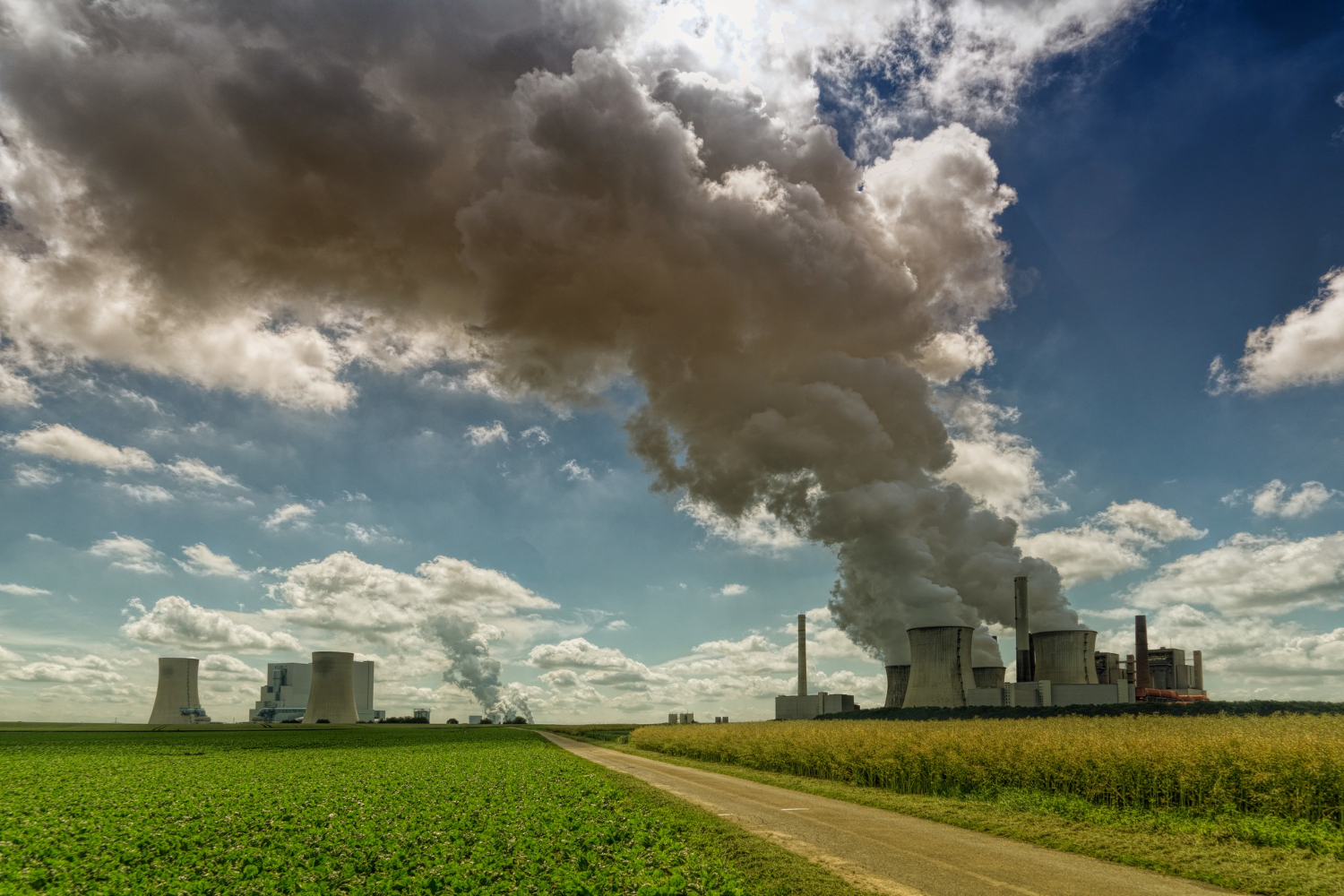
The Discussion at COP30 Presented Actions That Connect Methane Gas to Sustainable Management, Highlighting Technologies, Policies, and International Cooperation to Reduce Emissions and Support Global Strategies
The methane gas emerged as the starting point for discussions held on November 13 during the panel “Livestock Waste as a Climate Solution: Policies, Technologies, and Cooperation in Methane Reduction,” at the COP30, according to a report published.
The meeting brought together experts from different countries alongside Brazilian institutions such as the Ministry of Agriculture and Livestock, Embrapa Swine and Poultry, and Institute 17, creating a space dedicated to technical dialogue on mitigation.
Brazil presented results supported by more than fifteen years of actions from the ABC+ Plan, which already guide rural properties in various regions and demonstrate how well-structured strategies assist other countries in the Global South.
-
A major turn in the Justice system suspends tax increases and directly impacts oil and gas companies in Brazil by affecting costs, contracts, and financial planning, leaving uncertain what could happen to the sector if these costs had increased.

-
Brava Energia begins drilling in Papa-Terra and Atlanta and could change the game by reducing costs in oil while increasing production and strengthening competitiveness in the offshore market.

-
Petrobras surprises the world again by announcing a new discovery in the pre-salt with excellent quality oil.

-
Offshore industrial demand in Macaé skyrockets with the recovery of oil and gas and could grow by up to 396% by 2026 in the Campos Basin.

The conversation reinforced that applicable experiences, consistent policies, and knowledge exchange are essential to broaden the adoption of solutions in diverse productive contexts.
A new technical guide was also highlighted, gathering practices and technologies related to the management of animal waste, providing an accessible tool to guide public managers and producers.
The material garnered international interest by systematizing recommendations and consolidating a wealth of knowledge that can now support research, projects, and programs.
From this set of initiatives, the debaters presented reasons that place methane reduction among the most relevant topics for productive and urban sectors.
Methane Gas Reduction Is Fundamental in Various Sectors
The importance of reducing methane gas emissions was highlighted during the panel for involving areas such as agriculture, energy, transportation, waste, and industry.
Participants explained that this compound has a climate impact significantly greater than that of carbon dioxide in the short term, which is why mitigation actions help reduce environmental pressures and improve productive performance.
Furthermore, appropriate management practices prevent economic losses and enhance energy utilization, especially when biodigestion systems are combined with stable policies.
This integration transforms environmental liabilities into useful sources of thermal and electrical energy, allowing governments to structure programs that reduce emissions without compromising the supply of international markets.
Paths for Global Methane Reduction in Livestock
During the panel, experts presented practices aimed at methane gas reduction, reinforcing the role of the guide “Animal Waste Management for Methane Mitigation,” developed by Mapa, Embrapa Swine and Poultry, Institute 17, and Climate and Clean Air Coalition (CCAC).
The material gathers recommendations adaptable to various production systems and provides support for state policies and national strategies that aim to reorganize waste use.
According to federal agricultural tax auditor Sidney Medeiros, the document addresses the need to organize technical knowledge accumulated over more than fifteen years of actions from the ABC+ Plan, supporting decisions and inspiring applicable practices in tropical climate countries.
Methane Gas and Agricultural Biodigestion Technologies
The discussion presented initiatives that combine research and innovation to expand the use of biodigesters, improve energy utilization, and modernize waste management.
Participants described experiences linked to electricity generation, capture systems, and models that guide properties of different sizes.
These actions converge with the guidelines of the guide launched at the meeting, detailing technological alternatives capable of supporting public policies and strengthening sustainable practices.
Sustainable Animal Waste Management Solutions
The debate, moderated by Alessandro Sanches, included contributions from Anita Nana Okuribido, Gustavo Mozzer, Airton Kunz, and Semida Silveira.
They presented solutions that reduce methane gas emissions and promote energy security through structured management systems.
The initiatives demonstrated how integrated projects can meet international requirements, improve productive performance, and support countries seeking to adopt mitigation strategies aligned with tropical realities.
The exchange of experiences reinforced that cooperation networks increase the capacity to implement applicable solutions and strengthen programs aimed at reducing the impacts of methane gas.








Seja o primeiro a reagir!