





 Portuguese
  English
  Spanish
  5 min of reading
  0 comments



NGV: Know The Pros And Cons Of Natural Gas Vehicle And Find Out If It Is The Best Option For Your Vehicle
Have you ever thought about saving on fuel while contributing to the environment? If this idea appeals to you, the Natural Gas Vehicle (NGV) may be exactly what you are looking for! In times when clean energy alternatives are increasingly sought after, NGV emerges as an interesting option for those who want to save money and, in addition, emit fewer pollutants.
But is the Natural Gas Vehicle the right choice for you? Let’s dive into the advantages and disadvantages of NGV, understand how it works, how to install it, and where to refuel. This way, you can make an informed decision and find out if this option is ideal for your car and your wallet. Let’s discover together?

What Is NGV And How Does It Work?
The Natural Gas Vehicle, or simply NGV, is an alternative fuel composed mainly of methane. It has increasingly gained followers for being less polluting than traditional fuels, such as gasoline and diesel. When stored in a liquid form in the tank, NGV is stored in high-pressure cylinders in the trunk of the car. When the vehicle is started, the gas flows to the engine, is mixed with air, and burned to generate energy. This combustion releases fewer pollutants than gasoline or diesel, making NGV a more “environmentally friendly” option.
-
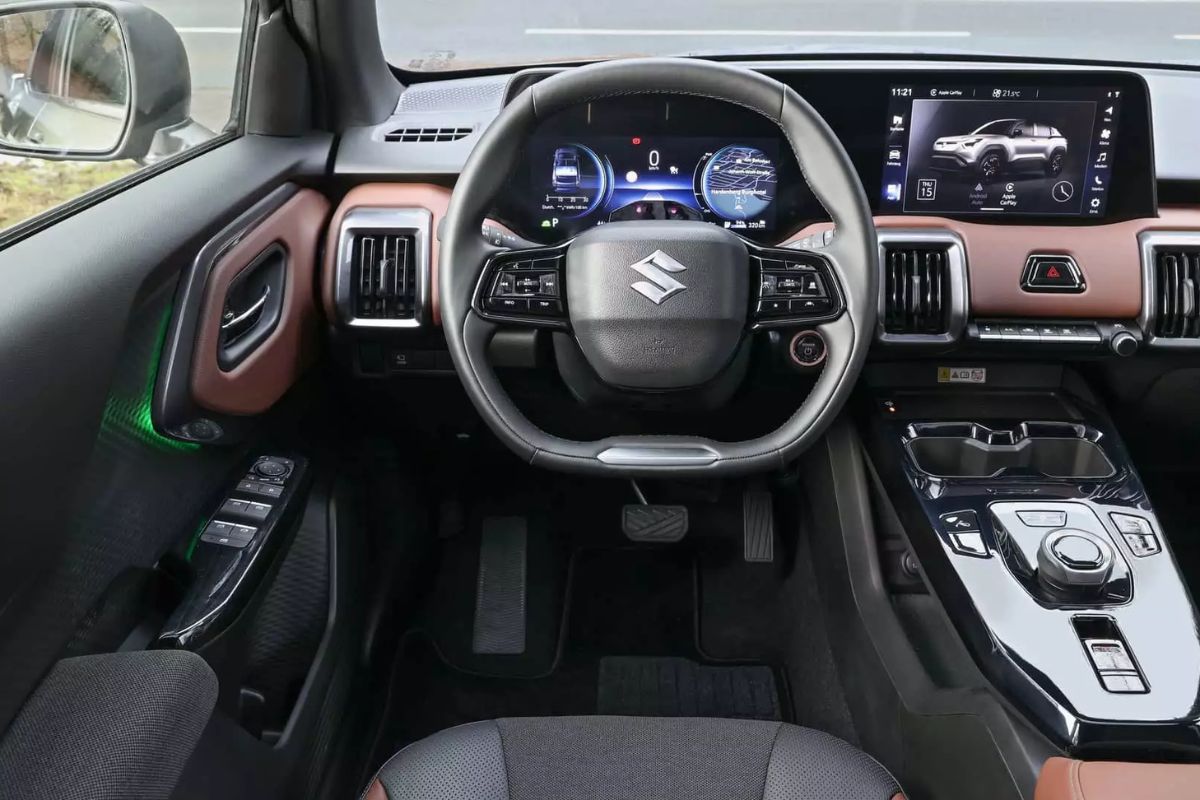
The 2026 electric Vitara arrives in Brazil and proves that Suzuki is not leaving: 4×4 traction, 184 hp, 61 kWh LFP battery, 293 km range, R$ 259,000, and a trunk capacity of 224 L.
-
Hyundai has unveiled the Boulder, a square SUV with a body-on-frame design, 37-inch mud tires, and carriage-style doors that seems to be made to take on the Ford Bronco and the Scout Traveller in the United States.

-
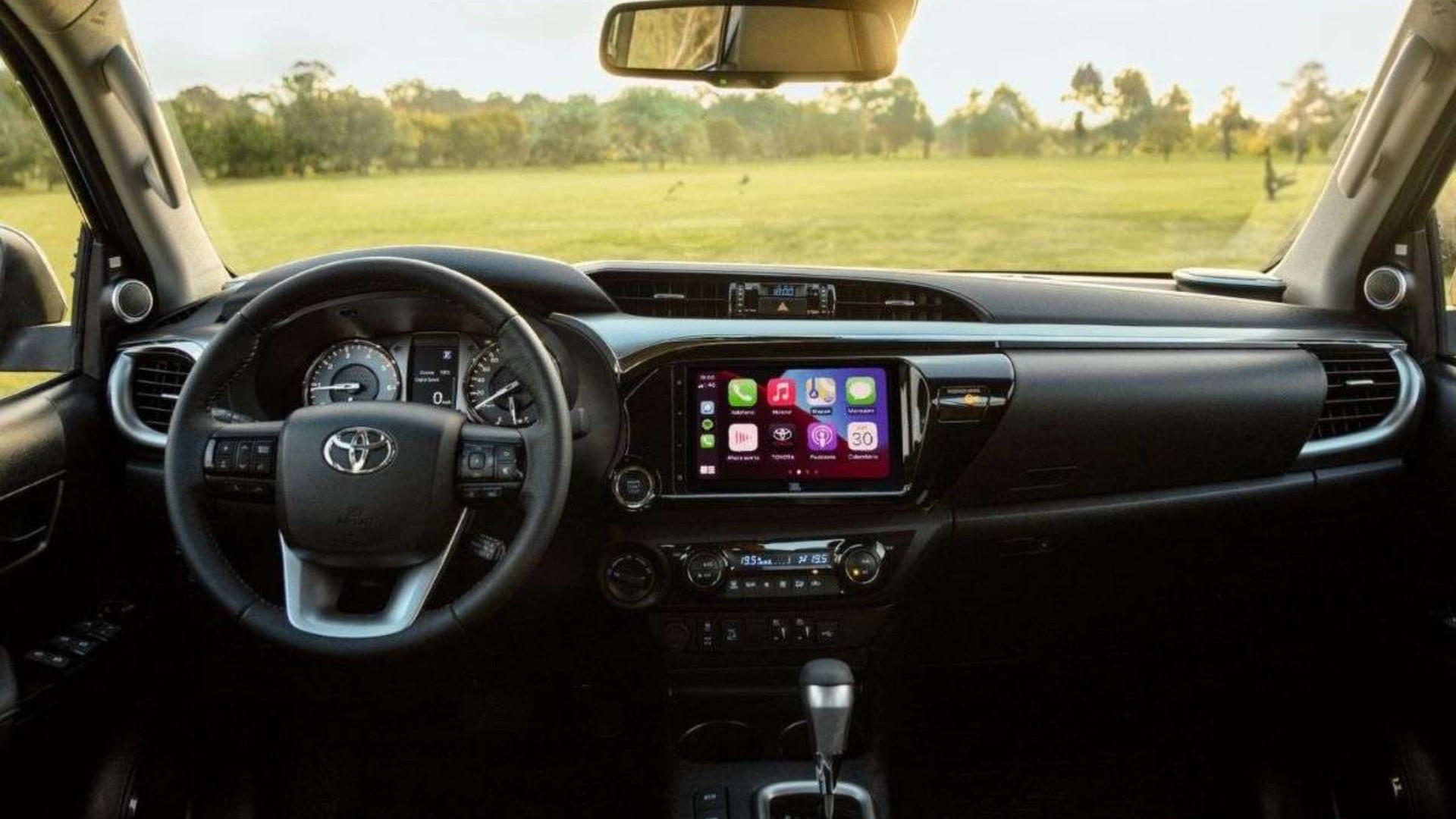
The Toyota Hilux is R$ 75.5 thousand cheaper and bets on the 2.8 turbodiesel engine with up to 204 hp and 50.9 kgfm to catch up with the VW Saveiro, which leads with 4,472 sales.
-
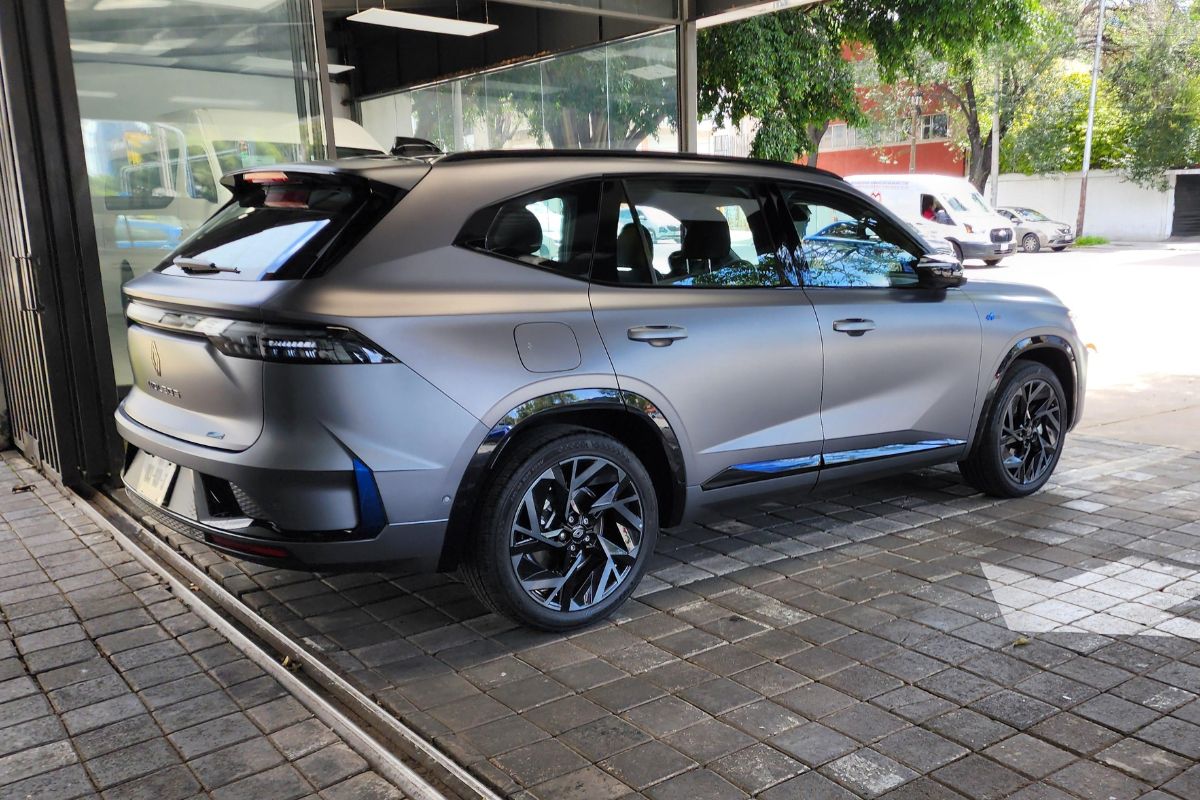
The new Renault Koleos has a screen exclusively for the passenger that is invisible to the driver, heated rear seats, and 29 assistance systems, but its Chinese competitors cost R$ 40,000 less and deliver more power.
NGV: Advantages And Disadvantages
Advantages
- Economy: NGV can be much more economical than gasoline and diesel, allowing the driver to cover a longer distance with less fuel.
- Environmental Impact: Emits fewer polluting substances, such as carbon dioxide, sulfur, and fine particles, contributing to cleaner and healthier air.
- Low Maintenance Costs: Burns more cleanly, does not accumulate residues in the engine, which can reduce maintenance costs and prolong the vehicle’s lifespan.
Disadvantages
- Installation Costs: Installing the NGV kit is not cheap and must be done by qualified professionals.
- Space Occupied: The NGV cylinder takes up significant space in the trunk, which can be inconvenient for those needing a lot of luggage space.
- Range and Availability: Compared to gasoline, NGV has a shorter range, and not all gas stations offer this service. Therefore, it is important to check if there are stations with NGV in your area before opting for this fuel.
The Impact Of Natural Gas On The Environment
The use of NGV has a lower environmental impact than using fuels like gasoline and diesel. The combustion of NGV generates less carbon dioxide and other polluting substances, such as sulfur, and reduces the presence of fine particles in the air, improving atmospheric quality.
However, it is important to remember that natural gas, like oil, is a fossil fuel, non-renewable. Its extraction, transportation, and processing result in the release of methane, a gas that contributes to the greenhouse effect.
Thus, the industry needs to invest in technologies that minimize the environmental impact. With this, NGV becomes a less harmful alternative, but still far from being completely “green.”
Comparison Between NGV And Other Fuels
| Fuel | Advantages | Disadvantages |
|---|---|---|
| NGV | – Cost savings per mile – Lower environmental impact – Reduced engine residue accumulation |
– High installation costs – Lower range and trunk space – Lower station availability |
| Gasoline | – Greater range – Widely available |
– High price – High raw material emissions |
| Ethanol | – Renewable source and lower CO₂ emissions – Higher power |
– Lower range – Can be corrosive and has variable pricing |
How To Install NGV?
The installation of the NGV kit requires a significant initial investment and must be done by specialized professionals. This process includes the installation of high-pressure cylinders, valves, piping, and a fuel converter. The cost of this installation can vary depending on the type of vehicle and the kit but typically ranges from R$ 1,500 to R$ 5,000.
After installation, the vehicle must undergo annual inspections to ensure the system is safe and complies with INMETRO regulations. Additionally, it is essential to perform preventive maintenance to ensure all components are functioning correctly.
Frequently Asked Questions About NGV
1. Does it damage the car’s engine? The impact of NGV on the engine depends on various factors, including the quality of installation and maintenance. In general, NGV tends to be less corrosive and leaves fewer residues, which can increase the engine’s lifespan. On the other hand, vehicles with NGV may experience power loss compared to those running on gasoline or diesel.
2. Is it worth removing NGV from a car? Removing NGV is not simple and can be expensive. Furthermore, this removal may devalue the vehicle in future resale. Therefore, it is essential to consider all these factors before choosing to remove it.
3. How is natural gas vehicle obtained? NGV is extracted from the ground through drilling, then undergoing treatment and specifications processes. Subsequently, it is transported to refueling stations and, from there, to the vehicle’s cylinders.
4. Is NGV a renewable energy source? No, NGV is obtained from natural gas, a fossil fuel, just like oil. Natural gas reserves are finite, and their formation takes millions of years.
5. Can any car use NGV? Most gasoline or ethanol-powered cars can be adapted for NGV use, as long as the vehicle has electronic fuel injection and the kit is installed by professionals.
Where To Refuel With Natural Gas Vehicle
Now that you know all about NGV, you just need to know where to refuel! At Ipiranga stations, you can find quality fuel for your car, whether NGV, gasoline, or ethanol. Additionally, with the KMV program, you earn points and cashback with every refueling, which can be exchanged for benefits like discounts on show tickets and airline miles.
What are you waiting for? Find the nearest Ipiranga station and fuel your car with the energy it needs!
This is an example of how NGV can make a difference for those seeking savings and a bit more environmental awareness.










Seja o primeiro a reagir!