





 Portuguese
  English
  Spanish
  3 min of reading


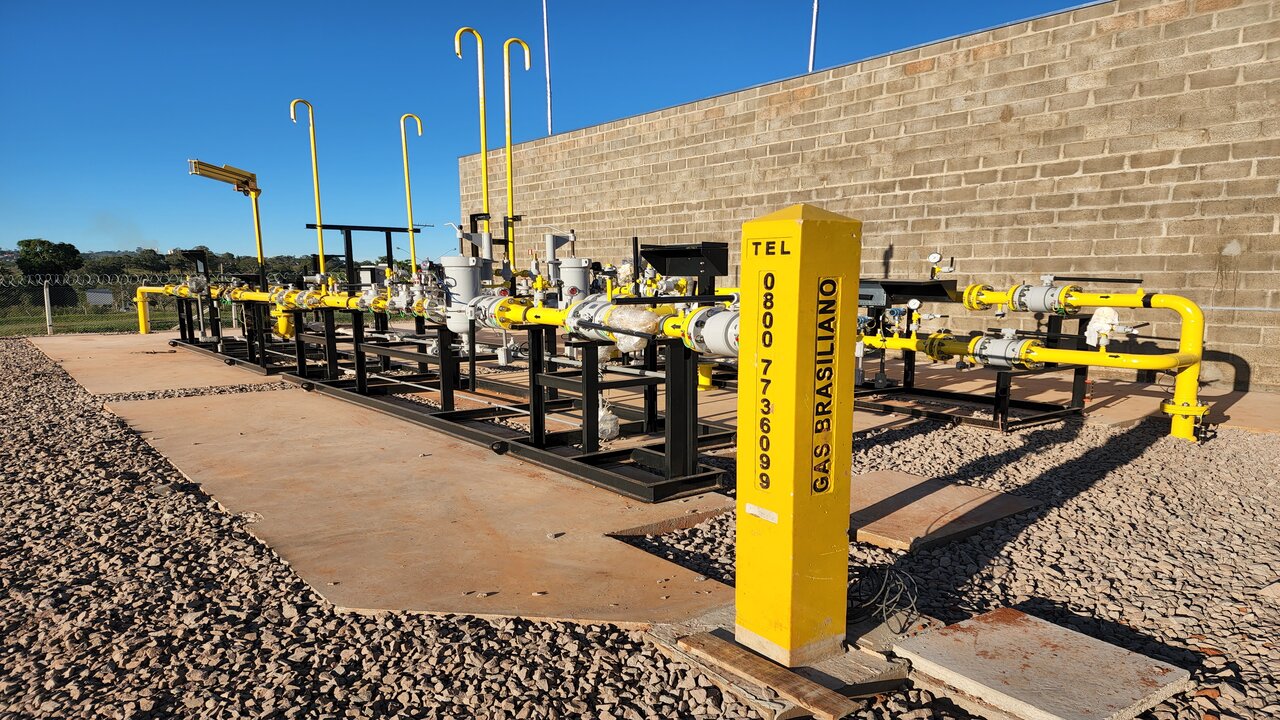
The Municipalities Presidente Prudente, Narandiba, and Pirapozinho Are Benefited by the Supply of Biomethane Thanks to the Isolated Gas Distribution Pipeline of GasBrasiliano.
The isolated gas distribution pipeline of GasBrasiliano, which is connected to the Cocal Plant, allowed the arrival of biomethane gas supply to Presidente Prudente, Narandiba, and Pirapozinho, municipalities in the interior of São Paulo.
Learn More About GasBrasiliano

Isolated Pipeline of GasBrasiliano Supplies Municipalities in the Interior of São Paulo
GasBrasiliano began operations of Brazil’s first isolated biomethane distribution system at the end of January.
The project utilizes renewable fuel generated by the Cocal group and supplies the municipalities of Presidente Prudente, Narandiba, and Pirapozinho, located in the interior of São Paulo.
-
Brazil accelerates hydrogen and biofuel projects to consolidate the fuel of the future and reduce dependence on oil by 2026.
-
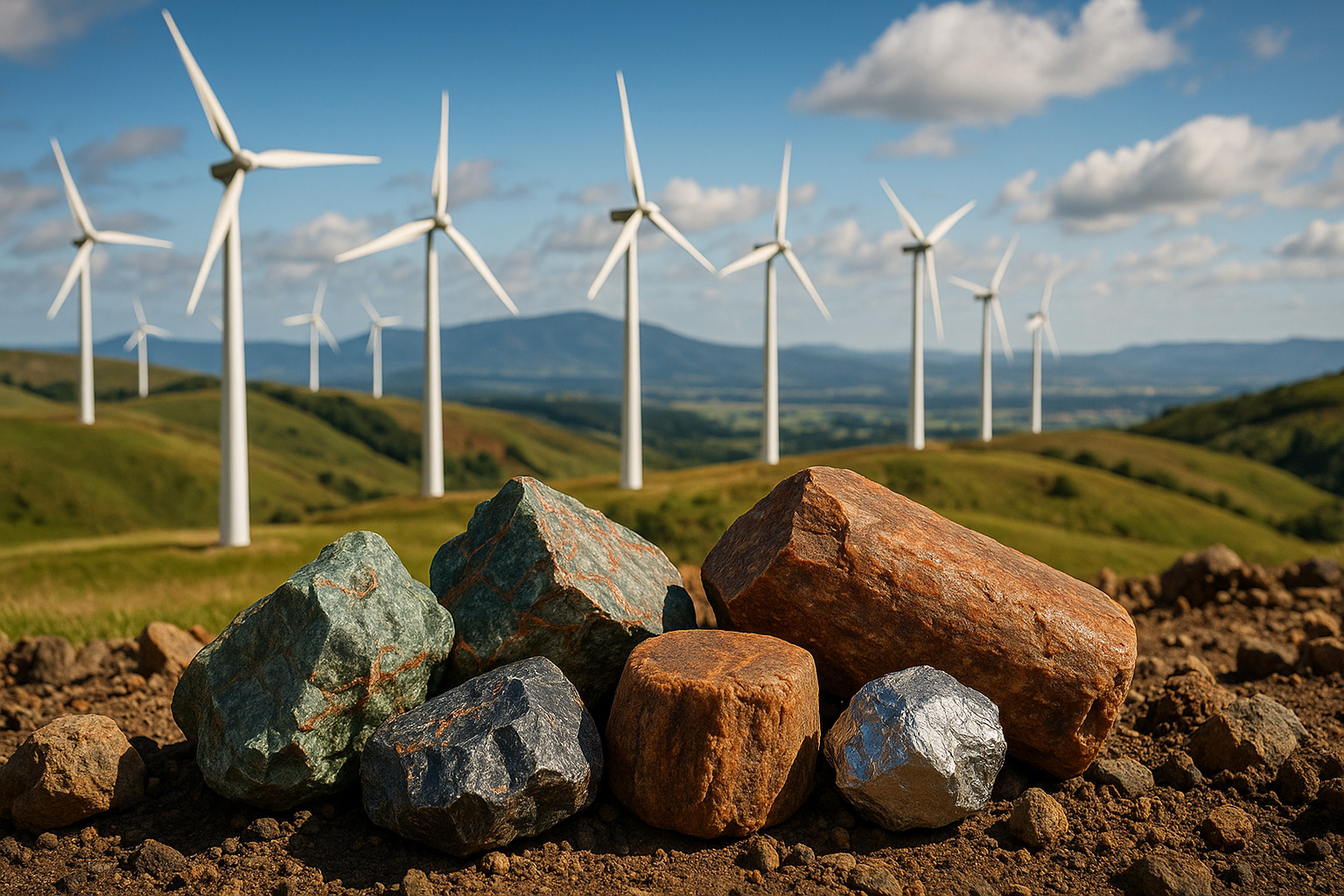
The Brazilian state accelerates industrial competitiveness with a focus on the extraction of strategic minerals to boost the energy transition in Goiás.
-
A Canadian retiree creates a hydroelectric system on a real river, generating energy continuously throughout the day and demonstrating how the power of water can supply a house with stability even in a simple structure.

-
CNPE strengthens policy and prevents imported biodiesel from being mixed with diesel, aiming to strengthen the Brazilian industry and protect jobs by reducing external dependence amid tensions in the global market.
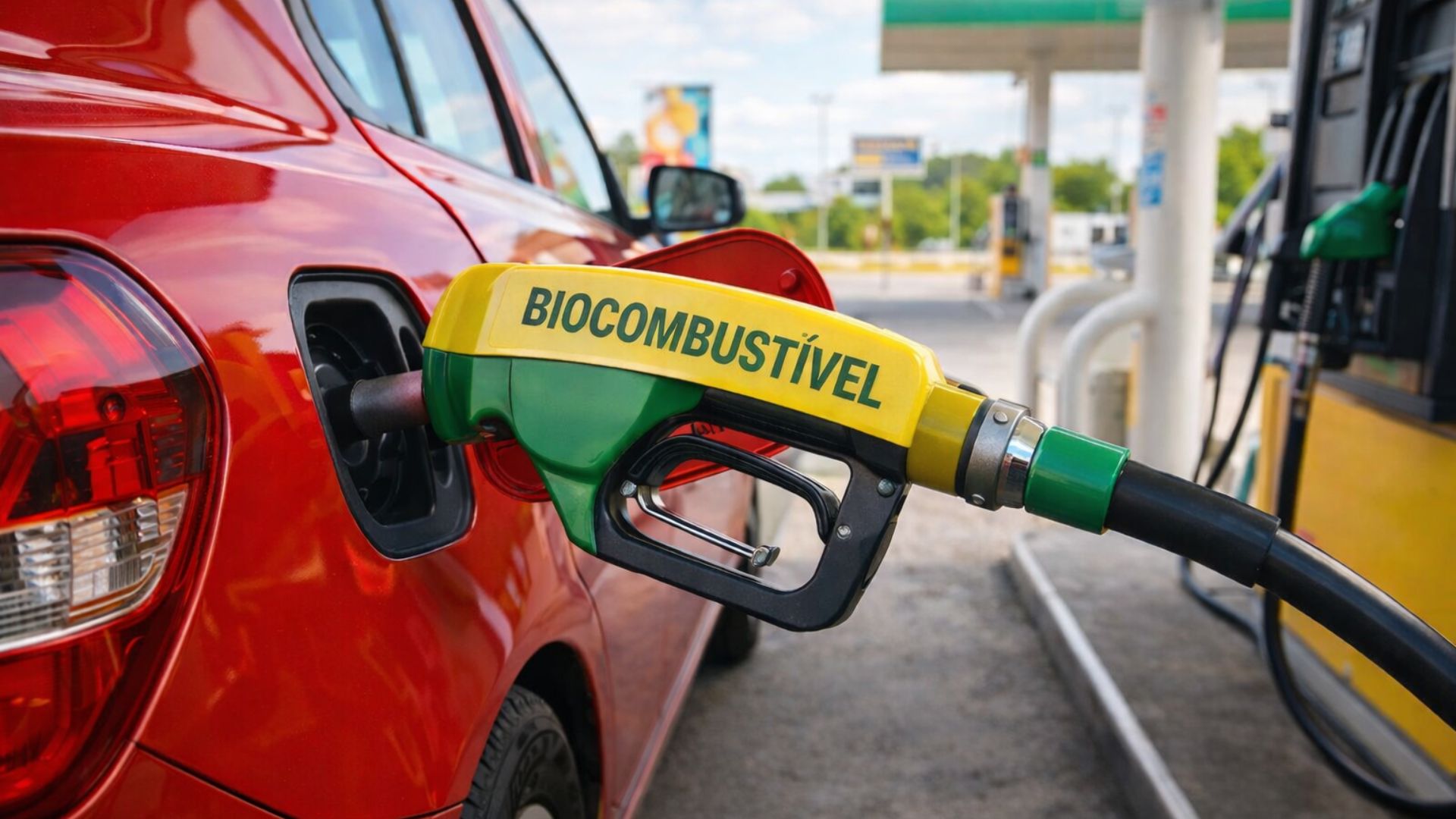
These municipalities in the interior of São Paulo are located 200 km away from the Bolivia-Brazil Gas Pipeline (Gasbol), making it economically unfeasible to implement a conventional project connecting to GasBrasiliano’s integrated network.
Despite this, the pipeline provided a supply option for the municipalities.
The biomethane plant at the Cocal Plant produces fuel by processing sugarcane waste, such as vinasse, straw, and filter cake, supporting a production of up to 25,000 m³/day.
The interconnection of the supply source was made by constructing approximately 65 km of distribution network, from the Cocal Plant in Narandiba to the industrial consumer market in Presidente Prudente.
The project totaled an investment of R$ 180 million, of which R$ 30 million was allocated to the construction of GasBrasiliano’s exclusive distribution network.
For its part, Cocal invested R$ 150 million in the biogas plant for biomethane production.
The region’s industries are the first to be supplied by the project. For example, Liane, a food industry company, aims to achieve a target of 30% bioenergy in its energy matrix and will use biomethane in ovens and boilers.
Until 2022, 70% of the company’s matrix was made up of conventional electricity, 10% by liquefied petroleum gas (LPG), and 20% by BPF fuel oil. The company aims to reduce monthly costs by around 30%.
Biomethane Production Potential
Brazil has the potential to produce around 30 million m³/day of biomethane by 2023, according to the Brazilian Biogas Association (Abiogás).
The Brazilian Association of Gas Distribution Companies (Abegás) and Abiogás believe that national biomethane production could reach 2.2 million m³/day by 2027, an estimate 5.5 times higher than current levels.
If this potential materializes as expected, the biomethane sector will contribute with a “new gas” of 1.8 million m³/day in five years.
In addition to Cocal, companies like Gás Verde (Urca Energia), Orizon, Raízen Geo Biogás, and Ecometano, from the MDC group, are among the leading players in production.
The generation of this biogas fuel is growing slowly, but its sustainable nature has attracted the attention of industries interested in environmental impact.
Moreover, biomethane presents an opportunity for gas companies to reduce their dependence on Petrobras.
Following the example set by GasBrasiliano, investment by other companies in biometahane supply pipeline projects for municipalities brings a positive focus on environmental concerns for corporate image, as well as providing an alternative supply option beyond Petrobras.








Seja o primeiro a reagir!