





 Portuguese
  English
  Spanish
 4 min of reading
  0 comments


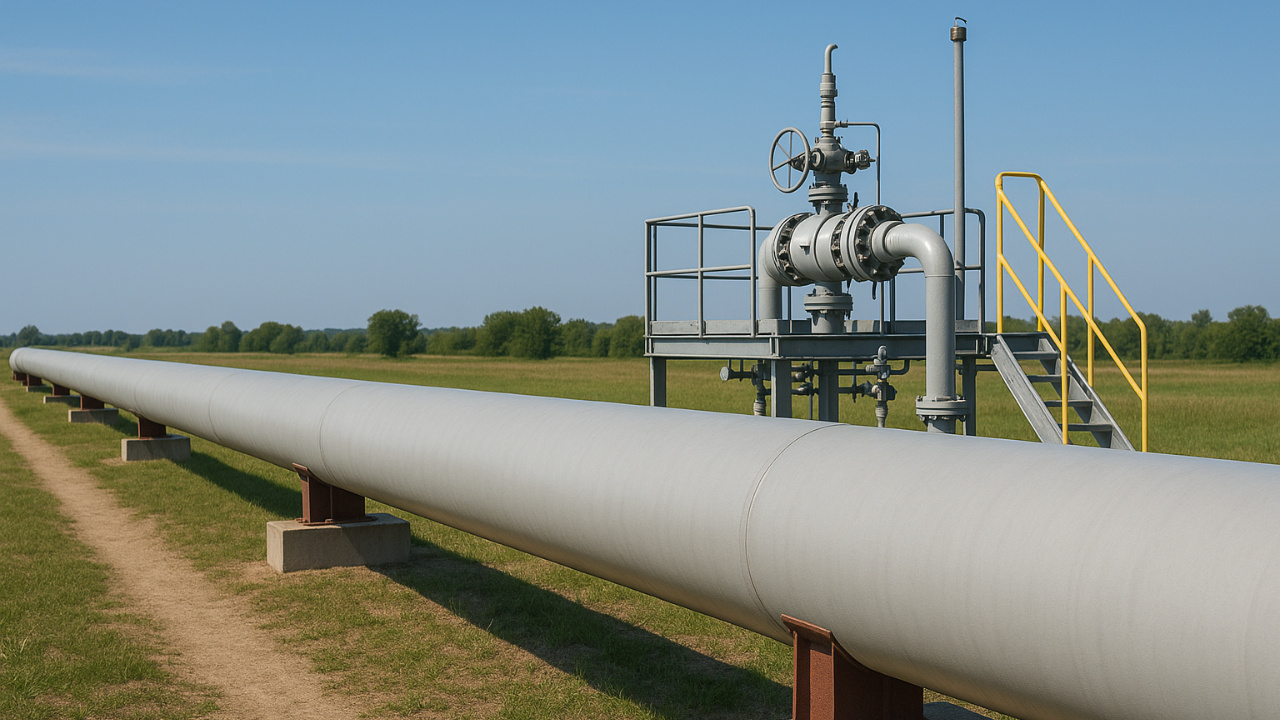
Petrobras Confirms the Sergipe Gas Pipeline in 2030 and Presents Petrobras’ Plans for the Gas Market in the Strategic Plan 2026-2030.
Petrobras announced, in its new strategic plan 2026-2030, what it intends to do: ensure the operation of the Sergipe Gas Pipeline in 2030, a decisive step to unlock the largest new natural gas frontier in the country.
The decision, made by the president Magda Chambriard, was presented.
The company explained when the project should advance with a bidding process scheduled for 2026 and where it will be installed: on the coast of Sergipe, integrating the Sergipe Deep Waters (SEAP) project.
-
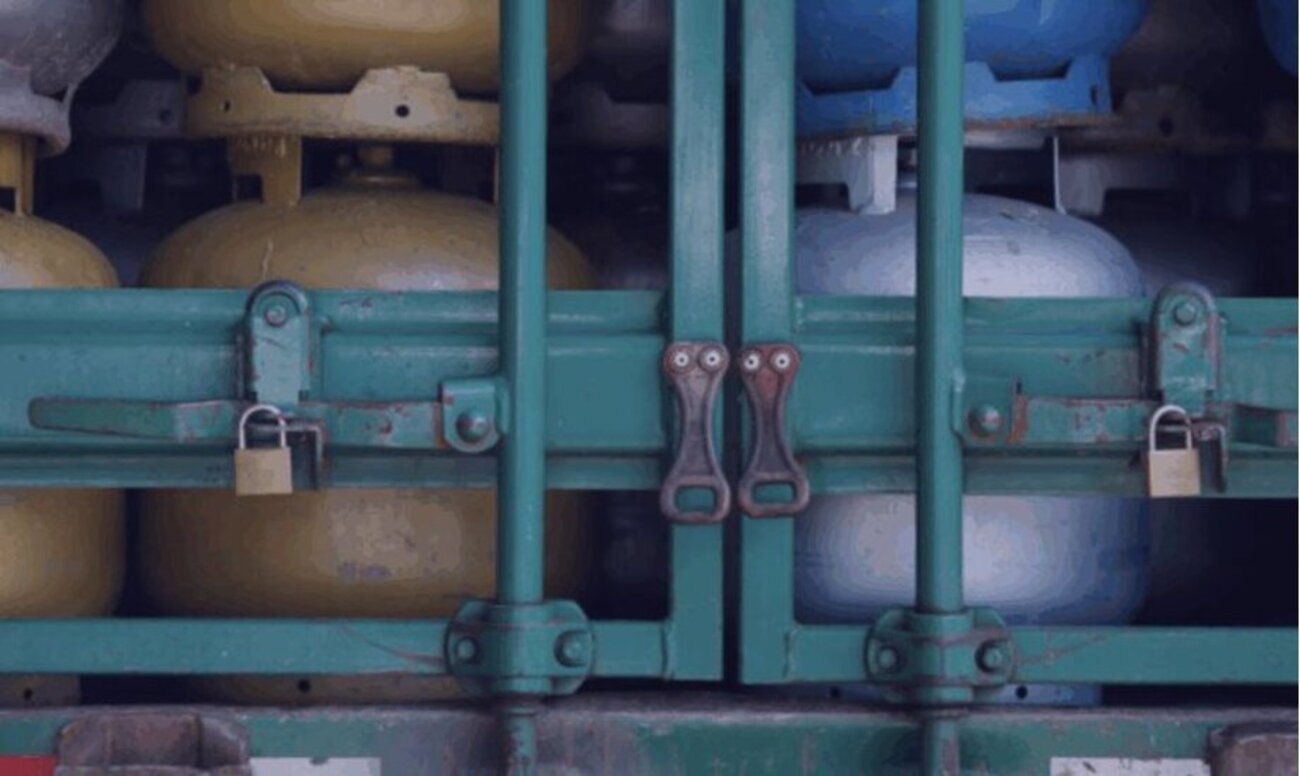
Petrobras evaluates suspension of sales to distributors and considers canceling the cooking gas auction following guidelines from the Federal Government.
-
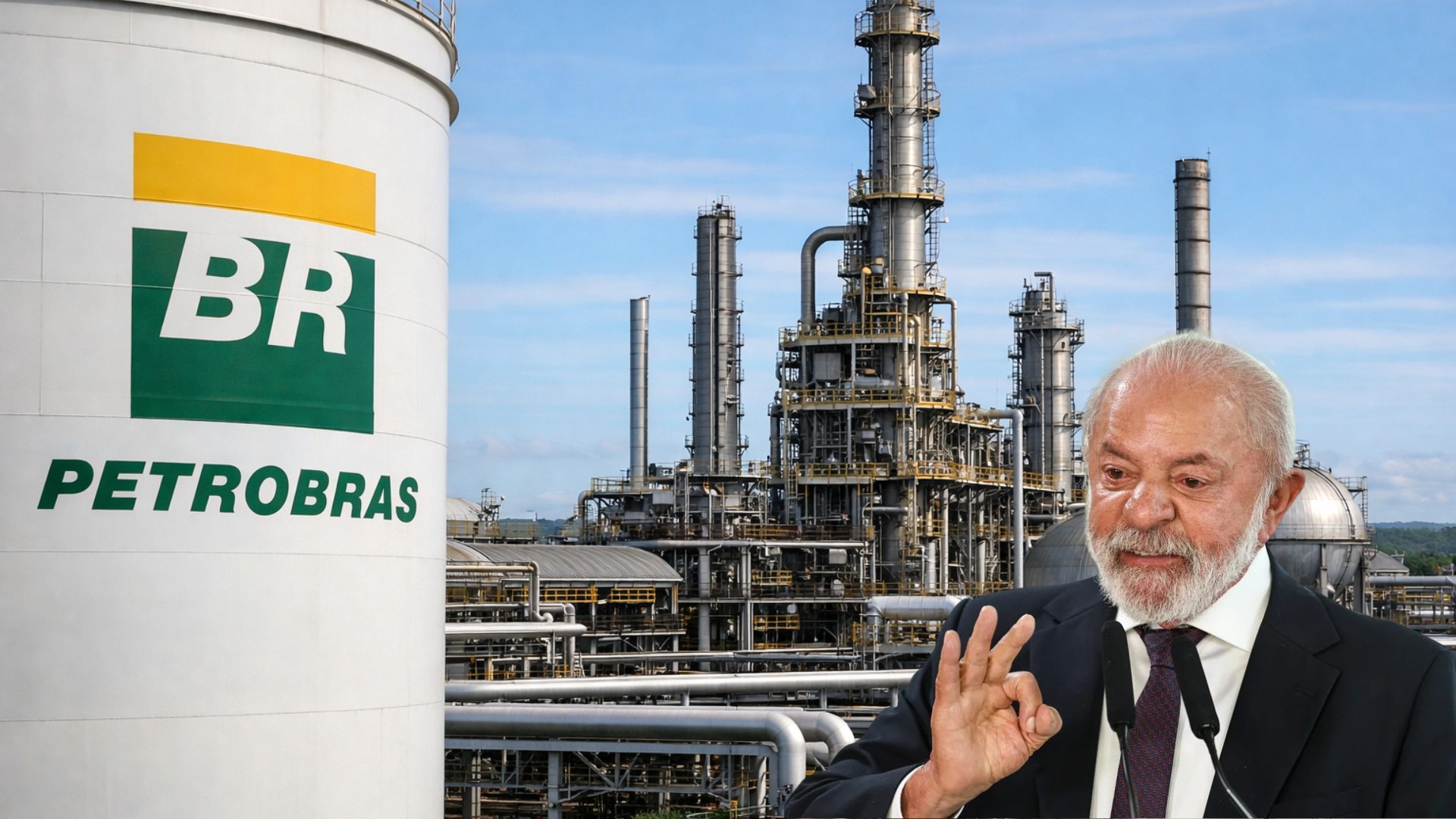
Lula reveals a masterstroke by Petrobras to undo a deal made by Bolsonaro, which involves the return of an important refinery that currently produces less than half of what was expected and makes Brazil dependent on international diesel.
-
A study confirms that the natural gas sector will reduce greenhouse gas emissions in Brazil by 0.5% and accelerate the energy transition by 2026.

-
Petrobras implements a severe adjustment and confirms a 55% increase in the price of aviation kerosene with a proposal for installment payments for the companies.

The state-owned company stated how it intends to execute the plan: by contracting the first platform currently under negotiation and initiating the pipeline bidding shortly thereafter.
Finally, it explained why the project is essential: without the gas flow, the anticipated production for Sergipe is not financially viable.
In the initial announcements, Magda Chambriard summarized the urgency:
“Because if we do not market the gas from Sergipe (…), the Sergipe Deep Waters project cannot survive.”
Thus, Petrobras repositions the SEAP as the pillar of Petrobras’ plans for the gas market in the next decade.
Pipeline Will Be Bid in 2026 and Inaugurated Alongside Platform SEAP 2
The state-owned company confirmed that the first platform of SEAP, called SEAP 2, is expected to operate in 2030, along with the Sergipe Gas Pipeline in 2030, designed to flow up to 18 million m³/day.
The pipeline will be contracted after the conclusion of the production unit bidding, currently being negotiated with SBM Offshore.
The second platform, SEAP 1, does not yet have a defined date and remains in the project portfolio that will compete for future resources.
Even so, Petrobras assures that the advancement of SEAP 2 already represents the main message that the plan remains alive.
Pressured Viability and Impact of the Vetoes from MP 1304
The confirmation of the SEAP occurs in a context of regulatory uncertainties and a decrease in international oil prices, factors that raised doubts about the economic viability of the project.
The federal government, by vetoing parts of MP 1304, reinforced this concern.
Minister Alexandre Silveira highlighted:
“This amendment would even compromise the exploration of gas and oil in Sergipe, essential for national development.”
Even with the vetoes, Petrobras reaffirms its commitment to maintain investments, now structured into two categories: “base” projects, with approved budgets, and “target” projects, which require new quarterly evaluations.
Sergipe Reserves and History of Delays
Geologists discovered the SEAP reserves in the early 2010s.
The project encompasses seven fields, declared commercial in 2021, but has made slower progress than expected.
After unsuccessful attempts to contract, Petrobras resumed negotiations and is evaluating the construction offer under the BOT model, which transfers the platform to the state company after delivery.
If confirmed, the contracting would finally unlock the path for the Sergipe Gas Pipeline in 2030.
National Gas Supply is Expected to Grow Before Sergipe
While the SEAP is not ready, Petrobras’ plans for the gas market involve raising the integrated network’s supply to 55 million m³/day by 2026, driven by the Route 3.
By 2028, the Raia project from Equinor will increase capacity to 62 million m³/day.
By 2030, Petrobras expects to reach 67 million m³/day, a scenario in which the gas from Sergipe will be decisive.
Investments in Búzios, Onshore, and New Petrochemical Expansion
The plan also includes:
the P-91 platform in Búzios, scheduled for 2031, acting as a gas export hub;
resuming onshore production in Urucu and Bahia, with 100 drillings in five years;
investments in fertilizers, petrochemicals, and integration with refining;
focus on the monetization of gas through thermoelectrics and new commercial products.
Petrobras’ Entry into Biomethane Strengthens Energy Transition
Petrobras is also preparing to make its debut in biomethane with investments of US$ 1.1 billion.
The goal is to reduce emissions, decrease LNG imports, and use biomethane as a feedstock for low-carbon hydrogen.
The company will be the main buyer of Guarantee of Origin Certificates (GOCs) starting in 2026.
Perspectives for the Future of Gas in Brazil
The state-owned company projects that gas will continue to represent 8% of the Brazilian energy matrix by 2050, even with the growth of biofuels and co-processed diesel.
For heavy vehicles, the trend is for gas to have an increasing share as a competitive alternative.
With the Sergipe Gas Pipeline in 2030 confirmed, Petrobras’ plans for the gas market indicate a robust strategy, with diversification and new structural investments that reposition Brazil in the natural gas expansion route.







Seja o primeiro a reagir!