





 Português
  Inglês
  Espanhol
  4 min de leitura
  0 comentários


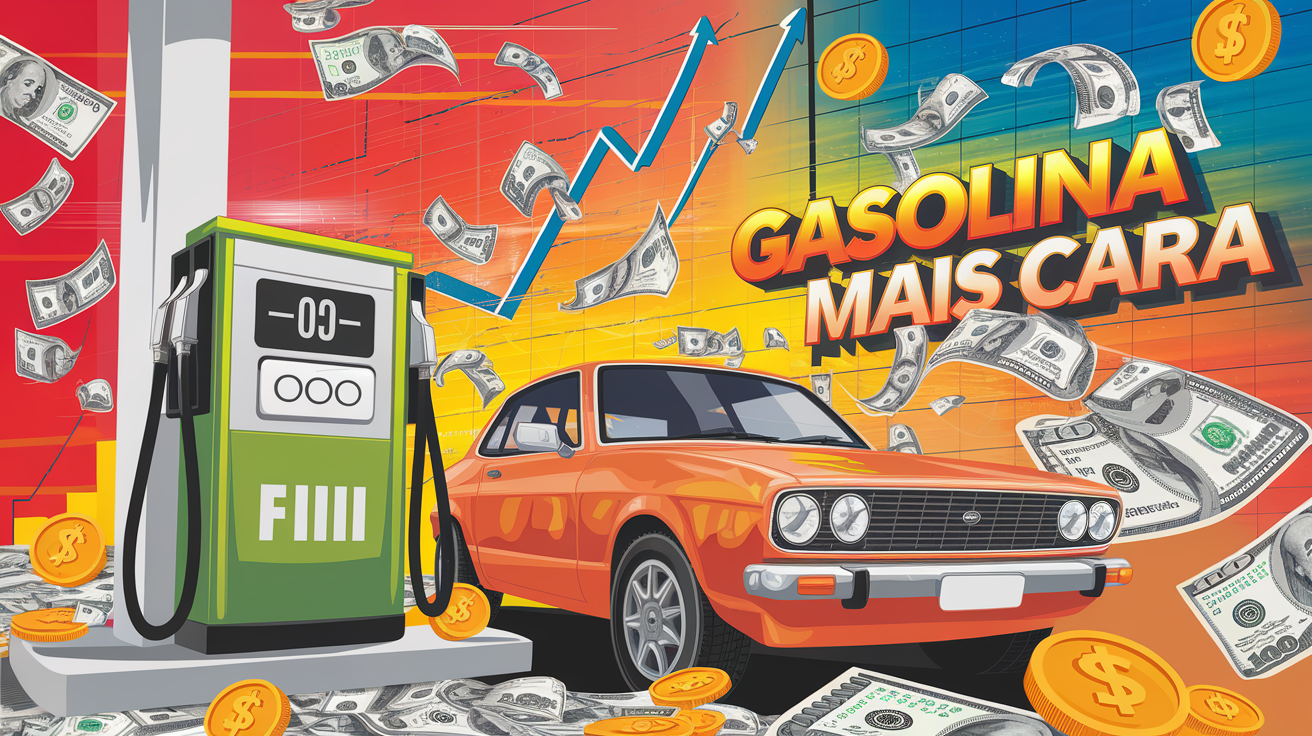
Get Ready to Pay More for Gasoline! With the ICMS Increase in February, the Impact Will Be Felt in Your Pocket and in Inflation. Petrobras Monitors the Market as International Prices Rise and the Dollar Remains Under Pressure. Learn How These Factors Can Influence Your Routine in 2025 and What to Expect from the Fuel Market in the Coming Months.
Get ready, driver! The price of gasoline in Brazil is about to go up again, and the impact goes far beyond just refueling.
With the start of February as a landmark, the increase in ICMS on fuels promises to further squeeze consumers’ pockets and intensify inflationary pressure.
But this is not the only factor on the horizon that may affect the market.
-
Russia spent $5 billion and 28 years modernizing a nuclear warship that had been inactive since 1997. The Admiral Nakhimov returned to the sea in August 2025 as the heaviest surface combat ship in the world, with 176 missile launchers, including hypersonic Zircon missiles.

-
James Webb finds 300 galaxies with mysterious scars, and this discovery may show that the universe was born much more violently than astronomers had imagined.

-
Haiti’s capital is experiencing an energy and construction crisis, facing blackouts, a blocked port, and buildings at risk after years of instability and a significant earthquake.

-
Government unlocks R$ 554 million for a highway that has been requested for decades and accelerates the duplication of BR.
According to official sources, as reported by Folha de S.Paulo, the increase in the ICMS rate on gasoline and ethanol will be R$ 0.10 per liter, raising it from R$ 1.37 to R$ 1.47.
Meanwhile, diesel and biodiesel will see an increase of R$ 0.06 per liter, going from R$ 1.06 to R$ 1.12.
These adjustments, combined with the appreciation of the dollar and the recovery of international oil prices, may have consequences for both the final price of fuels and the cost of living for the population.
Imminent Adjustment: Direct Impacts on the Wallet and Inflation
The year 2025 began with significant disparities in gasoline and diesel prices.
Although Petrobras has not yet announced official increases at its refineries, prices at the pumps already reflect the burden of imports and market fluctuations.
According to a recent survey by Edenred Ticket Log, in December 2024, the average price of S-10 diesel closed at R$ 6.27 per liter, marking a 2.79% increase over the year.
Gasoline and ethanol reached R$ 6.29 and R$ 6.47 per liter, respectively.
Inflationary pressure is expected to worsen with the new prices, as gasoline has a significant weight in the Extended Consumer Price Index (IPCA).
The combination of currency appreciation and high oil prices also complicates the reduction of interest rates in the country, creating a challenging scenario for the Brazilian economy.
Petrobras’ Stance and the Influence of the International Market
While Petrobras takes a cautious approach and monitors market behavior, the Mataripe Refinery, controlled by Acelen, has been making frequent adjustments.
On December 26, 2024, for example, Acelen raised gasoline and diesel prices, citing the dollar’s rise as the main justification.
Moreover, the renewed pressure on oil prices has emerged as a key issue. In just two weeks, the price of oil per barrel rose from US$ 72 to US$ 76.
According to Goldman Sachs, sanctions on Iran, driven by the Trump administration in the United States, may maintain tension in the markets, with the barrel potentially reaching US$ 78 in June.
The Role of Petrobras in Attempting to Contain Impacts
Magda Chambriard, the president of Petrobras, emphasized in a recent interview with Folha de S.Paulo that the state-owned company is committed to “Brazilianizing” fuel prices.
Despite strong financial results, she acknowledges the challenges posed by fluctuations in the international market.
In statements to Band, Magda highlighted that any decisions regarding adjustments will be made with caution.
However, even without opting for new increases, Petrobras faces a significant gap in relation to import parity.
According to the Brazilian Association of Fuel Importers (Abicom), on January 4, 2025, diesel had a difference of R$ 0.67 per liter, while gasoline showed a deficit of R$ 0.38 at the refineries.
Forecasts for February: Consumers on Alert
The impact of the ICMS increase will be widely felt by drivers and also by economic sectors that directly rely on the transportation of goods.
With the additional burden on consumers’ pockets, the Brazilian economy may face yet another obstacle in its recovery.
For those who depend on vehicles in their daily lives, the situation reinforces the need for strategies to economize on fuel consumption.
In addition, monitoring promotions and choosing gas stations with more competitive prices becomes even more essential.
What to Expect from the Fuel Scenario in 2025?
With fluctuations in the international market, Petrobras’ pricing policy, and changes in taxation, the fuel landscape remains uncertain.
However, one thing is certain: the Brazilian driver will need to prepare for a year of challenges in refueling and expense management.
What do you think about this increase in fuel prices? How does it impact your daily life? Leave your opinion in the comments!









-

Uma pessoa reagiu a isso.