





 Portuguese
  English
  Spanish
  6 min of reading
  2 comments


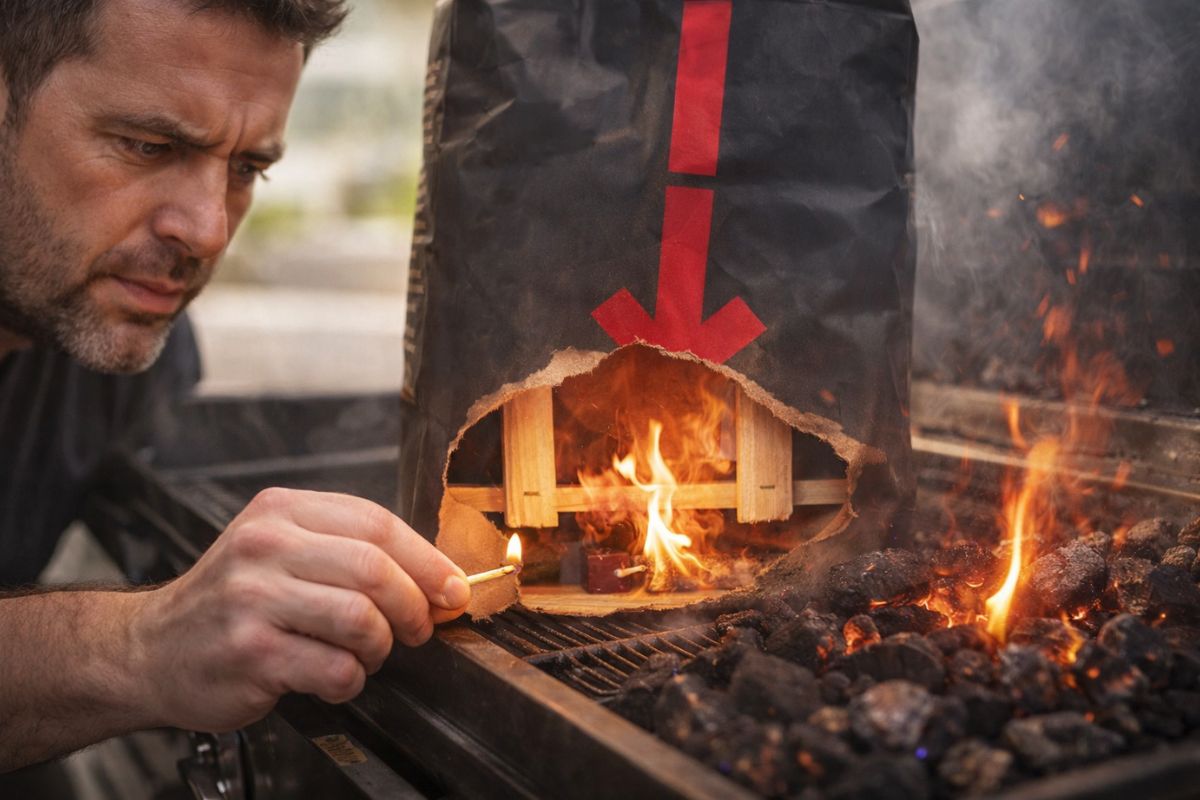


Created in Pareci Novo, in Rio Grande do Sul, the coal that ignites by itself was born from the experience of a barbecue chef and volunteer firefighter who underwent more than 200 tests, patented the solution in Brazil and abroad, and brought the innovation to thousands of points of sale across the country.
The coal that ignites by itself created by Wilian Biolo was born out of a common discomfort: the difficulty of starting a fire in the grill without improvisation, mess, and risk. Instead of treating this problem as an inevitable part of barbecuing, he saw a concrete opportunity for innovation.
A resident of Pareci Novo, in the interior of Rio Grande do Sul, Wilian grew up helping his family in a barbecue restaurant and also built a long trajectory as a volunteer firefighter. The combination of these two experiences, one related to the routine of barbecue and the other to fire safety, helped shape a solution designed to simplify the lighting of coal.
From Problem Observation to Product Idea
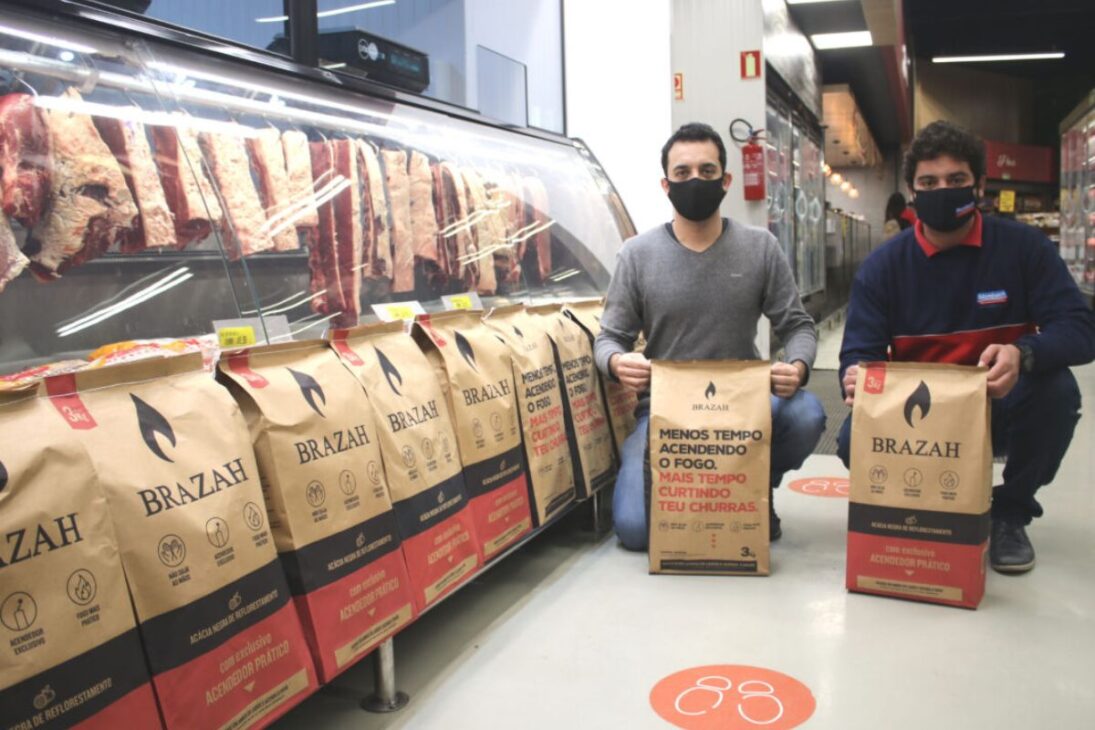
The invention’s origin did not come from a sophisticated laboratory or a large industrial structure. It started in everyday life, facing a repeated difficulty by consumers who needed to blow, fan, or resort to flammable liquids to get the grill started. It was precisely in this common pain that the entrepreneur identified an opportunity to create something different.
-
NASA published a photo taken from space of a mountain range in the interior of Goiás, and the whole world wanted to know what it was: beneath it lies the largest hot water spring on the planet, with temperatures reaching 70 degrees in the middle of the Cerrado.

-
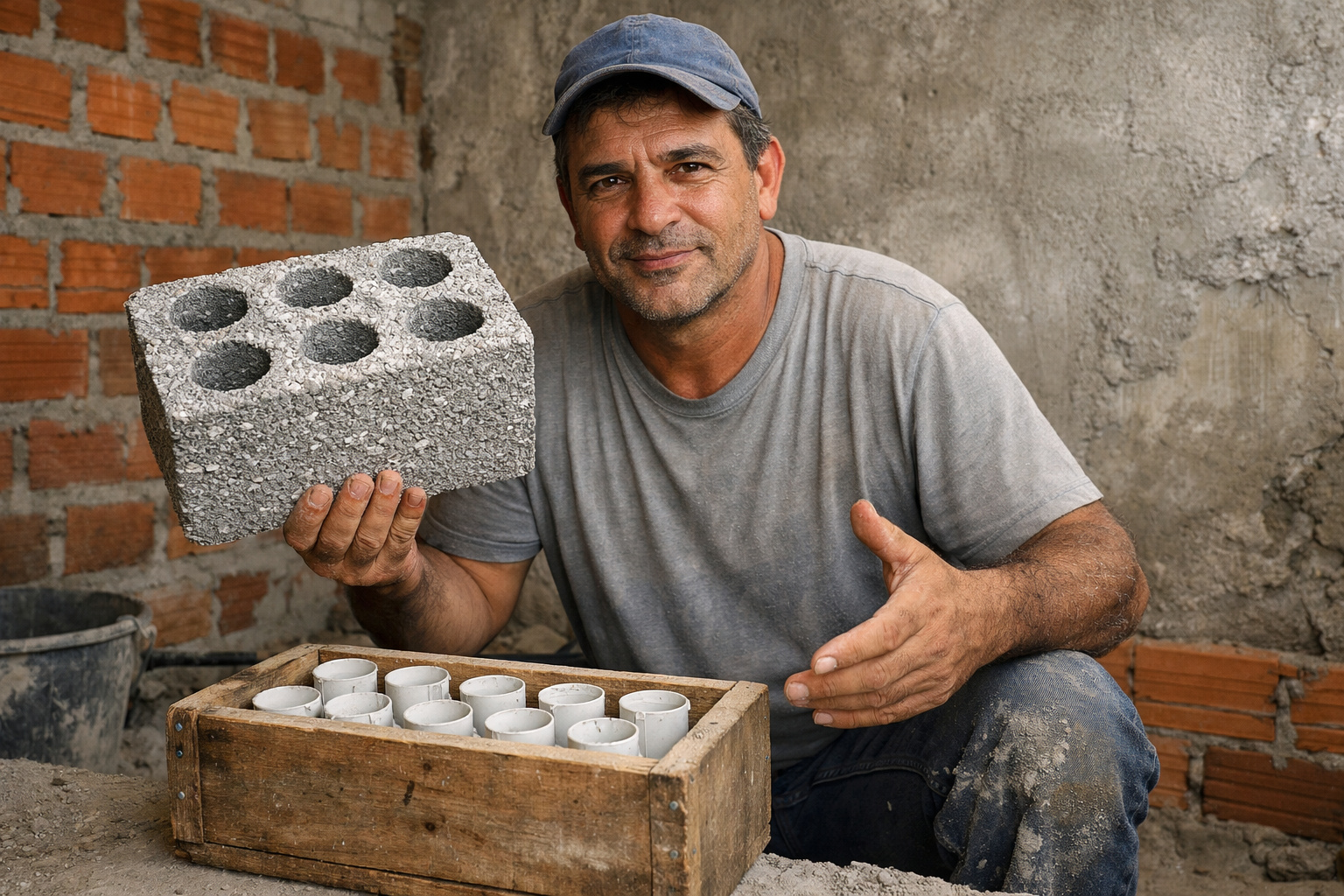
A thermal block costing only R$ 0.40 catches attention by reducing heat by up to 80% using recycled styrofoam, a common kitchen ingredient, and a manual technique capable of producing 50 blocks from a single bag of cement.
-
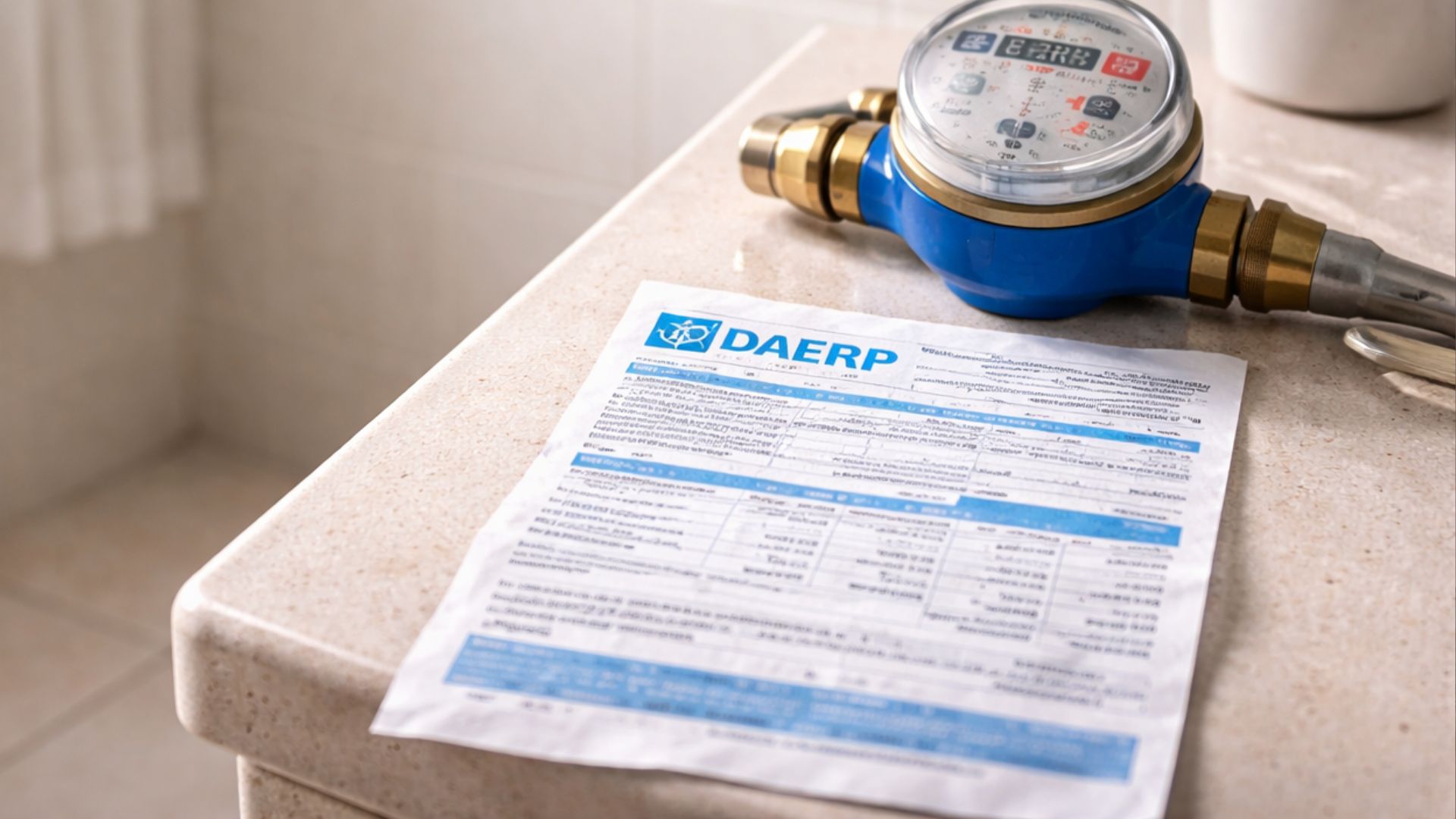
The item in the house that consumes the most water is not in the kitchen; it is in the smallest room of the house and can account for up to 30% of the expenditure on its own.
-
While Argentina relies on the USA to provide communications, data transmission, and electronic warfare for the F-16, Brazil is accelerating with the Gripen and integrating the Link-BR2, a national technology that strengthens air defense.

Wilian was already familiar with this scenario. Since childhood, he dealt with traditional lighting methods because of his family’s routine in the barbecue house. Later, as a volunteer firefighter for over two decades, he broadened his perspective on accident prevention, fire behavior, and the need for safer procedures. This combination provided practical grounding for the idea not to remain just a good intention.
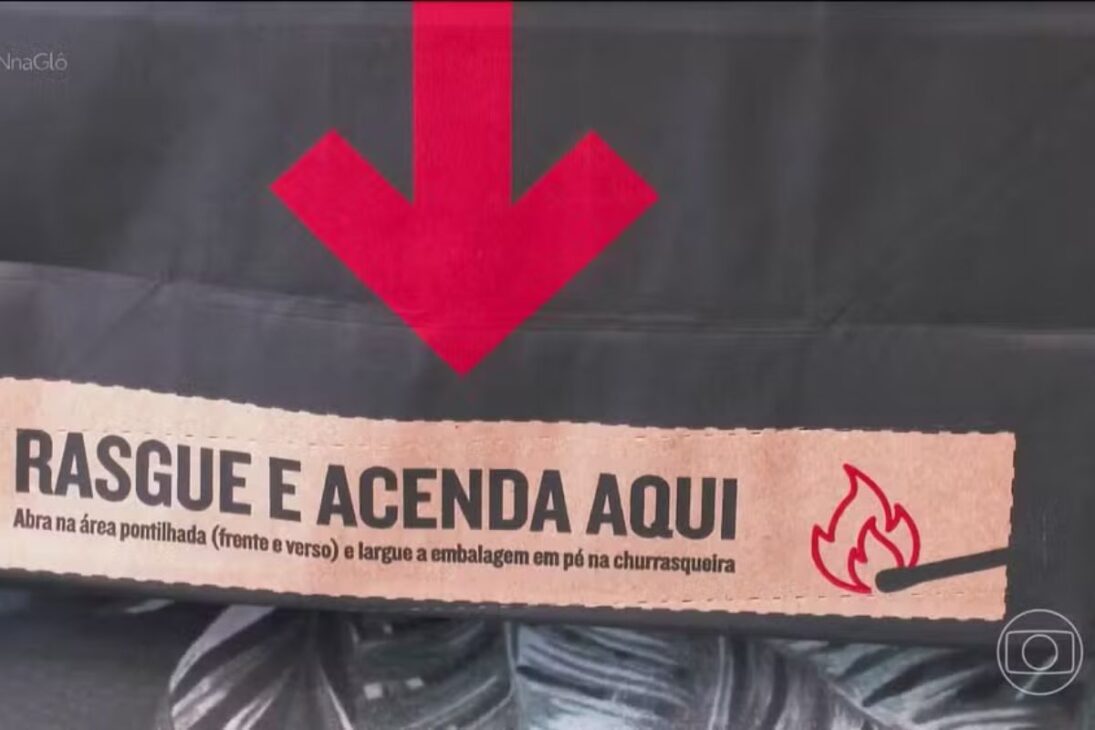
The turning point came when he attended a startup event and realized that he could combine in a single product attributes that were typically found separately: practicality, safety, and a cleaner usage proposition. From there, creativity ceased to be just a perception and turned into a project. The goal became clear: to develop a coal that required the consumer to exert the least effort when igniting.
Almost Two Years of Testing to Reach the Final Format
Transforming the idea into a product required persistence. The development went through almost two years of intensive testing and more than 200 prototypes, a volume that helps explain why the final solution did not emerge immediately. In an item that directly deals with combustion, air circulation, and safety, every detail makes a difference in performance.
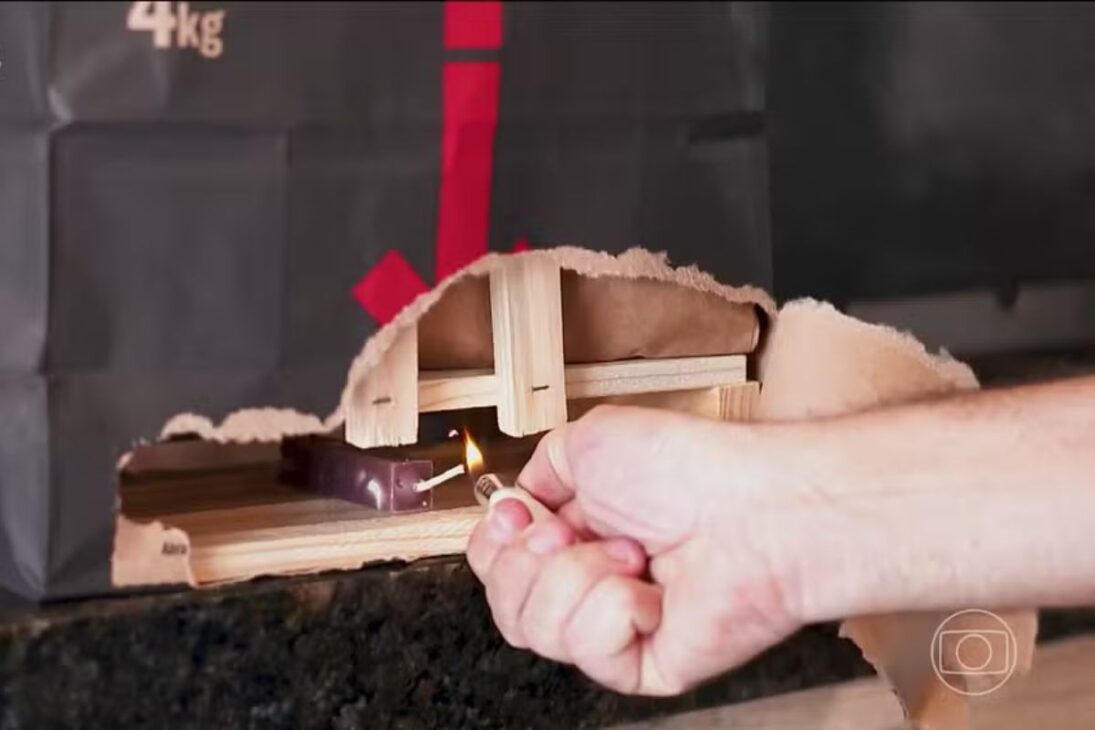
Throughout this process, the search was not just for a different bag of coal, but for a structure capable of facilitating fire without compromising the barbecue experience. The final model reached an packaging with an internal device that enhances air circulation and allows for simpler ignition. Instead of relying on successive attempts, the consumer finds a more direct and standardized use.
The operation itself was designed to be intuitive. According to Wilian, just tear two parts of the bag, ignite the attached device, and position the product upright inside the grill. The central proposal is to reduce steps, minimize improvisation, and make ignition less laborious for those preparing the fire.
This result was only possible because the invention was repeatedly adjusted to find a balance between ease of use and efficiency. The history of prototypes shows that the solution only gained commercial form after successive refinements, which helps to understand why the product managed to move from concept to market with a clear proposition.
What Differentiates the Coal That Ignites by Itself
The coal that ignites by itself is not limited to an eye-catching package. The difference lies in the internal structure made of wood with an attached igniter, designed to facilitate air passage and improve the ignition process. This simplified engineering is the factor that transforms a traditional habit into a more controlled experience.
In addition to the facilitated ignition, the product was designed to tackle three points that usually trouble the consumer: risk, effort, and mess. According to the entrepreneur, the solution aims to address these issues without compromising the flavor of the food. This concern is important because, in barbecuing, practicality alone is not enough if there is an impact on the final result of the food.
Another relevant aspect is the care with the materials used in the packaging. The bag uses natural kraft paper, water-based inks, and plant-based glue. This reinforces the attempt to associate the invention not only with convenience but also with a production logic more aligned with less aggressive choices compared to makeshift ignition alternatives.
In practice, the proposal differentiates itself by gathering functions that previously depended on separate steps. Instead of buying coal and then looking for ways to safely ignite the fire, the consumer receives everything integrated into a single solution. It is this combination of operational simplicity and functional proposal that underpins the product’s appeal.
Patent, Lean Operation, and Commercial Expansion


After reaching the final format, the business moved to a decisive stage: protecting the invention. The product was patented in Brazil and abroad, ensuring exclusivity for the company and strengthening the brand’s position in a market where practical ideas are often quickly copied when they demonstrate commercial potential.
Today, the operation works in a warehouse with four employees and has the capacity to produce up to five thousand packages per month. The packages are sold in three and four-kilogram versions, with an average price of R$ 32. These numbers show a lean structure, but already organized to meet a growing demand.
The distribution also reveals that the business has moved beyond regional confines. The product is now available in Rio Grande do Sul, Santa Catarina, Paraná, and other states, as well as in major chains with thousands of points of sale. This indicates that the invention has managed to move past the initial curiosity phase and enter a broader commercial circuit, where scale, replenishment, and retail presence become determinants.
More than just a good idea, this case illustrates the transition to an effective business model. Patent, regular production, and distribution reach are signs that the invention has found real space in the market and has not been restricted to the rhetoric of innovation.
From a Simple Need to Million-Dollar Revenue
The financial results help gauge this evolution. In 2021, the first year of commercialization, the revenue was R$ 62 thousand. By 2025, the business reached R$ 1 million. The gap between these two figures highlights significant growth in a few years and suggests that the product has found traction among consumers and retailers.
This advancement, however, does not appear as a consequence of instantaneous success. The trajectory described by the entrepreneur reinforces that there was doubt, weariness, and persistence during the development phase.
The mark of over 200 tests helps explain why the final result did not emerge ready, but was constructed with persistence in the face of failures and adjustments.
There is also an important symbolic point in this story. The innovation did not arise from a complex technology far removed from everyday life, but from observing a daily habit deeply rooted in the culture of the South and much of the country.
The value of the idea lies precisely in addressing something familiar, without demanding a radical behavioral change from the consumer.
That is why the case of Wilian Biolo draws attention not only for the revenue but for the logic that underpins the business. He identified a recurring problem, connected practical experience with safety knowledge, and transformed this combination into a patented product. It is an example of how a simple solution, when well executed, can gain scale and commercial relevance.
The trajectory of the coal that ignites by itself shows that innovation can also arise from something ordinary, as long as there is attention to the problem, persistence in development, and clarity about what the consumer truly needs.
In the end, the invention does not just change the way to light a grill, but the way a common need can become a concrete business opportunity.
And you, would you pay more for a product that promises less risk, less mess, and more practicality when making barbecue, or do you still prefer the traditional method?
Let us know in the comments what matters most to you: price, practicality, or safety.







Gaúcho mesmo acende o fogo até com papel de bala e um fósfro.
E sem pressa, ainda toma um gole e um chimarrao !
Parece muito bom. Gilmar Rodrigues