





 Portuguese
  English
  Spanish
  3 min of reading


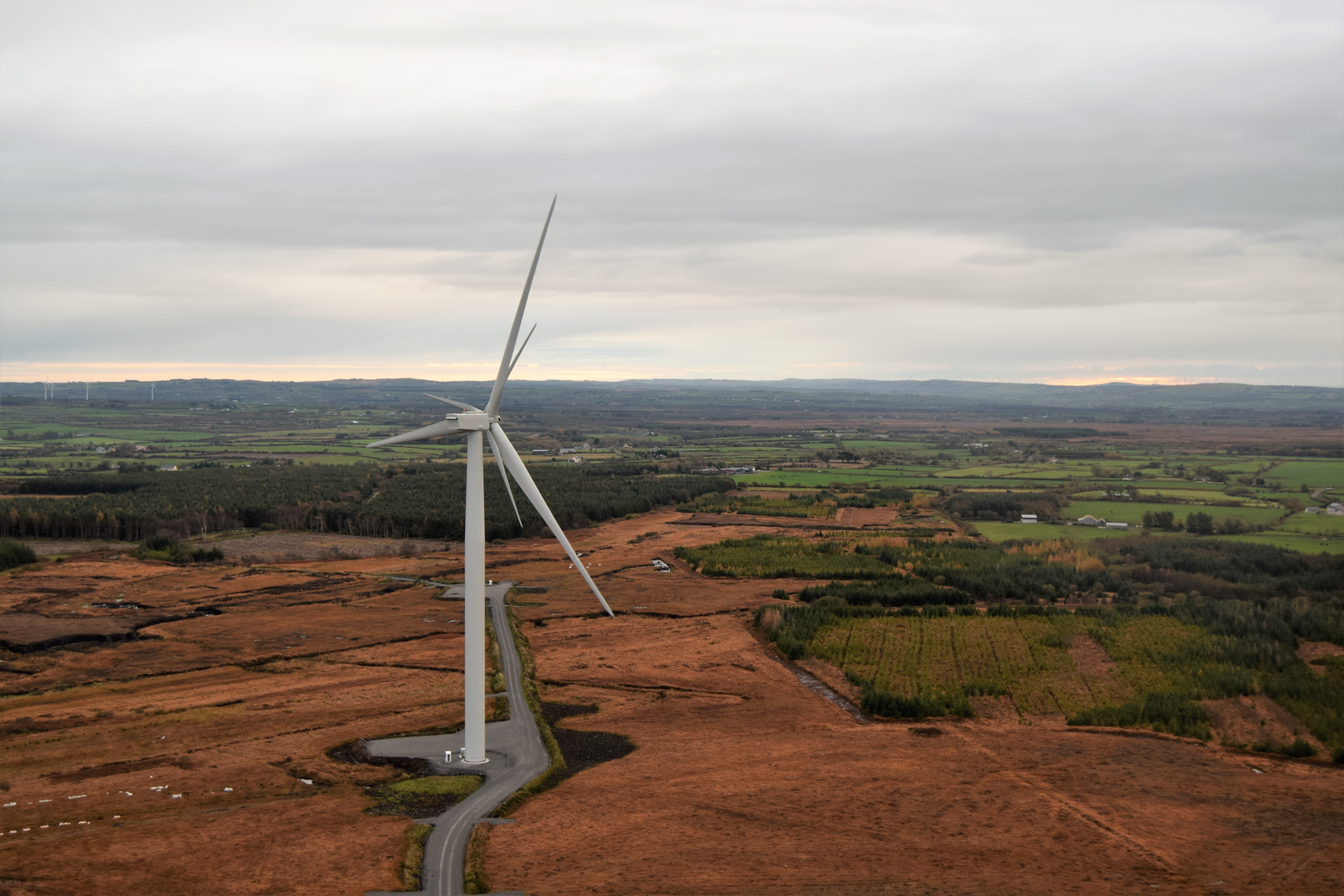
Company Works On 3D Printer That Has The Capacity To Print Concrete Components For Wind Turbine Construction
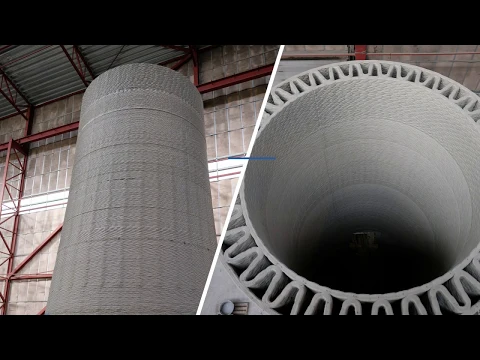
GE is heavily investing in a project that could significantly increase the efficiency of wind energy production. Recently, the company launched a research facility that develops the printing of concrete bases for wind towers.
Designers hope that printing these bases will help reduce costs, as well as facilitate the installation of taller and more efficient wind towers.
GE Invests In New Technologies For The Wind Sector
Currently, the construction of wind towers requires a large investment in logistics. Builders transport prefabricated tubes and weld them on-site. Because of this, the success of GE’s project could solve the bottlenecks that limit the size of wind farms.
-
Viih Tube, former BBB contestant and millionaire, lives in a mansion worth R$ 8.5 million with a heated artificial lake, two cinemas, a complete spa, and a giant playroom of 120 m² for the couple’s children.

-
Labor shortages in the construction industry in the United States surge, and 499,000 workers need to be urgently hired to fill open positions and support ongoing large-scale projects.

-
Governments in Latin America are advancing with a sustainability and energy transition agreement in aviation, creating an environment for the scaling of SAF, operational gains, and a direct response to global climate demands.

-
Brazil surprises the world by cloning a pig with human genes in an attempt to save humans with transplants, a technique with only 1% to 5% success rate, editing 3 genes, inserting 7 human genes, and impacting 48,000 patients on the waiting list.
GE Renewable Energy issued a statement explaining a bit about 3D printing. According to the company, the research will “allow GE to 3D print the bottom of wind turbine towers.” Additionally, GE highlighted that “it is important to continuously improve the ways we design, manufacture, transport, and construct the large components of modern wind farms.”
How The 3D Printer Works
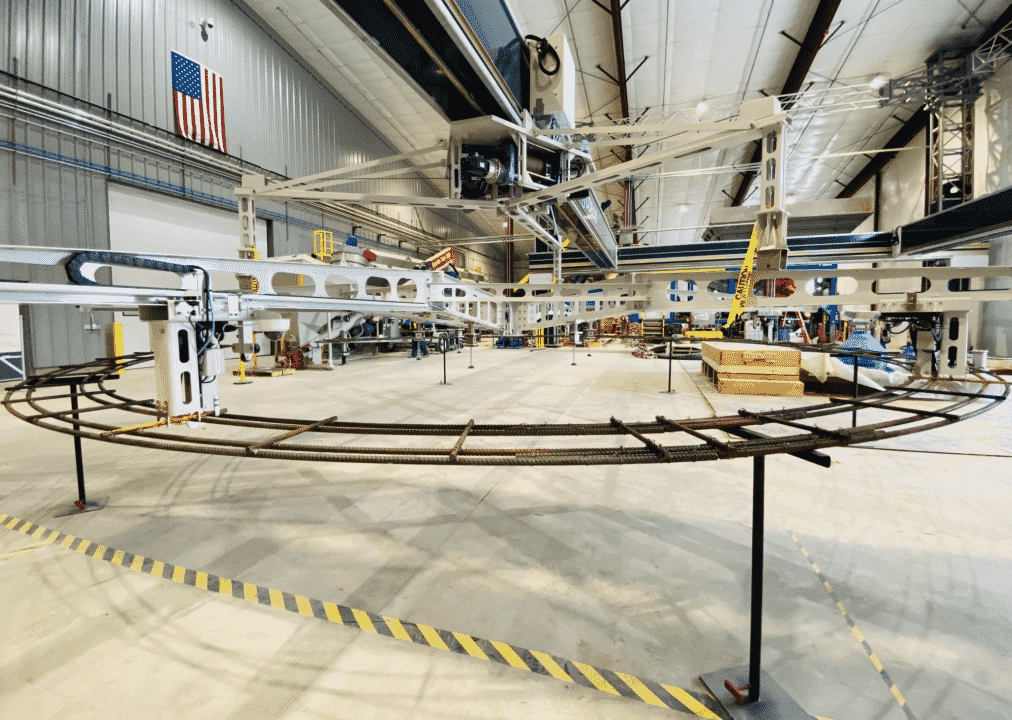
GE has partnered with Holcim and Cobod, a company specializing in 3D printing. The tests are taking place in New York, where the company has a 3D printer the size of a three-story building.
The printer consists of long trusses and beams connected at right angles. Motors are connected to the beams, which move the print head in three directions. The printer is the largest of its kind in the world. Evidence of this is that it can print concrete structures up to 20 meters tall.
The significant investment in the sector proves the importance of reducing the production cost of wind energy towers. With the need for larger wind towers, GE’s investment seems to be another great success for the global energy giant.

Advantages Of The 3D Printer
As the concrete base made by the 3D printer can be easily changed in height, designers emphasize that the project can be further optimized for the local terrain. “When you think about very large wind farms where the terrain and wind change, we are limited in how we can vary the height of the turbine to maximize the site layout,” emphasizes Christopher Kenny, senior engineering manager.
Believing in the potential of the project, the U.S. Department of Energy is funding the project with 5 million dollars. “We appreciate the support from the U.S. Department of Energy for the research we are doing here. We are confident that this will help make the wind farms of tomorrow even more efficient, cost-effective, and environmentally responsible,” Kenny added.
Growth Of Wind Energy In Brazil
The year 2021 was excellent for the wind industry in Brazil. The country set a record for expanding its wind energy production capacity last year. As a result, wind energy now represents 11% of our energy matrix. A report released by the Global Wind Energy Council highlighted significant growth in wind energy in Brazil. In just the last decade, the country jumped from 1 gigawatt to 21 gigawatts in 2021.






Seja o primeiro a reagir!