





 Portuguese
  English
  Spanish
  3 min of reading



The GE Robot Capable of Performing Underwater Inspection of Hydroelectric Turbines Was Based on Remotely Operated Vehicles (ROV), Containing Sensors and Cameras
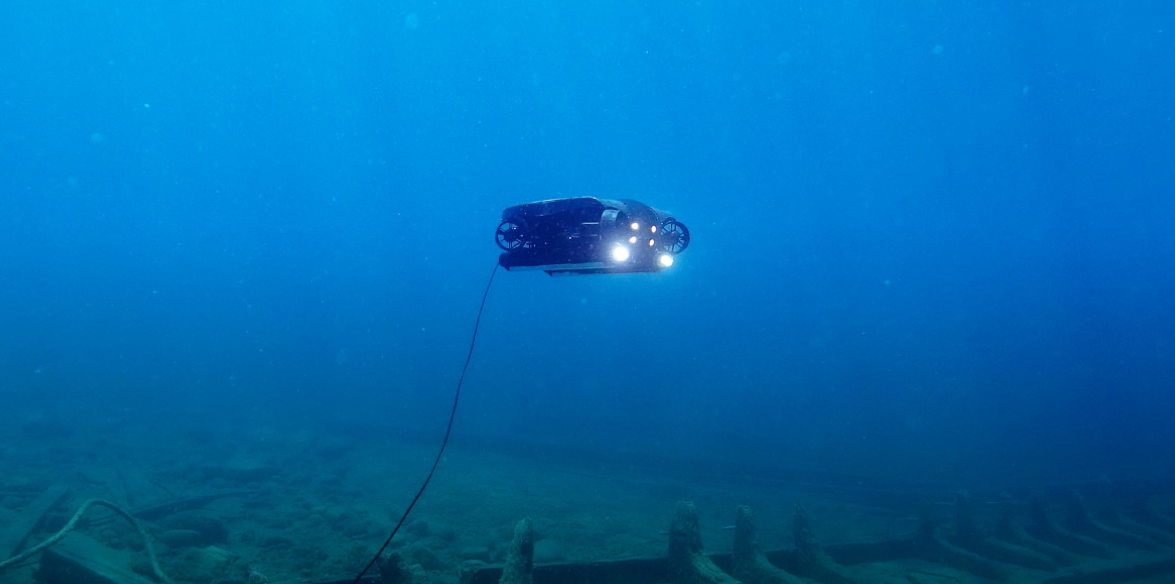
GE Renewable Energy launched a robot capable of performing underwater inspections of hydroelectric turbines, designed to inspect areas between the rotating blades of a turbine. The robot, developed, designed, and tested with the GE Research Center, is based on remotely operated vehicles (ROVs), equipped with sensors and cameras, and can inspect hard-to-reach areas without dehydrating the equipment. See also: GE Renewable Energy and Hitachi ABB Power Grids Reach Agreement to Reduce Emissions in the Electric Transmission Industry
- Epson Calls for Students from All Fields for Jobs at São Paulo Factory in Industrial, Operations, Marketing, Human Resources, and More
- Ford Announces Goal of 40% of Total Sales to Be Electric Vehicles by 2030; New Electric Cars Will Be Made
- Macaé is Going to ‘Get Back on Track’! One of the Largest Engineering, Services, and Infrastructure Companies in the World Wants to Build a Locomotive Factory in the City
- Oil Multinational Hires High School and College Professionals to Work on Offshore and Onshore Projects in Macaé and Rio de Janeiro
- Carpenter, Welder, Mechanic, and More Job Openings from Yesterday (05/27) in RJ by the Brazilian Infrastructure Services Company
About the New GE Robot
With the robot, the hydroelectric energy assessment solution will reduce costs, inspection risks, and downtime by 95%. GE Renewable Energy’s innovative inspection solution assesses the integrity of a hydroelectric turbine in a few hours, with a quality level comparable to a visual inspection without water. This new inspection robot will help customers improve the flexibility and availability of their hydro plants.
GE also emphasizes that this new condition assessment methodology allows for on-demand and high-quality inspections, with results comparable to dry visual inspections, without the service team entering a confined space of the turbine.
-
Pharmacy inside the supermarket: what changes now in your purchase, why medicines won’t go on the shelves, which rules remain strict, mandatory pharmacist, separate space, controlled storage, more convenience and competition in the country.

-
Ports like Santos and Paranaguá are operating at their limits and may block containers as early as 2030, warns a study by Macroinfra; bottlenecks increase costs and delays and push cargo to Rio, Salvador, Pecém, and Suape across Brazil.

-
Lula reveals in an interview that he asked President Xi Jinping three times to invest in a major project in Brazil, the Salvador-Itaparica bridge, which is set to begin in June with the participation of a Chinese consortium and is expected to be extraordinary, according to the president.

-
Neighboring city of Belo Horizonte has properties starting at R$ 139,000 with 90 m² and a price per square meter much lower than the capital, even concentrating automotive, petrochemical, and logistics hubs.


The custom-designed ROV is capable of inspecting between the rotating blades of a turbine, in openings of less than 200 mm. The product was designed to detect erosion, cavitation, corrosion, impact marks, and the presence of foreign bodies. Experts then review the information in real time to ensure proper inspection of all critical surfaces. Video footage is also recorded for later analysis, if necessary.
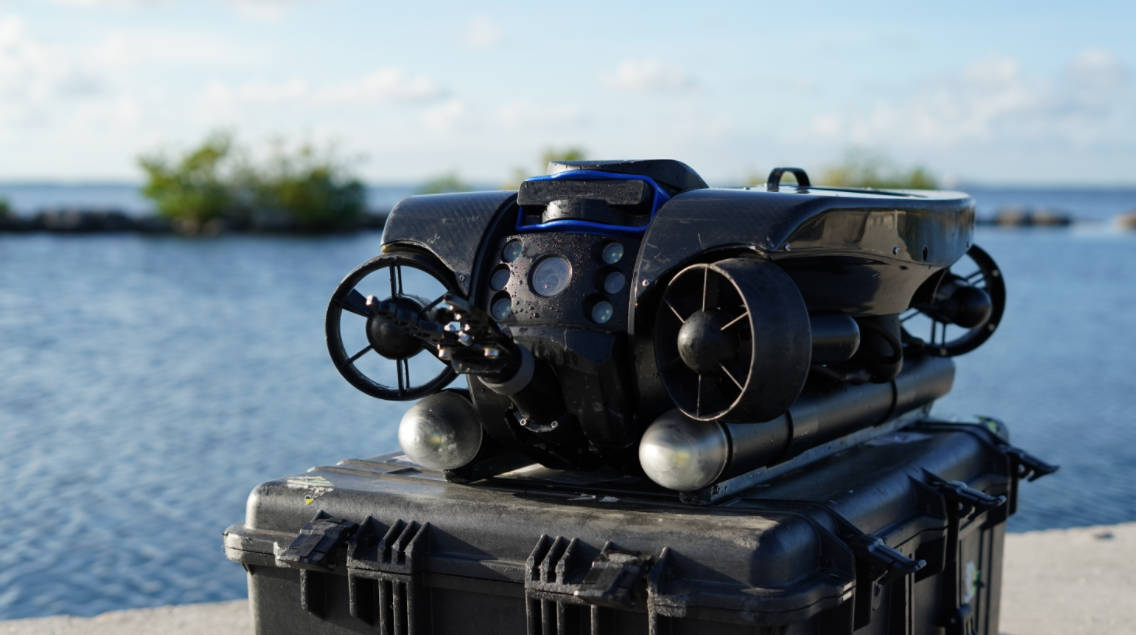
Testing the Robot Capable of Performing Inspections on Hydroelectric Turbines
The validation process of GE’s robot was conducted in five hydroelectric plants in Canada. Trash racks, intake gates, vertical and horizontal turbines, and downstream gates were successfully inspected. The insertion of a 360-degree camera between the runner blades allowed teams to visually inspect the distributor, runner, and suction pipe.
Roberta Galli, Hydroelectric Services Leader, states that the advances in underwater ROV technology have been tremendous in recent years. As its use is progressively spreading in the hydroelectric energy industry. Galli emphasizes that they wanted to accelerate its deployment with the cutting-edge underwater condition assessment solution.
Pascal Radue, President and CEO of GE’s Hydro Solutions, stated that the hydroelectric energy sector is driven by the need for more flexibility and availability. According to him, customers are seeking new solutions to better manage their plants and respond efficiently to supply and demand fluctuations. Pascal concluded by saying that is why they strive to keep customer asset downtime as low as possible and that this robot will help meet those expectations.







Seja o primeiro a reagir!