





 Portuguese
  English
  Spanish
  3 min of reading
  0 comments


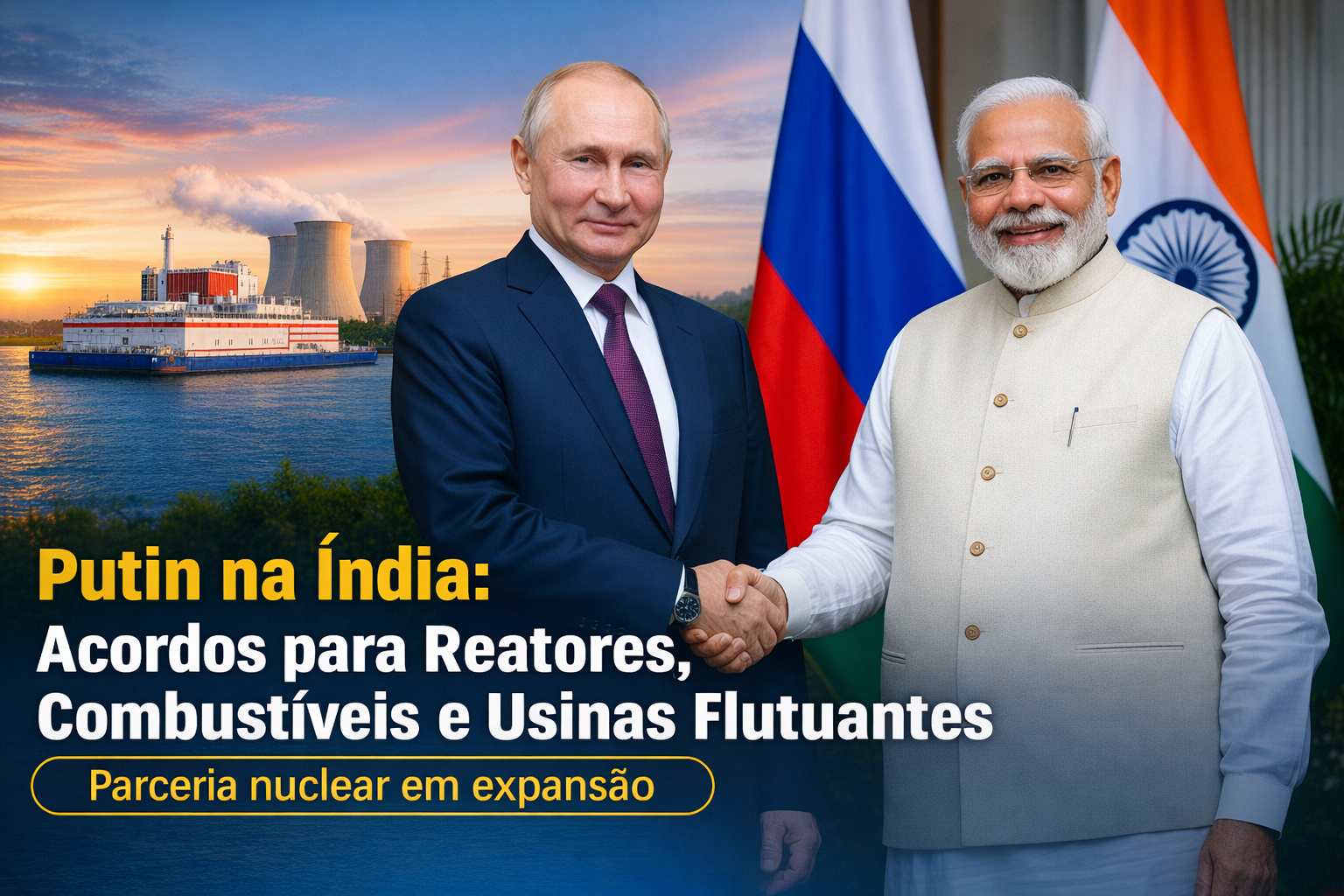
India And Russia Expand Nuclear Partnership With Reactors, Fuels And Floating Projects During Putin’s Visit.
India And Russia Advance Strategic Nuclear Partnership During Putin’s Visit
The Asian geopolitics gained new momentum. This occurred after Vladimir Putin’s visit to India. The Russian president and Prime Minister Narendra Modi decided to accelerate new agreements. Thus, they are expanding nuclear cooperation, defining the location of the next Rosatom plant, and advancing strategic fuels projects.
The meeting took place in New Delhi. Furthermore, it consolidated a broad agenda. It includes modular reactors, floating nuclear power plants, and new trade routes. Therefore, the two countries reinforce why they are strengthening ties even under heavy international pressure.
During the negotiations, the governments confirmed the expansion of the peaceful use of atomic energy. They also strengthened joint projects with a direct impact on the fuels sector. Additionally, they are expanding collaboration in the shipbuilding industry and logistics connectivity. In this way, Russia and India are reorganizing priorities and expanding regional influence.
-
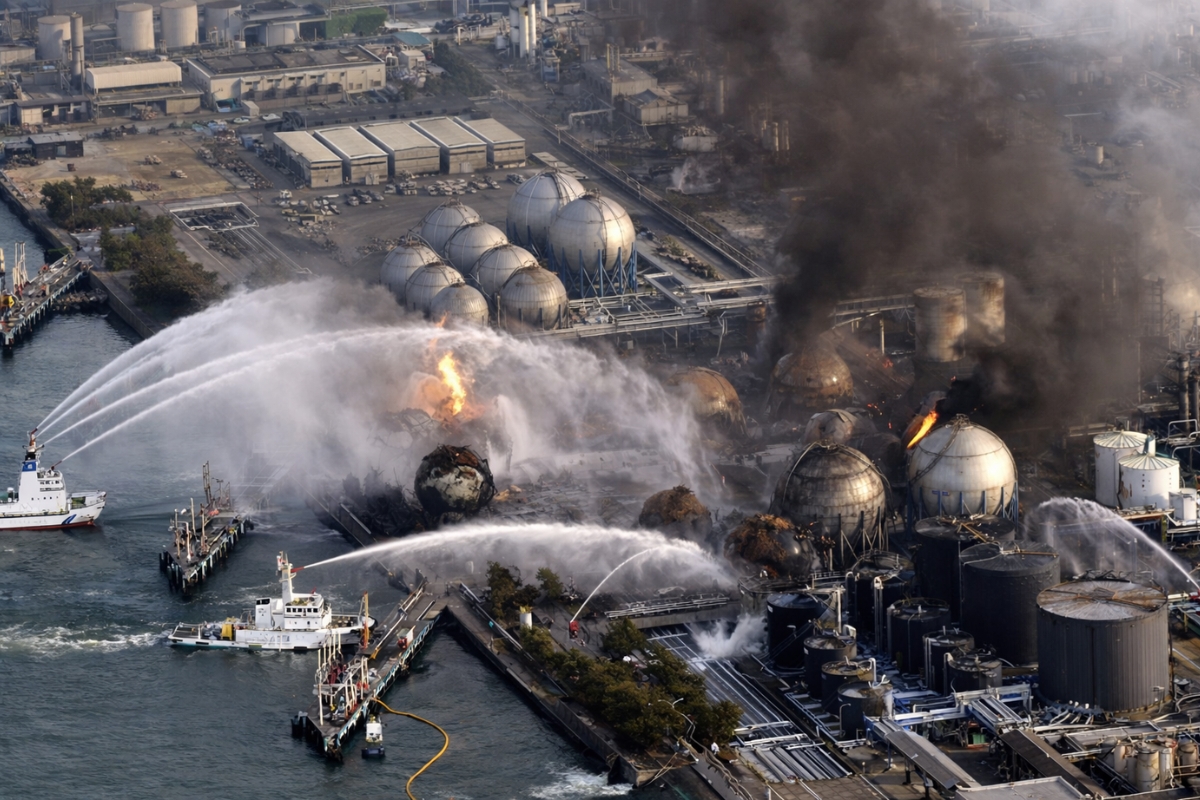
Fukushima Marks A Turning Point In Japan’s Energy Policy: After The Disaster, The Country Shut Down Its 54 Nuclear Reactors And, 15 Years Later, Only A Small Portion Have Returned To Operation
-
How Japan Overcame The Nuclear Bomb And Now Houses Millions In Hiroshima, While Ukraine Lost Chernobyl?

-
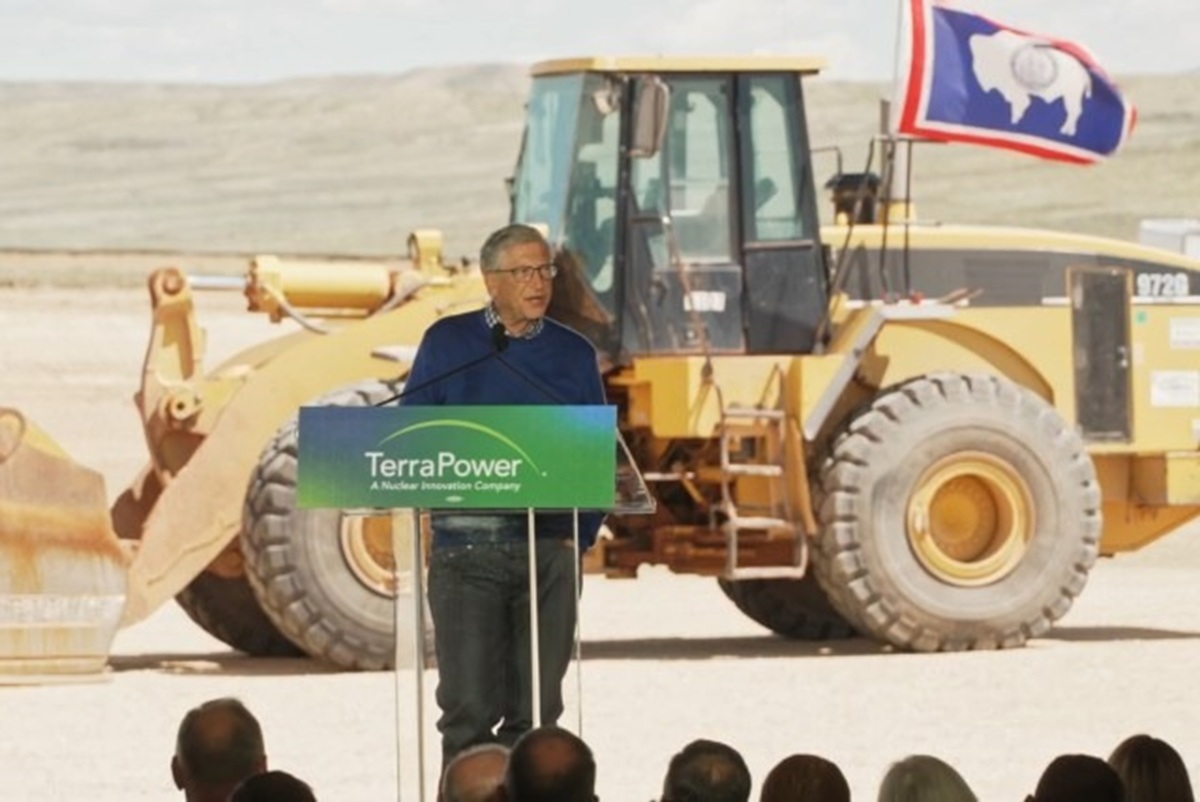
Bill Gates Receives Historic Approval to Build Giant 345 MW Nuclear Plant in the U.S. and Promises to Generate Up to 500 MW of Energy with Innovative Technology
-
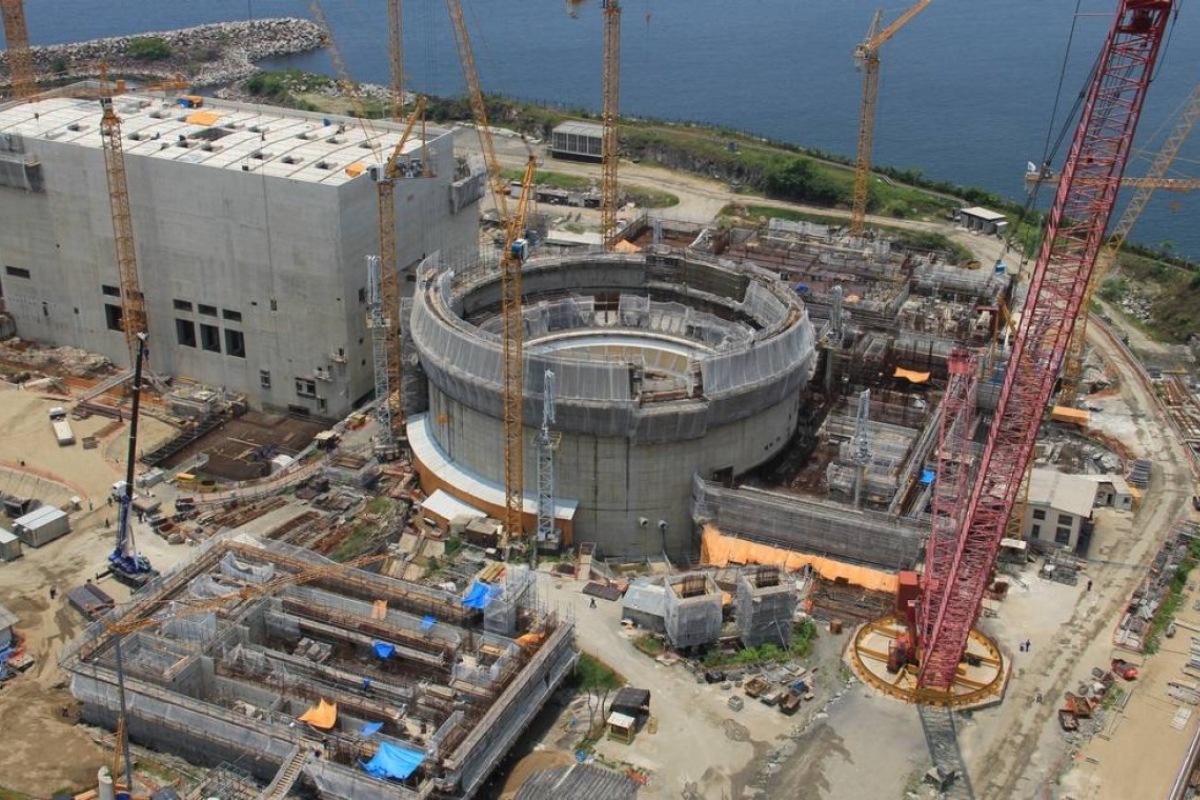
India Opens Nuclear Energy to Private Capital to Accelerate Projects and Attract Billions, While Brazil Remains Stalled at Angra 3 and Discusses Who Will Foot the Bill for Completion

Nuclear Cooperation Grows With New Reactors And Fuel Supply
In an official statement, the governments confirmed “the intention to expand cooperation in nuclear energy, including the fuel cycle, lifecycle support for the operation of the Kudankulam Nuclear Power Plant, and non-energy applications.”
Furthermore, the document highlighted the urgency of determining the new site for a second Rosatom plant on Indian territory.
The parties also agreed to accelerate negotiations on the Russian VVER reactor, expand joint research, and develop nuclear equipment manufactured in partnership. This move, therefore, reinforces Russia’s position as the main supplier of atomic technology to India.
Modi Highlights Connectivity And New Strategic Routes
During the press conference, Modi stated that strengthening connectivity between the two countries is “a fundamental priority” and confirmed advances in the Northern Sea Route and the Chennai-Vladivostok corridor. India, on the other hand, agreed to train sailors to operate in Arctic waters, a crucial region for Russian logistics and highly strategic for global geopolitics.
Putin added that bilateral trade already reaches 65 billion dollars a year, with expectations of jumping to 100 billion. He also emphasized the ongoing progress of Kudankulam, where six nuclear units are advancing at an accelerated pace.
Russia Proposes Expanding Presence With Floating Nuclear Power Plants
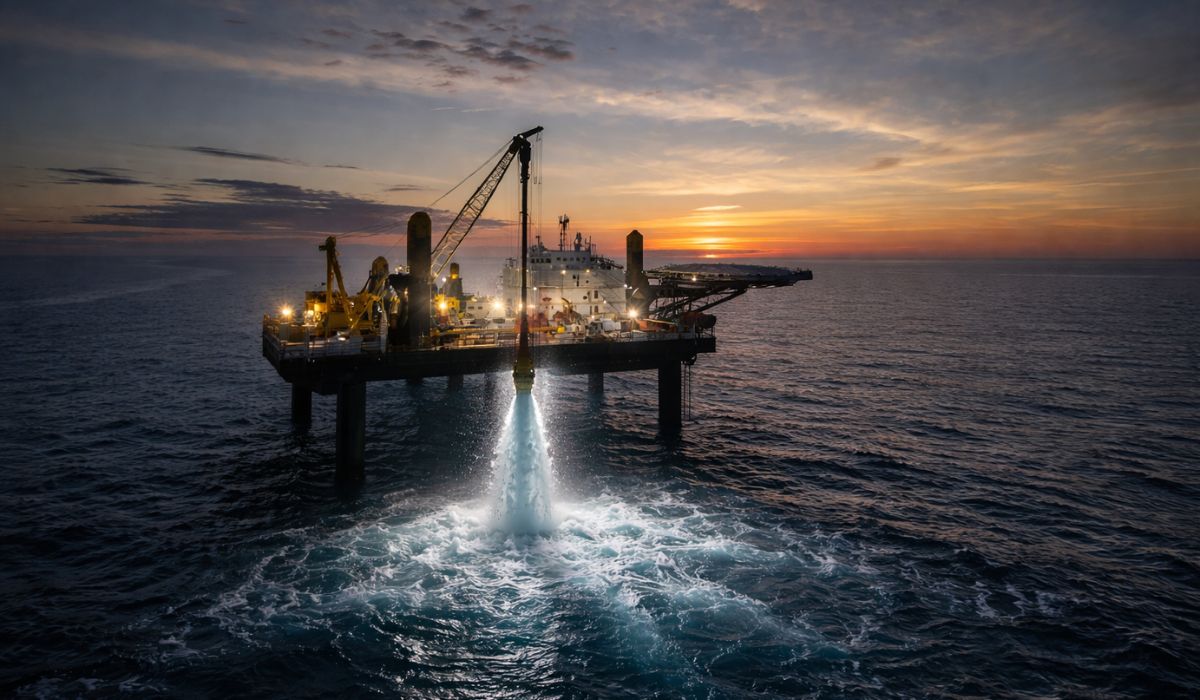
The Director General of Rosatom, Alexei Likhachev, revealed that Russia and India have created a working group to study the potential of floating nuclear power plants. The proposal is based on the success of the Akademik Lomonosov, the world’s first floating complex, which has been operating for more than five years in the Arctic.
These units utilize adapted versions of the small reactors used in nuclear icebreakers, further reinforcing the link between energy, defense, and geopolitics.
Kudankulam Becomes The Largest Symbol Of The Indo-Russian Nuclear Alliance
Located in the southernmost part of India, the Kudankulam complex houses two VVER-1000 reactors in operation since 2014 and 2017. Four more reactors are under construction, and two additional large units are proposed for future phases.
Putin stated that “the construction of small modular reactors and floating nuclear power plants may also be relevant,” indicating that SMRs will play a central role in the future of India’s energy matrix.
Ambitious Goal: India Aims For 100 GW Of Nuclear Energy By 2047
According to the World Nuclear Association, the country currently operates 24 reactors, totaling nearly 8 GW installed and is constructing six new units. To achieve the planned 100 GW by 2047, the strategy combines large reactors and SMRs — such as the BSMR-200, the 55 MWe SMR, and the 5 MWt reactor intended for hydrogen production.
This expansion underscores why the partnership with Russia remains central, especially in the supply of technology and fuels.
Geopolitics Redefines Global Energy Alliances
With the decision to advance in nuclear infrastructure, maritime logistics, and trade routes, India and Russia send a direct message: cooperation between the two countries is strengthening and influencing the global balance of power. Therefore, Putin’s visit turns into more than a diplomatic gesture — it marks a strategic repositioning amid international pressures.







Seja o primeiro a reagir!