





 Portuguese
  English
  Spanish
  5 min of reading
  0 comments


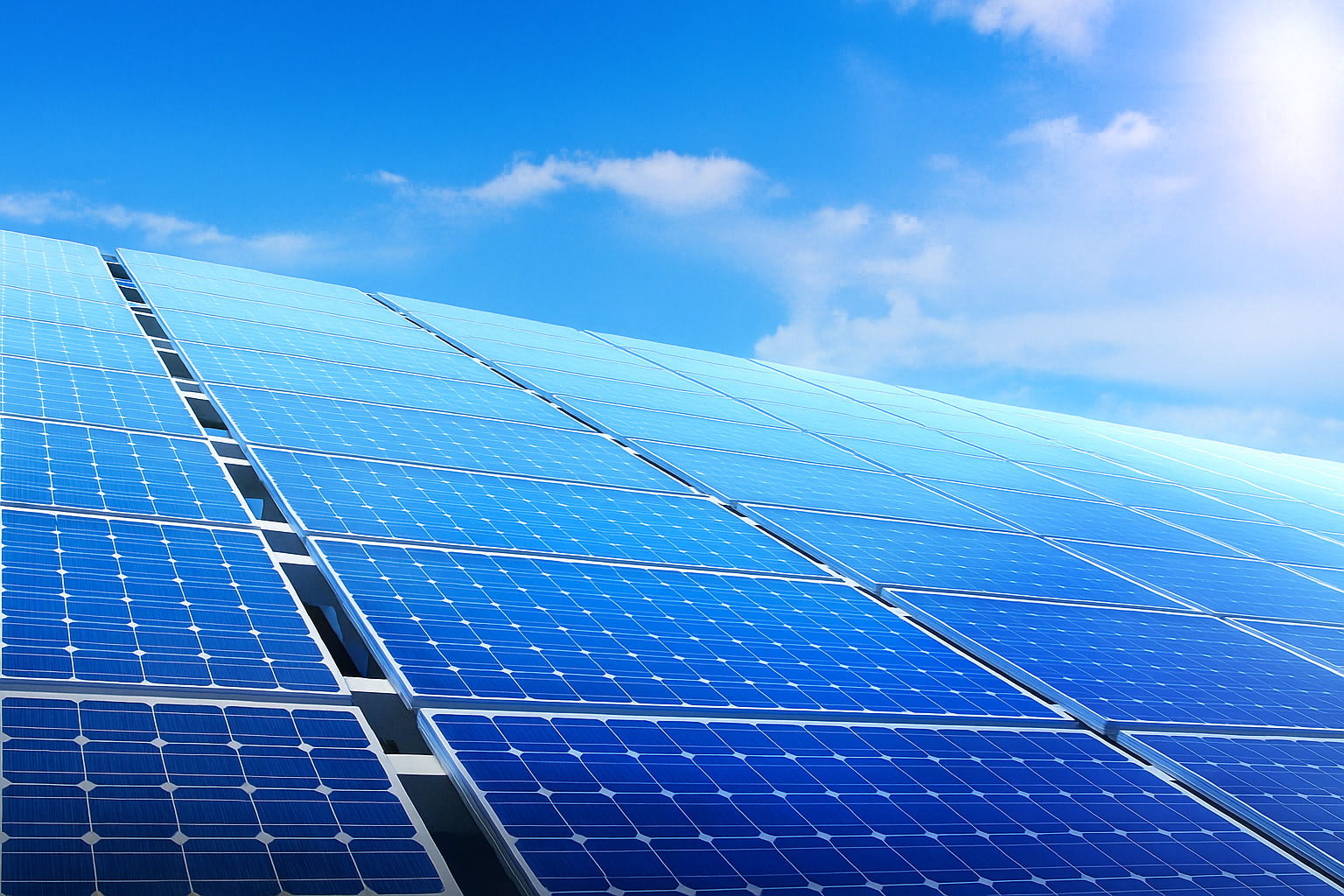
Discover How Solar Energy in Alagoas Receives R$ 54 Million to Expand Clean and Sustainable Generation in the State.
In recent years, solar energy in Alagoas has gained prominence as an efficient and sustainable alternative to meet the growing energy demand in the state.
Moreover, the advancement of this sector reflects not only the technological evolution but also the commitment of financial institutions and the government to encourage clean energy sources that can reduce environmental impacts and strengthen the local economy.
Recently, the Banco do Nordeste (BNB) financed R$ 54 million for projects to implement solar photovoltaic energy generation systems in Alagoas. Thus, the state consolidates itself as a promising hub for this technology.
-
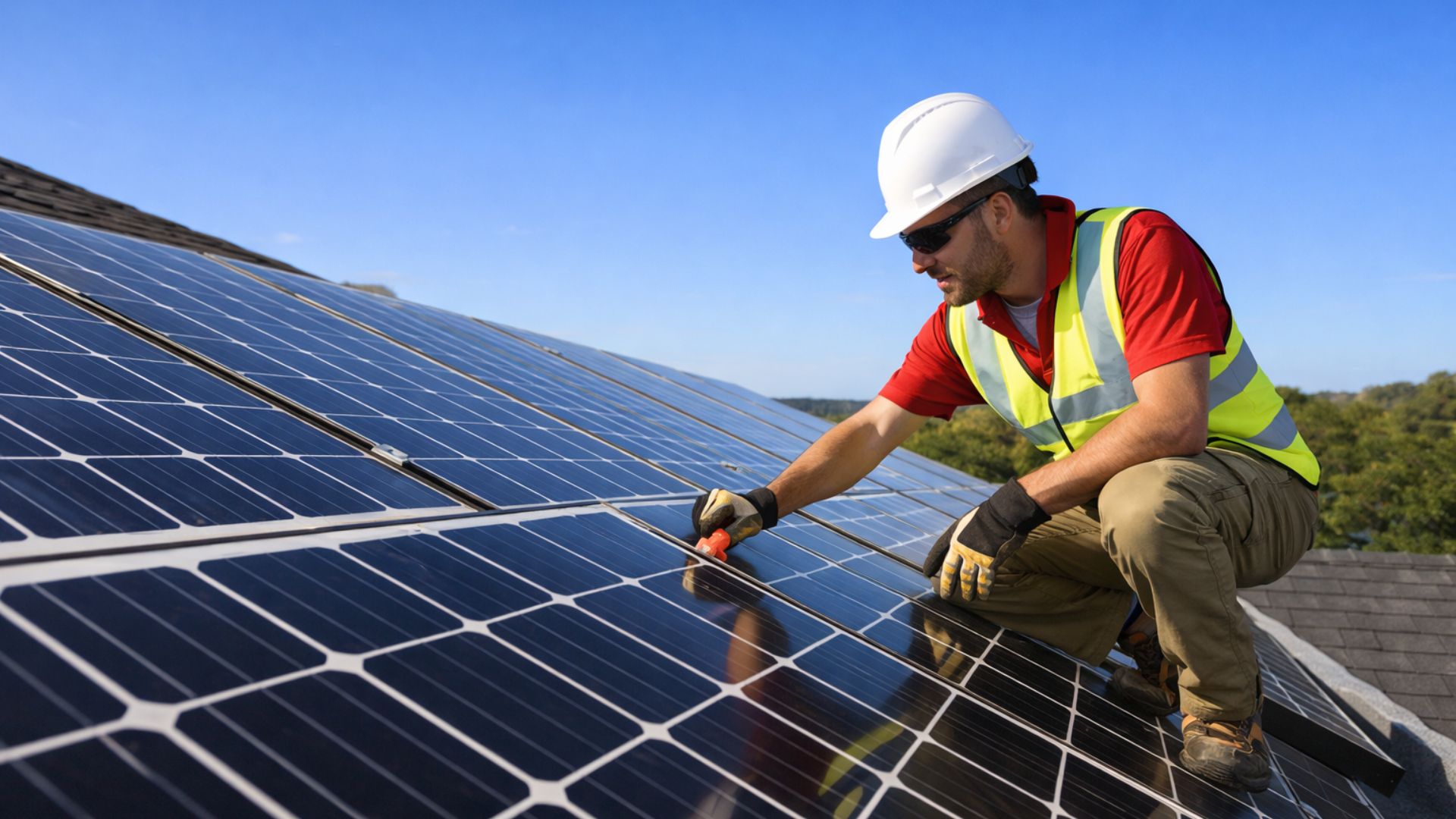
Seagri’s headquarters invests in solar energy with Neoenergia Coelba and promises to cut electricity costs, highlighting a strategic advance in sustainability and energy efficiency within state public administration.
-
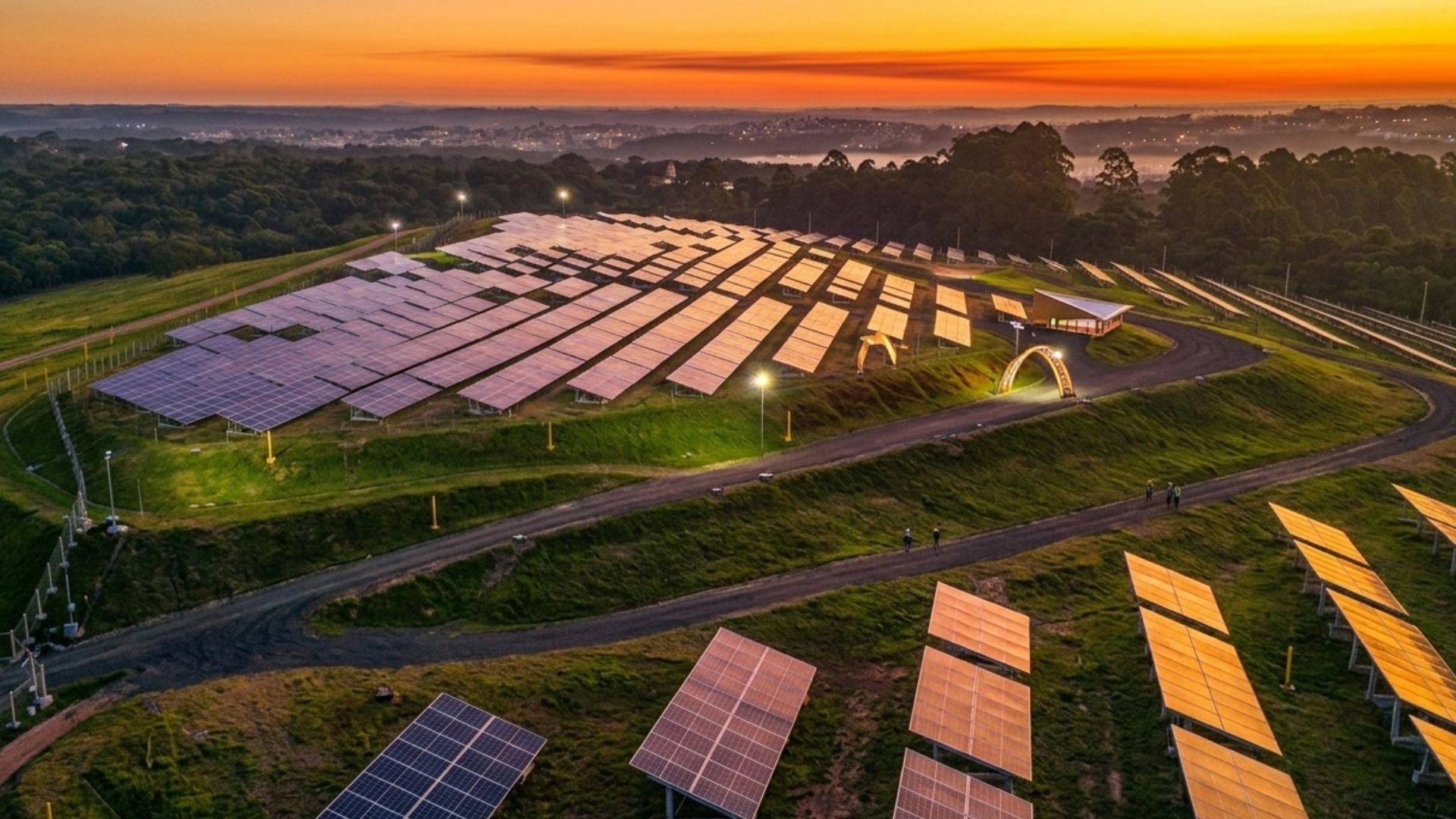
Solar Pyramid draws attention by converting solar energy into million-dollar savings and repositioning the City Hall of Curitiba as an example of innovation, sustainability, and intelligent use of public resources.
-
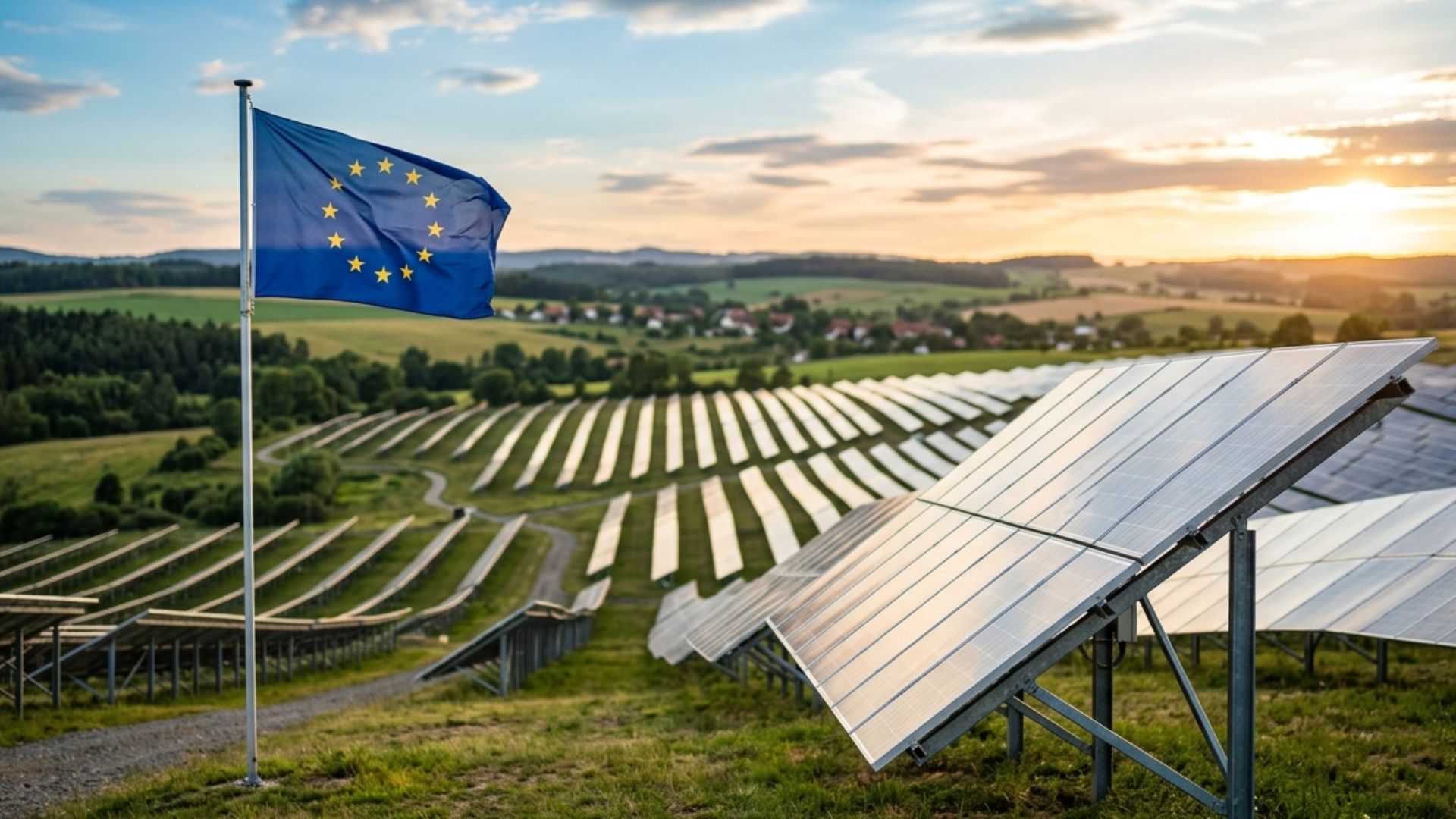
Europe records strong euro economy with solar energy in March and sparks curiosity about which country leads growth that redefines the energy market and reduces costs.
-
Piauí reaches a historic milestone in energy transition: State records nearly 160,000 households powered by solar energy and leads growth in the Northeast.
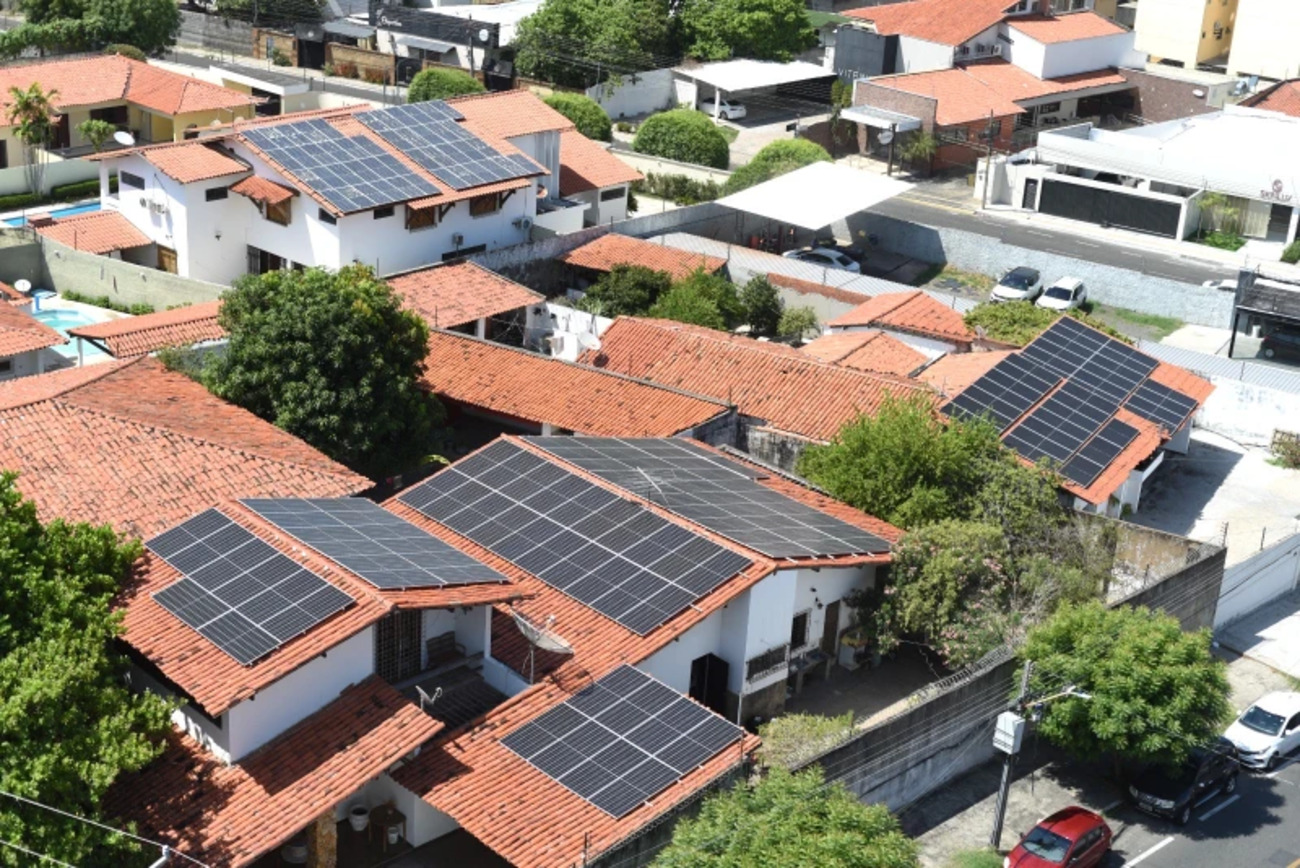
Historically, solar energy in Brazil dates back to the 1980s when the first photovoltaic systems began to emerge in isolated areas, mainly in the Northeast.
In these regions, the difficulty of accessing traditional electricity led to the search for sustainable alternatives.
Over time, public policies and financial incentives allowed more individuals and legal entities to invest in solar energy generation systems. Therefore, in Alagoas, this trajectory accompanied the economic growth and the modernization of the energy sector.
Furthermore, the Brazilian Northeast has one of the largest solar potentials in the country, making Alagoas strategic for investments in this sector.
The abundance of solar radiation and the favorable topography facilitate the installation of solar panels in both urban and rural areas.
BNB Investments and Financing
The financing of R$ 54 million by BNB over the past two years demonstrates the bank’s commitment to the development of solar energy in Alagoas.
However, the survey considered only the investments aimed at the isolated acquisition of photovoltaic systems. It does not include projects integrated into the Nationwide Interconnected System (SIN), which may encompass other types of renewable energy and complementary investments.
According to Sidinei Reis, BNB’s state superintendent in Alagoas, credit allocated to photovoltaic energy increases even more when projects include integrated components that enhance sustainable energy generation.
Additionally, solar energy goes beyond electricity for personal consumption.
For example, BNB also finances solar energy plant projects aimed at leasing to individuals or companies. This encourages the creation of a diversified and accessible energy market.
Consequently, this movement strengthens the local economy, creates jobs, and reduces the dependence on fossil energy sources.
This aligns Alagoas with global sustainability trends.
Furthermore, the expansion of solar energy helps to decentralize energy generation. That is, photovoltaic systems installed in homes and businesses relieve pressure on the electrical grid and help prevent overloads and blackouts.
Thus, greater energy security is ensured.
Credit Lines and Beneficiary Public
The financial contribution from the bank has served different profiles of beneficiaries.
Of the R$ 54 million, approximately R$ 11.5 million was allocated to individuals interested in installing solar energy systems in their homes.
For this public, BNB offers the FNE Sol Individual Credit Line, with resources from the Constitutional Fund for Financing the Northeast (FNE).
Thus, this modality allows the installment amount to be below the cost of the electricity bill, making the investment more accessible.
Moreover, once the operation is settled, beneficiaries virtually eliminate this expense. This happens because the energy generated by the residential system offsets electricity consumption from the utility grid.
For legal entities, the financing totaled R$ 42.6 million, mainly allocated to companies in commerce, tourism, and rural enterprises.
Therefore, these resources allowed for the isolated acquisition of photovoltaic systems, ensuring greater energy autonomy and reduction of operational costs.
Additionally, companies adopting solar energy can also benefit from tax incentives and additional credit policies. This makes investments even more attractive.
This way, investor interest increases and the local economy is strengthened, creating a positive cycle of sustainable growth.
Diversification and Impact of Solar Energy
Resources from FNE Sol can finance various types of micro and mini energy generation systems, including photovoltaic, wind, biomass, or small hydropower plants (PCH).
Thus, this flexibility allows Alagoas to develop a diversified energy matrix.
It leverages the natural potential of the state, such as the abundant solar radiation and the presence of rural areas suitable for photovoltaic parks.
Historically, Alagoas faced challenges related to energy generation, especially in rural and isolated areas.
As a result, the scarcity of electricity hindered economic development and limited access to basic services, such as health, education, and communication.
Therefore, the introduction of solar energy systems brought significant changes.
Communities previously dependent on generators or expensive power lines gained access to clean and reliable energy.
In addition, solar energy projects in rural areas encourage sustainable agriculture.
For example, producers can use photovoltaic systems for irrigation and food processing, reducing costs and increasing productivity.
Economic, Social, and Environmental Benefits
Besides the social impact, the expansion of solar energy in Alagoas has environmental relevance.
That is, the reduction in the use of fossil fuels decreases greenhouse gas emissions.
This aligns the state with Brazil’s sustainability goals and international commitments to combat climate change.
The development of solar energy in Alagoas also stimulates technological innovation and professional training.
For instance, the installation, operation, and maintenance of photovoltaic systems require specialized technical knowledge.
This encourages the training of qualified professionals in the state.
Another economic benefit of solar energy is the reduction of costs.
Thus, companies adopting photovoltaic systems decrease electricity expenses, increasing competitiveness and profit margins.
Additionally, for households, the savings on electricity bills improve quality of life and free up resources for other necessities.
Consequently, investment in solar energy translates into tangible and long-term financial benefits, reinforcing the social and environmental sustainability of the state.
Furthermore, the presence of solar energy projects attracts academic partnerships and technological research.
This stimulates universities and innovation centers to develop new solutions and improvements for the local energy sector.
Alagoas as a Model for Renewable Energy
The trajectory of solar energy in Alagoas shows that the sector is not just an energy alternative but also a strategy for economic, social, and environmental development.
The financing of R$ 54 million by BNB reflects the maturity of the market and the trust of financial institutions in the potential of photovoltaic energy.
Thus, by supporting both individuals and legal entities, the bank contributes to democratizing access to clean energy.
In this way, Alagoas consolidates itself as a regional reference in the use of sustainable technologies.
In summary, the expansion of solar energy in Alagoas represents a significant milestone in the state’s energy history.
Therefore, the investment from the Banco do Nordeste strengthens photovoltaic energy generation, encourages innovation, professional training, and sustainable economic development.
With public policies, adequate financing, and environmental awareness, Alagoas can become a successful model in implementing renewable energies.
This ensures social, economic, and environmental benefits for the entire population.










Seja o primeiro a reagir!