





 Portuguese
  English
  Spanish
  2 min of reading
  0 comments



Conditions That Expand Consumption Retraction
The Generation Z, marked by prolonged family dependence and a restricted job market in 2025, has become one of the main factors for the decline in consumption in the United States, according to a report released by Oxford Economics. The study states that, since 2022, the slowdown in hiring has reduced the rate to 3.2% in 2025, and therefore, this group has begun to face more barriers to starting their professional lives. Additionally, Oxford reveals that the combination of high housing costs, limited wage growth, and low mobility creates “long-term scars” among young people who still have no chance to accumulate wealth. As a consequence of this scenario, the research estimates that US$ 12 billion per year is not circulating because many young people continue to live with their parents, which reduces essential expenditures such as rent, food, and transportation, intensifying the loss of economic activity in 2025.
Retracting Job Market and Growing Vulnerability
According to economist Grace Zwemmer from Oxford Economics, “young workers are more vulnerable to recessions”. Furthermore, she states that the lack of professional mobility hinders wage advancement during the most productive ages. Data shows that young people between 16 and 19 years old register 14% unemployment, while the range of 19 to 24 years shows around 9%, against a national average of 4%. The specialist also explains that upward mobility, historically strong in the early career stages, has stagnated in the current economic cycle. Thus, even those who manage to get a job find it difficult to switch companies and increase their income.
ARTICLE CONTINUES BELOWSee also
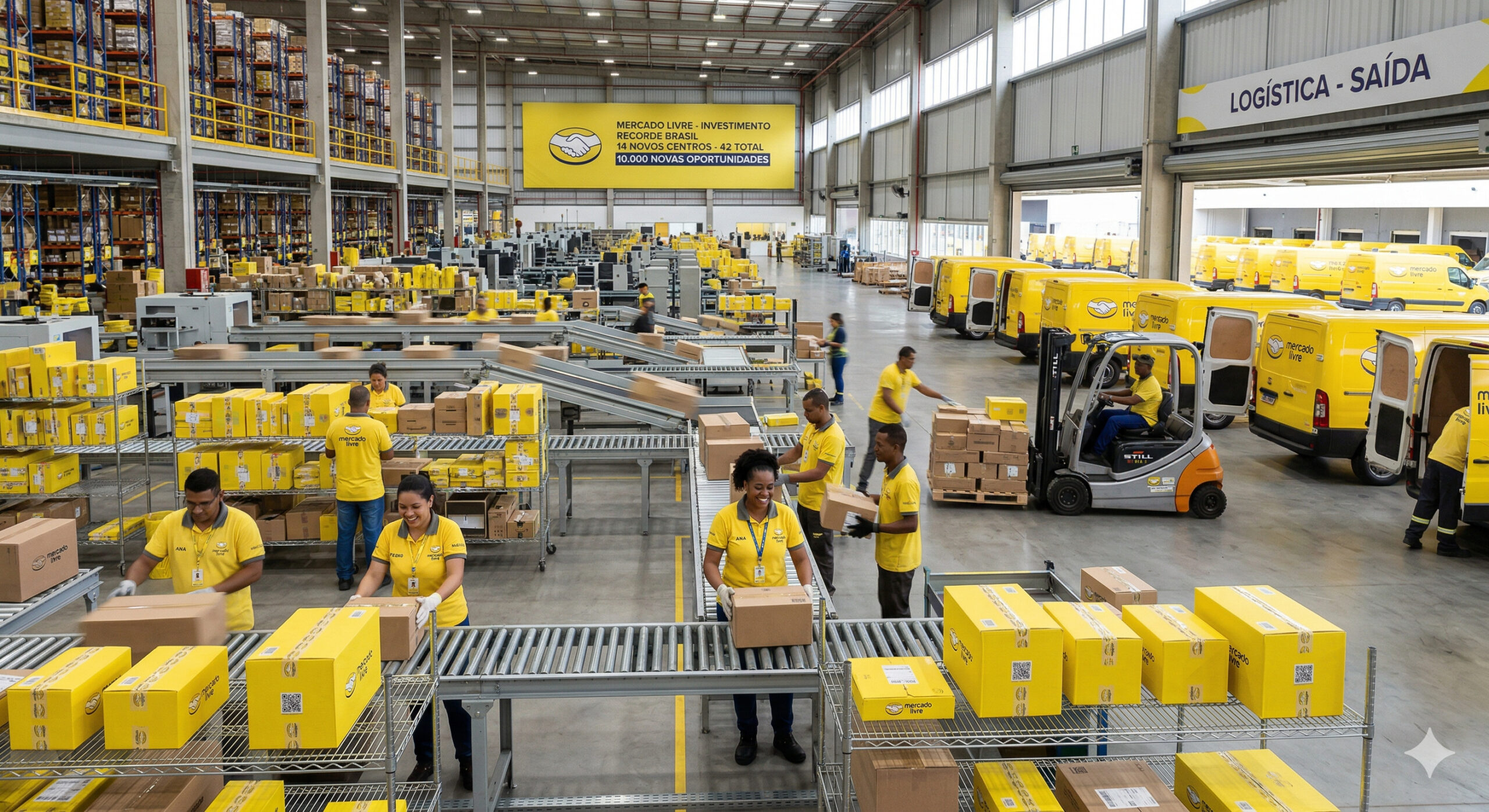
Mercado Livre “opens the vault” and announces a record investment of R$ 57 billion in Brazil in 2026, a value 50% higher than the previous year, with an expansion plan that includes 14 new logistics centers, totaling 42 units in the country and hiring an additional 10,000 employees.
How investment in technology can revolutionize the national economy and enhance industrial gains, according to a study that highlights the direct impact on productivity, innovation, and wealth retention within Brazil.

The largest food company on the planet, JBS, has just opened a 4,000 square meter laboratory in Florianópolis to develop customized proteins that modulate muscle mass gain, immune response, and metabolic performance.

After nearly 30 bids and competition among industry giants, a Spanish company purchases one of the largest airports in Brazil for almost R$ 3 billion and takes over the management of Galeão in a concession that will last until 2039.

Young People Stay Longer at Parents’ Home
According to the study, there are 1 million more young people between 22 and 28 years living with their parents in 2025 compared to the pre-pandemic period. Furthermore, the Federal Reserve of New York confirms that this trend reduces consumption by around US$ 12 billion annually, reinforcing the financial impact on the economy. Oxford compares this behavior to that observed among millennials during the Great Recession, when the percentage of young people living with their parents rose from 27% to 32%. Nonetheless, Oxford reports that 55% of millennials own homes in 2025, despite high interest rates and record prices.
Evolution of Economic Behavior and Perception of the Future
Oxford states that the negative perception of work conditions in 2025 makes Generation Z more cautious with any type of spending. Additionally, the report concludes that the difficulty of accumulating wealth prevents this group from advancing financially and, therefore, leads to widespread pessimism about economic independence.










-

Uma pessoa reagiu a isso.