





 Portuguese
  English
  Spanish
 2 min of reading


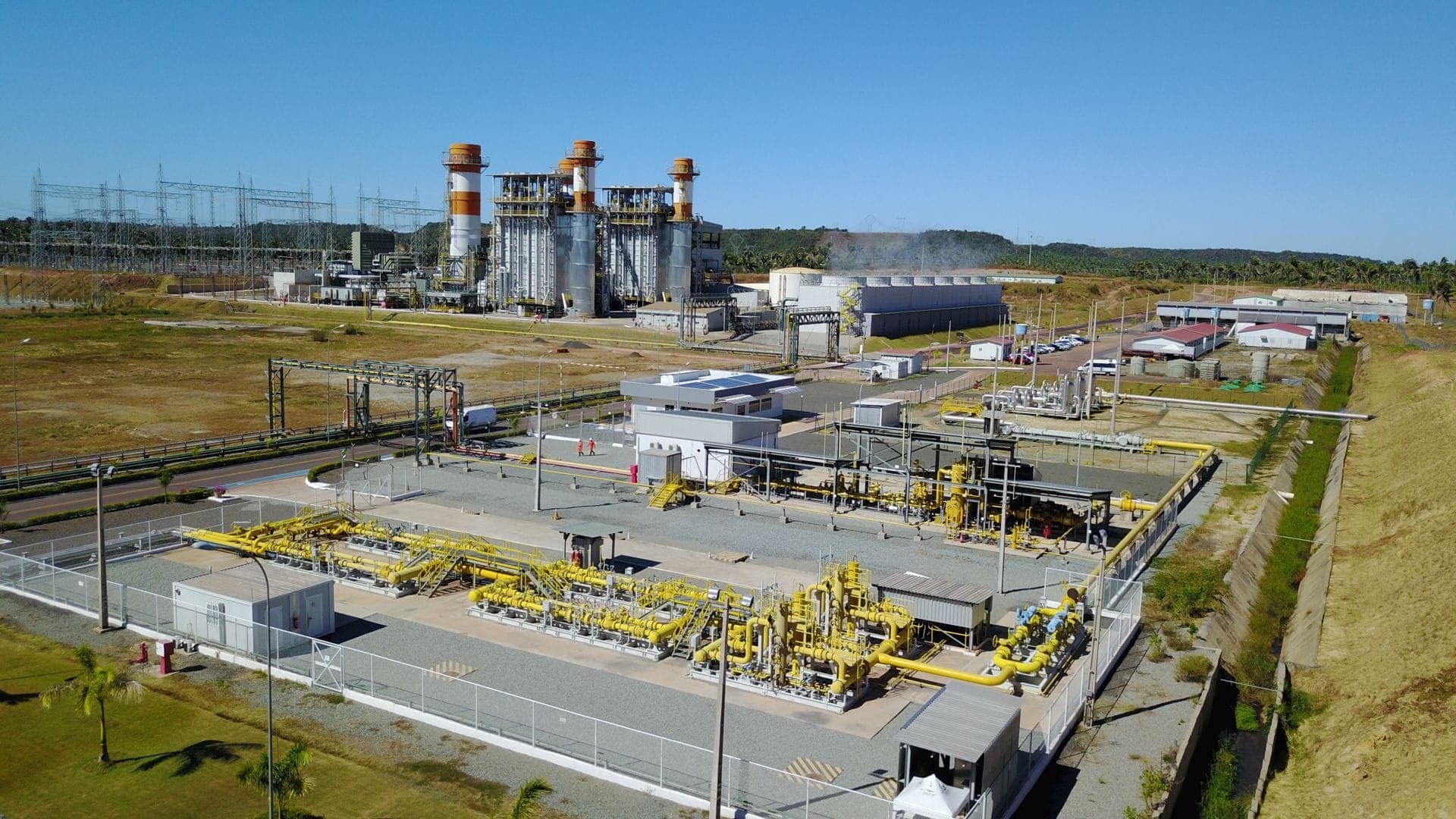
Eneva Continues Work on the Thermoelectric Plant That Will Cost R$ 1.9 Billion and Supply Roraima with Natural Gas Produced in Amazonas
Generators and turbines, along with other large equipment, have been delivered to UTE Jaguatirica II, a thermoelectric plant being built by Eneva. R$ 1.9 billion has been invested in the project, which will produce natural gas in the Amazonas Basin and will supply the UTE and the state of Roraima. The UTE is part of the integrated Azulão-Jaguatirica II project, winner of the 2019 auction by the National Electric Energy Agency.
Also See Other News:
- Coruripe Mill, Leader in Sugar, Ethanol, and Electricity Production, Hires Driver, Welder, Lathe Operator, Mechanic, and More
- Federal Government Measure Enables Exploration and Resumption of Angra 3 Nuclear Plant Construction by the Private Sector
- Mechanics, Operators, Assistants, Technicians, and More Professionals Are Needed for Job Vacancies in Minas Gerais, São Paulo, and Santa Catarina
The foundation works for the main equipment are already completed, and civil construction continues, with the construction of the electrical building, maintenance workshop building, and administrative sector, as well as the drainage and assembly of water storage tanks.
In addition to the three generators and three turbines, there are already 168 ISO tanks at the thermoelectric plant, which will be used to store liquefied natural gas. Boilers and parts of the air condenser are also expected to arrive at the UTE in September, completing the main equipment in this phase of construction.
-
With 74% of companies facing difficulties in hiring, technicians and engineers in renewable energy are becoming scarce in Brazil and are essential to support the expansion of solar, wind, and green hydrogen projects.

-
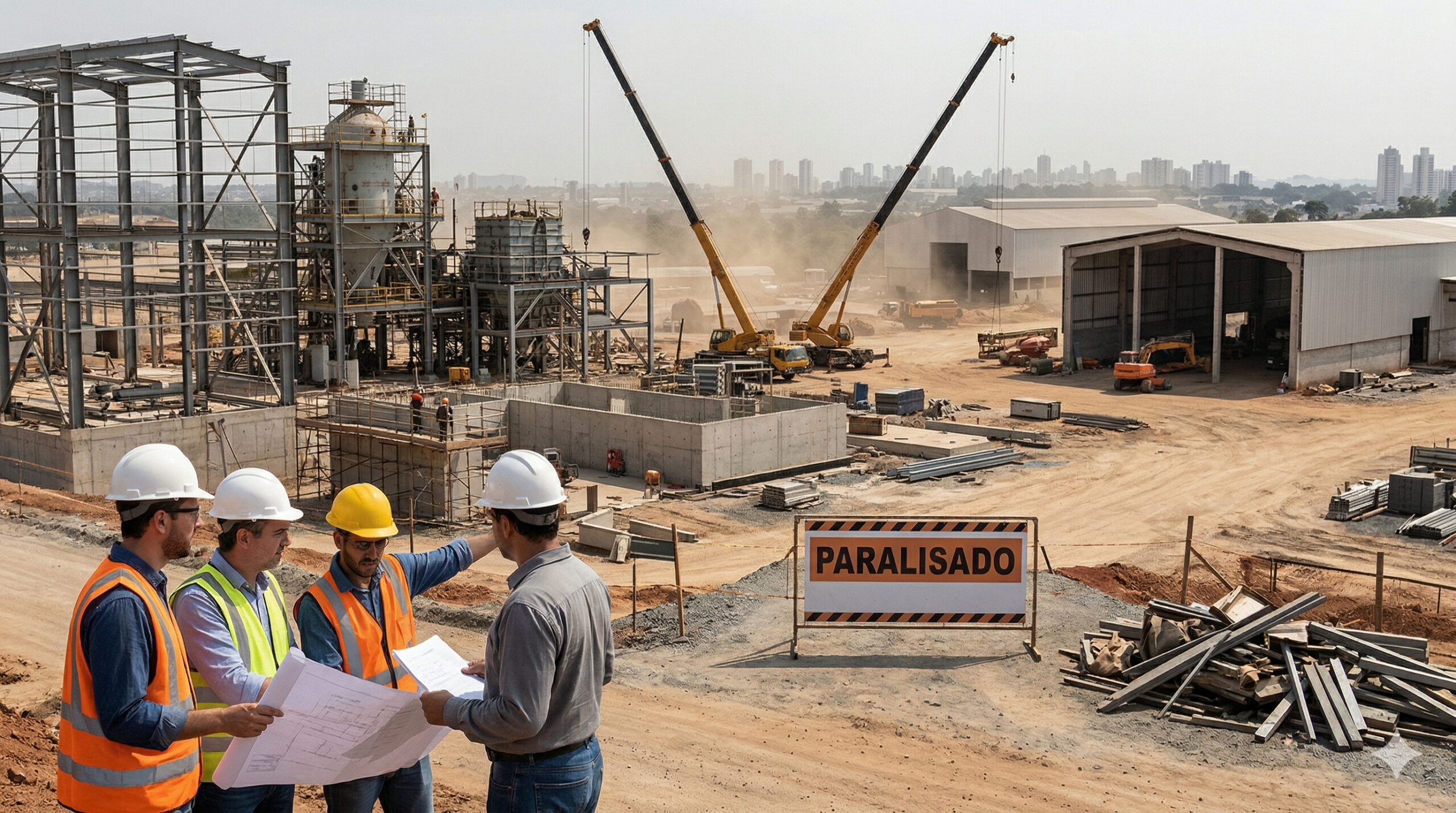
The lack of welders, electricians, and operators becomes a structural threat in 2025, with the construction industry and manufacturing already suffering from delays, cost pressures, and labor shortages in Brazil.
-
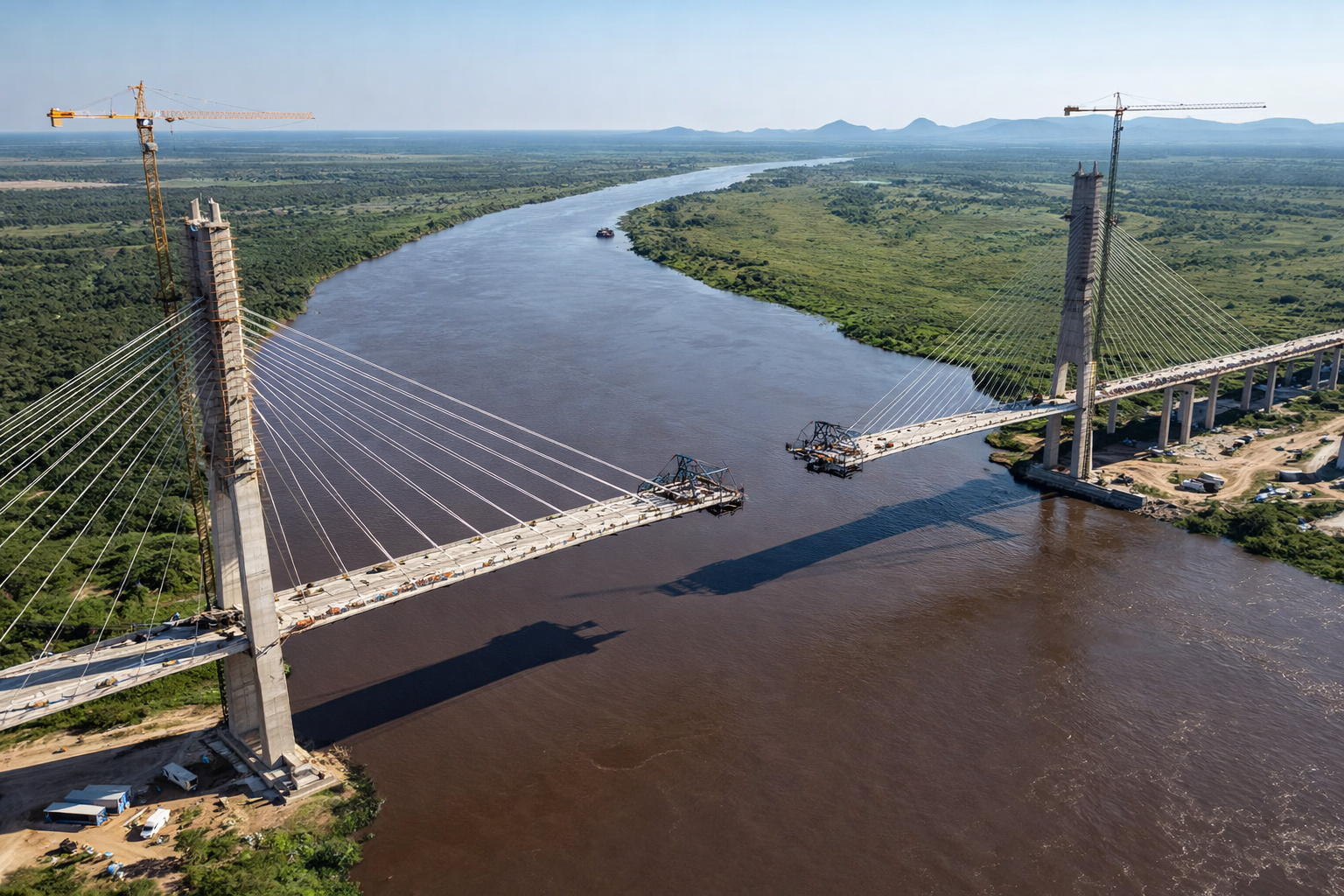
Brazil and Paraguay are just 46 meters away from a historic union on the bioceanic bridge that promises to revolutionize trade between the Atlantic and the Pacific.
-
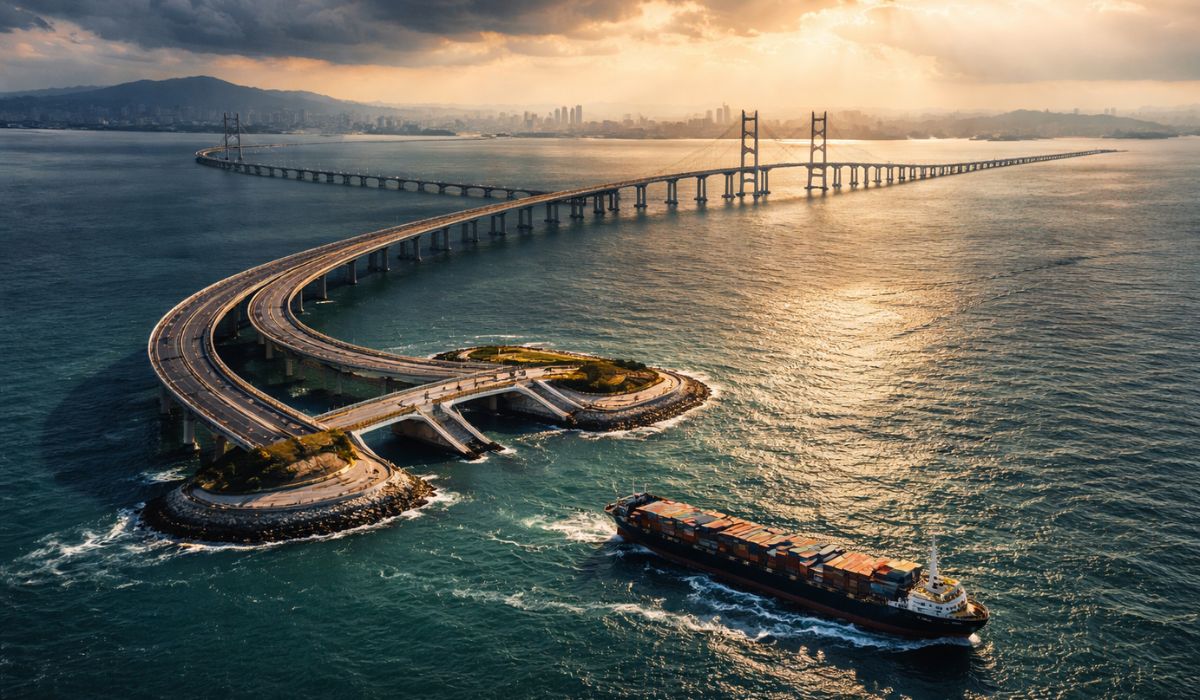
With 55 km over the sea, a cost of US$ 20 billion, and enough steel to build 60 Eiffel Towers, China’s largest project has connected Hong Kong, Zhuhai, and Macau in a colossal bridge that defies the logic of engineering.

About 880 workers are currently on the construction site, and the forecast is to have 1,200 employees at the peak of construction. According to Lino Cançado, Operations Director of Eneva, the construction is following the implementation of a Covid-19 prevention protocol, appropriate to the severity of the pandemic in each region, considering the recommendations of national and international health authorities. Among various measures adopted, continuous testing was conducted to ensure that only fit employees work on the construction sites.
The thermoelectric plant, which is expected to start operations in the second half of 2021, will meet 70% of the electricity consumption in the state, which will allow for the shutdown of diesel generation capacity, resulting in lower generation costs and emissions.
Reduction of CO2 and NOx Emissions
What is expected is a 35% reduction in CO2 emissions in Roraima, which represents 180,000 tons/year less CO2 released into the atmosphere. NOx emissions will be reduced by 99%. A decrease in generation costs for the Isolated System of Roraima is also anticipated, the only state outside the country’s integrated electric system.







Seja o primeiro a reagir!