





 Portuguese
  English
  Spanish
  4 min of reading
  0 comments


Sustainable Revolution: Steel Giant and Petrobras Join Forces to Transform Brazil with New Businesses Focused on Steel Production and Low-Carbon Fuels and Hydrogen
Petrobras and Gerdau, the largest steel producer in Brazil, have just signed a Memorandum of Understanding (MoU) aimed at exploring new business opportunities focused on diversifying and decarbonizing their operations.
This strategic partnership could have a significant impact not just for the companies involved, but also for Brazil’s future in the global sustainability and clean energy landscape.
The agreement, announced recently, seeks to develop solutions in the field of low-carbon fuels and hydrogen, as well as to explore CO2 capture, transport, and storage projects (CCS). These initiatives are aligned with the environmental challenges of the 21st century, being fundamental for the global energy transition and the pursuit of more sustainable business models. Maurício Tolmasquim, Director of Energy Transition and Sustainability at Petrobras, emphasizes the importance of the partnership by stating that the goal is “to meet environmental challenges with sustainable solutions”, adding value to Petrobras’s diversification strategy.
-
Historic bankruptcy of Centauro shocks the market, and the century-old company puts more than 500,000 products, machines, and complete infrastructure up for online auction.

-
New shoe factory in Ceará is expected to create 400 jobs and strengthen the local economy.
-
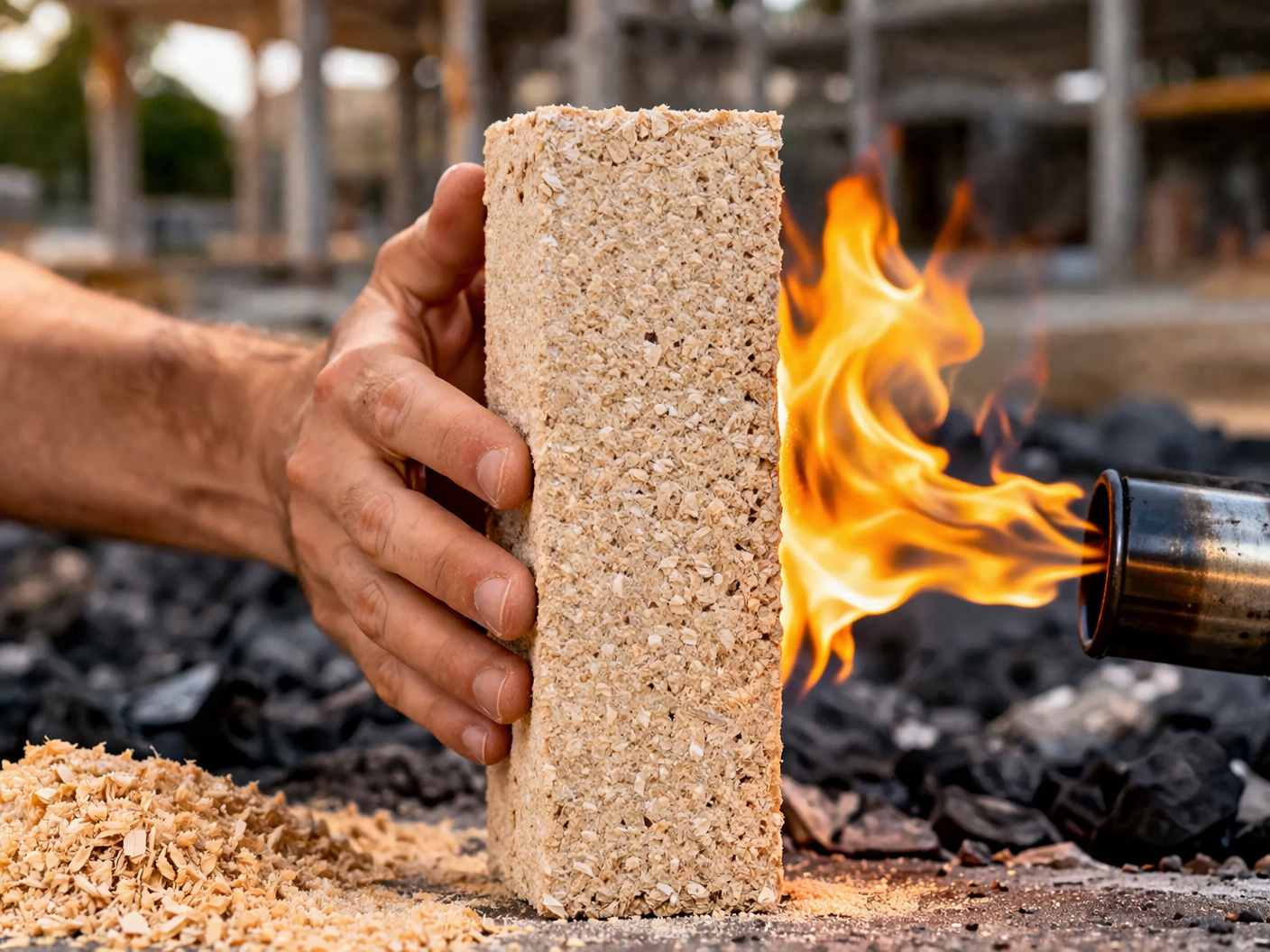
No one imagined it, but a mixture of sawdust with a mineral that fights fires surprises scientists with a result that changes the course of fire-resistant construction.
-
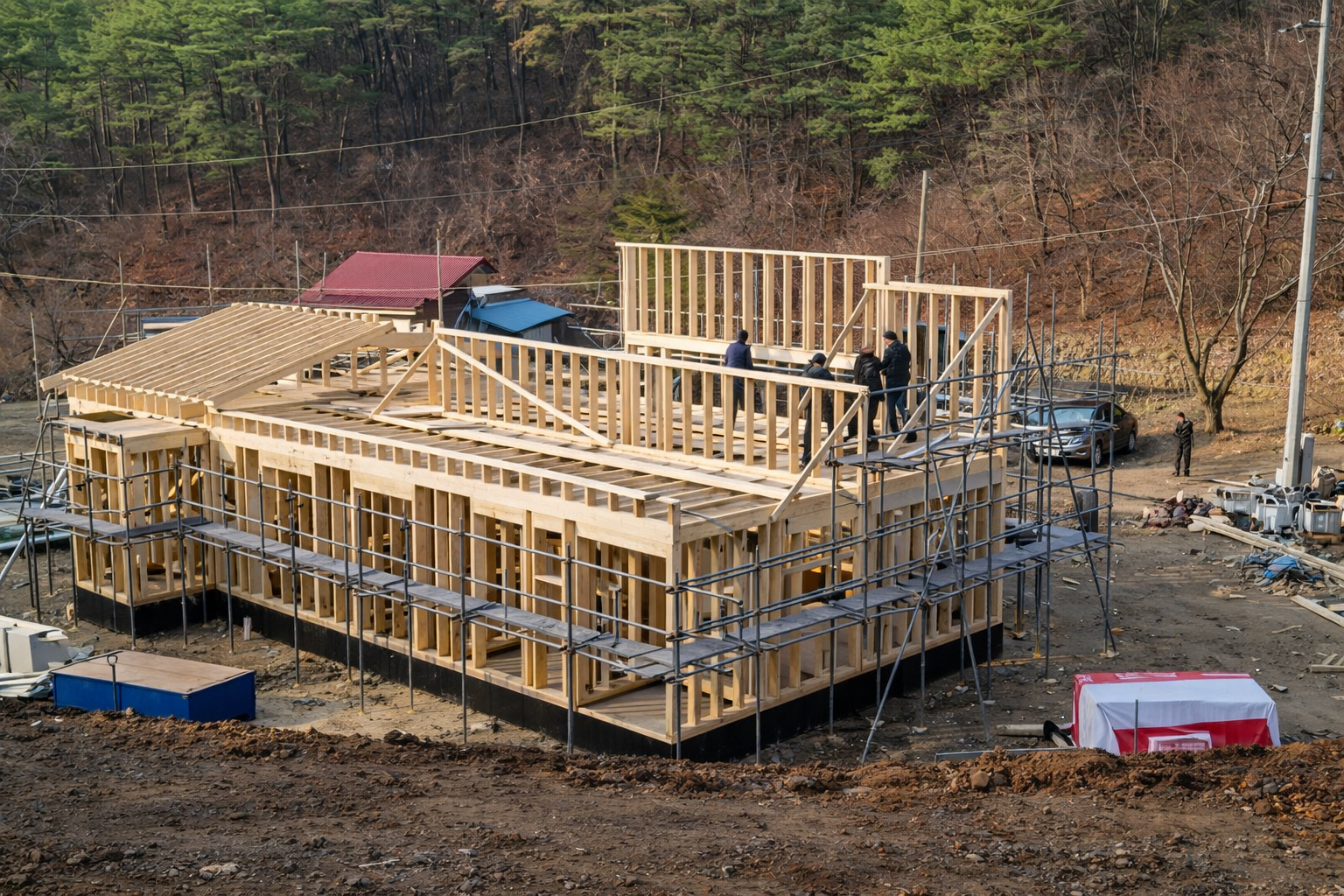
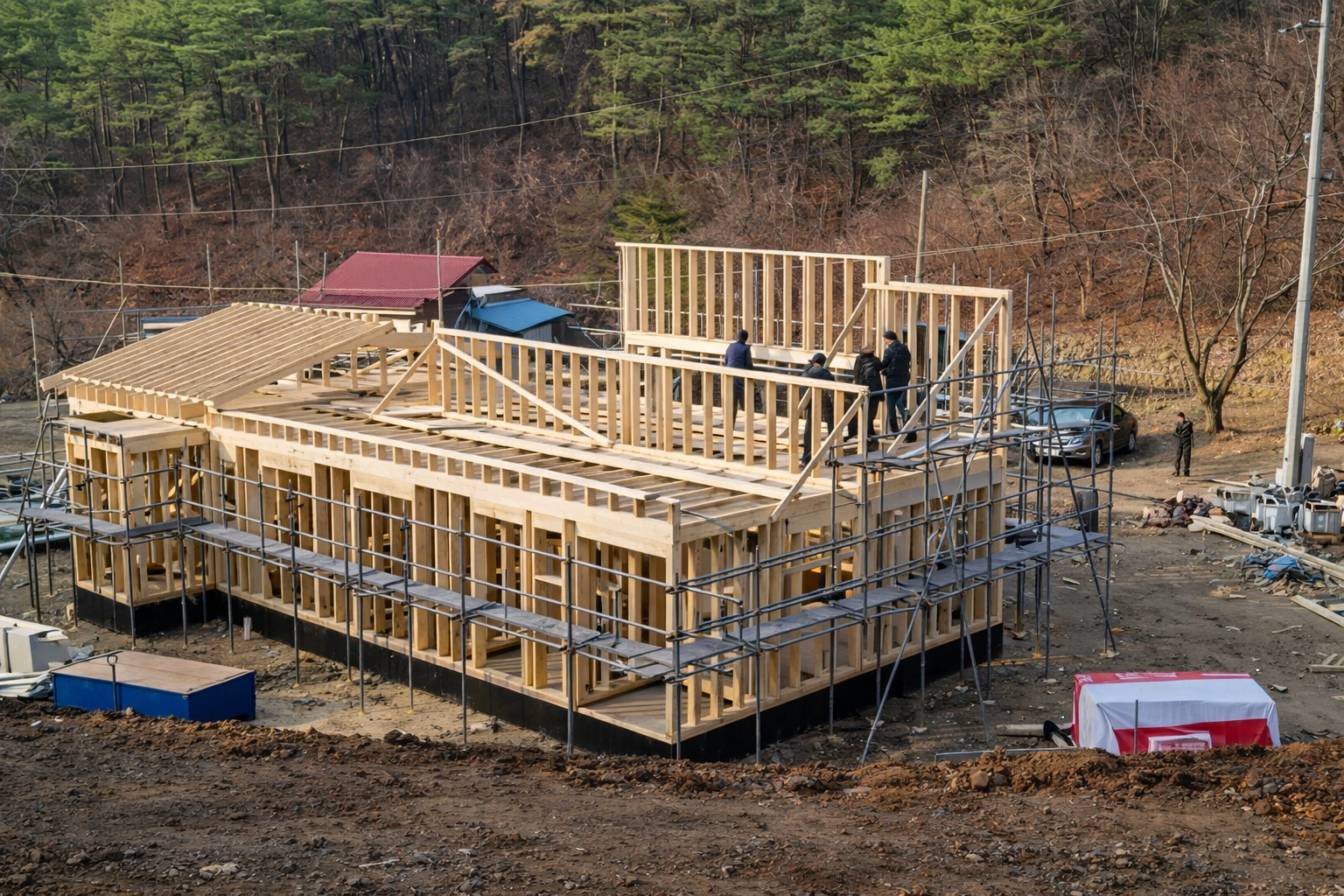
From empty land to a high-end house, wooden construction uses a lightweight system, metal structure for the foundation, ventilated ceramic cladding, and special windows to create an efficient and comfortable living space throughout the year.

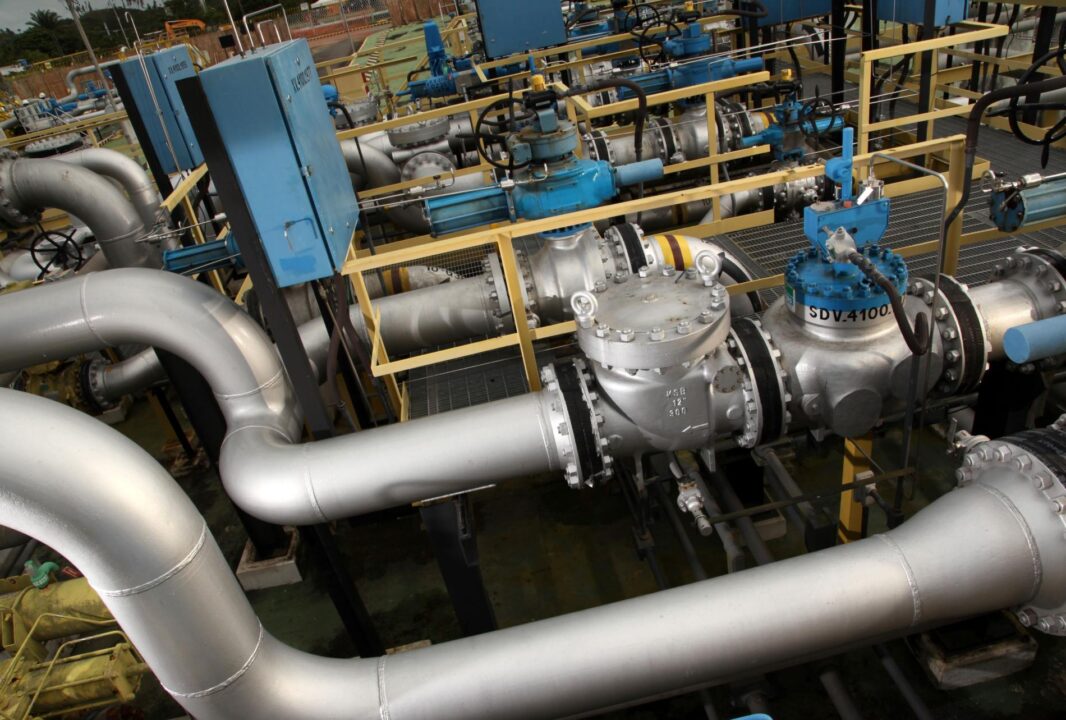
Sustainability at the Largest Steel Producer in Brazil
Gerdau, Brazil’s largest steel producer and the largest recycler of scrap metal in Latin America, already stands out globally for its sustainable production. The company has one of the lowest greenhouse gas emissions intensities in the steel industry, resulting from a production matrix based on scrap recycling and the use of bio-reducing agents, such as charcoal, in its processes.
According to Flávia Souza, Global Director of Energy and Supplies at Gerdau, the company is committed to further reducing its greenhouse gas emissions. Currently, Gerdau’s emissions intensity is 0.91 tons of CO₂ equivalent per ton of steel, and the goal is to reduce this number to 0.82 tons by 2031. “At 123 years of history, Gerdau is committed to being part of the solutions to society’s challenges and dilemmas,” says Flávia. For the director, partnerships like the one established with Petrobras are essential for the development of technologies that promote the decarbonization of the steel industry.
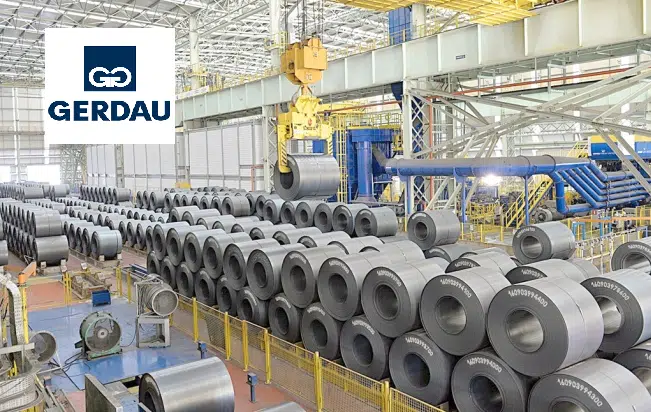
Direct Reduction: A New Path for Steel
One of the main highlights of the agreement is the focus on steel production through “direct reduction,” an alternative to the conventional model that uses natural gas instead of coal. This method is not only more sustainable but also aligns with Gerdau’s emissions reduction targets and the global demands for cleaner steel production.
The steel produced through direct reduction is a viable solution for reducing the carbon footprint of the steel industry, as the use of natural gas in the process significantly lowers CO2 emissions compared to coal. This project is also an opportunity for Brazil to establish itself as an important player in the global energy transition, especially with the development of new hydrogen technologies, considered a key fuel in decarbonization.
Future Perspectives
In addition to advances in the steel sector, the partnership between Petrobras and Gerdau paves the way for other sustainable initiatives, including the development of low-carbon fuels and R&D projects focused on material integrity in marine environments. These initiatives are vital for the modernization and competitiveness of companies in the global landscape and also reflect a commitment to the energy transition.
The use of hydrogen, in particular, is one of the major bets of the partnership. This element has the potential to become one of the main sources of clean energy in the future, especially in the context of industrial production. Brazil, with its vast natural resources and the expertise of its companies, can play a crucial role in this scenario.
With this agreement, Petrobras and Gerdau demonstrate a clear intention to lead the way towards a low-carbon future, investing in technologies that promise to transform the energy and steel sectors. As the world becomes more aware of the need for sustainable solutions, these two Brazilian giants are positioned to be pioneers in the transition to a green economy.
The collaboration between these two globally renowned companies is more than just a business partnership; it is an initiative that could shape the future of sustainability in Brazil, placing the country in a prominent position on the global stage.








Seja o primeiro a reagir!