





 Portuguese
  English
  Spanish
  3 min of reading
  0 comments


A Complex Dilemma for Power Generators in Brazil
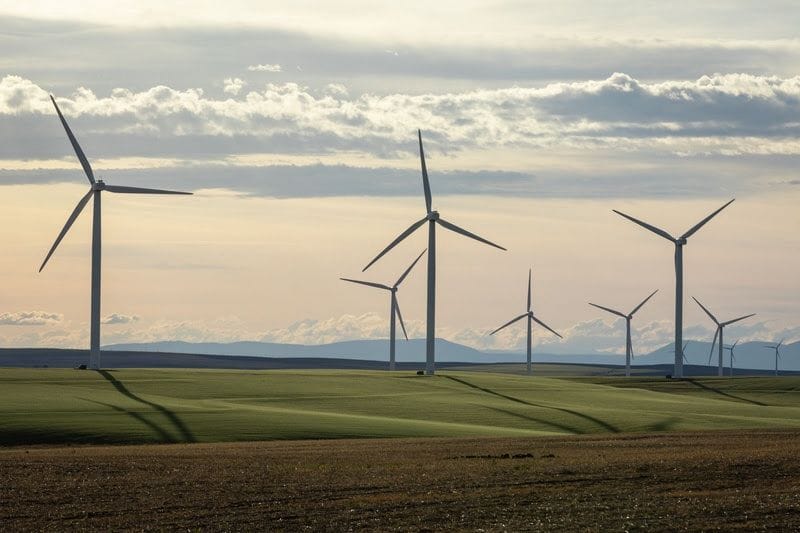
In the current scenario of the Brazilian Electric Sector, defined since 2004, the expansion of onshore wind energy has become a milestone, with the segment surpassing 25GW of installed capacity. After two decades of reforms and growth, generators now face the challenge of deciding on the best approach for the Operation and Maintenance (O&M) management of wind farms, especially as the turbines exit the manufacturer’s warranty.
AQTech and TWPL experts emphasize that the choice between in-house or outsourcing O&M management does not have a single answer. This decision, which affects high-value assets, should be based on careful planning, technical and financial analyses, initiated at least a year and a half in advance. Such preparation encompasses several steps, from financial provisions to team formation and logistical structuring.
The Moment of Decision: In-House or Outsource
Thiago Kleis from AQTech points out that the question of in-house or outsource arises as wind turbines begin to exit the manufacturers’ warranty. Companies must then choose between continuing with the O&M provided by the manufacturer, opting for an Independent Service Provider (ISP), or taking O&M management in-house.
-
Brazil raises alarm to avoid blackout: the country may need 3 Itaipus and is already wasting up to 5,135 MW of energy on days of excess solar.

-
Renewable energy advances over protected areas in Brazil, and a survey by the Energy Transition Observatory reveals silent impacts that challenge environmental conservation and pressure sensitive traditional territories.

-
Rio Grande do Sul accelerates energy transition: State invests in renewable technologies and consolidates decarbonization strategies and pathways to attract billions in new industrial investments.

-
With 160,000 m² of collectors, an area larger than 20 football fields, Silkeborg, in Denmark, hosts a solar thermal plant that heats 19,500 homes and could become the largest solar heating plant in the world.


The decision can also lead to mixed models, which combine outsourcing specific maintenance with in-house management of large components. Kleis emphasizes the challenges, including the need for capital, technical expertise, and technology to analyze asset performance. When the service is outsourced, access to data may be limited, making it difficult to gain an overall view of the condition of the turbines.
In-House Management as a Strategic Solution
In-house management requires investment in dedicated internal infrastructure and a team of specialists. This approach allows for closer monitoring of the machines, with data collection and analysis regarding their operation. An example is AQTech’s Condition Analysis Center (CAC), which provides real-time monitoring, assisting generators in transitioning to in-house management by early detecting any failures.
Selecting suppliers for replacement parts is crucial to avoid prolonged downtime, which can incur high costs. Therefore, in-house management stands out for offering long-term savings, greater effectiveness, efficiency, and transparency in the management of wind farms.
The Strategic Role of TWPL and Economic Advantages
TWPL, with its global expertise in asset management, highlights that the trend toward in-house maintenance of wind farms reflects greater control over the assets and can generate significant value for the business. According to Renato Bossolan from TWPL Brazil, while manufacturer maintenance may initially seem advantageous, a detailed analysis shows that in-house management can significantly reduce costs over the years.
For a successful in-house management strategy, it is vital to establish effective maintenance plans, correctly size the teams and inventory of parts, and develop an efficient supply chain. Effective management of the maintenance plan and risk sizing, aided by predictive software and technologies, are fundamental.
Although the savings generated by in-house management vary across operations, the market indicates a potential savings range of 15% to 30% on O&M costs. Furthermore, optimizing asset management can lead to significant gains, as shown in successful cases where TWPL consultancies resulted in million-dollar savings and drastic reductions in turbine downtime.
In this scenario, energy generators must carefully weigh the options between in-house and outsourcing, considering the particularities of each wind farm and the long-term benefits of each strategy to optimize the management of their valuable assets.
Source: Luan Martendal, Agência Dialetto – Advisory of AQTech Power Prognostics.









Seja o primeiro a reagir!