





 Portuguese
  English
  Spanish
  2 min of reading
  0 comments


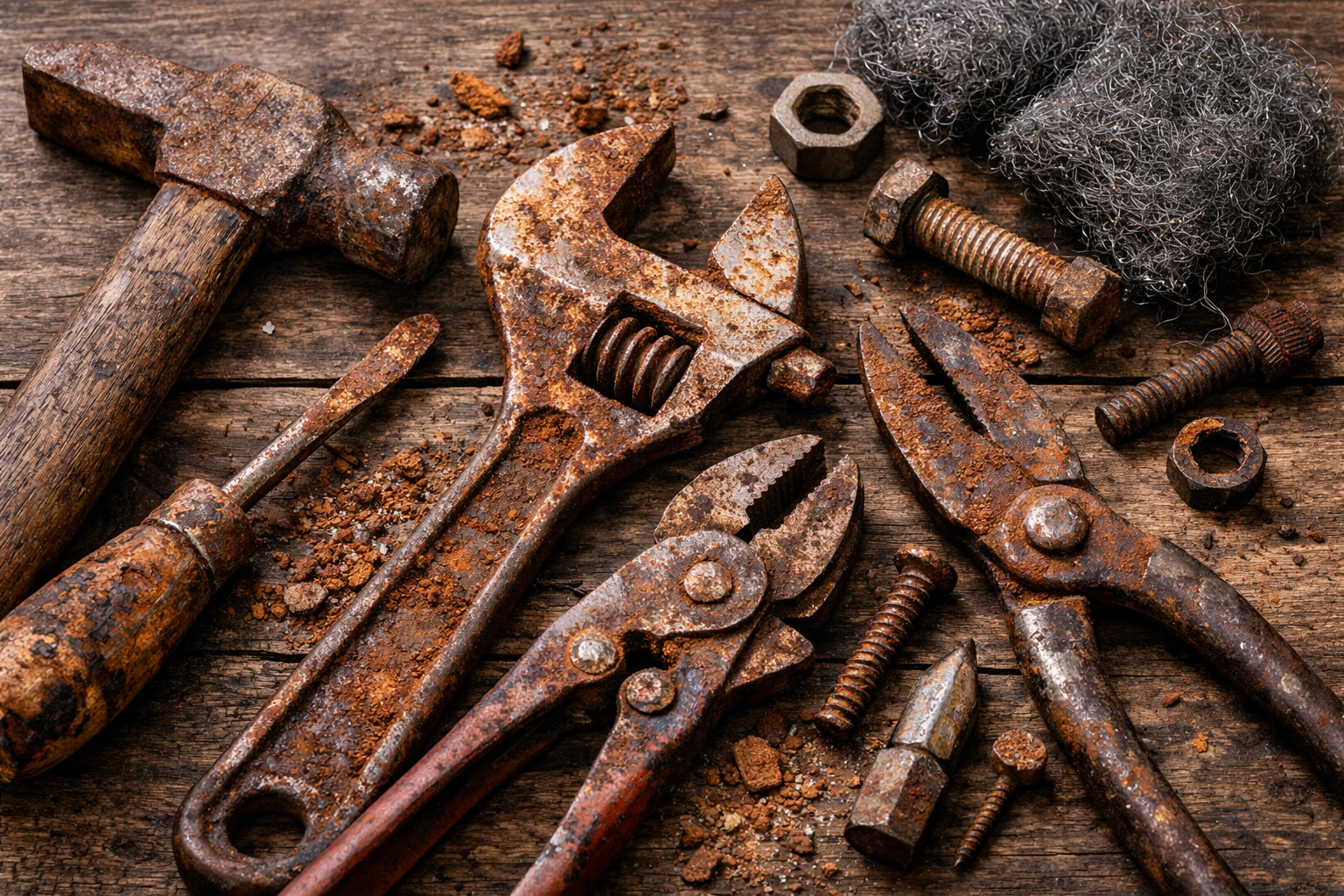
Homemade methods and chemical solutions help remove rust from metal objects with simple application steps, scrubbing, protection, and prevention against moisture
Rust can be removed from metal objects using homemade solutions and chemical products, through application, action time, scrubbing, and final protection. The methods vary according to oxidation and help recover parts and tools.
Homemade methods
Among the options for removing rust, lemon with salt is a practical alternative. The mixture should form a paste and be applied directly to the rusted area.
After a few minutes, the surface can be scrubbed with a stiff-bristled brush. The citric acid from the lemon dissolves the rust, while the salt acts as an abrasive.
-
Flamengo star impresses with mansion in Barra da Tijuca featuring a high-end pool, complete gourmet space, custom closet, NBA-inspired decor, 24-hour security in a gated community, and a strategic location close to the training center.

-
Oropouche virus spreads again in Brazil, silently advancing with an almost invisible mosquito and raising concerns due to its similarity to dengue.

-
About 10,000 residents live in a European city where parts of Belgium are located within the Netherlands; the border cuts through houses, and even the position of the door determines which country the property belongs to.

-
Silvio Santos surprised everyone with his generosity: the creator of SBT guaranteed a job, high salary, and eternal benefits to his loyal aide.

Baking soda can also be used. Just mix it with water until it forms a consistent paste, apply it to the rust, wait for it to act, and then scrub.
This method is considered gentle and effective, helping to avoid damage to the metal. Thus, it can be used to remove rust from surfaces that require more care.
Vinegar in the fight against rust
Apple cider vinegar and white vinegar are also effective for removing rust. The object can be soaked for a few hours or overnight.
Afterward, removal can be done with a toothbrush, abrasive sponge, or crumpled aluminum foil. In more intense cases, the soaking time can be increased.
Mixture for tools
Heavily rusted tools can receive a combination of coarse salt, vinegar, and baking soda. The mixture causes a chemical reaction that dissolves oxidation and facilitates cleaning.
After application, finishing can be done with steel wool. This resource addresses situations where rust is more adhered to the metal.
Chemical solutions and mechanical support
Products like phosphoric or hydrochloric acid transform rust into ferric phosphate, making it easier to remove. The object should be soaked overnight, with protective gloves and in a ventilated area.
Brushing and sanding can also be used before or after the chemical products. Steel brush, stiff-bristled brush, and sander remove the layer of loose rust.
Prevention after cleaning
After complete removal, the metal surface should receive paint, varnish, or protective oil. This layer creates a barrier against moisture and helps prevent the problem from returning.
It is also recommended to avoid prolonged exposure to water and humidity. Storing objects in dry and well-ventilated places helps increase durability and reduce new signs of rust.
With information from Super Rádio Tupi.






Seja o primeiro a reagir!